Cebrián Guillermo, Condón Santiago, Mañas Pilar
Tecnología de los Alimentos, Facultad de Veterinaria de Zaragoza, Instituto Agroalimentario de Aragón-IA2, Universidad de Zaragoza-CITA, 50009 Zaragoza, Spain.
Foods. 2017 Nov 30;6(12):107. doi: 10.3390/foods6120107.
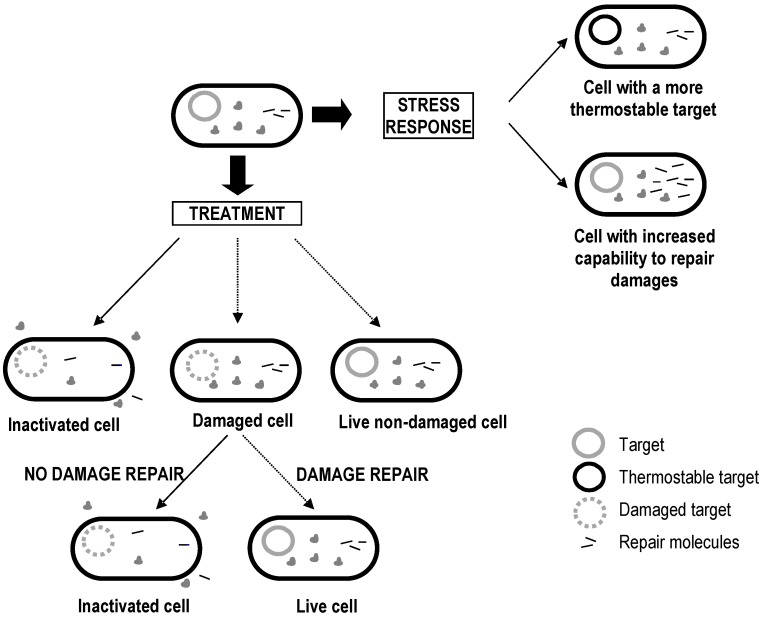
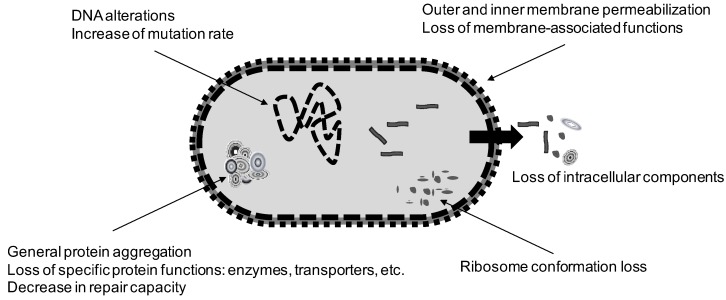
Heat has been used extensively in the food industry as a preservation method, especially due to its ability to inactivate microorganisms present in foods. However, many aspects regarding the mechanisms of bacterial inactivation by heat and the factors affecting this process are still not fully understood. The purpose of this review is to offer a general overview of the most important aspects of the physiology of the inactivation or survival of microorganisms, particularly vegetative bacteria, submitted to heat treatments. This could help improve the design of current heat processes methods in order to apply milder and/or more effective treatments that could fulfill consumer requirements for fresh-like foods while maintaining the advantages of traditional heat treatments.
热作为一种保鲜方法在食品工业中已被广泛应用,特别是因为它能够使食品中存在的微生物失活。然而,关于热致细菌失活的机制以及影响这一过程的因素的许多方面仍未被完全理解。本综述的目的是对经受热处理的微生物,特别是营养细菌的失活或存活生理学的最重要方面进行概述。这有助于改进当前热处理方法的设计,以便应用更温和和/或更有效的处理方法,既能满足消费者对类似新鲜食品的需求,又能保持传统热处理的优势。