
自我检测能否增加男男性行为者的HIV检测:一项系统评价与荟萃分析。
Can self-testing increase HIV testing among men who have sex with men: A systematic review and meta-analysis.
作者信息
Zhang Ci, Li Xianhong, Brecht Mary-Lynn, Koniak-Griffin Deborah
机构信息
Xiangya Nursing School of Central South University, Changsha, Hunan, China.
UCLA School of Nursing, Los Angeles, California, United States of America.
出版信息
PLoS One. 2017 Nov 30;12(11):e0188890. doi: 10.1371/journal.pone.0188890. eCollection 2017.
BACKGROUND
Globally, four out of ten individuals living with HIV have not been tested for HIV. Testing is especially important for men who have sex with men (MSM), among whom an increasing HIV epidemic has been identified in many regions of the world. As a supplement to site-based HIV testing services, HIV self-testing (HIVST) provides a promising approach to promote HIV testing. However, evidence is scattered and not well-summarized on the effect of HIVST to improve HIV testing behaviors, especially for MSM.
METHODS
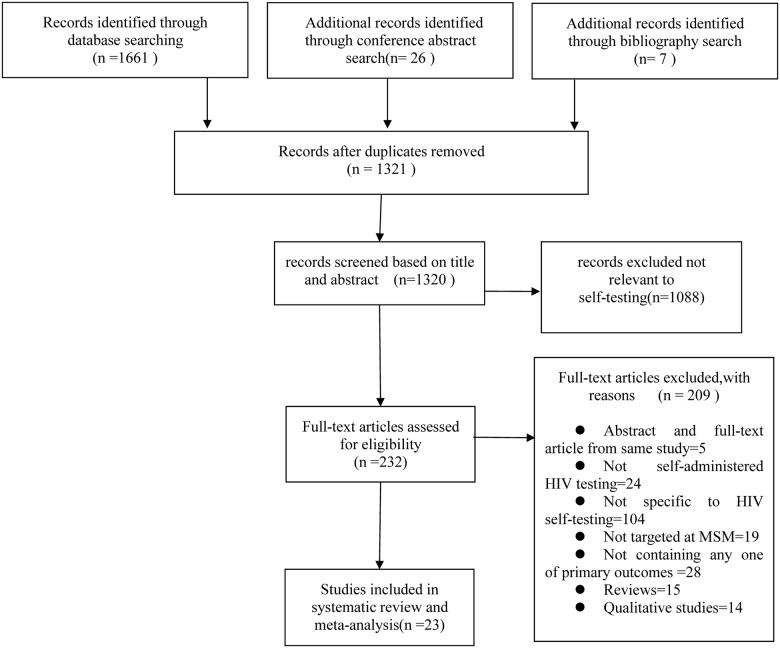
Seven databases (PubMed, Web of Science, Cochrane Library, PsycINFO, CINAHL Plus, WanFang, and China National Knowledge Internet) and conference abstracts from six HIV/sexually transmitted infections conferences were searched from January 2000-April 2017.
RESULTS
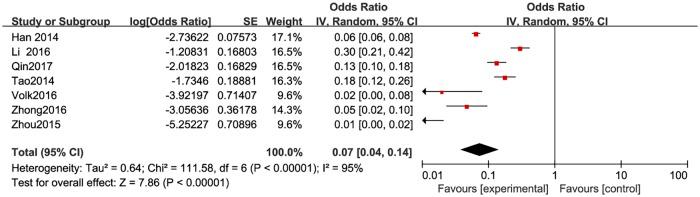
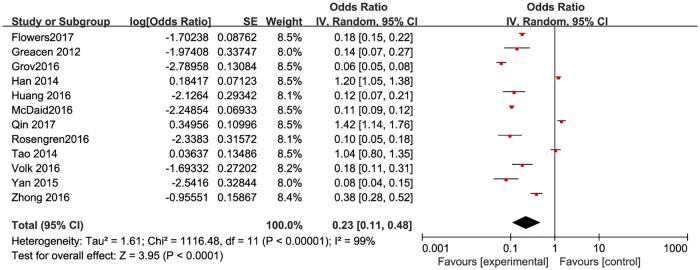
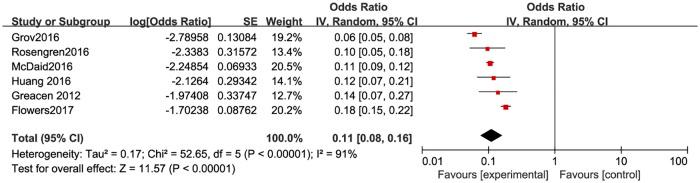
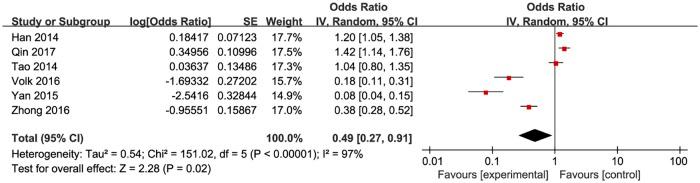
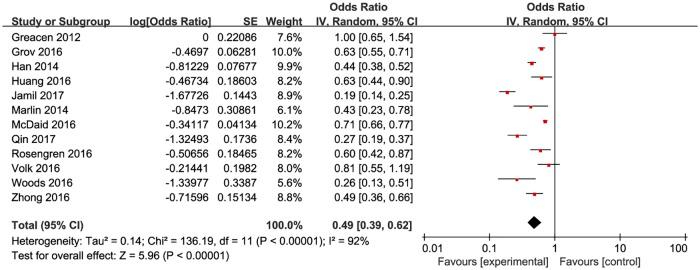
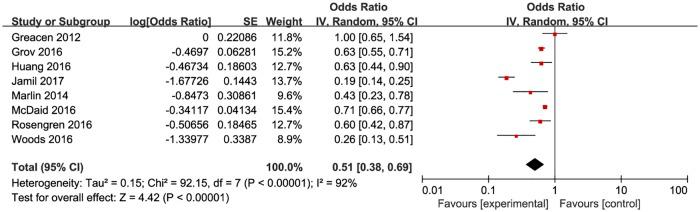
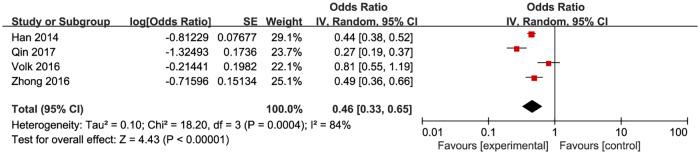
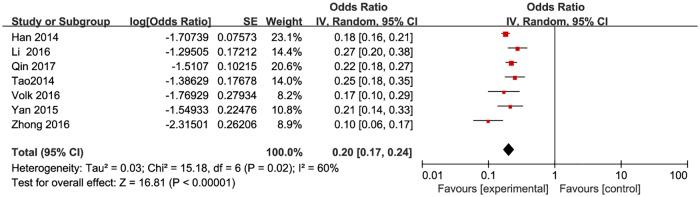
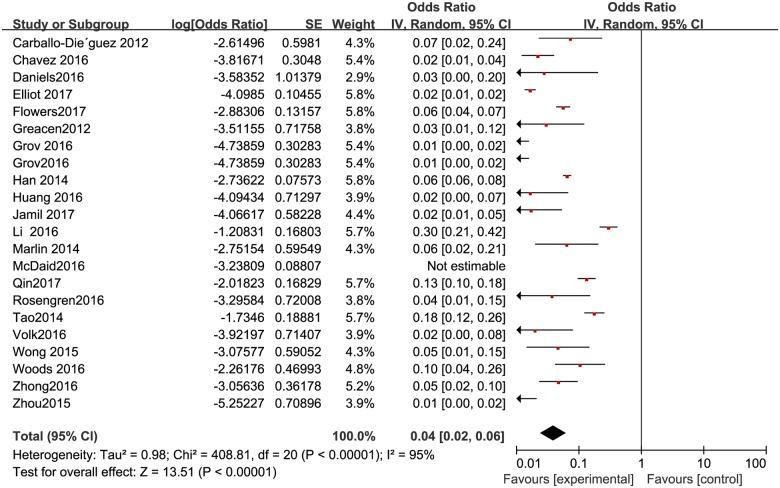
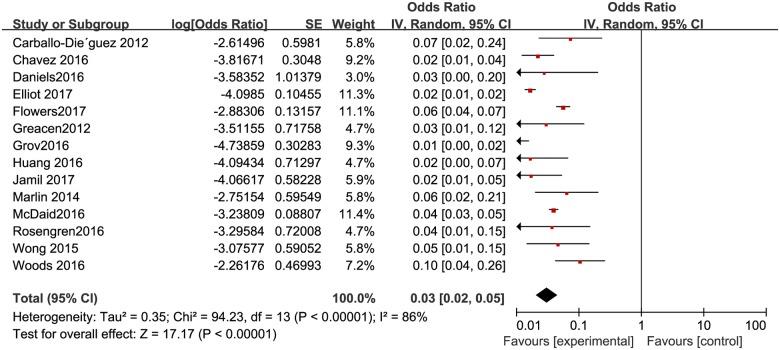
Of 1,694 records retrieved, 23 studies were identified, 9 conducted in resource-limited countries and 14 in high-income countries. The pooled results showed that HIVST increased HIV test frequency for MSM by one additional test in a 6-month period (mean difference = 0.88 [95% CI 0.52-1.24]). The pooled proportion of first-time testers among those who took HIVST was 18.7% (95% CI: 9.9-32.4) globally, with a rate 3.32 times higher in resource-limited country settings (32.9% [95% CI: 21.3-47.6]) than in high-income countries (9.9% [95% CI: 7.4-13.8]). The pooled proportions included non-recent testers, 32.9% (95% CI: 28.1-38.3); ever or currently married MSM, 16.7% (95% CI: 14.5-19.4); and HIV positive men, 3.8% (95% CI: 2.0-5.7) globally; 6.5% [95% CI: 0.38-12.3] in resource-limited country settings; and 2.9% [95% CI: 2.0-5.0] in high-income countries). The rates reported for linkage to care ranged from 31.3% to 100%.
CONCLUSIONS
HIVST could increase HIV testing frequency and potentially have capacity equivalent to that of site-based HIV testing services to reach first-time, delayed, married, and HIV-infected testers among MSM and link them to medical care. However, more rigorous study designs are needed to explore the specific self-testing approach (oral-fluid based or finger-prick based) on improving HIV testing for MSM in different social and economic settings.
背景
在全球范围内,每10名艾滋病毒感染者中有4人未接受过艾滋病毒检测。检测对于男男性行为者(MSM)尤为重要,在世界许多地区,该群体中的艾滋病毒疫情呈上升趋势。作为基于场所的艾滋病毒检测服务的补充,艾滋病毒自我检测(HIVST)为促进艾滋病毒检测提供了一种有前景的方法。然而,关于HIVST对改善艾滋病毒检测行为的影响的证据较为零散,且未得到很好的总结,尤其是针对男男性行为者。
方法
检索了7个数据库(PubMed、科学网、考克兰图书馆、心理学文摘数据库、护理学与健康领域数据库、万方数据库和中国知网)以及2000年1月至2017年4月期间6次艾滋病毒/性传播感染会议的会议摘要。
结果
在检索到的1694条记录中,确定了23项研究,其中9项在资源有限的国家进行,14项在高收入国家进行。汇总结果显示,HIVST使男男性行为者在6个月内的艾滋病毒检测频率平均增加了一次检测(平均差异=0.88[95%置信区间0.52 - 1.24])。在全球范围内,接受HIVST的人群中首次检测者的汇总比例为18.7%(95%置信区间:9.9 - 32.4),在资源有限的国家环境中这一比例(32.9%[95%置信区间:21.3 - 47.6])比在高收入国家(9.9%[95%置信区间:7.4 - 13.8])高3.32倍。汇总比例包括非近期检测者,为32.9%(95%置信区间:28.1 - 38.3);曾经或目前已婚的男男性行为者,为16.7%(95%置信区间:14.5 - 19.4);以及艾滋病毒阳性男性,全球范围内为3.8%(95%置信区间:2.0 - 5.7);在资源有限的国家环境中为6.5%[95%置信区间:0.38 - 12.3];在高收入国家为2.9%[95%置信区间:2.0 - 5.0])。报告的与医疗服务衔接的比例范围为31.3%至100%。
结论
HIVST可以提高艾滋病毒检测频率,并且在接触男男性行为者中的首次检测者、延迟检测者、已婚检测者和艾滋病毒感染检测者并将他们与医疗服务衔接方面,可能具有与基于场所的艾滋病毒检测服务相当的能力。然而,需要更严格的研究设计来探索在不同社会和经济环境中改善男男性行为者艾滋病毒检测的具体自我检测方法(基于口腔液或基于手指针刺)。

 Zotero 插件