Xue Ran, Yang Jing, Wu Jing, Meng Qinghua, Hao Jianyu
Department of Gastroenterology, Beijing Chao-Yang Hospital, Capital Medical University, Beijing 100020, China.
Department of Critical Care Medicine of Liver Disease, Beijing You-An Hospital, Capital Medical University, Beijing 100069, China.
Oncotarget. 2017 Sep 23;8(54):92300-92311. doi: 10.18632/oncotarget.21247. eCollection 2017 Nov 3.
Pancreatic stellate cells (PSCs) have a vital role in pancreatic fibrosis accompanied by pancreatic ductal adenocarcinoma (PDAC) and chronic pancreatitis (CP). Any agents which can affect the activation of PSCs could become potential candidates for treatment strategies in PDAC and CP. Our aim was to explore the effect of Coenzyme Q10 (CoQ10) in the process of PSCs activation.
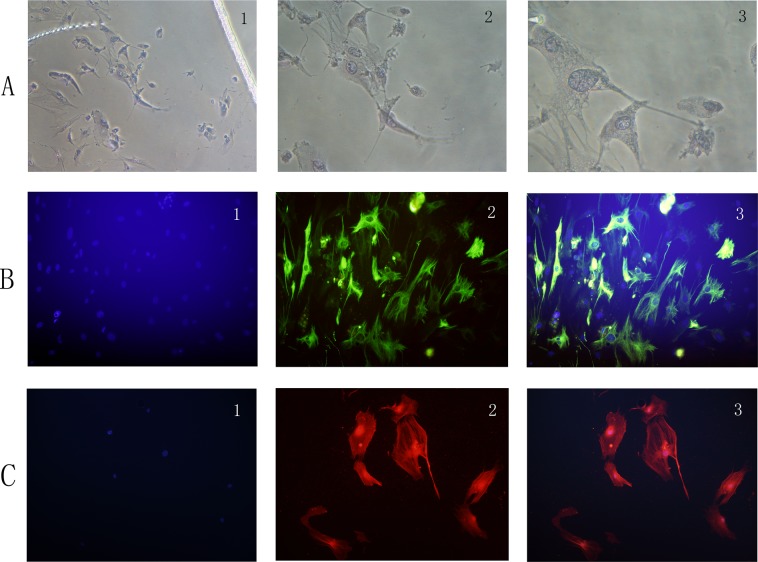
Isolated PSCs from C57BL/6 mice were treated with various dosages of CoQ10 (1, 10, and 100μM) and different time (24h, 48h, and 72 h). Effect of CoQ10 on autophagy, apoptosis, senescence and oxidative stress, as well as the activation of PSCs were analyzed by immunocytofluorescent staining, quantitative real time RT-PCR, western blotting, SA-β-galactosidase staining, malondialdehyde and reactive oxygen species (ROS) assay.
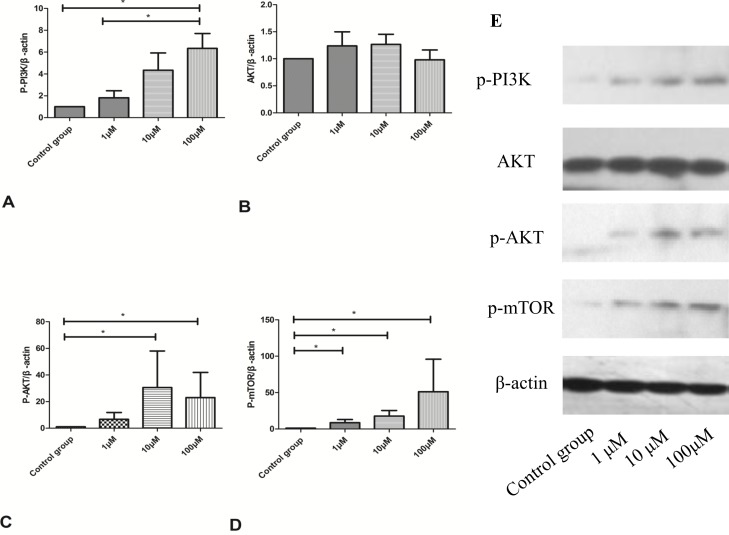
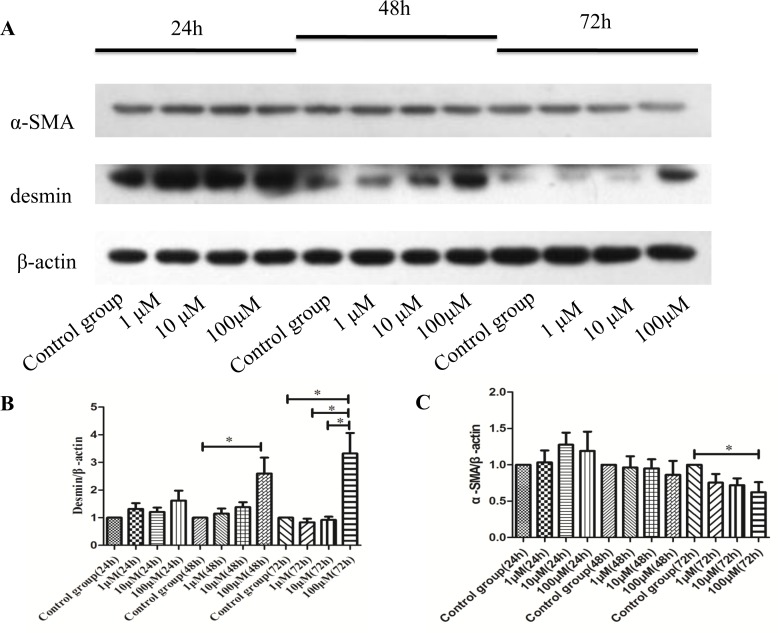
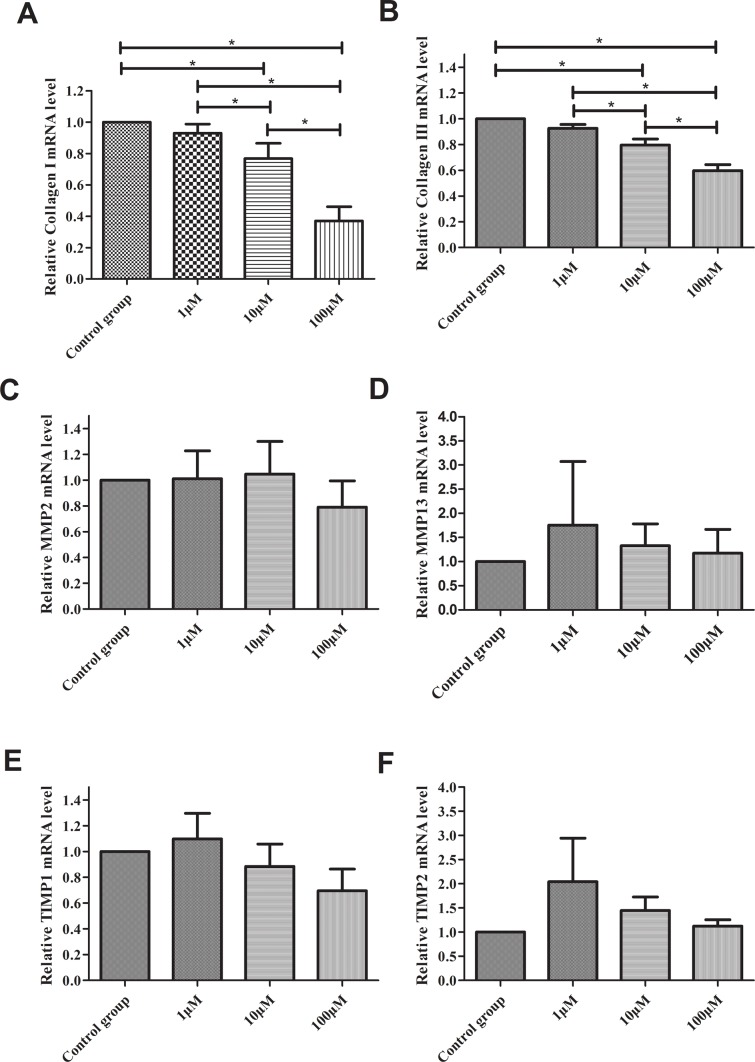
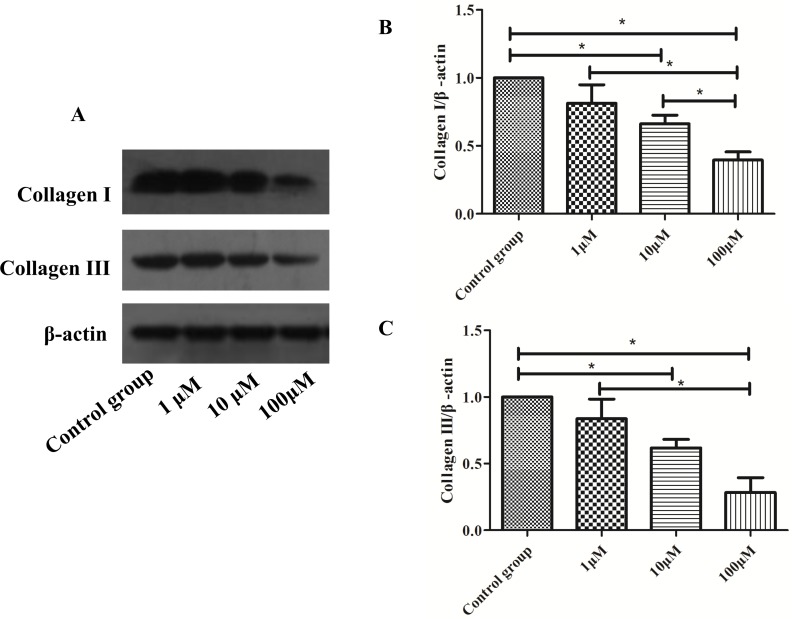
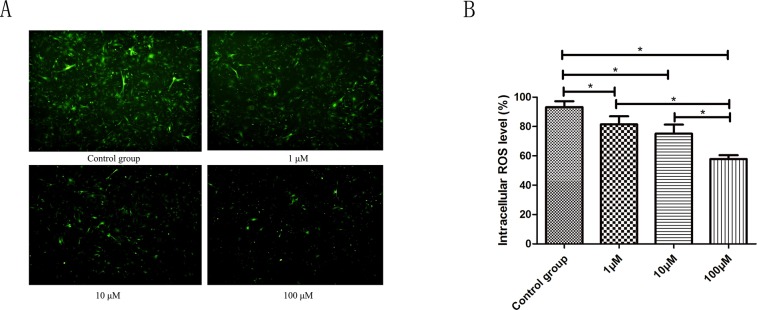
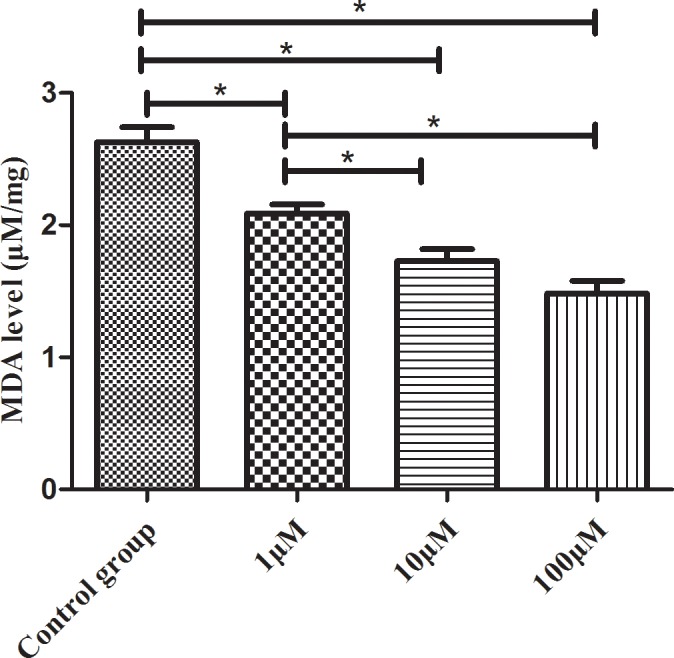
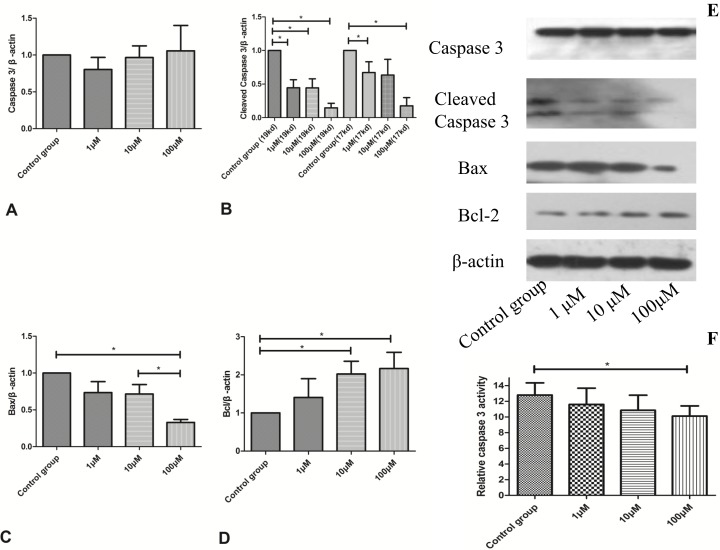
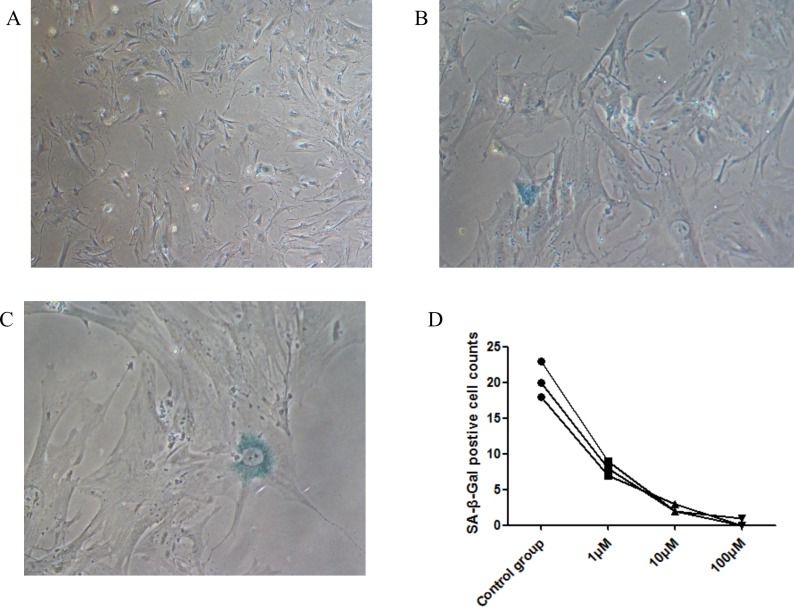
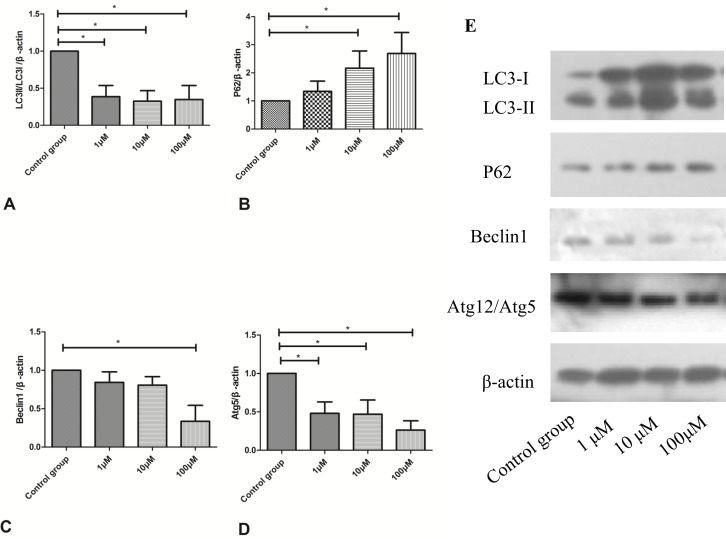
Expression of α-smooth muscle actin, LC3II, Beclin1, Cleaved caspases-3 and Bax levels were significantly reduced in CoQ10 treatment groups. Meanwhile, compared with the control group, significant differences for the expression of desmin, P62, Bcl-2, p-PI3K, p-AKT and p-mTOR levels in CoQ10 treatment groups were found. Moreover, CoQ10 affected the secretion of extracellular matrix components for PSCs. Few SA-β-gal positive cells were found in CoQ10 treated groups. A significant decrease in ROS positive cells and malondialdehyde levels were observed after 72 h exposure to CoQ10.
Our finding suggests that CoQ10 inhibits the activation of PSCs by suppressing autophagy through activating the PI3K/AKT/mTOR signaling pathway. CoQ10 may act as a therapeutic agent in PSC-relating pathologies and/or anti-fibrotic approaches.
胰腺星状细胞(PSCs)在伴有胰腺导管腺癌(PDAC)和慢性胰腺炎(CP)的胰腺纤维化中起关键作用。任何能够影响PSCs活化的药物都可能成为PDAC和CP治疗策略的潜在候选药物。我们的目的是探讨辅酶Q10(CoQ10)在PSCs活化过程中的作用。
用不同剂量(1、10和100μM)的CoQ10处理从C57BL/6小鼠分离的PSCs,并处理不同时间(24小时、48小时和72小时)。通过免疫细胞荧光染色、定量实时RT-PCR、蛋白质免疫印迹、SA-β-半乳糖苷酶染色、丙二醛和活性氧(ROS)测定分析CoQ10对自噬、凋亡、衰老和氧化应激以及PSCs活化的影响。
CoQ10处理组中α-平滑肌肌动蛋白、LC3II、Beclin1、裂解的半胱天冬酶-3和Bax水平的表达显著降低。同时,与对照组相比,CoQ10处理组中结蛋白、P62、Bcl-2、p-PI3K、p-AKT和p-mTOR水平的表达存在显著差异。此外,CoQ10影响PSCs细胞外基质成分的分泌。在CoQ10处理组中发现很少有SA-β-半乳糖苷酶阳性细胞。暴露于CoQ10 72小时后,ROS阳性细胞和丙二醛水平显著降低。
我们的研究结果表明,CoQ10通过激活PI3K/AKT/mTOR信号通路抑制自噬,从而抑制PSCs的活化。CoQ10可能作为一种治疗药物用于与PSCs相关的疾病和/或抗纤维化治疗。