Institute of Dairy Science, MoE Key Laboratory of Molecular Animal Nutrition, College of Animal Sciences, Zhejiang University, Hangzhou, 310058, People's Republic of China.
BMC Genomics. 2017 Dec 2;18(1):936. doi: 10.1186/s12864-017-4314-1.
Lactation is extremely important for dairy cows; however, the understanding of the underlying metabolic mechanisms is very limited. This study was conducted to investigate the inherent metabolic patterns during lactation using the overall biofluid metabolomics and the metabolic differences from non-lactation periods, as determined using partial tissue-metabolomics. We analyzed the metabolomic profiles of four biofluids (rumen fluid, serum, milk and urine) and their relationships in six mid-lactation Holstein cows and compared their mammary gland (MG) metabolomic profiles with those of six non-lactating cows by using gas chromatography-time of flight/mass spectrometry.
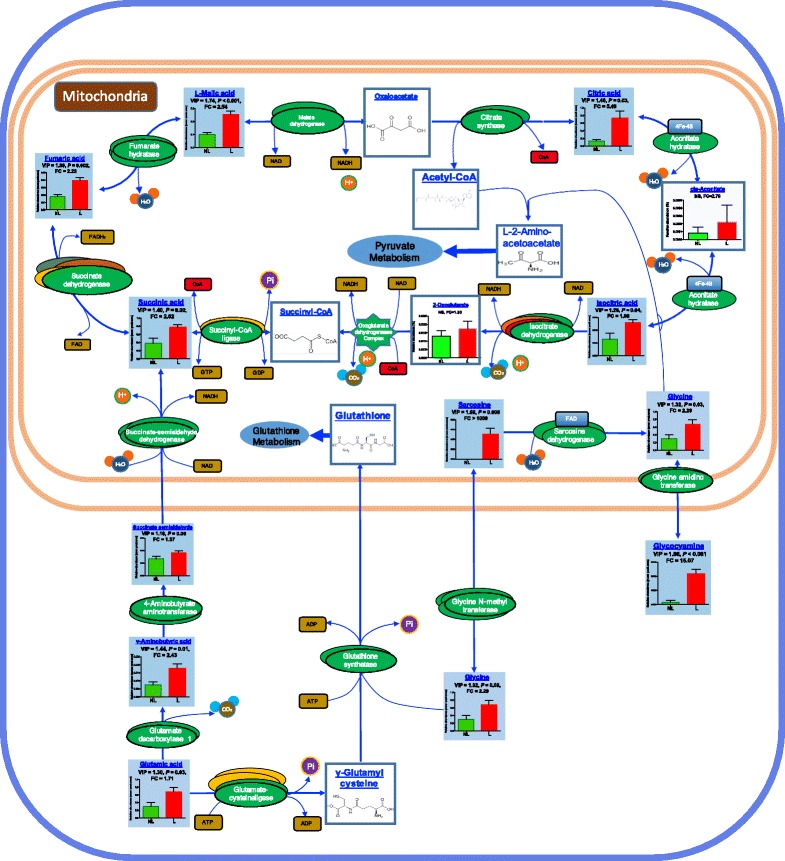
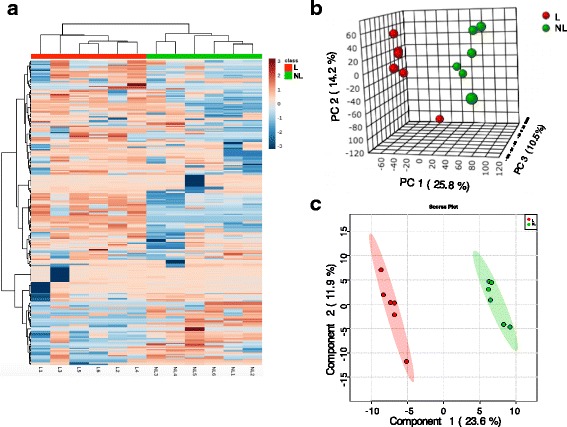
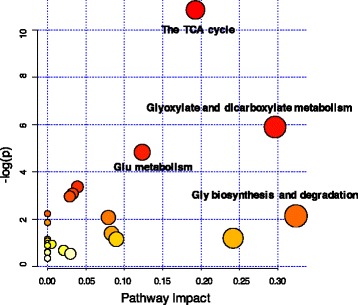
In total, 33 metabolites were shared among the four biofluids, and 274 metabolites were identified in the MG tissues. The sub-clusters of the hierarchical clustering analysis revealed that the rumen fluid and serum metabolomics profiles were grouped together and highly correlated but were separate from those for milk. Urine had the most different profile compared to the other three biofluids. Creatine was identified as the most different metabolite among the four biofluids (VIP = 1.537). Five metabolic pathways, including gluconeogenesis, pyruvate metabolism, the tricarboxylic acid cycle (TCA cycle), glycerolipid metabolism, and aspartate metabolism, showed the most functional enrichment among the four biofluids (false discovery rate < 0.05, fold enrichment >2). Clear discriminations were observed in the MG metabolomics profiles between the lactating and non-lactating cows, with 54 metabolites having a significantly higher abundance (P < 0.05, VIP > 1) in the lactation group. Lactobionic acid, citric acid, orotic acid and oxamide were extracted by the S-plot as potential biomarkers of the metabolic difference between lactation and non-lactation. The TCA cycle, glyoxylate and dicarboxylate metabolism, glutamate metabolism and glycine metabolism were determined to be pathways that were significantly impacted (P < 0.01, impact value >0.1) in the lactation group. Among them, the TCA cycle was the most up-regulated pathway (P < 0.0001), with 7 of the 10 related metabolites increased in the MG tissues of the lactating cows.
The overall biofluid and MG tissue metabolic mechanisms in the lactating cows were interpreted in this study. Our findings are the first to provide an integrated insight and a better understanding of the metabolic mechanism of lactation, which is beneficial for developing regulated strategies to improve the metabolic status of lactating dairy cows.
泌乳对奶牛至关重要;然而,其潜在的代谢机制还知之甚少。本研究旨在通过整体生物流体代谢组学和部分组织代谢组学,研究泌乳期间的固有代谢模式以及与非泌乳期的代谢差异。我们分析了 6 头泌乳中期荷斯坦奶牛的 4 种生物流体(瘤胃液、血清、牛奶和尿液)的代谢组学特征,并通过气相色谱-飞行时间/质谱比较了它们的乳腺(MG)代谢组学特征与 6 头非泌乳奶牛的特征。
在总共 33 种代谢物中,有 274 种代谢物在 MG 组织中被鉴定出来。层次聚类分析的子聚类显示,瘤胃液和血清代谢组学图谱聚为一类,相关性较高,但与牛奶的图谱分离。尿液与其他三种生物流体的差异最大。肌酸被鉴定为四种生物流体中差异最大的代谢物(VIP=1.537)。在四种生物流体中,有五个代谢途径(糖异生、丙酮酸代谢、三羧酸循环(TCA 循环)、甘油脂代谢和天冬氨酸代谢)表现出最显著的功能富集(错误发现率<0.05,倍数富集>2)。在泌乳和非泌乳奶牛的 MG 代谢组学图谱之间观察到明显的区分,54 种代谢物在泌乳组中的丰度显著更高(P<0.05,VIP>1)。乳寡糖、柠檬酸、尿嘧啶和草酰胺通过 S-plot 被提取为泌乳和非泌乳代谢差异的潜在生物标志物。三羧酸循环、乙醛酸和二羧酸代谢、谷氨酸代谢和甘氨酸代谢被确定为在泌乳组中受到显著影响的途径(P<0.01,影响值>0.1)。其中,三羧酸循环是上调最明显的途径(P<0.0001),10 种相关代谢物中有 7 种在泌乳奶牛的 MG 组织中增加。
本研究对泌乳奶牛的整体生物流体和 MG 组织代谢机制进行了解释。我们的研究结果首次提供了对泌乳代谢机制的综合见解和更好的理解,这有利于制定调节策略以改善泌乳奶牛的代谢状态。