Division of Microbiology and Immunology, Pathology Department, University of Utah School of Medicine, Salt Lake City, Utah, USA.
Division of Microbiology and Immunology, Pathology Department, University of Utah School of Medicine, Salt Lake City, Utah, USA
Infect Immun. 2018 Feb 20;86(3). doi: 10.1128/IAI.00662-17. Print 2018 Mar.
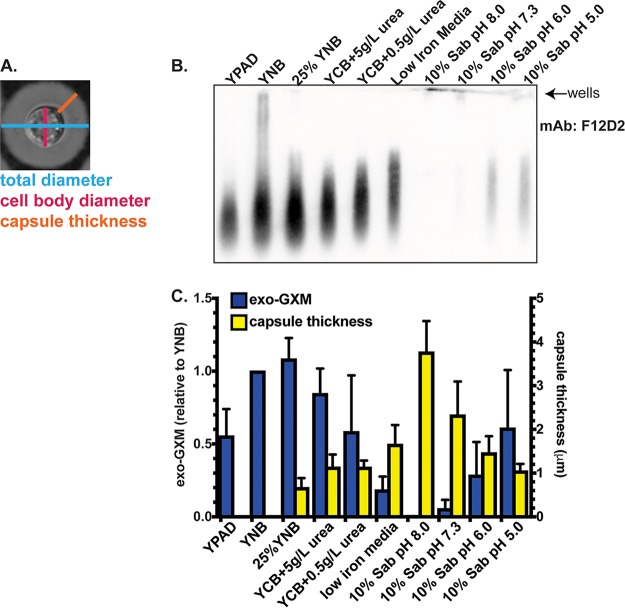
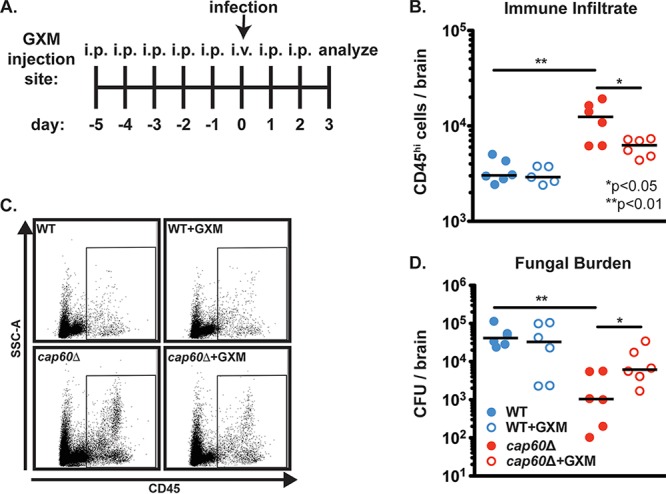
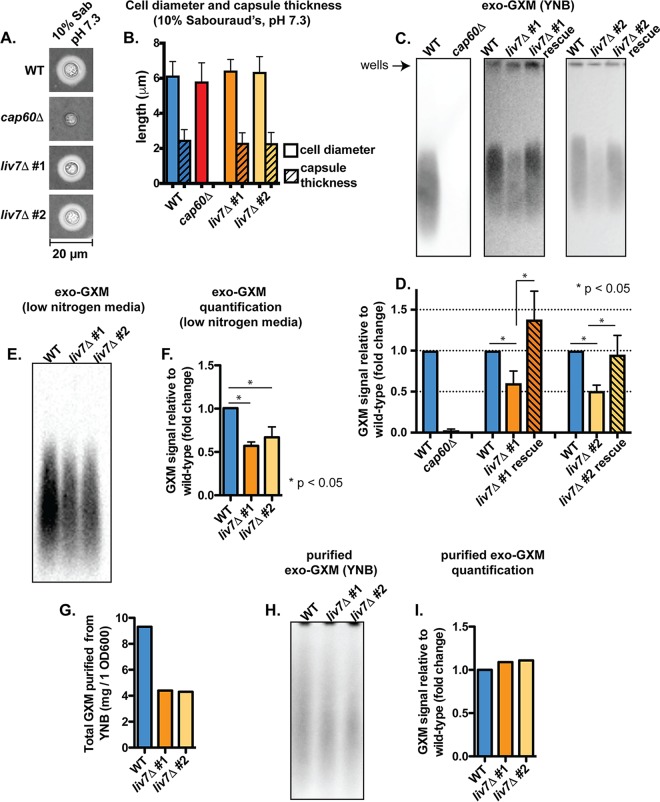
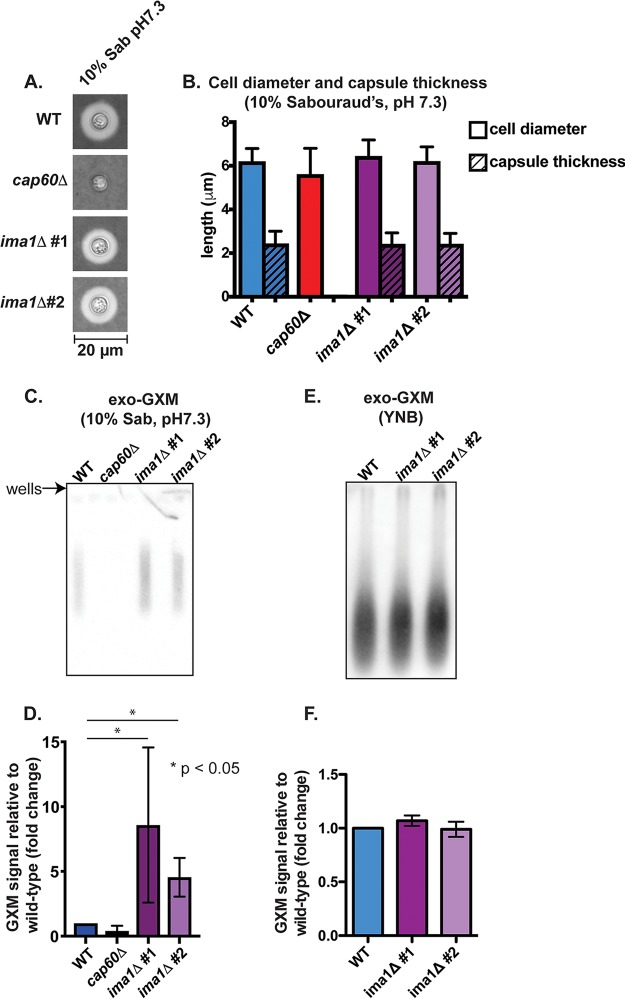
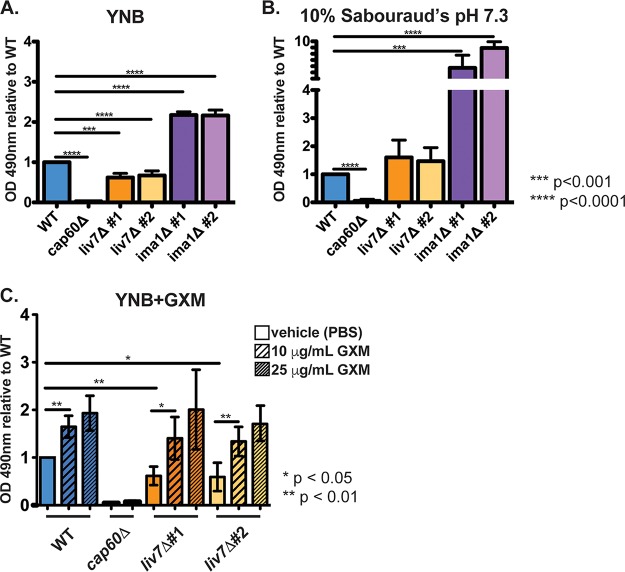
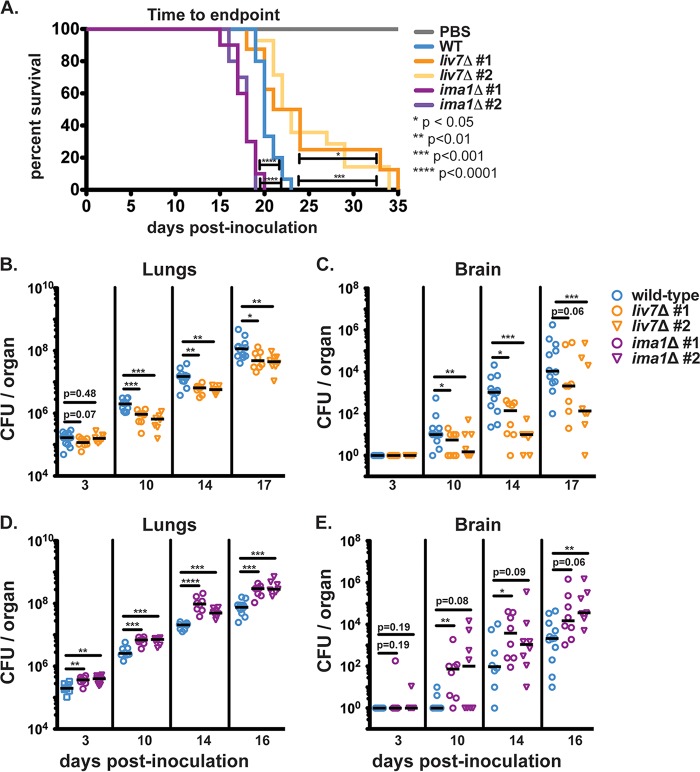
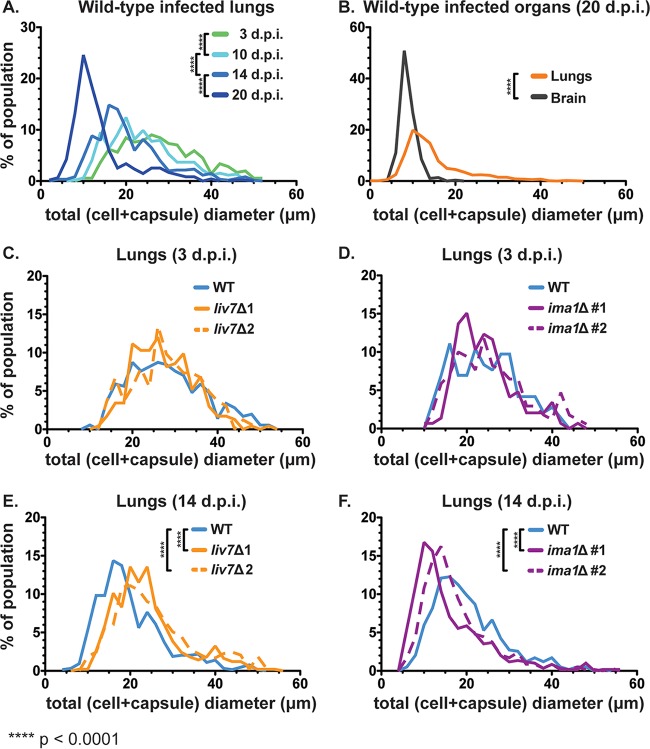
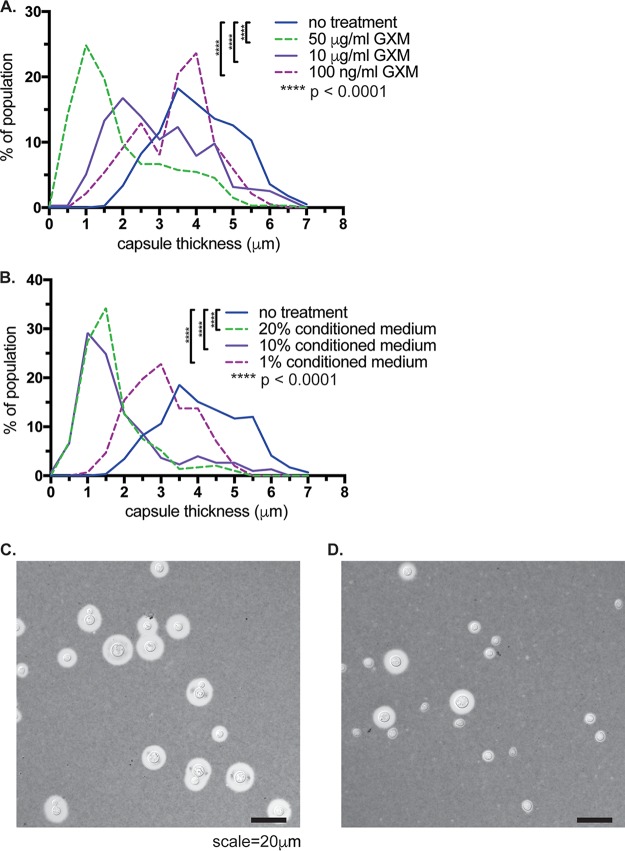
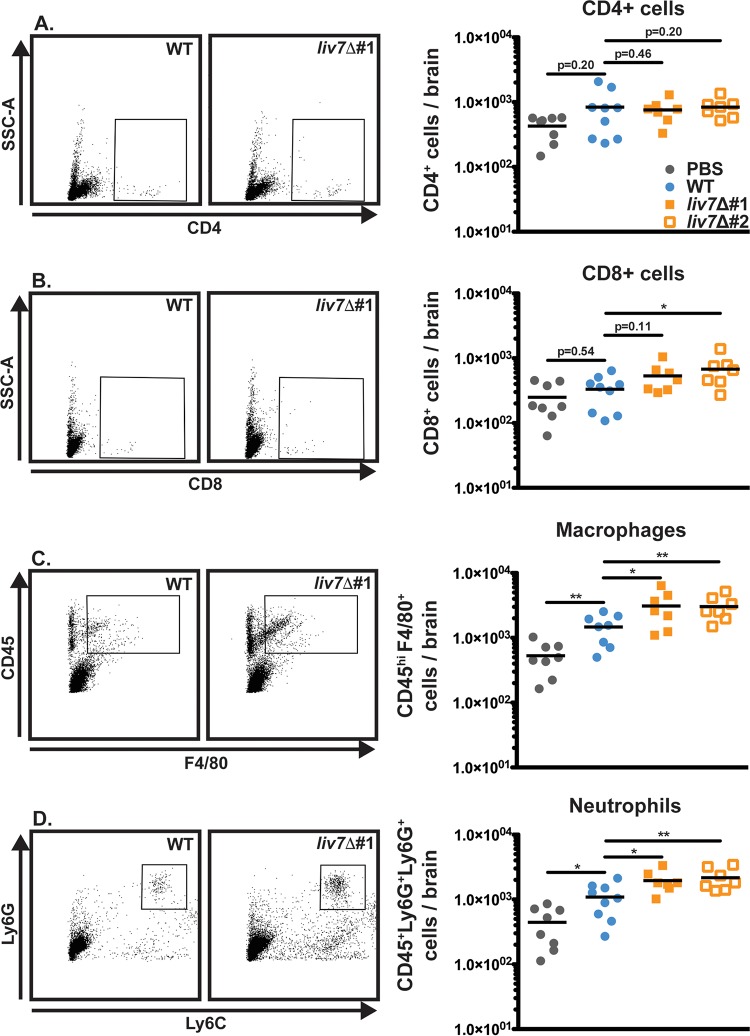
is a common environmental yeast and opportunistic pathogen responsible for 15% of AIDS-related deaths worldwide. Mortality primarily results from meningoencephalitis, which occurs when fungal cells disseminate to the brain from the initial pulmonary infection site. A key virulence trait is the polysaccharide capsule. Capsule shields from immune-mediated recognition and destruction. The main capsule component, glucuronoxylomannan (GXM), is found both attached to the cell surface and free in the extracellular space (as exo-GXM). Exo-GXM accumulates in patient serum and cerebrospinal fluid at microgram/milliliter concentrations, has well-documented immunosuppressive properties, and correlates with poor patient outcomes. However, it is poorly understood whether exo-GXM release is regulated or the result of shedding during normal capsule turnover. We demonstrate that exo-GXM release is regulated by environmental cues and inversely correlates with surface capsule levels. We identified genes specifically involved in exo-GXM release that do not alter surface capsule thickness. The first mutant, the Δ strain, released less GXM than wild-type cells when capsule was not induced. The second mutant, the Δ strain, released more exo-GXM under capsule-inducing conditions. Exo-GXM release observed correlated with polystyrene adherence, virulence, and fungal burden during murine infection. Additionally, we found that exo-GXM reduced cell size and capsule thickness under capsule-inducing conditions, potentially influencing dissemination. Finally, we demonstrated that exo-GXM prevents immune cell infiltration into the brain during disseminated infection and highly inflammatory intracranial infection. Our data suggest that exo-GXM performs a distinct role from capsule GXM during infection, altering cell size and suppressing inflammation.
是一种常见的环境酵母和机会性病原体,占全球艾滋病相关死亡人数的 15%。死亡率主要是由于真菌细胞从初始肺部感染部位传播到大脑而引起的脑膜炎。一个关键的毒力特征是多糖荚膜。荚膜使免受免疫介导的识别和破坏。荚膜的主要成分是葡聚糖(GXM),它既附着在细胞表面,也存在于细胞外空间(即外源性 GXM)。外源性 GXM 在患者血清和脑脊液中以微克/毫升的浓度积累,具有明确的免疫抑制特性,并与患者预后不良相关。然而,外源性 GXM 的释放是否受到调节,或者是否是正常荚膜周转过程中的脱落,尚不清楚。我们证明,外源性 GXM 的释放受环境线索的调节,与表面荚膜水平呈反比。我们确定了专门参与外源性 GXM 释放的基因,这些基因不会改变表面荚膜的厚度。第一个突变体Δ株在不诱导荚膜时释放的 GXM 少于野生型细胞。第二个突变体Δ株在诱导荚膜的条件下释放更多的外源性 GXM。观察到的外源性 GXM 释放与聚苯乙烯粘附、毒力和感染期间真菌负荷相关。此外,我们发现外源性 GXM 在诱导荚膜的条件下降低了细胞大小和荚膜厚度,可能影响了传播。最后,我们证明外源性 GXM 可防止免疫细胞在播散性感染和高度炎症性颅内感染期间渗透到大脑中。我们的数据表明,在感染过程中外源性 GXM 与荚膜 GXM 具有不同的作用,改变细胞大小并抑制炎症。