Pace Clare, Dagda Ruben, Angermann Jeff
Department of Environmental Science and Health, University of Nevada, Reno, NV 89557, USA.
Department of Pharmacology, University of Nevada, Reno School of Medicine, Reno, NV 89557, USA.
Toxics. 2017 Dec 5;5(4):38. doi: 10.3390/toxics5040038.
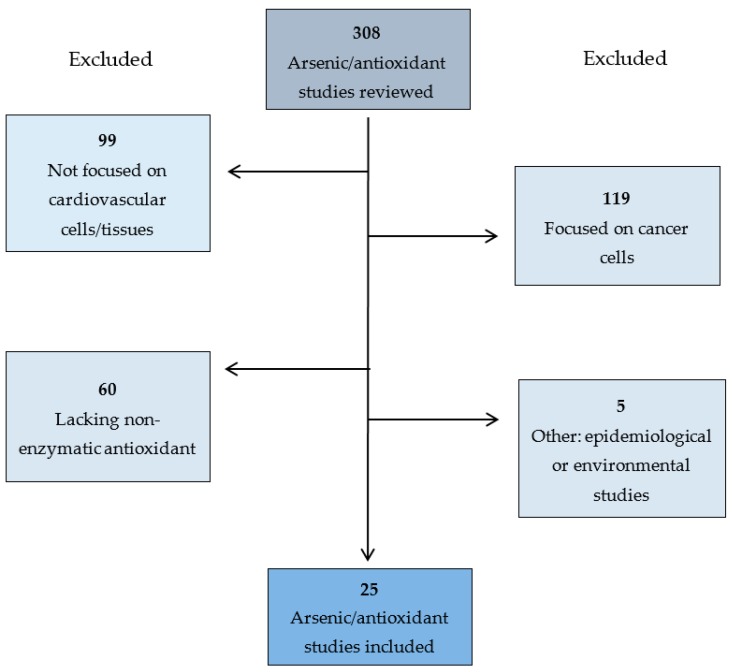
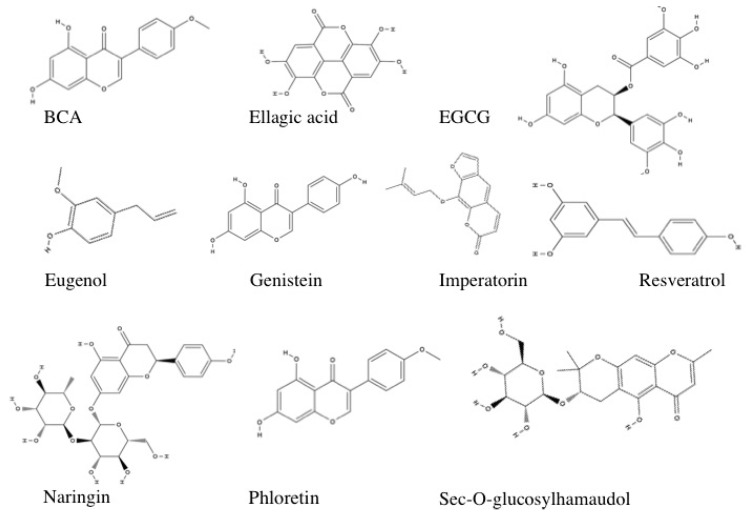
Arsenic is a potent cardiovascular toxicant associated with numerous biomarkers of cardiovascular diseases in exposed human populations. Arsenic is also a carcinogen, yet arsenic trioxide is used as a therapeutic agent in the treatment of acute promyelotic leukemia (APL). The therapeutic use of arsenic is limited due to its severe cardiovascular side effects. Many of the toxic effects of arsenic are mediated by mitochondrial dysfunction and related to arsenic's effect on oxidative stress. Therefore, we investigated the effectiveness of antioxidants against arsenic induced cardiovascular dysfunction. A growing body of evidence suggests that antioxidant phytonutrients may ameliorate the toxic effects of arsenic on mitochondria by scavenging free radicals. This review identifies 21 antioxidants that can effectively reverse mitochondrial dysfunction and oxidative stress in cardiovascular cells and tissues. In addition, we propose that antioxidants have the potential to improve the cardiovascular health of millions of people chronically exposed to elevated arsenic concentrations through contaminated water supplies or used to treat certain types of leukemias. Importantly, we identify conceptual gaps in research and development of new mito-protective antioxidants and suggest avenues for future research to improve bioavailability of antioxidants and distribution to target tissues in order reduce arsenic-induced cardiovascular toxicity in a real-world context.
砷是一种强效的心血管毒物,在接触人群中与多种心血管疾病生物标志物相关。砷也是一种致癌物,但三氧化二砷被用作治疗急性早幼粒细胞白血病(APL)的治疗剂。由于其严重的心血管副作用,砷的治疗用途受到限制。砷的许多毒性作用是由线粒体功能障碍介导的,并且与砷对氧化应激的影响有关。因此,我们研究了抗氧化剂对砷诱导的心血管功能障碍的有效性。越来越多的证据表明,抗氧化植物营养素可能通过清除自由基来减轻砷对线粒体的毒性作用。本综述确定了21种抗氧化剂,它们可以有效逆转心血管细胞和组织中的线粒体功能障碍和氧化应激。此外,我们认为抗氧化剂有可能改善数百万因受污染水源长期暴露于高浓度砷或用于治疗某些类型白血病的人的心血管健康。重要的是,我们确定了新的线粒体保护抗氧化剂研发中的概念性差距,并提出了未来研究的途径,以提高抗氧化剂的生物利用度并将其分布到靶组织,从而在实际环境中降低砷诱导的心血管毒性。