1Department of Bacteria, Parasites and Fungi, Statens Serum Institut, Copenhagen, Denmark.
2Department of Cardiology, Copenhagen University Hospital, Herlev-Gentofte, Copenhagen, Denmark.
Microb Genom. 2017 Nov;3(11). doi: 10.1099/mgen.0.000138.
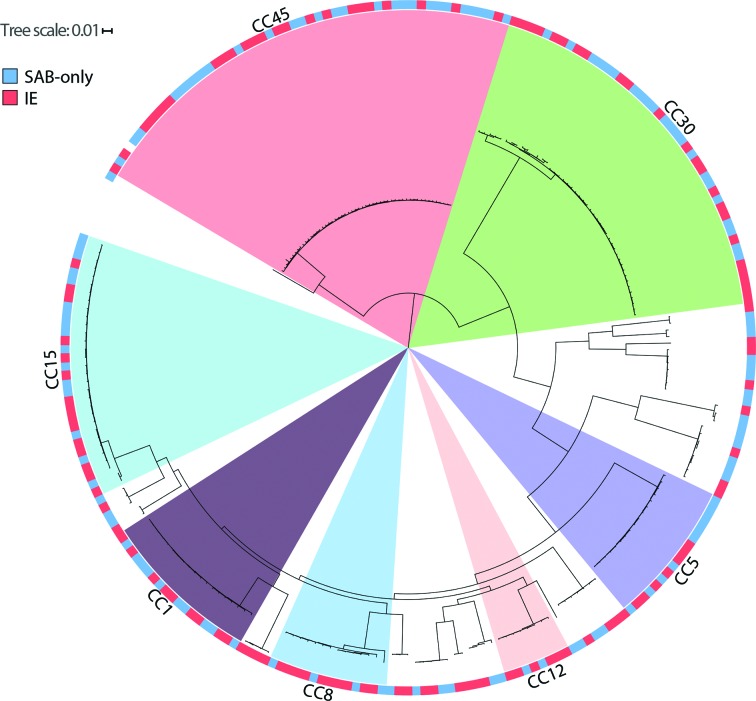
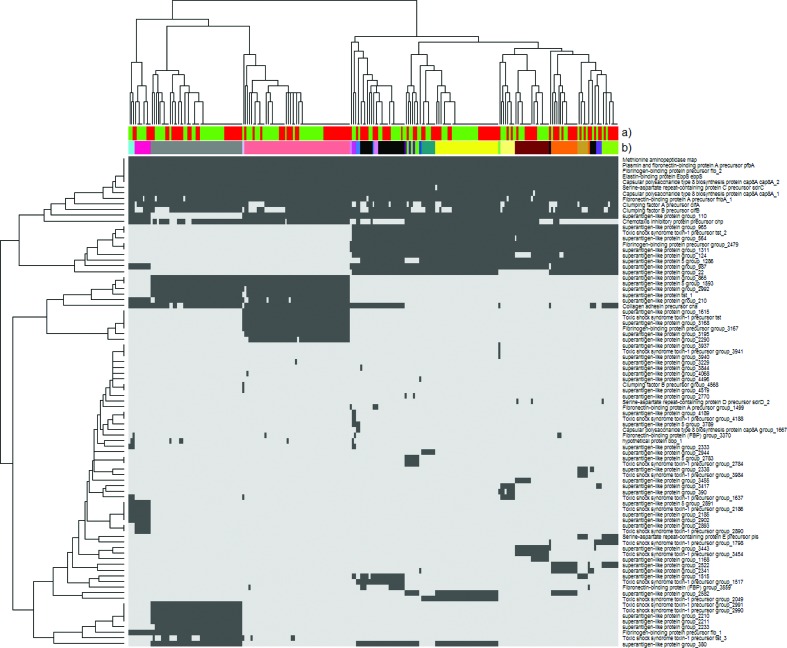
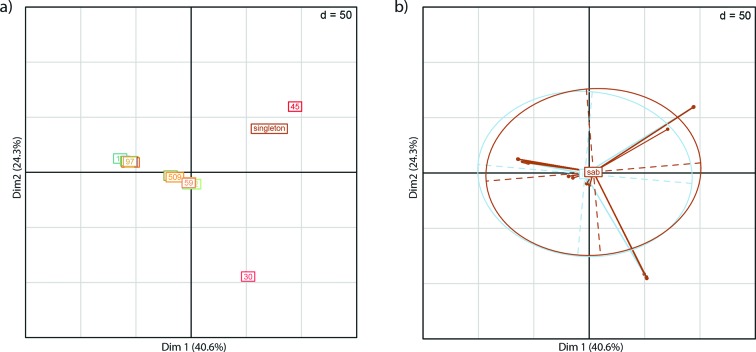
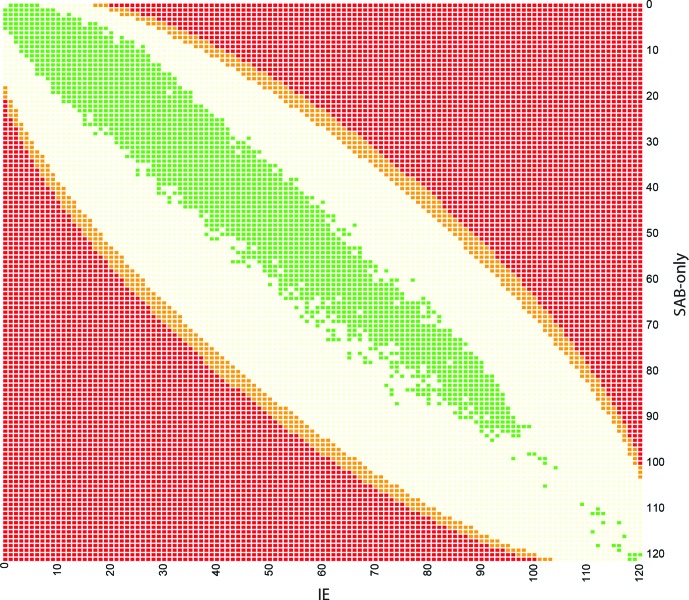
Most Staphylococcus aureus isolates can cause invasive disease given the right circumstances, but it is unknown if some isolates are more likely to cause severe infections than others. S. aureus bloodstream isolates from 120 patients with definite infective endocarditis and 121 with S. aureus bacteraemia without infective endocarditis underwent whole-genome sequencing. Genome-wide association analysis was performed using a variety of bioinformatics approaches including SNP analysis, accessory genome analysis and k-mer based analysis. Core and accessory genome analyses found no association with either of the two clinical groups. In this study, the genome sequences of S. aureus bloodstream isolates did not discriminate between bacteraemia and infective endocarditis. Based on our study and the current literature, it is not convincing that a specific S. aureus genotype is clearly associated to infective endocarditis in patients with S. aureus bacteraemia.
大多数金黄色葡萄球菌分离株在适当的情况下都可能导致侵袭性疾病,但尚不清楚某些分离株是否比其他分离株更容易引起严重感染。对 120 例明确感染性心内膜炎患者和 121 例金黄色葡萄球菌菌血症而无感染性心内膜炎患者的金黄色葡萄球菌血流分离株进行了全基因组测序。使用包括 SNP 分析、辅助基因组分析和基于 k-mer 的分析在内的多种生物信息学方法进行了全基因组关联分析。核心和辅助基因组分析未发现与这两个临床组中的任何一组有相关性。在这项研究中,金黄色葡萄球菌血流分离株的基因组序列不能区分菌血症和感染性心内膜炎。基于我们的研究和当前的文献,金黄色葡萄球菌菌血症患者的特定金黄色葡萄球菌基因型与感染性心内膜炎明显相关,这一说法并不可信。