Department of Molecular Biology and Biochemistry, Centre for Cell Biology, Development and Disease, Simon Fraser University, Burnaby, British Columbia, Canada V5A 1S6.
Department of Molecular Biology and Biochemistry, Centre for Cell Biology, Development and Disease, Simon Fraser University, Burnaby, British Columbia, Canada V5A 1S6
Dis Model Mech. 2018 Jan 17;11(1):dmm031146. doi: 10.1242/dmm.031146.
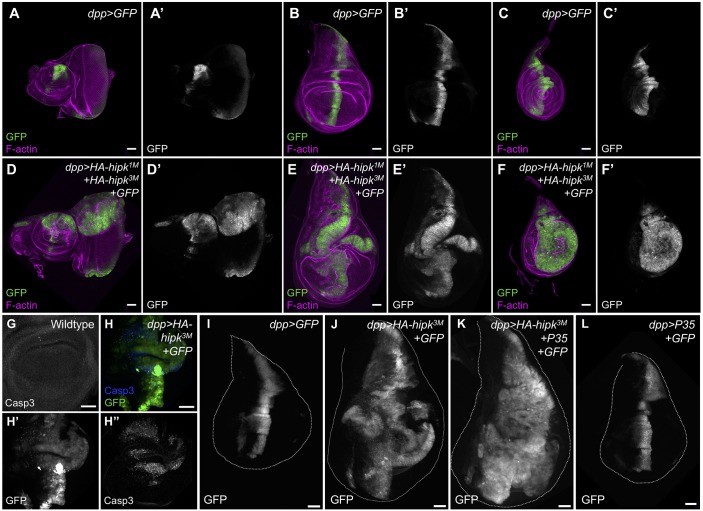
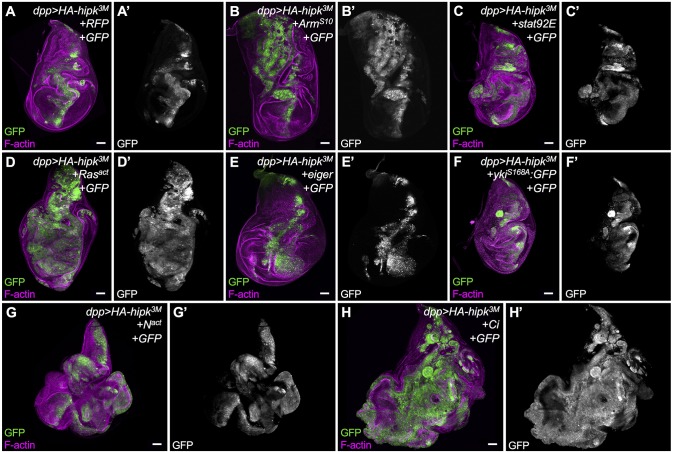
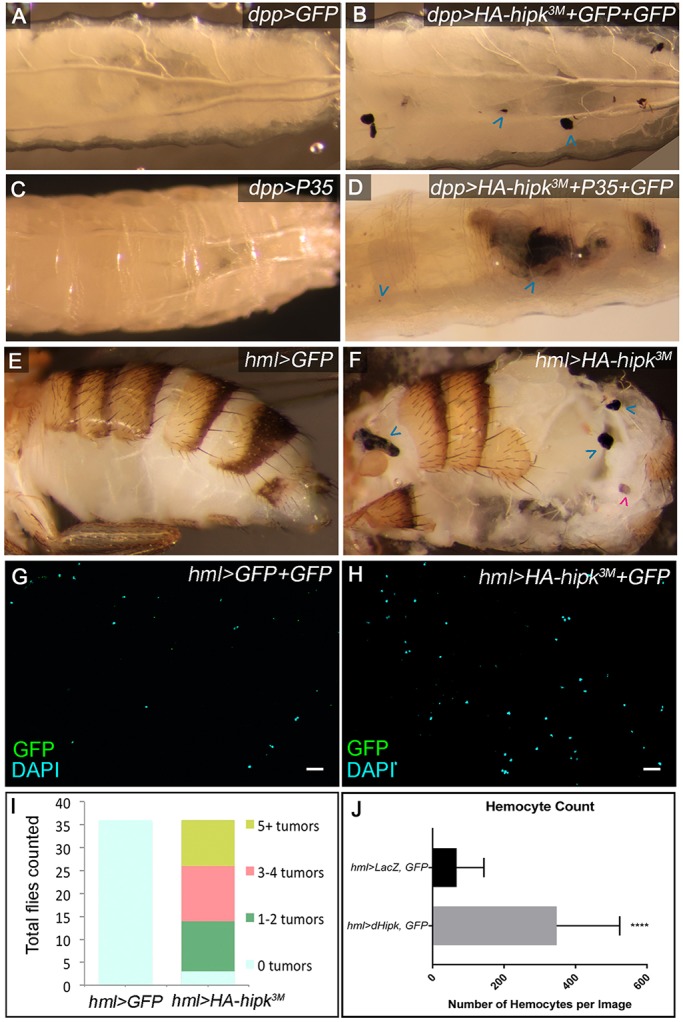
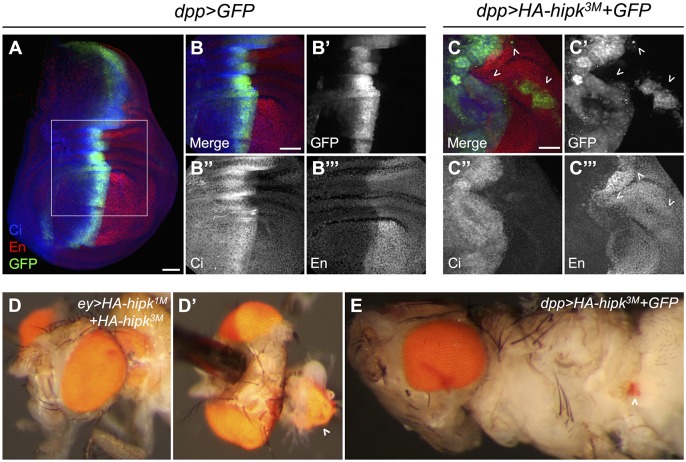
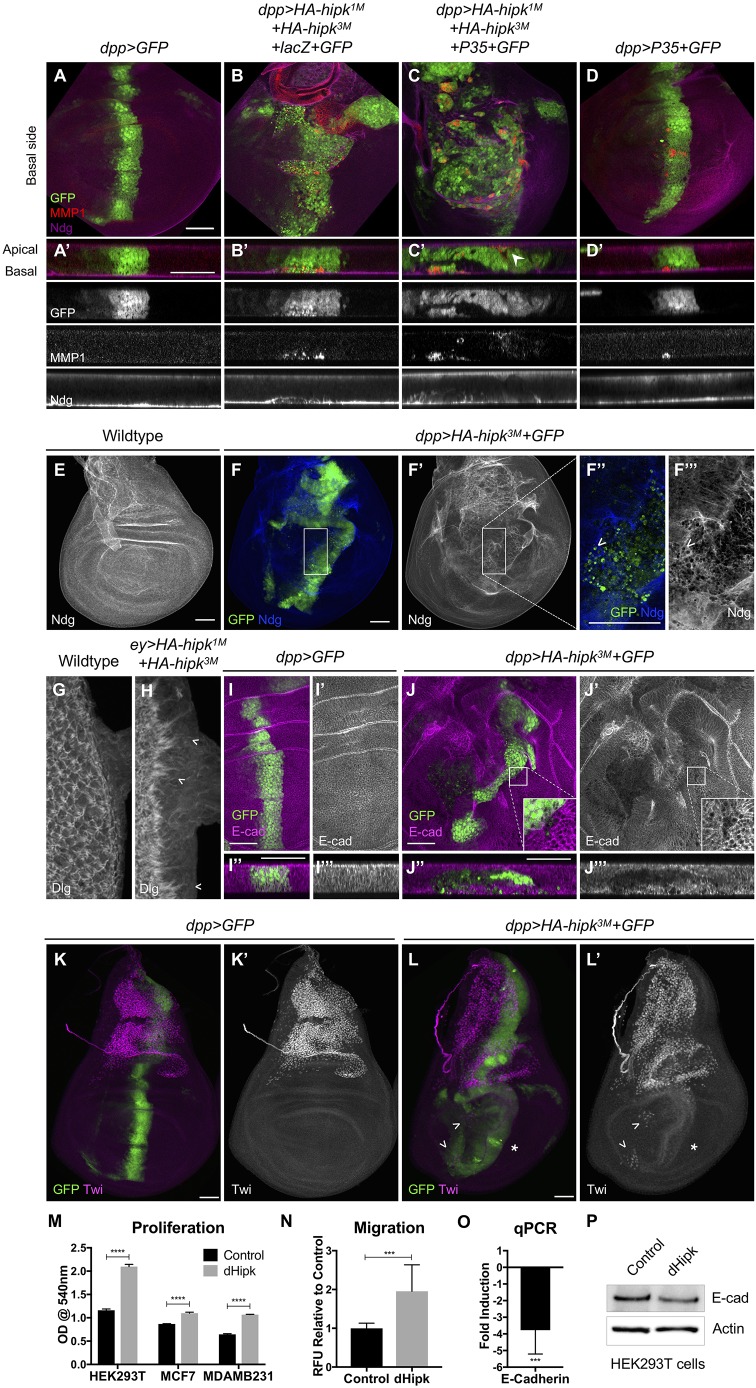
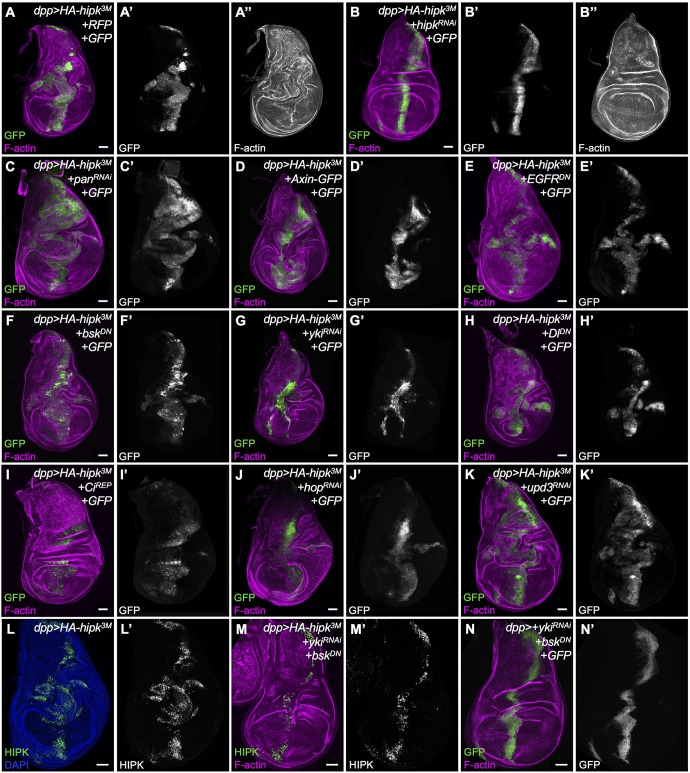
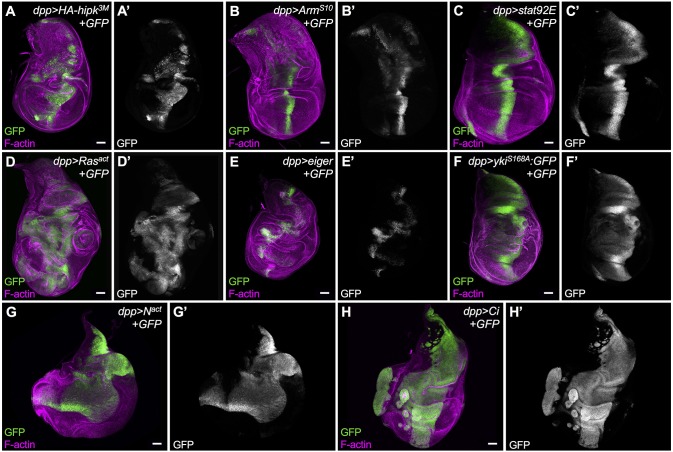
Aberrations in signaling pathways that regulate tissue growth often lead to tumorigenesis. Homeodomain-interacting protein kinase (Hipk) family members are reported to have distinct and contradictory effects on cell proliferation and tissue growth. From these studies, it is clear that much remains to be learned about the roles of Hipk family protein kinases in proliferation and cell behavior. Previous work has shown that Hipk is a potent growth regulator, thus we predicted that it could have a role in tumorigenesis. In our study of Hipk-induced phenotypes, we observed the formation of tumor-like structures in multiple cell types in larvae and adults. Furthermore, elevated Hipk in epithelial cells induces cell spreading, invasion and epithelial-to-mesenchymal transition (EMT) in the imaginal disc. Further evidence comes from cell culture studies, in which we expressed Hipk in human breast cancer cells and showed that it enhances proliferation and migration. Past studies have shown that Hipk can promote the action of conserved pathways implicated in cancer and EMT, such as Wnt/Wingless, Hippo, Notch and JNK. We show that Hipk phenotypes are not likely to arise from activation of a single target, but rather through a cumulative effect on numerous target pathways. Most tumor models involve mutations in multiple genes, such as the well-known Ras model, in which EMT and invasiveness occur after the additional loss of the tumor suppressor gene Our study reveals that elevated levels of Hipk on their own can promote both hyperproliferation and invasive cell behavior, suggesting that Hipk family members could be potent oncogenes and drivers of EMT.
信号通路中的调节组织生长的信号异常通常会导致肿瘤发生。据报道,同源域相互作用蛋白激酶(Hipk)家族成员对细胞增殖和组织生长有独特而矛盾的影响。从这些研究中可以清楚地看出,关于 Hipk 家族蛋白激酶在增殖和细胞行为中的作用,还有很多需要了解。以前的工作表明 Hipk 是一种有效的生长调节剂,因此我们预测它可能在肿瘤发生中起作用。在我们对 Hipk 诱导的表型的研究中,我们观察到幼虫和成虫中多种细胞类型形成肿瘤样结构。此外,上皮细胞中 Hipk 的升高诱导细胞扩散、侵袭和上皮-间充质转化(EMT)。进一步的证据来自细胞培养研究,我们在人乳腺癌细胞中表达了 Hipk,并表明它增强了增殖和迁移。过去的研究表明,Hipk 可以促进癌症和 EMT 中涉及的保守途径的作用,如 Wnt/Wingless、Hippo、Notch 和 JNK。我们表明 Hipk 表型不太可能是由单个靶标的激活引起的,而是通过对众多靶标途径的累积效应。大多数肿瘤模型涉及多个基因的突变,例如众所周知的 Ras 模型,其中 EMT 和侵袭性在肿瘤抑制基因的额外丢失后发生。我们的研究表明,Hipk 水平的升高本身就可以促进过度增殖和侵袭性细胞行为,这表明 Hipk 家族成员可能是有效的致癌基因和 EMT 的驱动因素。