Agarwal Jai Prakash, Chakraborty Santam, Laskar Sarbani Ghosh, Mummudi Naveen, Patil Vijay M, Prabhash Kumar, Noronha Vanita, Purandare Nilendu, Joshi Amit, Tandon Sandeep, Arora Jitendra, Badhe Rupali
Department of Radiation Oncology, Tata Memorial Hospital, Parel, Mumbai 400012, India.
Department of Medical Oncology, Tata Memorial Hospital, Parel, Mumbai 400012, India.
Ecancermedicalscience. 2017 Nov 10;11:779. doi: 10.3332/ecancer.2017.779. eCollection 2017.
Our aim was to investigate the added prognostic value of a patient-reported functional outcome score over Karnofsky Performance Status (KPS) in patients with non-small-cell lung cancers (NSCLC) with brain metastases.
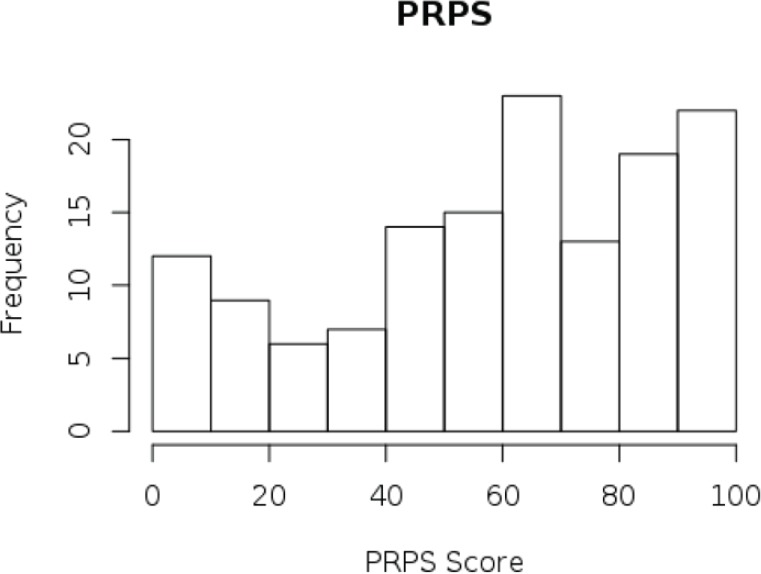
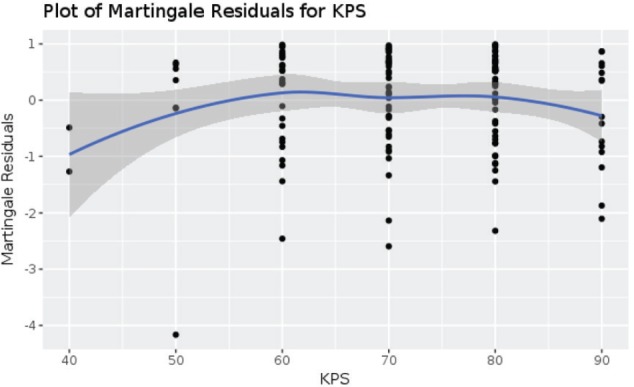
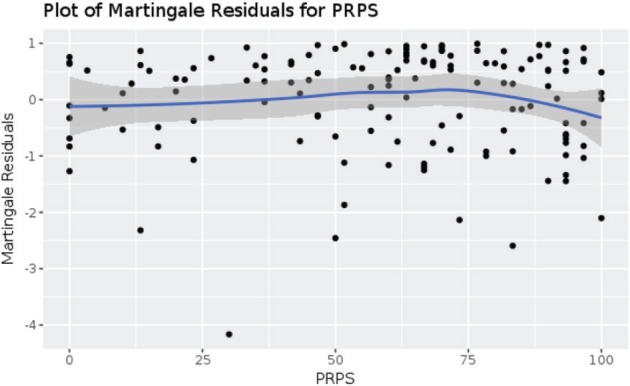
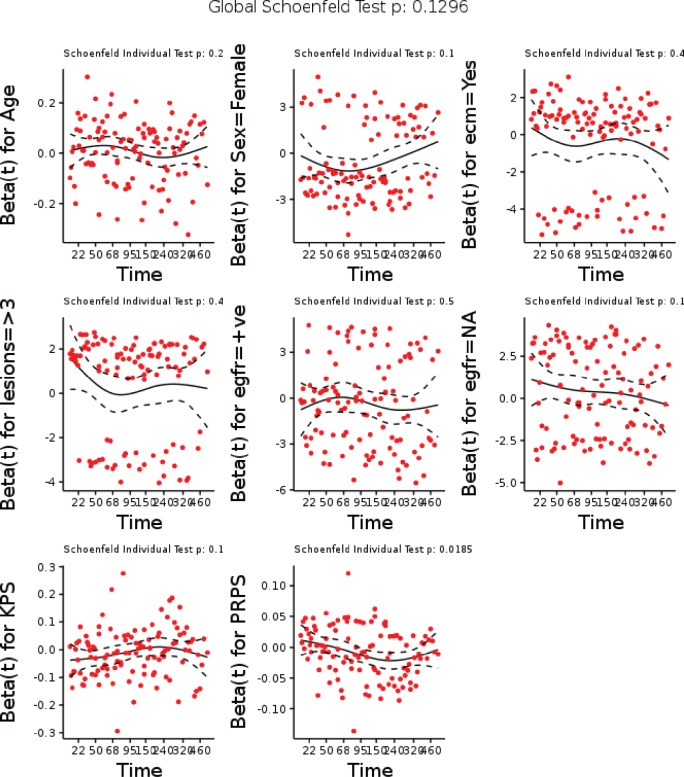
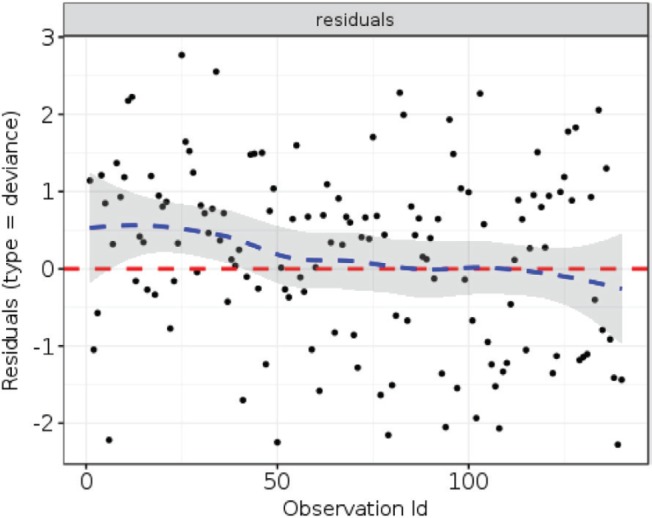
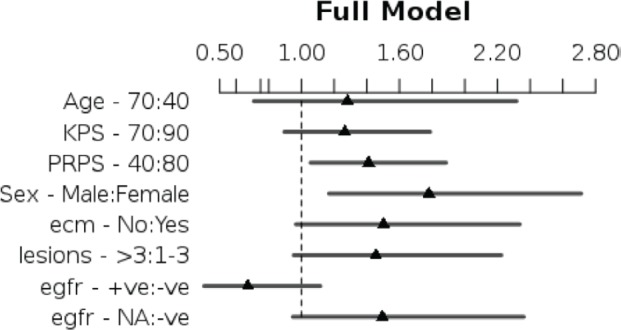
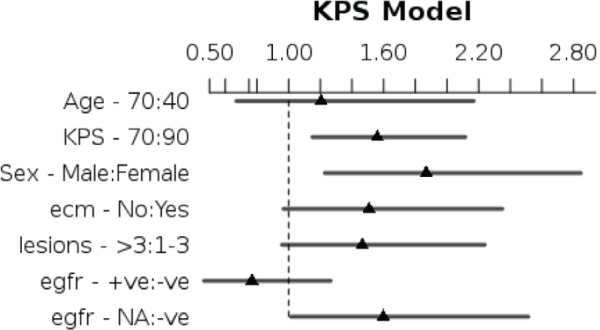
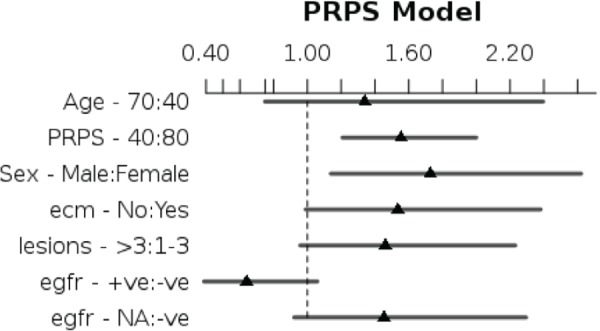
The baseline data are from a prospective cohort study involving 140 consecutive patients presenting at our institute. A patient reported performance status (PRPS) was obtained by summing the physical- and role-functioning scale scores of the EORTC QLQ C30 questionnaire. Nested cox proportional hazards models predicting survival were developed including both KPS and PRPS (full model), KPS only (KPS Model), and PRPS only (PRPS model). The incremental value of the addition of KPS or PRPS was ascertained using the likelihood ratio test, model adequacy index and integrated discrimination Improvement (IDI).
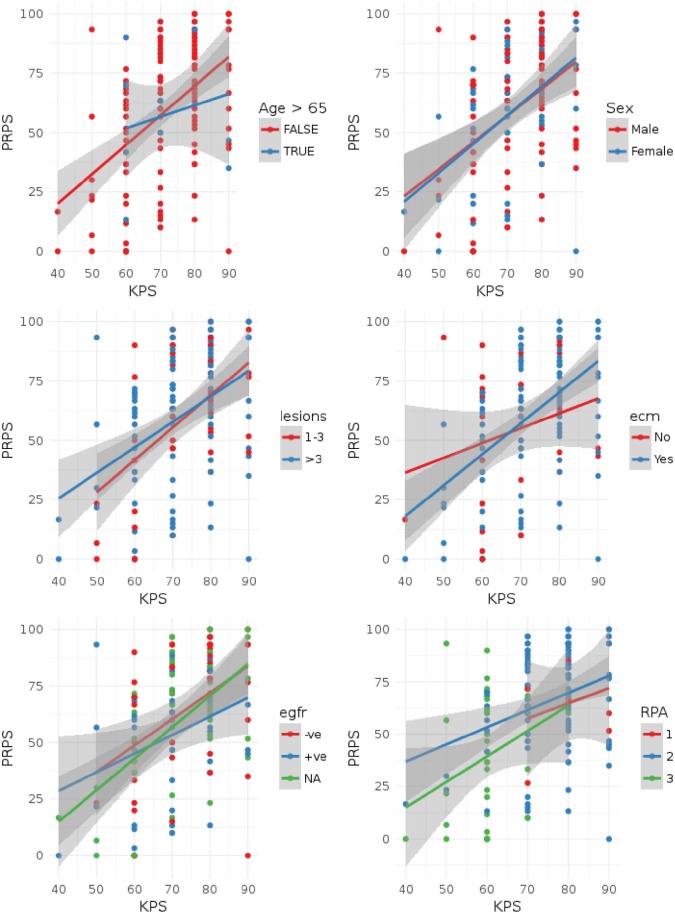
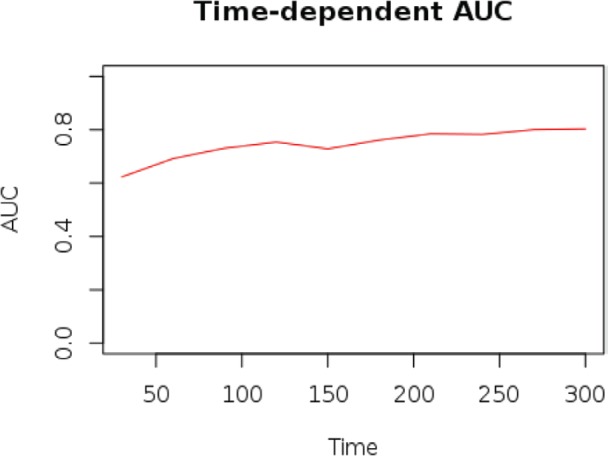
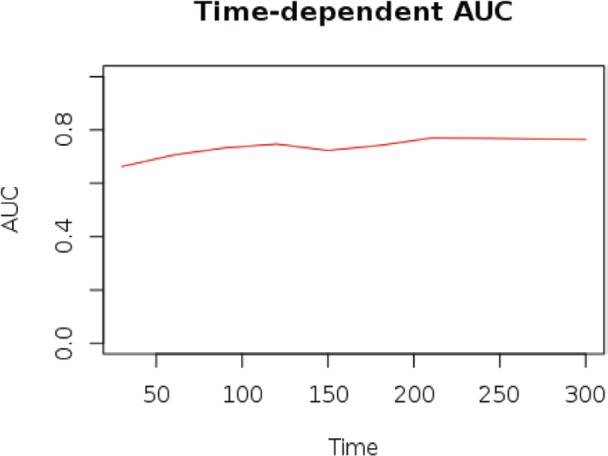
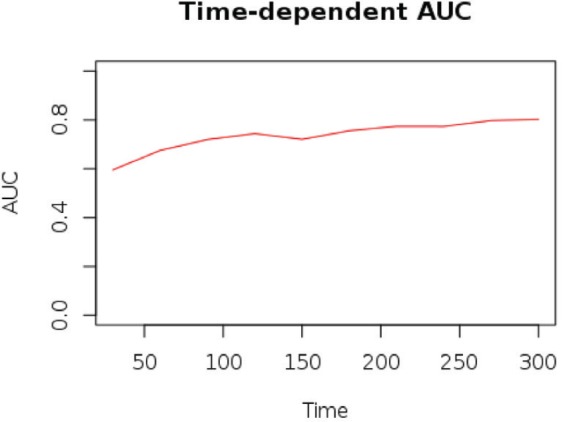
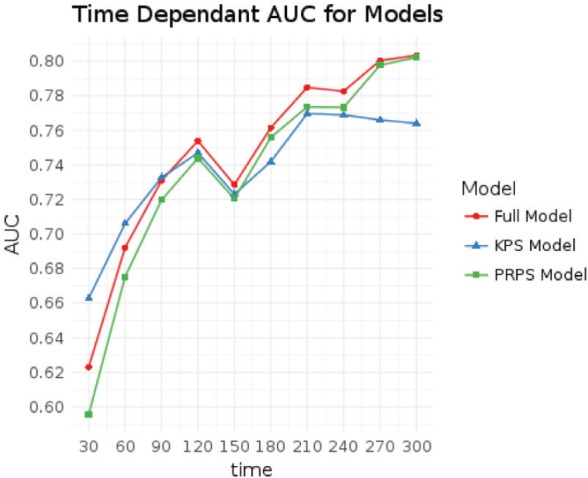
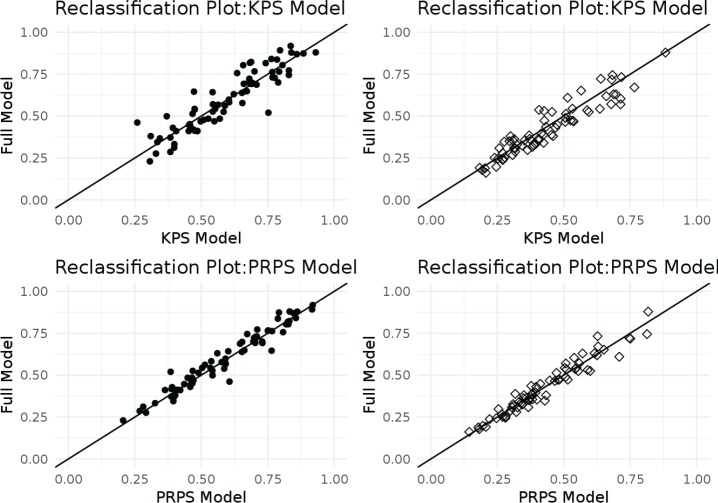
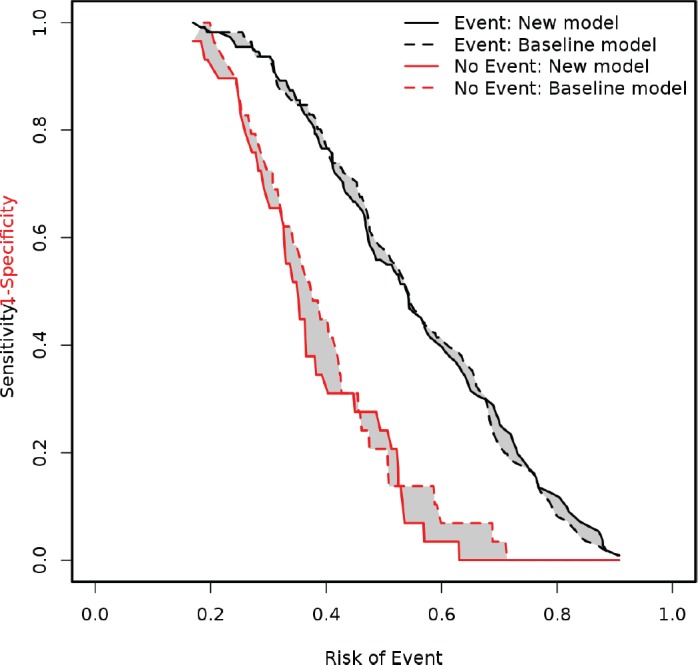
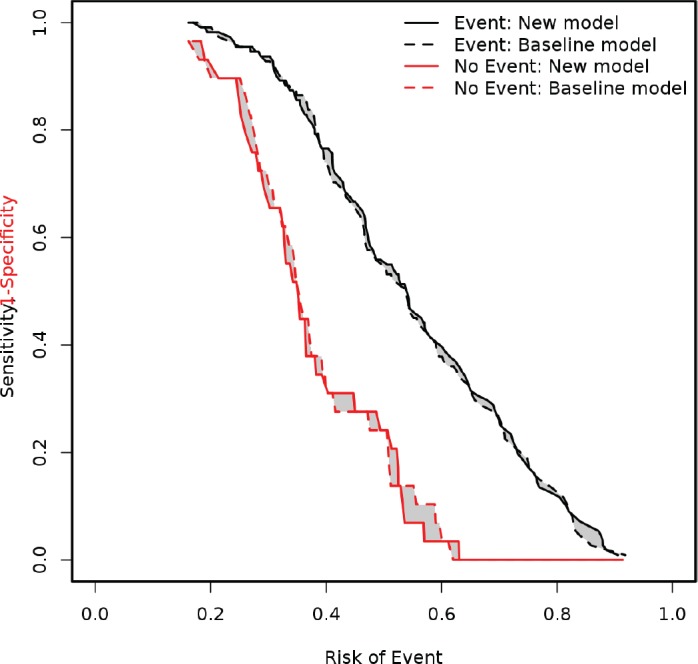
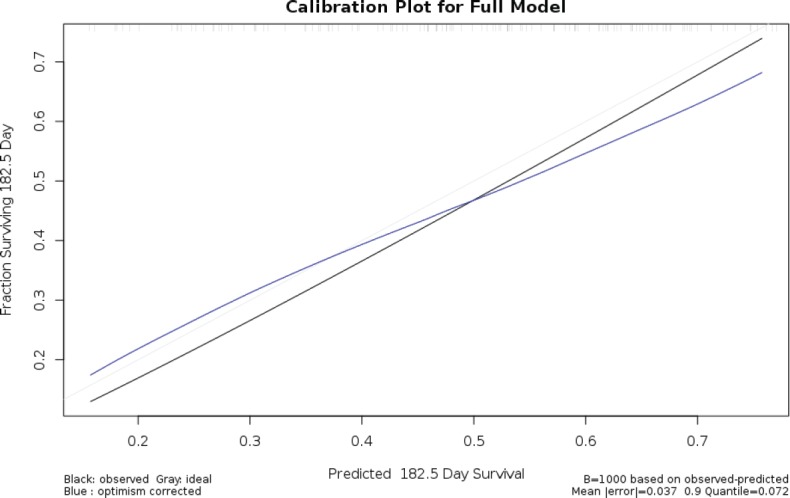
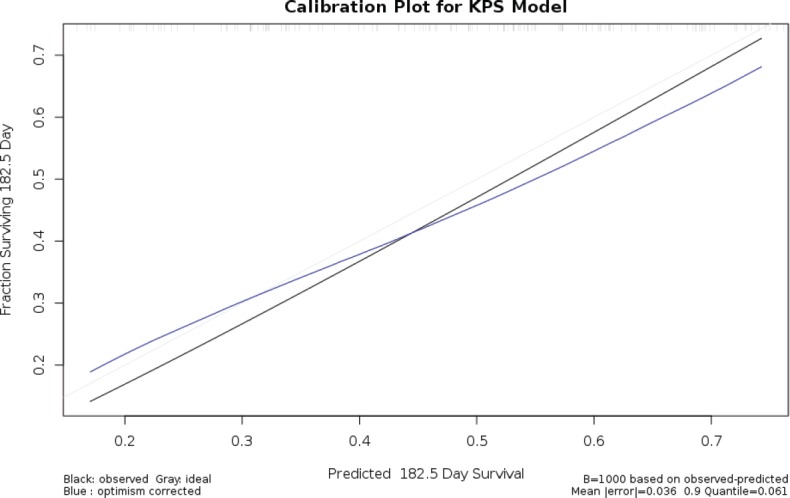
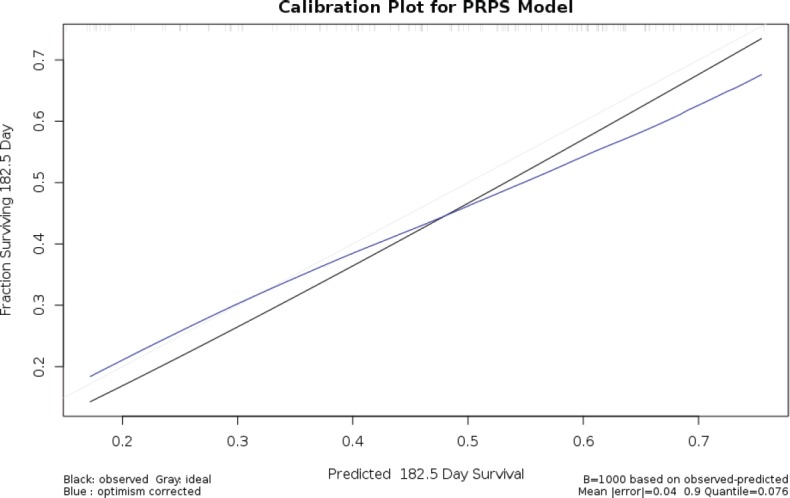
PRPS was an independent and statistically significant prognostic factor and had only a moderate degree of agreement with KPS. All models showed nearly the same discrimination and calibration accuracy, but the likelihood ratio test comparing the full model to the KPS model was significant (L.R. Chi = 5.34, = 0.02). Model adequacy index for the KPS model was 85% versus 95% for the PRPS model. IDI when comparing the KPS model to the full model was 0.0279, while it was 0.008 for the PRPS model versus the Full model.
Use of patient-reported functional outcomes like PRPS can provide the same prognostic information as KPS in patients of NSCLC with brain metastases.
Patient-reported functional status (PRPS) has a moderate degree of agreement with KPS.PRPS is an independent and significant predictor of survival in brain metastases.PRPS can replace KPS without loss of prognostic information.
我们的目的是研究在伴有脑转移的非小细胞肺癌(NSCLC)患者中,患者报告的功能结局评分相对于卡诺夫斯基功能状态(KPS)的额外预后价值。
基线数据来自一项前瞻性队列研究,该研究纳入了我院连续收治的140例患者。通过将欧洲癌症研究与治疗组织(EORTC)QLQ C30问卷的身体功能和角色功能量表得分相加,得出患者报告的功能状态(PRPS)。构建了预测生存的嵌套Cox比例风险模型,包括KPS和PRPS(完整模型)、仅KPS(KPS模型)以及仅PRPS(PRPS模型)。使用似然比检验、模型拟合优度指数和综合判别改善(IDI)来确定添加KPS或PRPS的增量价值。
PRPS是一个独立且具有统计学意义的预后因素,与KPS的一致性仅为中等程度。所有模型显示出几乎相同的判别和校准准确性,但将完整模型与KPS模型进行比较的似然比检验具有显著性(L.R. Chi = 5.34,P = 0.02)。KPS模型的模型拟合优度指数为85%,而PRPS模型为95%。将KPS模型与完整模型比较时的IDI为0.0279,而将PRPS模型与完整模型比较时的IDI为0.008。
在伴有脑转移的NSCLC患者中,使用患者报告的功能结局如PRPS可提供与KPS相同的预后信息。
患者报告的功能状态(PRPS)与KPS的一致性为中等程度。PRPS是脑转移患者生存的独立且显著的预测因素。PRPS可替代KPS且不损失预后信息。