Translational Tumor Immunology Program, The Wistar Institute, Philadelphia, PA, 19104, USA.
Department of Environmental and Occupational Health, University of Pittsburgh, Pittsburgh, PA, 15219, USA.
Nat Commun. 2017 Dec 14;8(1):2122. doi: 10.1038/s41467-017-02186-9.
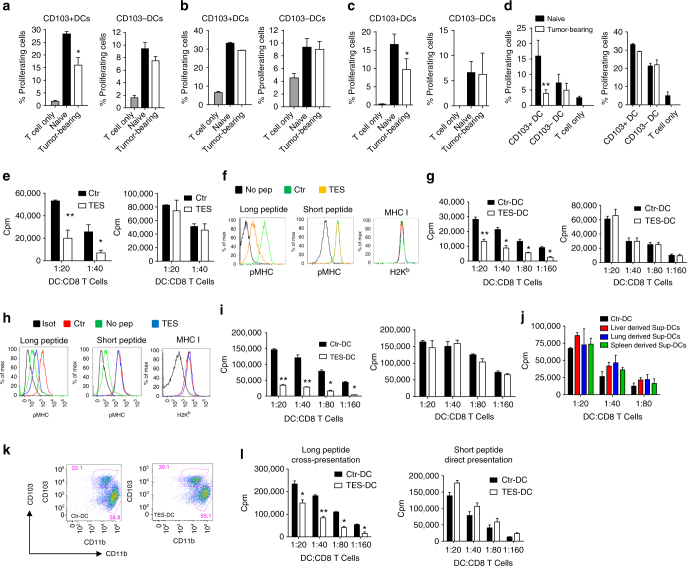
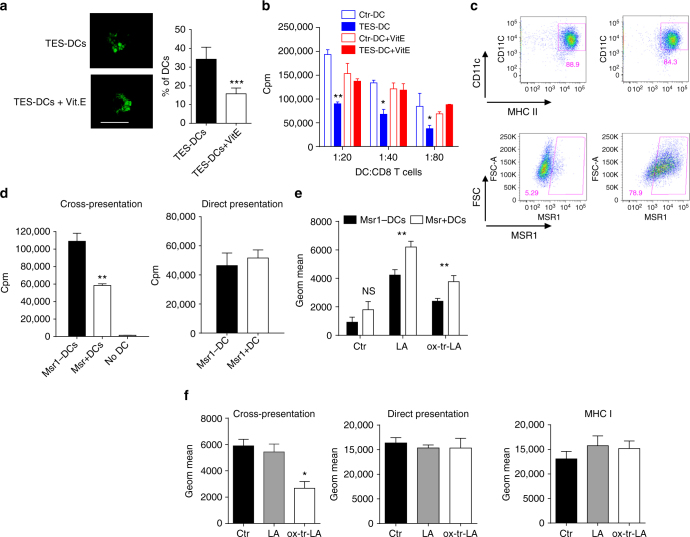
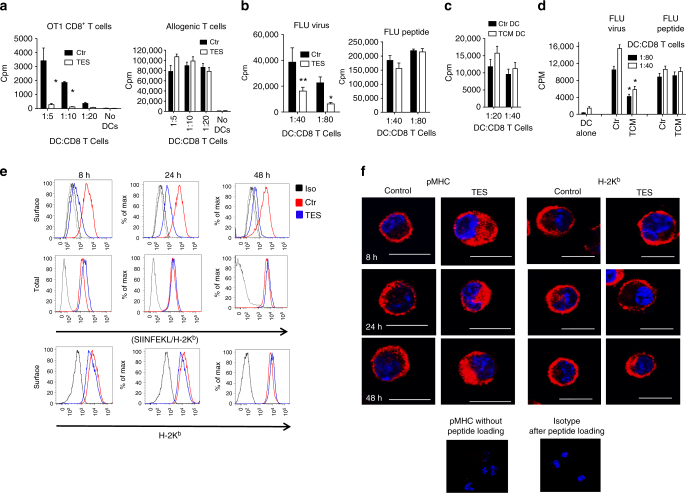
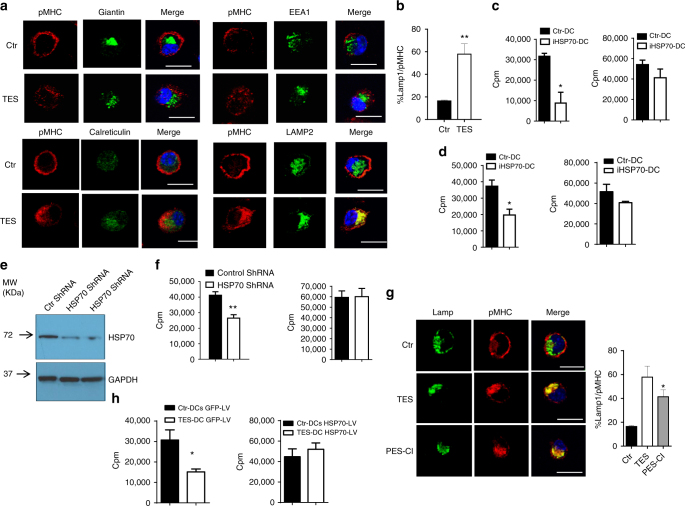
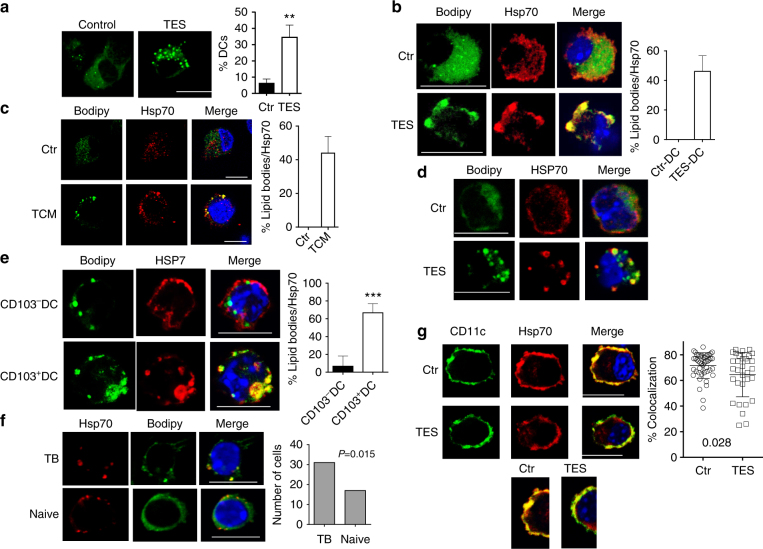
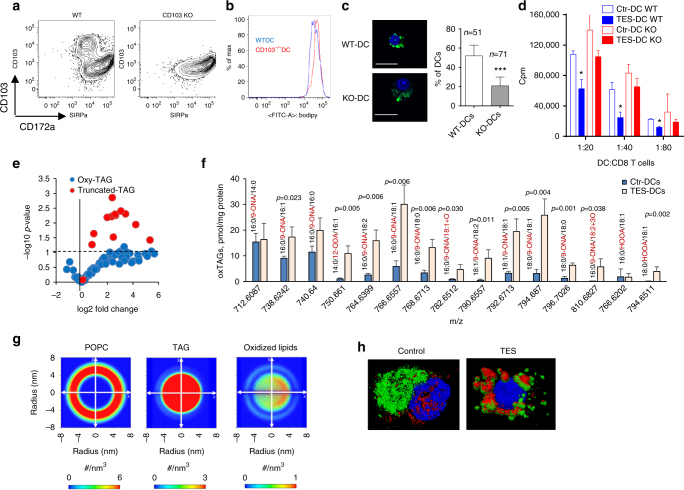
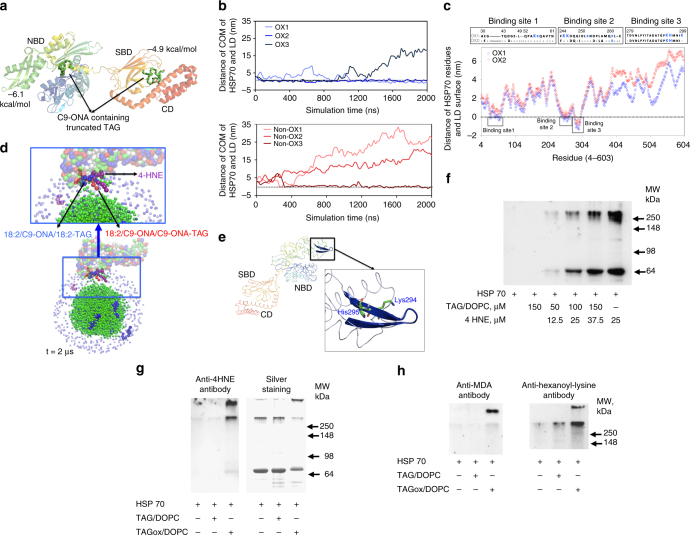
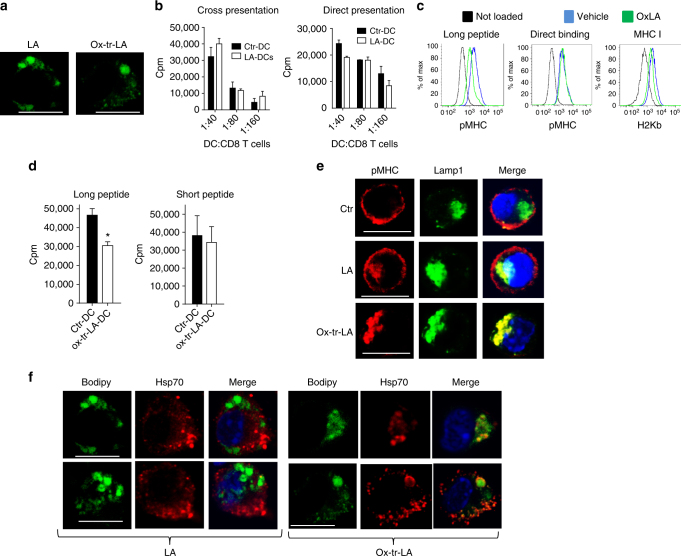
Cross-presentation is a critical function of dendritic cells (DCs) required for induction of antitumor immune responses and success of cancer immunotherapy. It is established that tumor-associated DCs are defective in their ability to cross-present antigens. However, the mechanisms driving these defects are still unknown. We find that impaired cross-presentation in DCs is largely associated with defect in trafficking of peptide-MHC class I (pMHC) complexes to the cell surface. DCs in tumor-bearing hosts accumulate lipid bodies (LB) containing electrophilic oxidatively truncated (ox-tr) lipids. These ox-tr-LB, but not LB present in control DCs, covalently bind to chaperone heat shock protein 70. This interaction prevents the translocation of pMHC to cell surface by causing the accumulation of pMHC inside late endosomes/lysosomes. As a result, tumor-associated DCs are no longer able to stimulate adequate CD8 T cells responses. In conclusion, this study demonstrates a mechanism regulating cross-presentation in cancer and suggests potential therapeutic avenues.
交叉呈递是树突状细胞(DCs)的一项关键功能,对于诱导抗肿瘤免疫反应和癌症免疫治疗的成功至关重要。已经确定,肿瘤相关的 DCs 在交叉呈递抗原的能力上存在缺陷。然而,驱动这些缺陷的机制尚不清楚。我们发现,DC 中交叉呈递的受损在很大程度上与肽-MHC 类 I(pMHC)复合物向细胞表面转运的缺陷有关。肿瘤宿主中的 DC 会积累含有亲电氧化截断(ox-tr)脂质的脂滴(LB)。这些 ox-tr-LB,但不是对照 DC 中的 LB,会与伴侣热休克蛋白 70 共价结合。这种相互作用通过导致 pMHC 在晚期内体/溶酶体中积累,从而阻止 pMHC 向细胞表面的易位。结果,肿瘤相关的 DC 不再能够刺激足够的 CD8 T 细胞反应。总之,这项研究证明了一种调节癌症中交叉呈递的机制,并为潜在的治疗途径提供了思路。