Vongsvivut Jitraporn, Truong Vi Khanh, Al Kobaisi Mohammad, Maclaughlin Shane, Tobin Mark J, Crawford Russell J, Ivanova Elena P
Infrared Microspectroscopy (IRM) Beamline, Australian Synchrotron, Clayton, Victoria, Australia.
School of Science, Faculty of Science, Engineering and Technology, Swinburne University of Technology, Hawthorn, Victoria, Australia.
PLoS One. 2017 Dec 18;12(12):e0188345. doi: 10.1371/journal.pone.0188345. eCollection 2017.
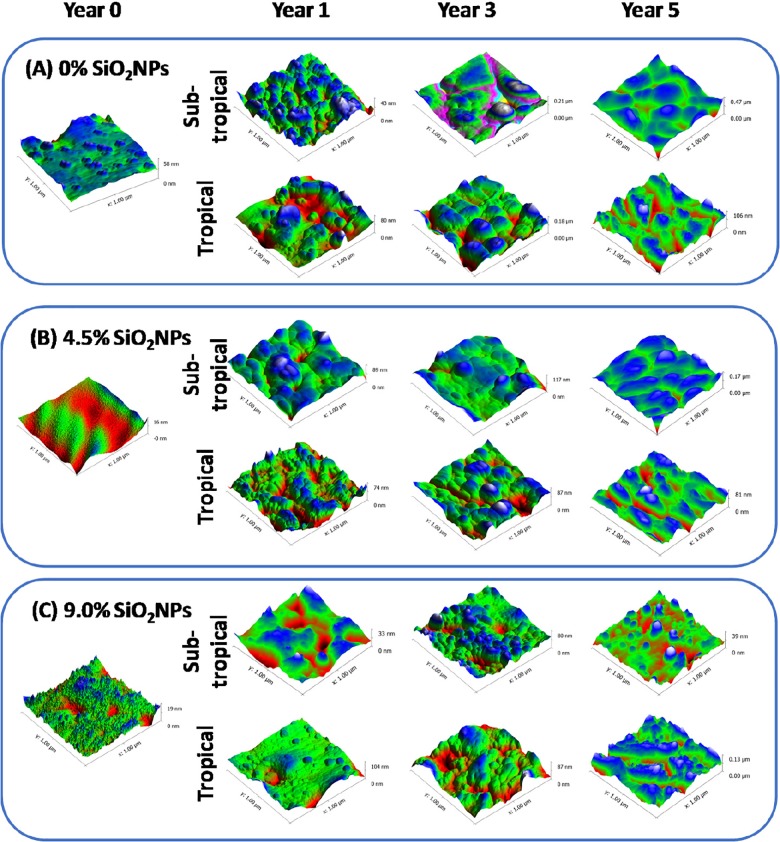
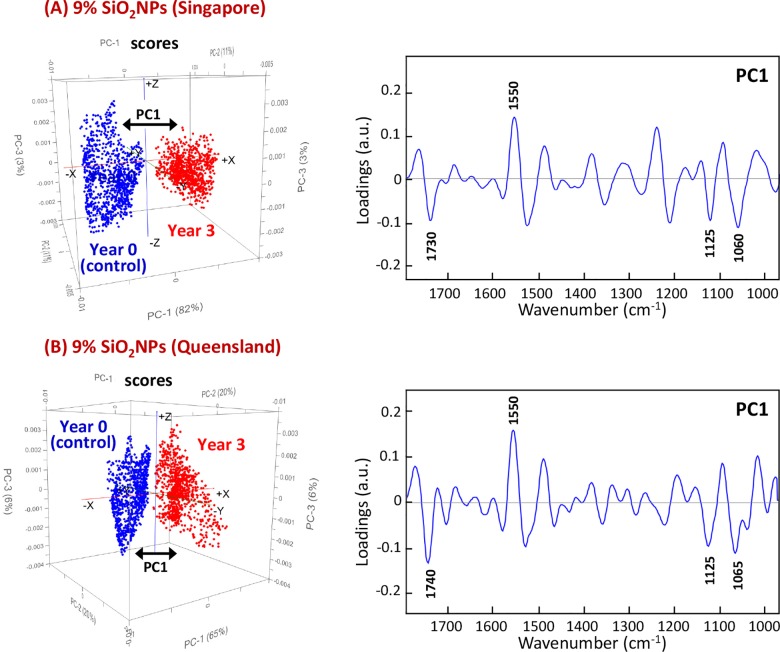
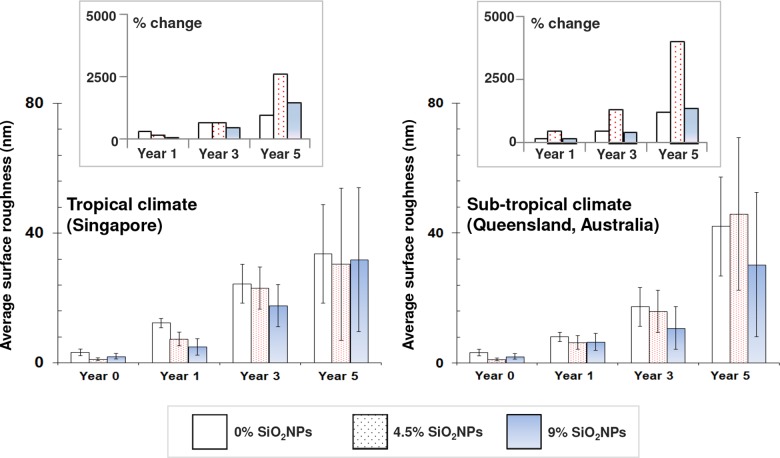
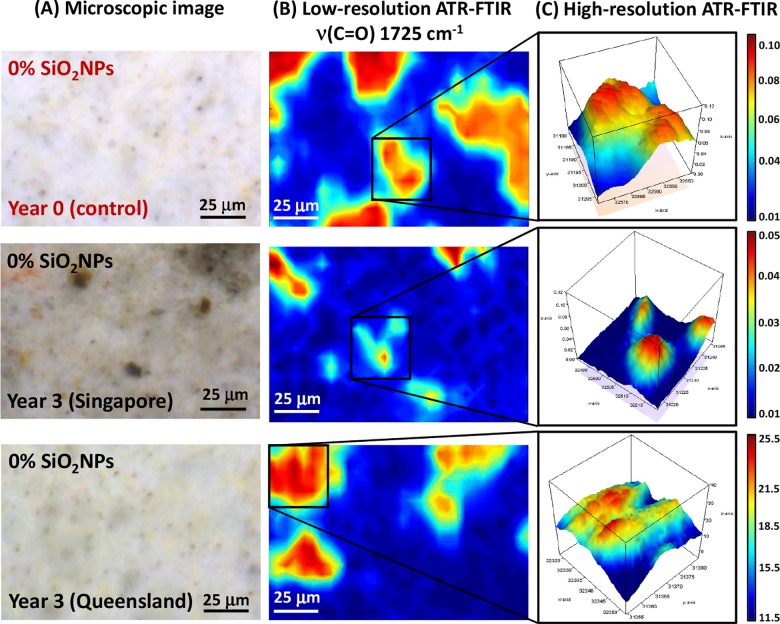
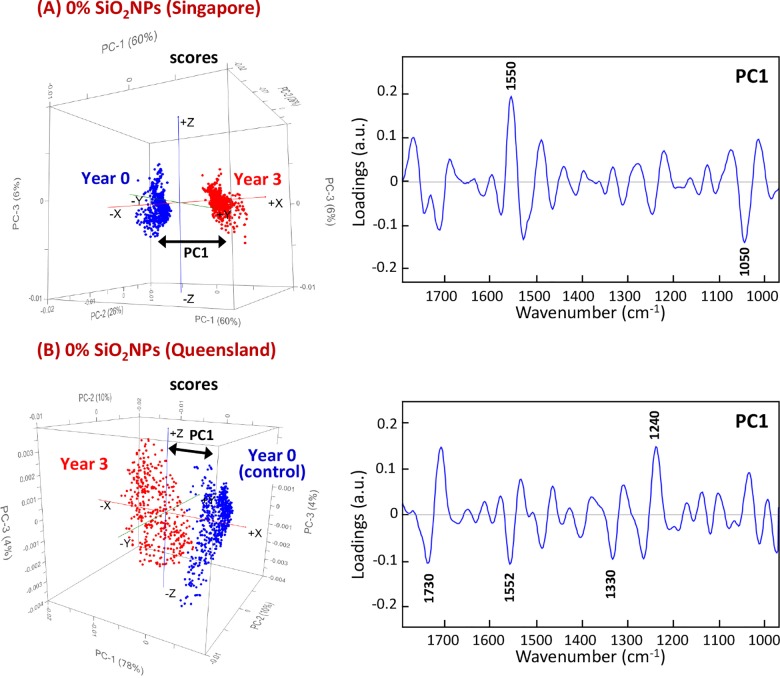
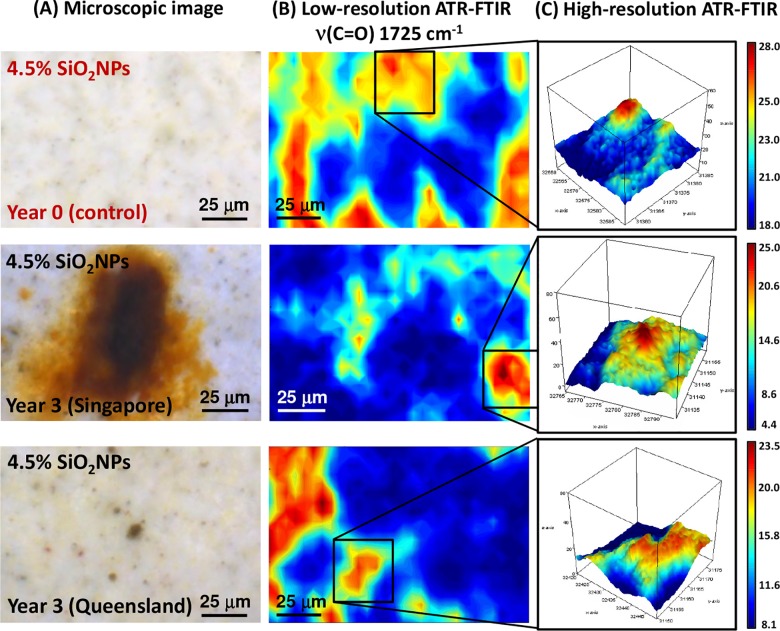
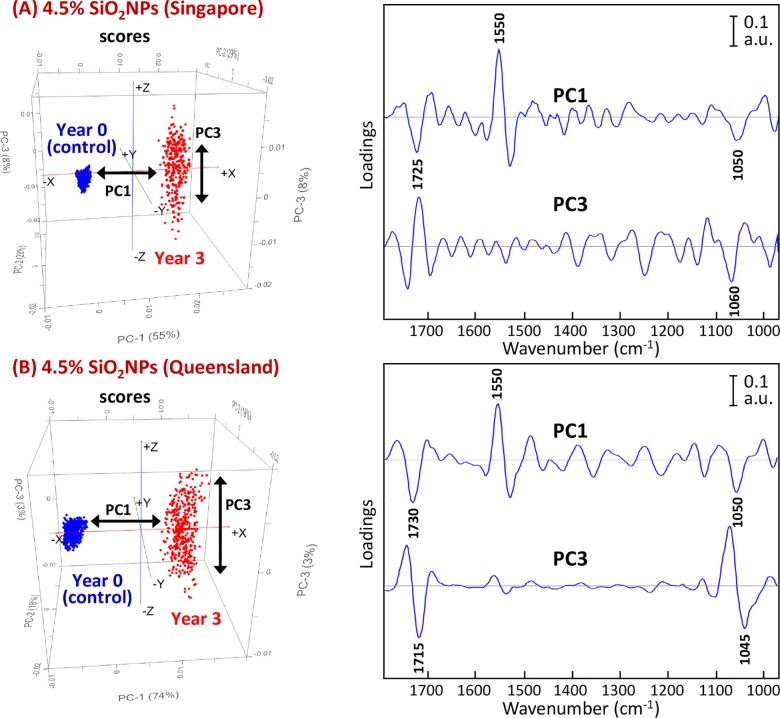
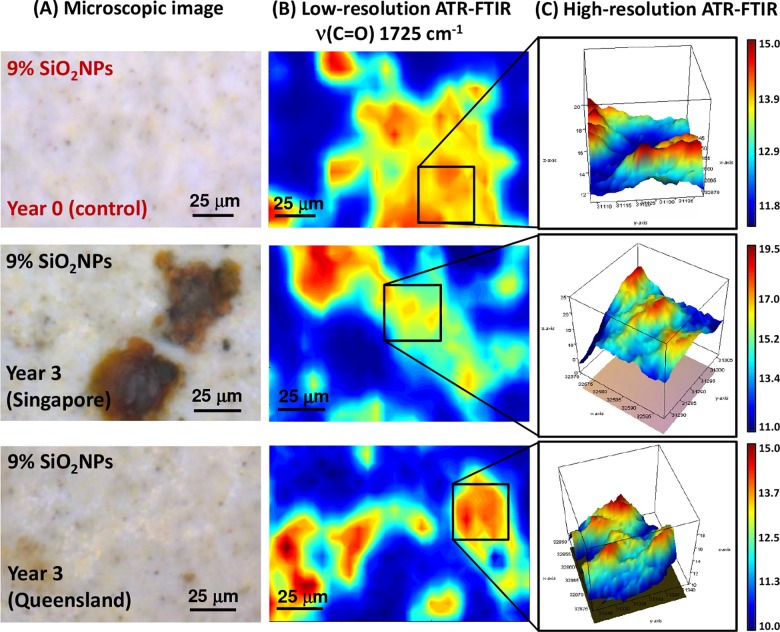
Surface modification of polymers and paints is a popular and effective way to enhance the properties of these materials. This can be achieved by introducing a thin coating that preserves the bulk properties of the material, while protecting it from environmental exposure. Suitable materials for such coating technologies are inorganic oxides, such as alumina, titania and silica; however, the fate of these materials during long-term environmental exposure is an open question. In this study, polymer coatings that had been enhanced with the addition of silica nanoparticles (SiO2NPs) and subsequently subjected to environmental exposure, were characterized both before and after the exposure to determine any structural changes resulting from the exposure. High-resolution synchrotron macro ATR-FTIR microspectroscopy and surface topographic techniques, including optical profilometry and atomic force microscopy (AFM), were used to determine the long-term effect of the environment on these dual protection layers after 3 years of exposure to tropical and sub-tropical climates in Singapore and Queensland (Australia). Principal component analysis (PCA) based on the synchrotron macro ATR-FTIR spectral data revealed that, for the 9% (w/w) SiO2NP/polymer coating, a clear discrimination was observed between the control group (no environmental exposure) and those samples subjected to three years of environmental exposure in both Singapore and Queensland. The PCA loading plots indicated that, over the three year exposure period, a major change occurred in the triazine ring vibration in the melamine resins. This can be attributed to the triazine ring being very sensitive to hydrolysis under the high humidity conditions in tropical/sub-tropical environments. This work provides the first direct molecular evidence, acquired using a high-resolution mapping technique, of the climate-induced chemical evolution of a polyester coating. The observed changes in the surface topography of the coating are consistent with the changes in chemical composition.
聚合物和涂料的表面改性是增强这些材料性能的一种常用且有效的方法。这可以通过引入一层薄涂层来实现,该涂层既能保留材料的整体性能,又能保护其免受环境影响。适用于此类涂层技术的材料有无机氧化物,如氧化铝、二氧化钛和二氧化硅;然而,这些材料在长期环境暴露中的命运仍是一个悬而未决的问题。在本研究中,添加了二氧化硅纳米颗粒(SiO₂ NPs)并随后进行环境暴露的聚合物涂层,在暴露前后均进行了表征,以确定暴露导致的任何结构变化。高分辨率同步加速器宏观衰减全反射傅里叶变换红外光谱(ATR-FTIR)显微技术和表面形貌技术,包括光学轮廓仪和原子力显微镜(AFM),用于确定在新加坡和昆士兰(澳大利亚)的热带和亚热带气候中暴露3年后,环境对这些双重保护层的长期影响。基于同步加速器宏观ATR-FTIR光谱数据的主成分分析(PCA)表明,对于9%(w/w)SiO₂ NP/聚合物涂层,在对照组(无环境暴露)与在新加坡和昆士兰均经受三年环境暴露的样品之间观察到了明显的差异。PCA载荷图表明,在三年的暴露期内,三聚氰胺树脂中的三嗪环振动发生了重大变化。这可归因于三嗪环在热带/亚热带环境的高湿度条件下对水解非常敏感。这项工作提供了首个使用高分辨率映射技术获得的直接分子证据,证明了聚酯涂层的气候诱导化学演化。观察到的涂层表面形貌变化与化学成分变化一致。