Dumont-Lagacé Maude, Gerbe Hervé, Daouda Tariq, Laverdure Jean-Philippe, Brochu Sylvie, Lemieux Sébastien, Gagnon Étienne, Perreault Claude
Institute for Research in Immunology and Cancer, Montreal, QC, Canada.
Department of Medicine, Université de Montréal, Montréal, QC, Canada.
Front Immunol. 2017 Dec 5;8:1717. doi: 10.3389/fimmu.2017.01717. eCollection 2017.
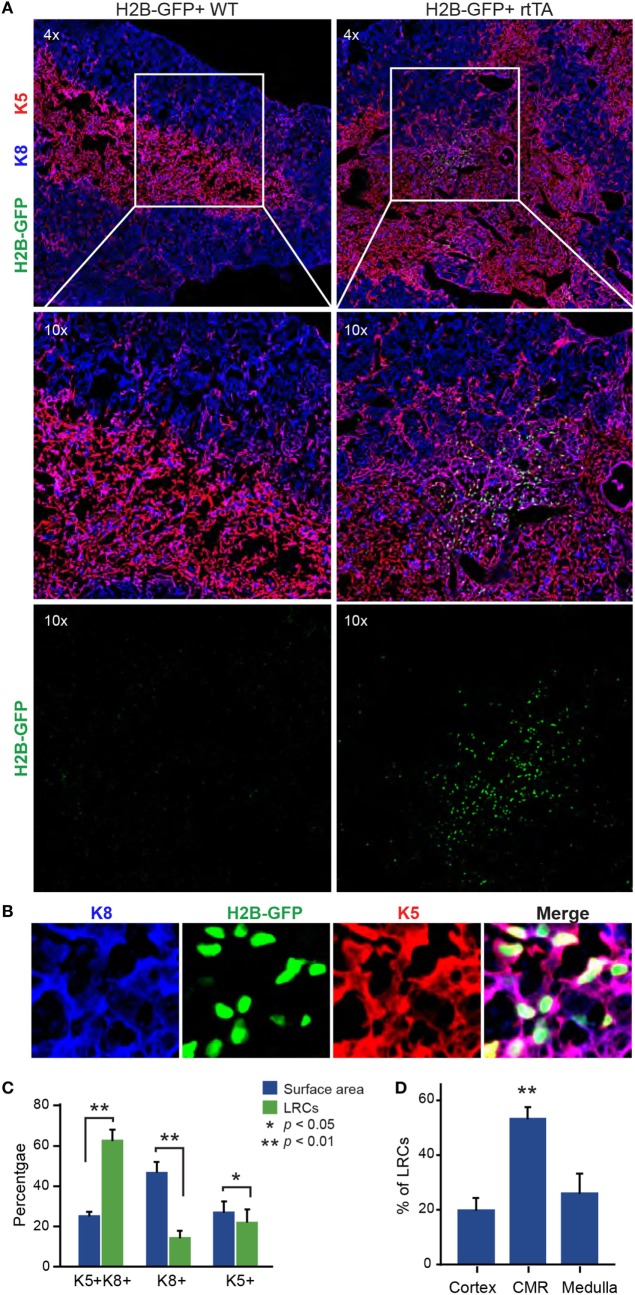
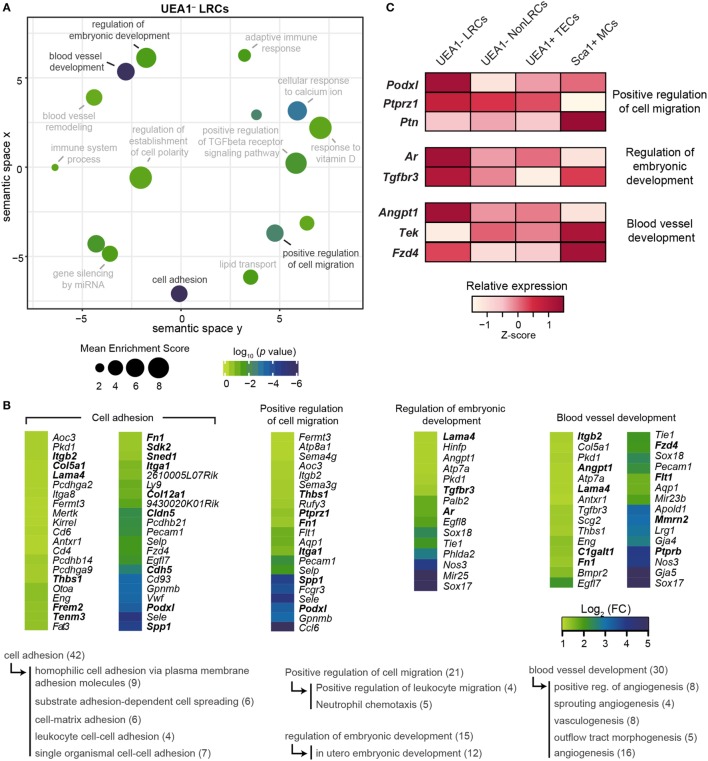
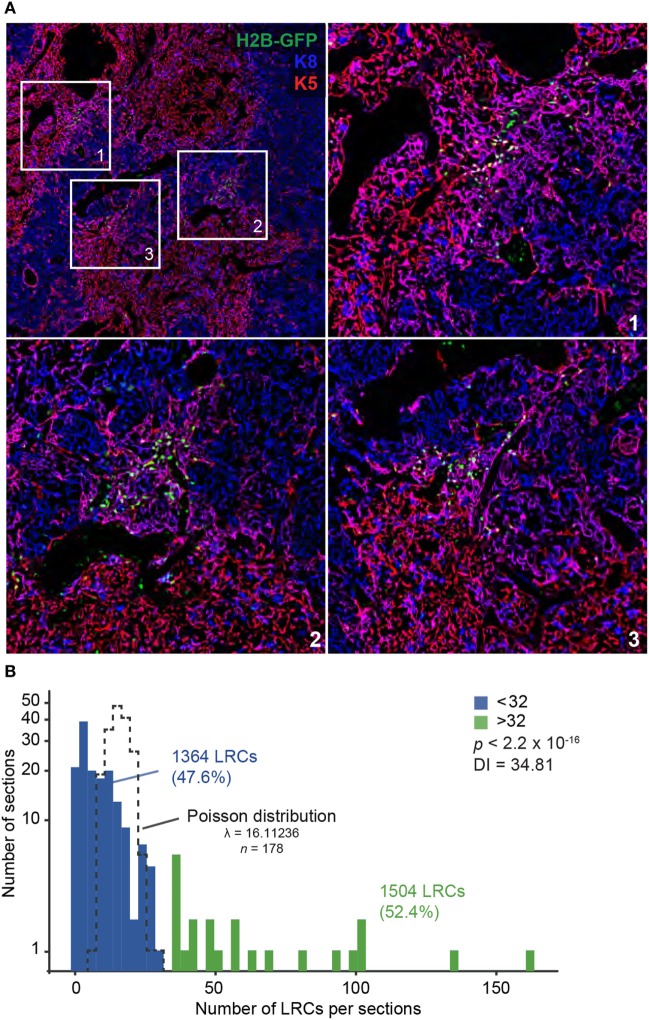
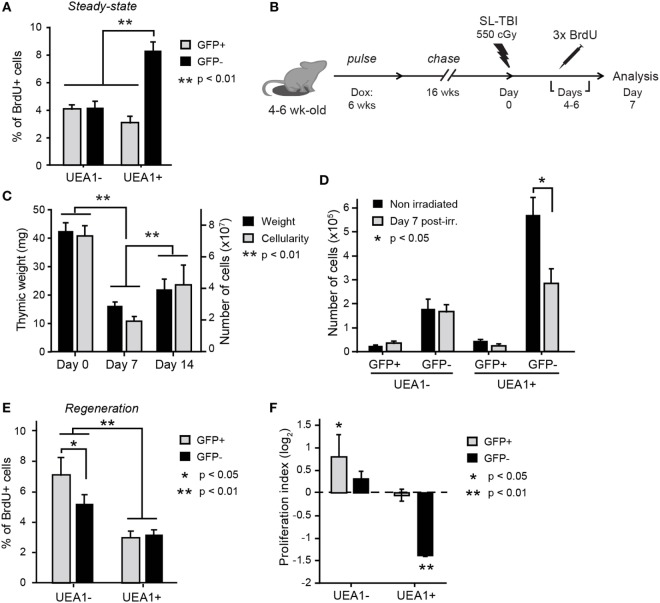
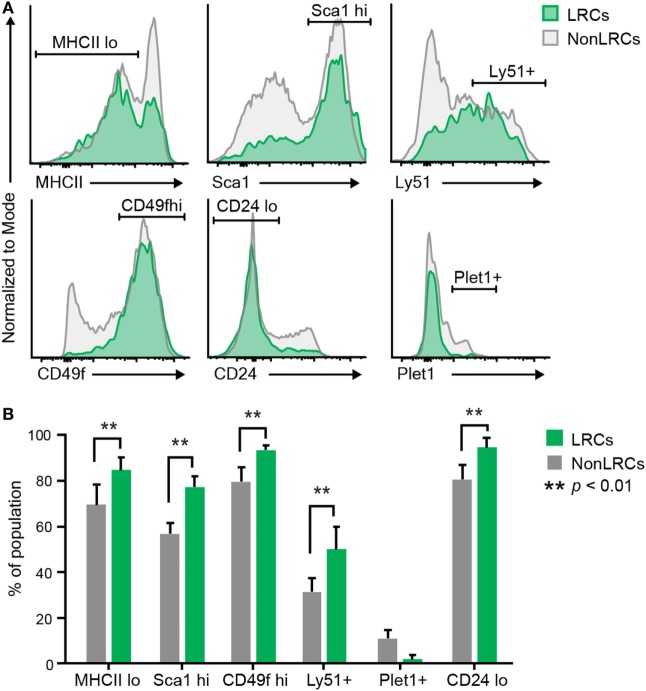
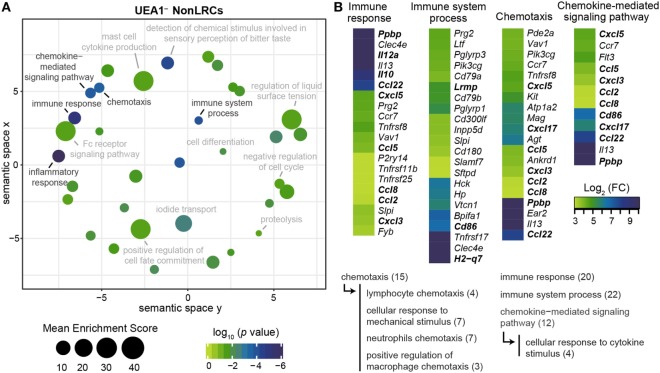
Thymic aging precedes that of other organs and is initiated by the gradual loss of thymic epithelial cells (TECs). Based on culture and transplantation assays, recent studies have reported on the presence of thymic epithelial progenitor cells (TEPCs) in young adult mice. However, the physiological role and properties of TEPC populations reported to date remain unclear. Using an label-retention assay, we previously identified a population of quiescent but non-senescent TECs. The goals of this study were therefore (i) to evaluate the contribution of these quiescent TECs to thymic regeneration following irradiation-induced acute thymic injury and (ii) to characterize their phenotypic and molecular profiles using flow cytometry, immunohistology, and transcriptome sequencing. We report that while UEA1 cells cycle the most in steady state, they are greatly affected by irradiation, leading to cell loss and proliferative arrest following acute thymic involution. On the opposite, the UEA1 subset of quiescent TECs is radioresistant and proliferate following acute thymic involution, thereby contributing to thymic regeneration in 28- to 30-week-old mice. UEA1 quiescent TECs display an undifferentiated phenotype (co-expression of K8 and K5 cytokeratins) and express high levels of genes that regulate stem cell activity in different tissues (e.g., and ). In addition, two features suggest that UEA1 quiescent TECs occupy discrete stromal niches: (i) their preferential location in clusters adjacent to the cortico-medullary junction and (ii) their high expression of genes involved in cross talk with mesenchymal cells. The ability of UEA1 quiescent TECs to participate to TEC regeneration qualifies them as progenitor cells particularly relevant in the context of regeneration following acute thymic injury.
胸腺衰老先于其他器官,其始于胸腺上皮细胞(TECs)的逐渐丧失。基于培养和移植实验,最近的研究报道了在年轻成年小鼠中存在胸腺上皮祖细胞(TEPCs)。然而,迄今为止报道的TEPC群体的生理作用和特性仍不清楚。我们之前使用标记保留实验鉴定出了一群静止但未衰老的TECs。因此,本研究的目标是:(i)评估这些静止TECs在辐射诱导的急性胸腺损伤后对胸腺再生的贡献;(ii)使用流式细胞术、免疫组织学和转录组测序来表征它们的表型和分子特征。我们报告称,虽然UEA1细胞在稳态下循环最多,但它们受到辐射的影响很大,在急性胸腺退化后导致细胞损失和增殖停滞。相反,静止TECs的UEA1亚群具有抗辐射能力,在急性胸腺退化后增殖,从而促进28至30周龄小鼠的胸腺再生。UEA1静止TECs表现出未分化的表型(K8和K5细胞角蛋白共表达),并表达高水平的调节不同组织中干细胞活性的基因(例如……)。此外,有两个特征表明UEA1静止TECs占据离散的基质生态位:(i)它们在皮质-髓质交界处附近的簇中的优先定位;(ii)它们与间充质细胞相互作用相关基因的高表达。UEA1静止TECs参与TEC再生的能力使其成为在急性胸腺损伤后再生背景下特别相关的祖细胞。