Steck T R, Close T J, Kado C I
Department of Plant Pathology, University of California, Davis 95616.
Proc Natl Acad Sci U S A. 1989 Apr;86(7):2133-7. doi: 10.1073/pnas.86.7.2133.
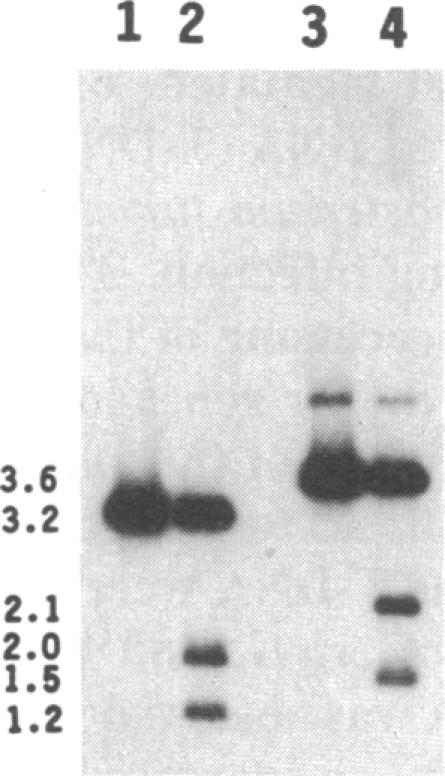
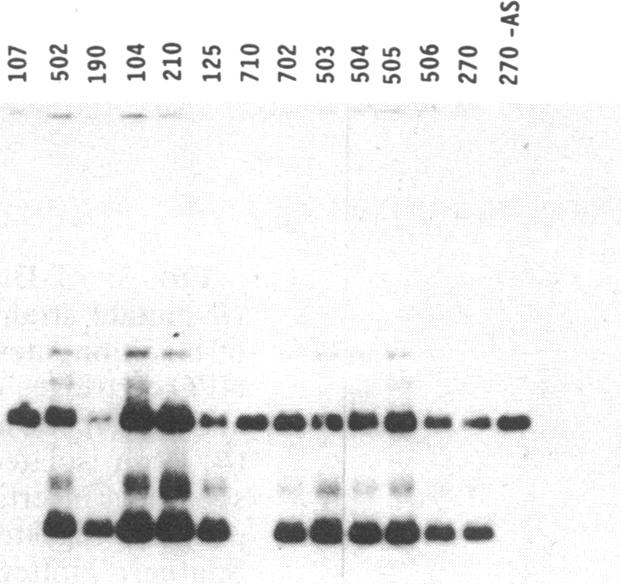
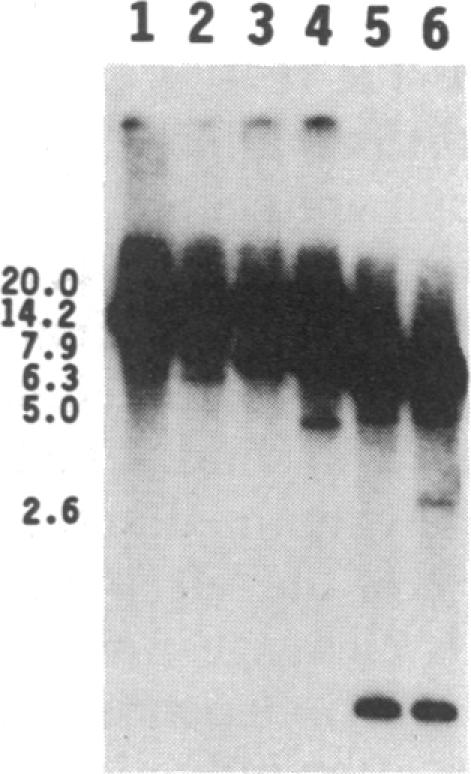
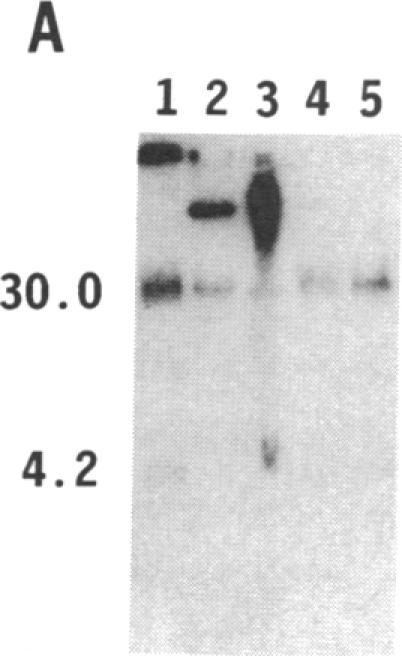
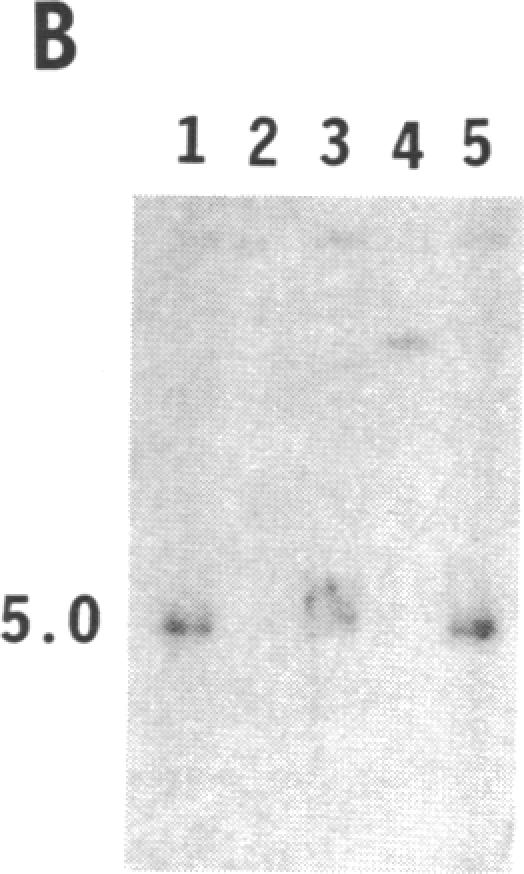
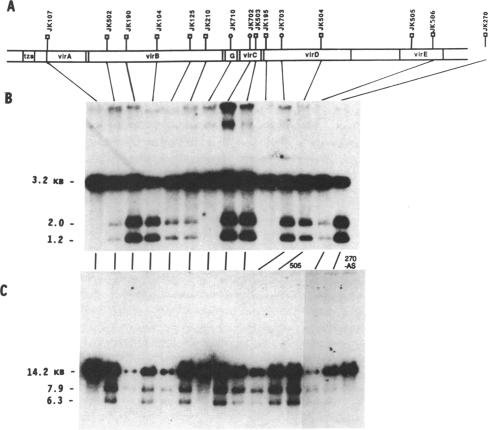
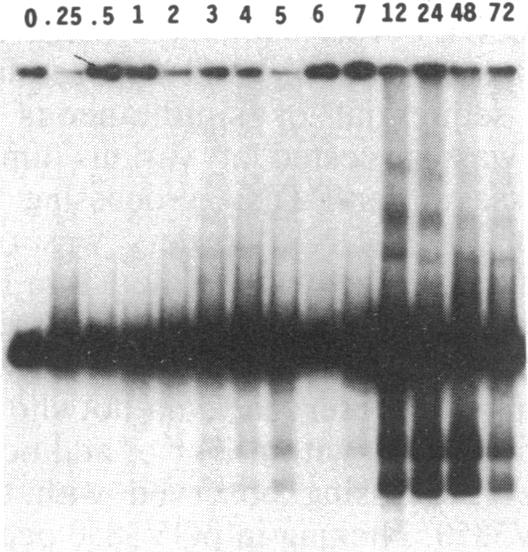
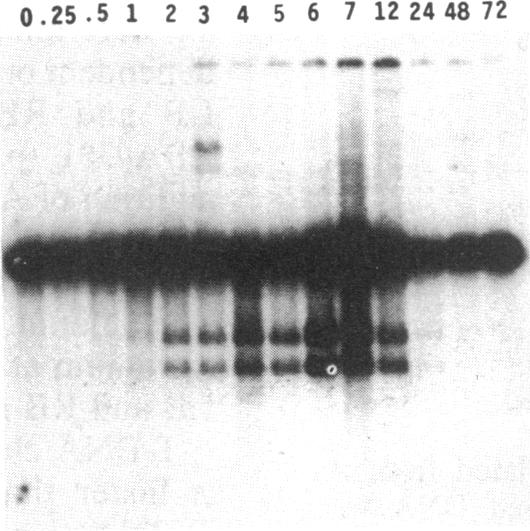
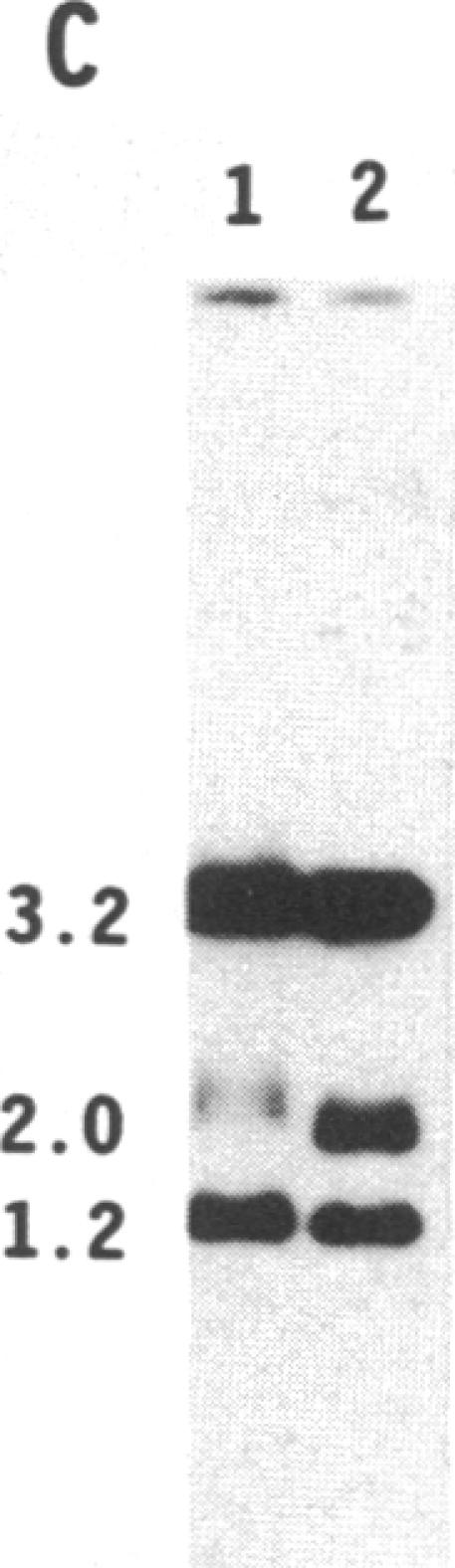
To obtain bacterial-mediated oncogenic transformation of plants, the transferred DNA (T-DNA) of the tumor-inducing (Ti) plasmid of Agrobacterium tumefaciens is transferred to its plant host cells during infection. The initial phases of transformation involve the processing of the T-DNA in the bacterial cell after induction of the vir genes located on the Ti plasmid. The kinetics and conditions of this processing were examined and upon induction with acetosyringone up to 40% of the left and right borders of the T-DNA were cleaved. This cleavage was dependent upon virA, virG, and VirD and was rec-independent. Processed T-DNA was observed within 30 min after induction and was delayed by an increased concentration of phosphate in the induction medium. When DNA was isolated in the absence of protease treatment, the DNA fragment corresponding to the left side of the cut at both the left and right border region exhibited gel retardation, suggesting one or more "pilot" proteins may be involved in T-DNA transfer. Although the relative abundance of a processed product does not necessarily imply relative importance, the preponderance of double-stranded cleavage products suggests that double-stranded T-DNA should be considered as a possible intermediate in T-DNA transfer.
为实现细菌介导的植物致癌转化,在感染过程中,根癌土壤杆菌的致瘤(Ti)质粒的转移DNA(T-DNA)会转移至其植物宿主细胞。转化的初始阶段涉及在Ti质粒上的vir基因诱导后,细菌细胞中T-DNA的加工处理。对这种加工处理的动力学和条件进行了研究,用乙酰丁香酮诱导后,高达40%的T-DNA左右边界被切割。这种切割依赖于virA、virG和VirD,且与rec无关。诱导后30分钟内观察到加工后的T-DNA,诱导培养基中磷酸盐浓度增加会使其延迟出现。当在无蛋白酶处理的情况下分离DNA时,在左右边界区域切割处左侧对应的DNA片段出现凝胶滞后现象,表明可能有一个或多个“先导”蛋白参与T-DNA转移。虽然加工产物的相对丰度不一定意味着相对重要性,但双链切割产物的优势表明双链T-DNA应被视为T-DNA转移过程中的一种可能中间体。