Shoshan-Barmatz Varda, Bishitz Yael, Paul Avijit, Krelin Yakov, Nakdimon Itay, Peled Nir, Lavon Avia, Rudoy-Zilberman Elina, Refaely Yael
Department of Life Sciences and The National Institute for Biotechnology in the Negev, Ben-Gurion University of the Negev, Beer-Sheva, Israel.
Thoracic Cancer Unit and The Center for Precision Cancer Care, Davidoff Cancer Center, Petach Tiqwa, Israel.
Oncotarget. 2017 Nov 6;8(62):105492-105509. doi: 10.18632/oncotarget.22298. eCollection 2017 Dec 1.
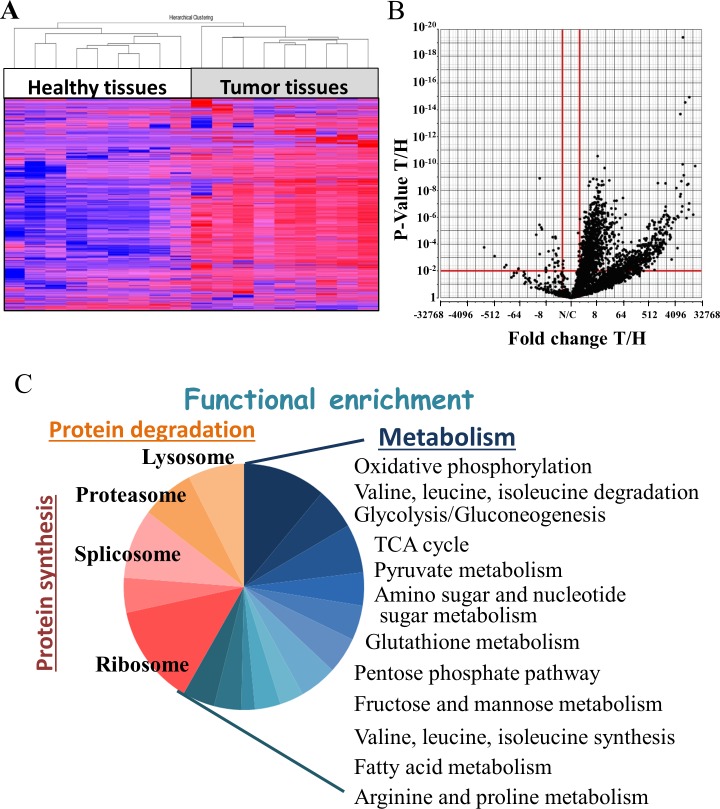
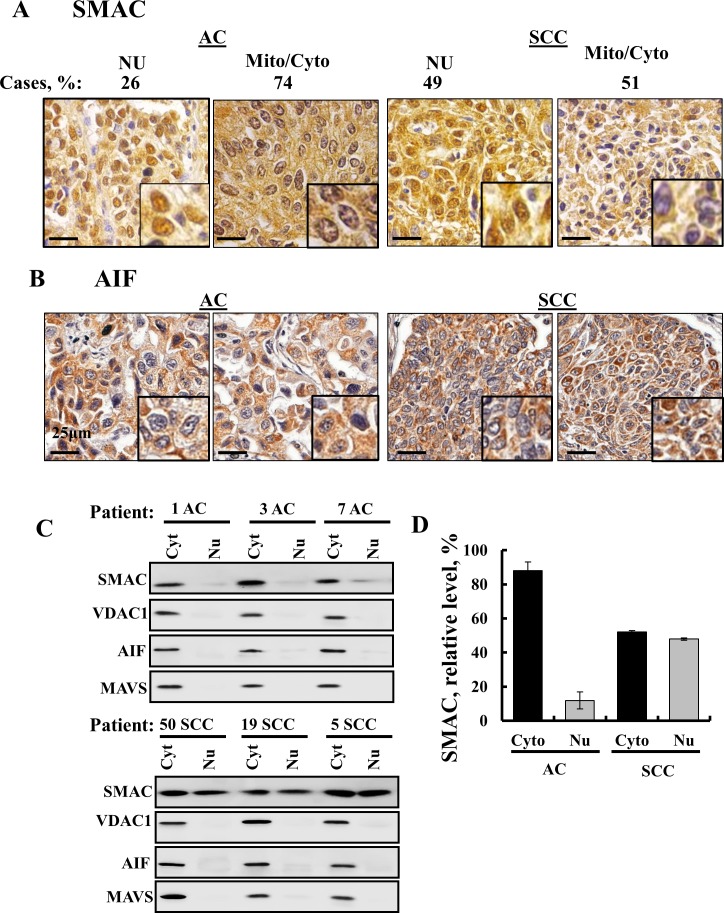
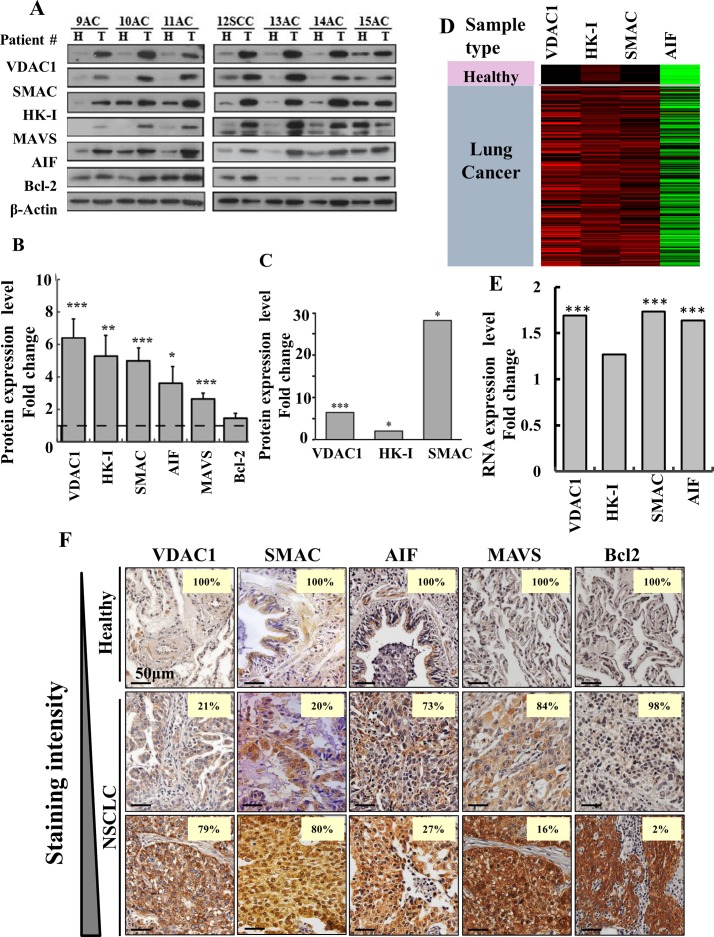
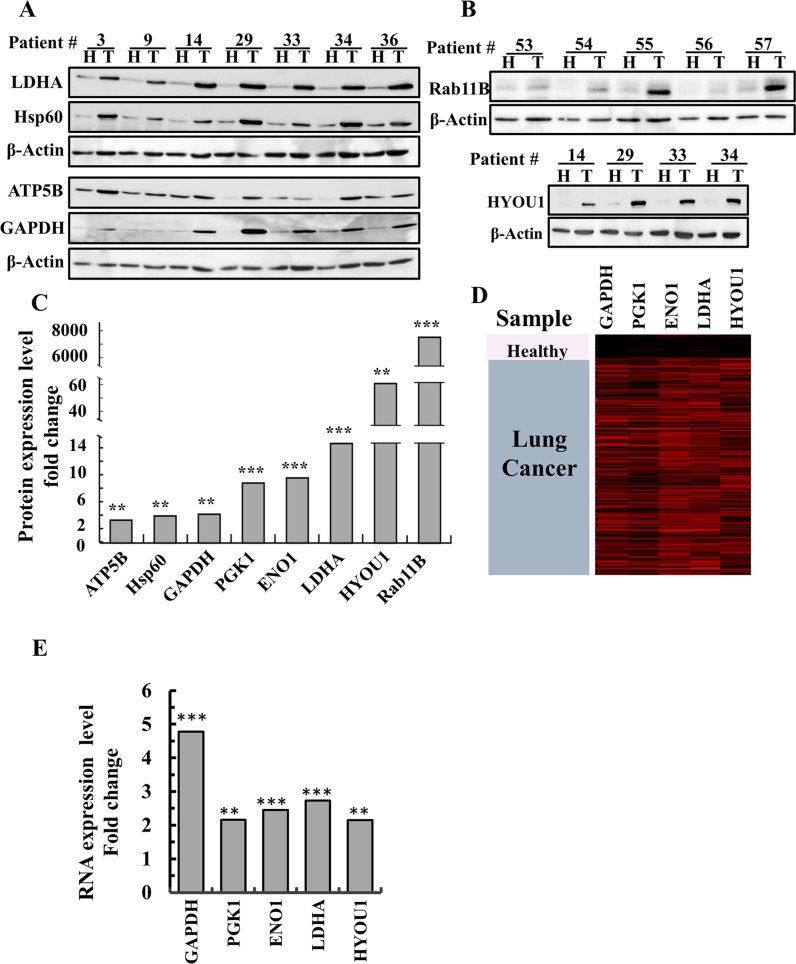
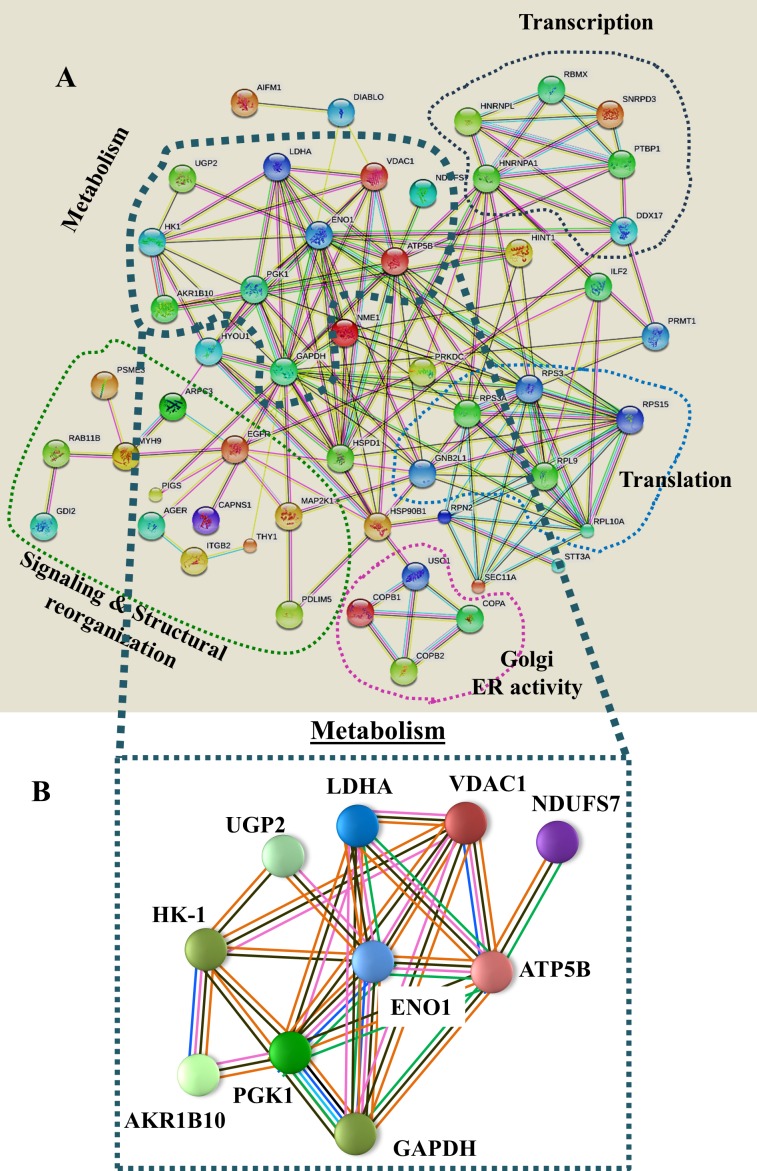
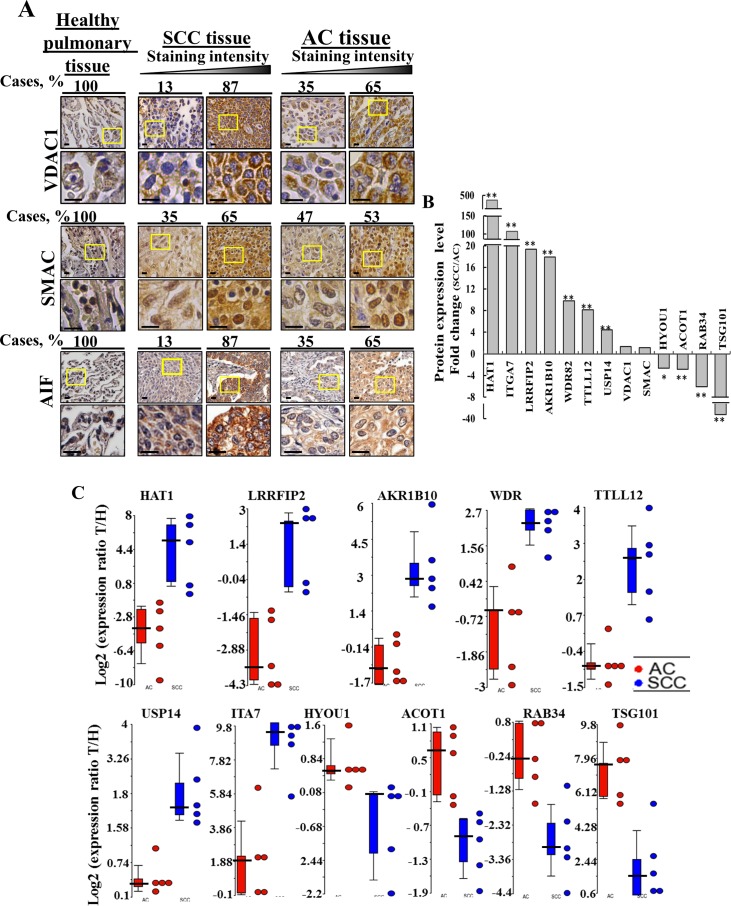
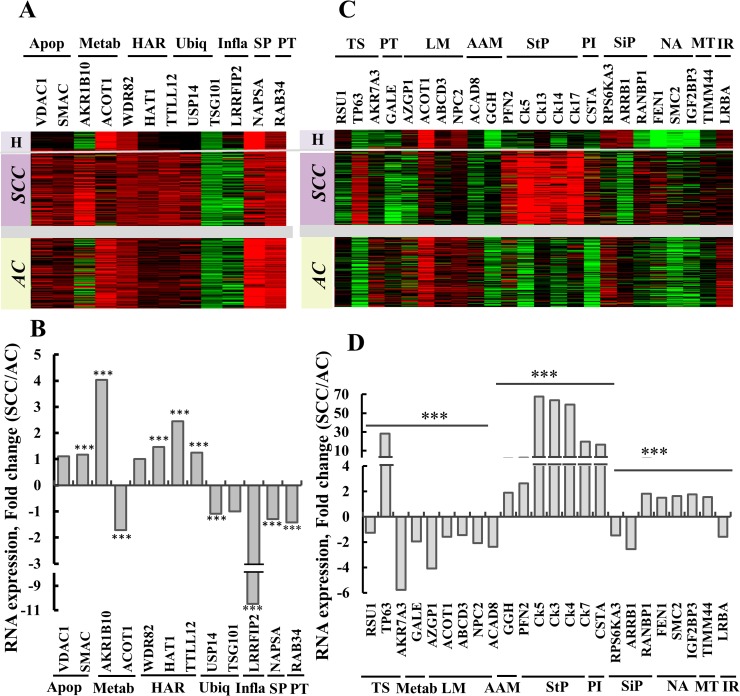
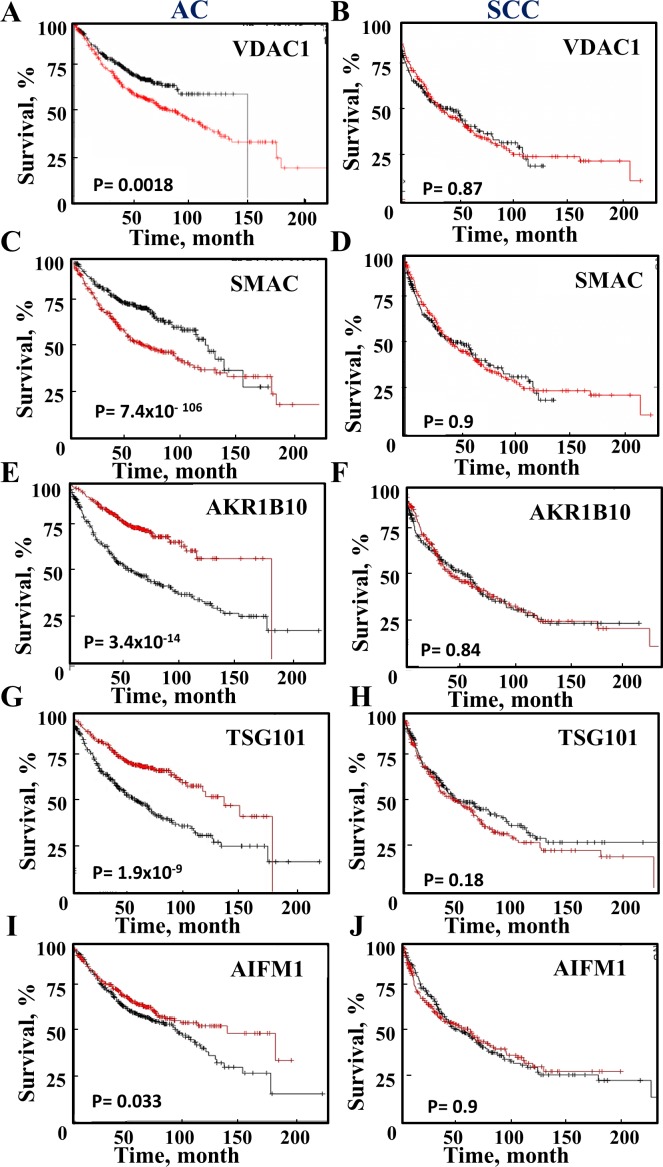
Adenocarcinoma (AC) and squamous cell carcinoma (SCC), sub-types of non-small cell lung cancer (NSCLC), both present unique features at the genome, epigenome, transcriptome and proteome levels, as well as shared clinical and histopathological characteristics, but differ in terms of treatment. To ensure proper treatment, one must be able to distinguish between these sub-types. Here, we identify novel biomarker proteins in NSCLC, allowing for distinguishing between the AC and SCC sub-types. Proteomics analysis distinguished between healthy and tumor tissues, with the expression level of 1,494 proteins being altered, 378 of which showed a ≥|100|-fold change. Enrichment of proteins related to protein synthesis and degradation, and of proteins associated with mitochondria, metabolism, and apoptosis, was found. Network analysis defined groups of proteins, such as those associated with cell metabolic processes or with fatty acid/lipid metabolism and transport. Several biomarkers that enable for distinguishing between AC and SCC were identified here for the first time, and together with previous reports confirmed here, led us to propose a list of proteins differentially expressed in SCC and AC. Some of these biomarkers are clear signatures for AC or SCC and four of them are secreted proteins. The presence of the mitochondrial protein SMAC/Diablo in the nucleus was found to be a signature for SCC. Precise diagnosis of AC and SCC is essential for selecting appropriate treatment and thus, increasing patient life expectancy. Finally, the search for drugs that target some of these biomarkers may lead to new treatments for lung cancer.
腺癌(AC)和鳞状细胞癌(SCC)是非小细胞肺癌(NSCLC)的亚型,它们在基因组、表观基因组、转录组和蛋白质组水平上均呈现独特特征,同时也具有共同的临床和组织病理学特征,但在治疗方面存在差异。为确保恰当治疗,必须能够区分这些亚型。在此,我们鉴定出非小细胞肺癌中的新型生物标志物蛋白,从而能够区分AC和SCC亚型。蛋白质组学分析区分了健康组织和肿瘤组织,1494种蛋白质的表达水平发生改变,其中378种显示出≥|100|倍的变化。发现与蛋白质合成和降解相关的蛋白质以及与线粒体、代谢和凋亡相关的蛋白质有所富集。网络分析确定了蛋白质组,例如那些与细胞代谢过程或脂肪酸/脂质代谢及转运相关的蛋白质组。首次在此鉴定出几种能够区分AC和SCC的生物标志物,连同此处证实的先前报道,使我们提出了一份在SCC和AC中差异表达的蛋白质清单。其中一些生物标志物是AC或SCC的明确特征,并且其中四种是分泌蛋白。发现线粒体蛋白SMAC/Diablo在细胞核中的存在是SCC的一个特征。准确诊断AC和SCC对于选择合适的治疗方法从而提高患者预期寿命至关重要。最后,寻找针对其中一些生物标志物的药物可能会带来肺癌的新治疗方法。