Chen Jiasheng, Chen Binshen, Zou Zhihui, Li Wei, Zhang Yiming, Xie Jinlin, Liu Chunxiao
Department of Urology, Zhujiang Hospital of Southern Medical University, Guangzhou 510280, China.
Department of Urological Surgery, The Affiliated Luohu Hospital of Shenzhen University, Shenzhen University, Shenzhen 18000, China.
Oncotarget. 2017 Nov 21;8(64):107701-107715. doi: 10.18632/oncotarget.22592. eCollection 2017 Dec 8.
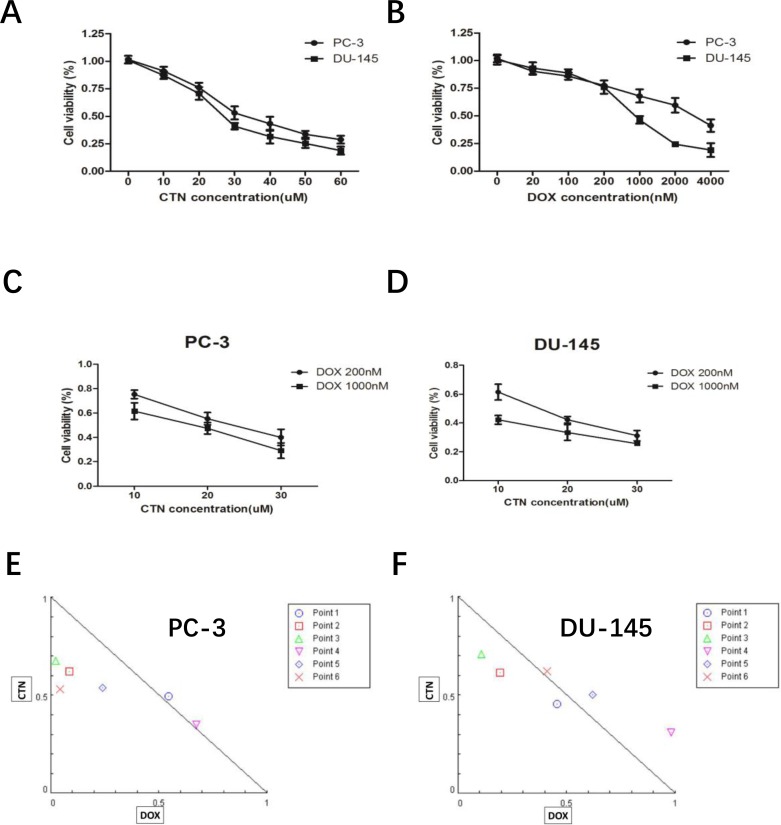
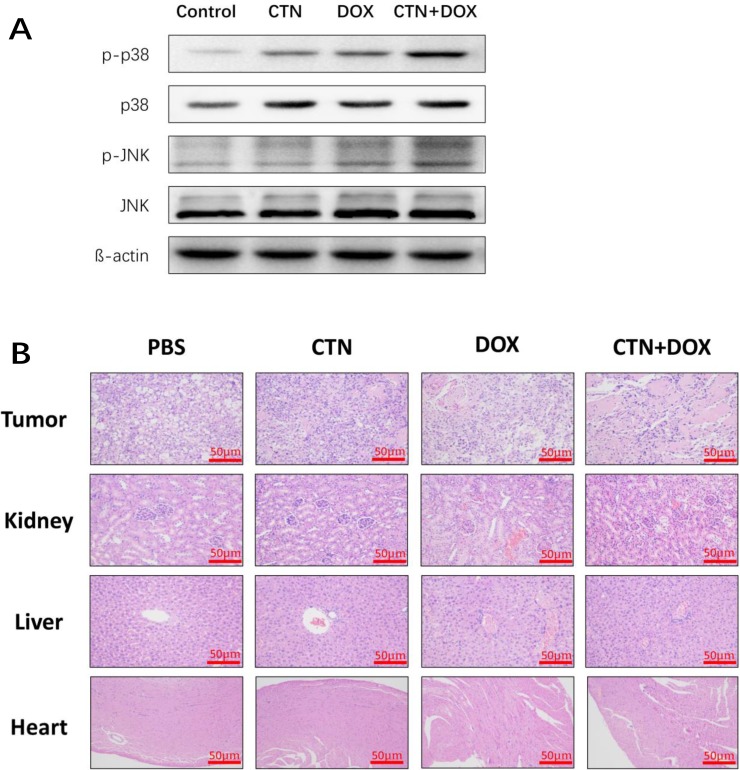
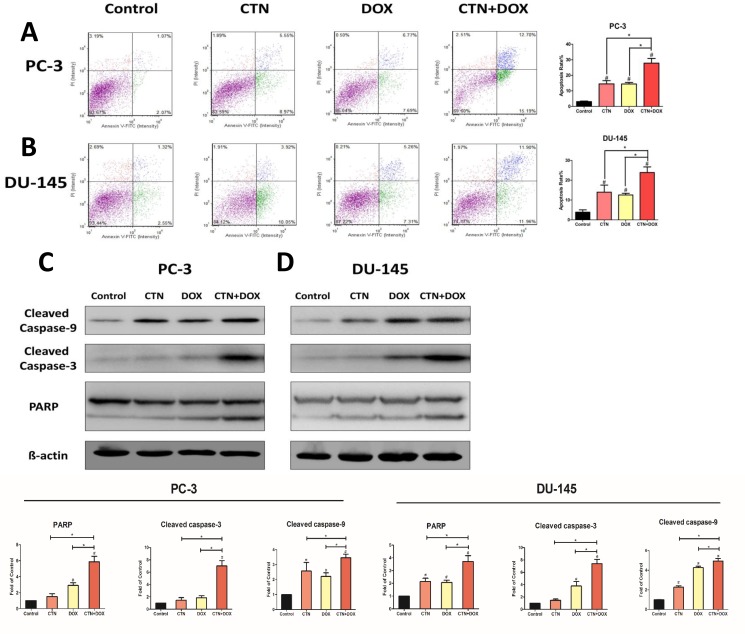
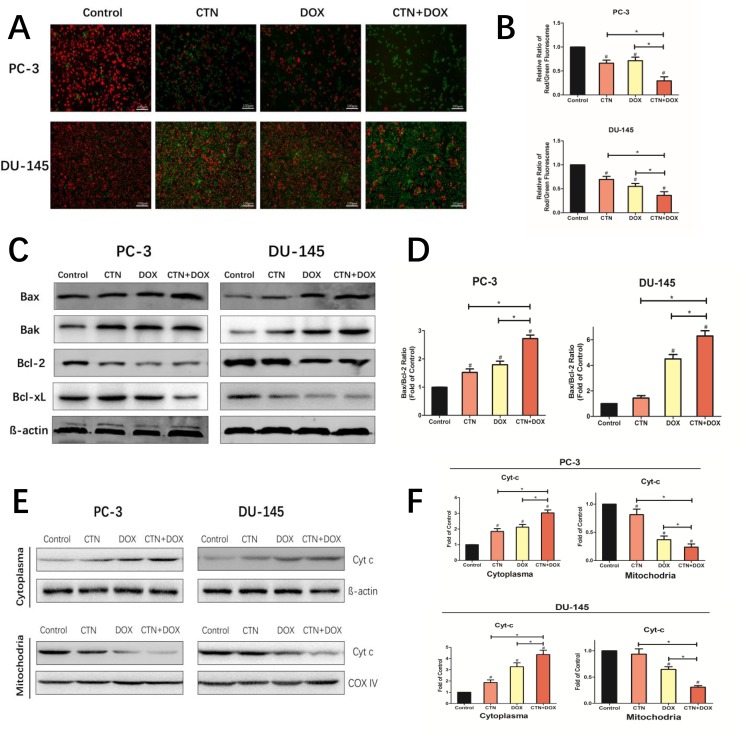
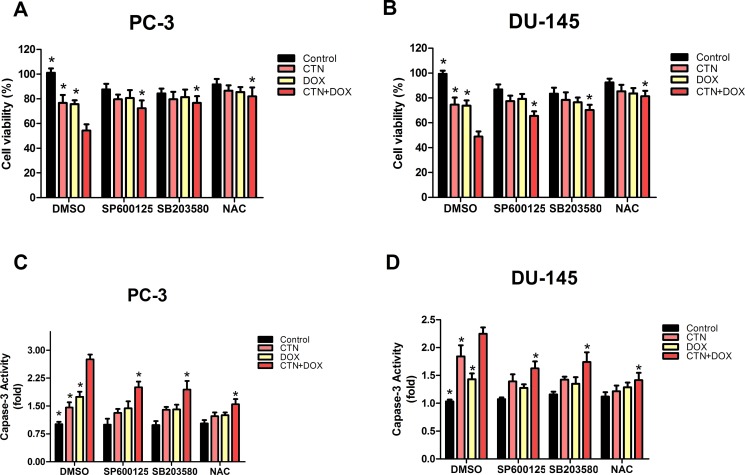
The management of castration-resistant prostate cancer (CRPC) is challenging, attributable to a lack of efficacious therapies. Chemotherapy is one of the most important treatments for CRPC. Doxorubicin has been extensively used in many different tumors and is often combined with other drugs to enhance effects and reduce toxicity. Costunolide is a natural sesquiterpene lactone with anti-cancer properties. In this study, we first demonstrated that the combination of costunolide and doxorubicin induced apoptosis significantly more than either drug alone in prostate cancer cell lines. Costunolide combined with doxorubicin induced mitochondria-mediated apoptosis through a loss of mitochondrial membrane potential and modulation of Bcl-2 family proteins. We found that this drug combination significantly increased the production of reactive oxygen species (ROS), as well as phosphorylation of c-jun N-terminal kinase (JNK) and p38 mitogen-activated protein kinases, which play upstream roles in mitochondria-mediated apoptosis. Further studies showed that N-acetyl cysteine blocked JNK and p38 phosphorylation, suggesting that ROS were upstream activators of JNK and p38. However, a JNK inhibitor, but not a p38 inhibitor, blocked the increase in ROS observed in cells treated with a combination of costunolide and doxorubicin, suggesting that ROS and JNK could activate each other. , inhibition of tumor growth and induction of apoptosis were greater in mice treated with the costunolide and doxorubicin combination than in mice treated with either drug alone, without an increase in toxicity. Therefore, we suggested that costunolide in combination with doxorubicin was a new potential chemotherapeutic strategy for treating prostate cancer.
去势抵抗性前列腺癌(CRPC)的治疗颇具挑战性,这归因于缺乏有效的治疗方法。化疗是CRPC最重要的治疗方法之一。阿霉素已广泛应用于多种不同肿瘤,且常与其他药物联合使用以增强疗效并降低毒性。木香内酯是一种具有抗癌特性的天然倍半萜内酯。在本研究中,我们首先证明,在前列腺癌细胞系中,木香内酯与阿霉素联合使用诱导细胞凋亡的效果显著优于单独使用任何一种药物。木香内酯与阿霉素联合使用通过线粒体膜电位丧失和Bcl-2家族蛋白的调节诱导线粒体介导的细胞凋亡。我们发现,这种药物组合显著增加了活性氧(ROS)的产生,以及c-jun氨基末端激酶(JNK)和p38丝裂原活化蛋白激酶的磷酸化,它们在线粒体介导的细胞凋亡中起上游作用。进一步研究表明,N-乙酰半胱氨酸可阻断JNK和p38的磷酸化,这表明ROS是JNK和p38的上游激活剂。然而,一种JNK抑制剂而非p38抑制剂可阻断在接受木香内酯与阿霉素联合治疗的细胞中观察到的ROS增加,这表明ROS和JNK可相互激活。此外,与单独使用任何一种药物治疗的小鼠相比,接受木香内酯与阿霉素联合治疗的小鼠肿瘤生长抑制和细胞凋亡诱导作用更强,且毒性未增加。因此,我们认为木香内酯与阿霉素联合使用是一种治疗前列腺癌的新的潜在化疗策略。