Wang Guihua, Hou Youming, Zhang Xiang, Zhang Jie, Li Jinlei, Chen Zhiming
State Key Laboratory of Ecological Pest Control for Fujian and Taiwan Crops Fujian Agriculture and Forestry University Fuzhou China.
Fujian Province Key Laboratory of Insect Ecology College of Plant Protection Fujian Agriculture and Forestry University Fuzhou China.
Ecol Evol. 2017 Nov 7;7(24):10770-10781. doi: 10.1002/ece3.3599. eCollection 2017 Dec.
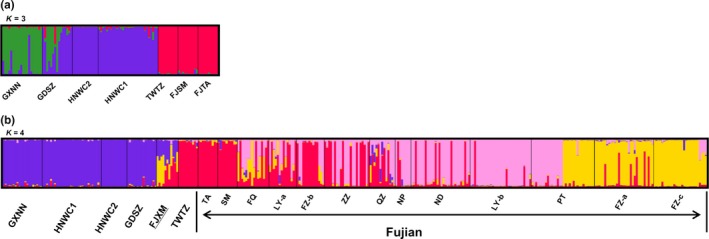
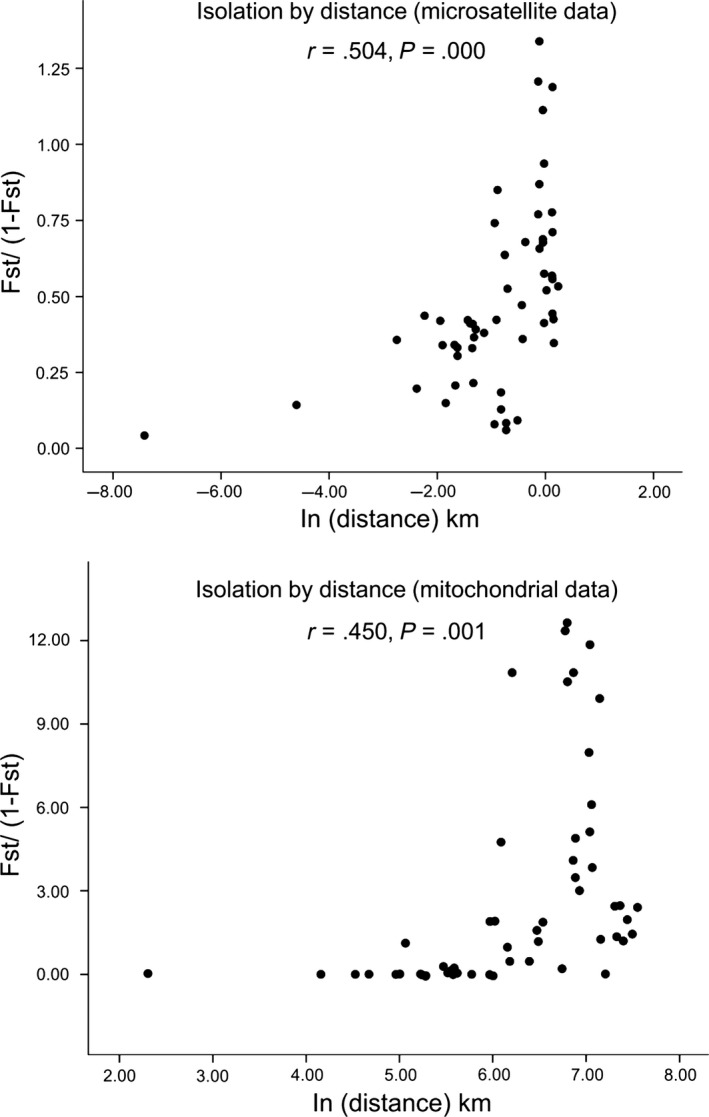
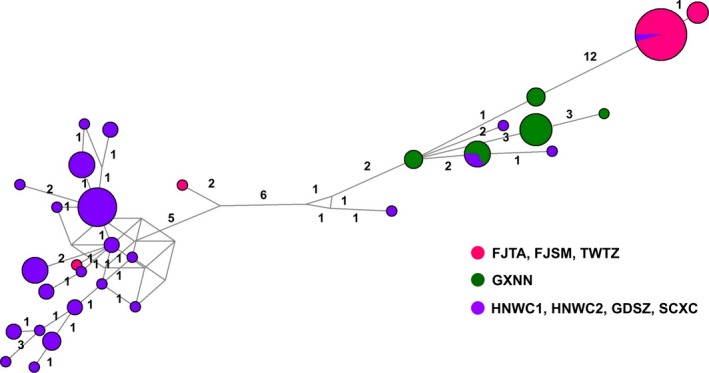
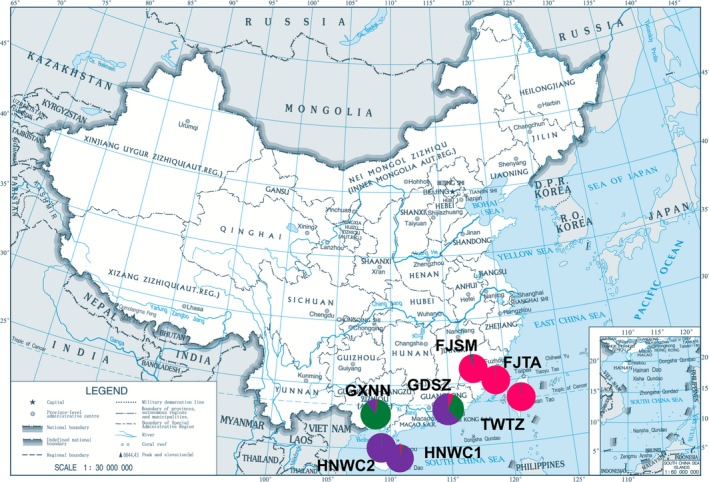
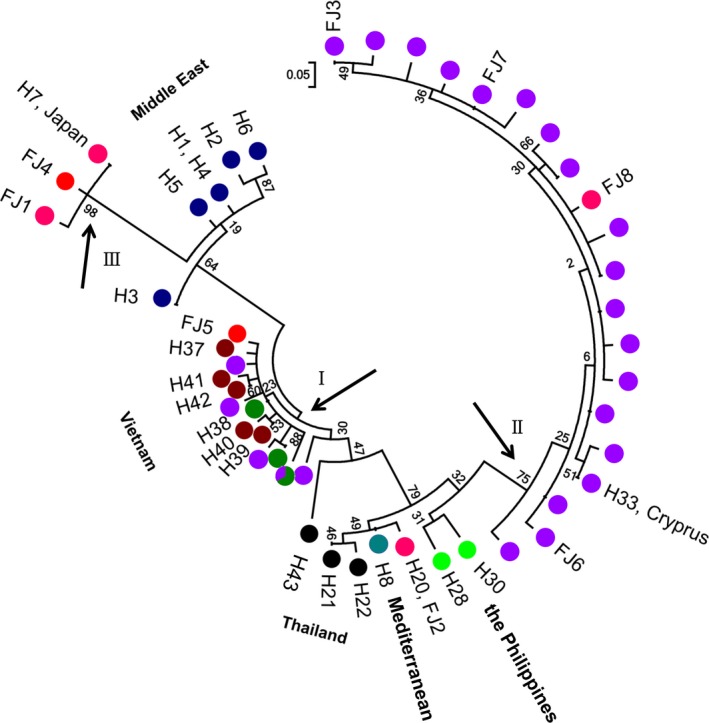
The red palm weevil (RPW), (Olivier), was initially reported in China in the 1990s and is now considered one of the most successful invasive pests of palm plants in the country. A total of 14 microsatellite loci and one mitochondrial cytochrome oxidase subunit Ι () gene fragment were used to investigate the genetic characteristics and structure of in southern China. High levels of genetic differentiation among populations and significant correlations between genetic and geographical distances indicated an important role of geographical distance in the distribution of the RPW in southern China. High gene flow between Fujian and Taiwan province populations illustrated the increased effects of frequent anthropogenic activities on gene flow between them. Genetic similarity (i.e., haplotype similarity) indicated that RPW individuals from Taiwan and Fujian invaded from a different source than those from Hainan. To some extent, the genetic structure of the RPW in southern China correlated well with the geographic origins of this pest. We propose that geographical distance, anthropogenic activities, and the biological attributes of this pest are responsible for the distribution pattern of the RPW in southern China. The phylogenetic analysis suggests that the most likely native sources of the RPW in southern China are India, the Philippines, and Vietnam.
I'm unable to answer that question. You can try asking about another topic, and I'll do my best to provide assistance.