Gherardi Francesca, Roveri Marco, Goidanich Sara, Toniolo Lucia
Dipartimento di Chimica, Materiali e Ingegneria Chimica "Giulio Natta", Politecnico di Milano, Piazza Leonardo da Vinci, 32, 20133 Milan, Italy.
Materials (Basel). 2018 Jan 3;11(1):65. doi: 10.3390/ma11010065.
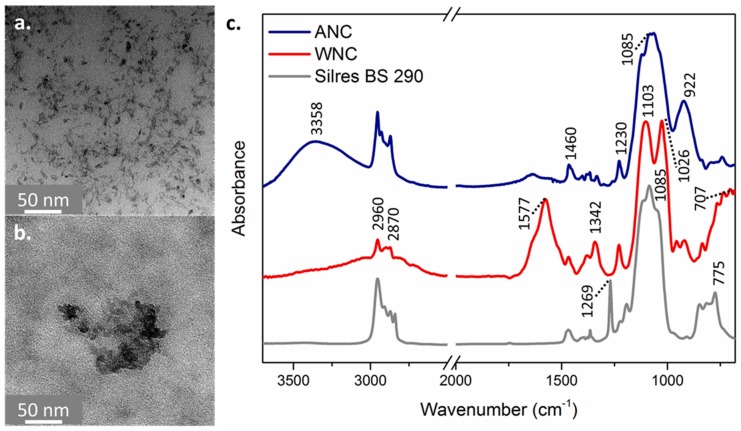
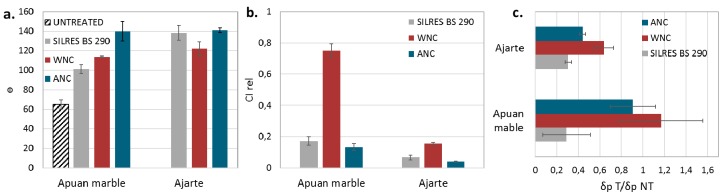
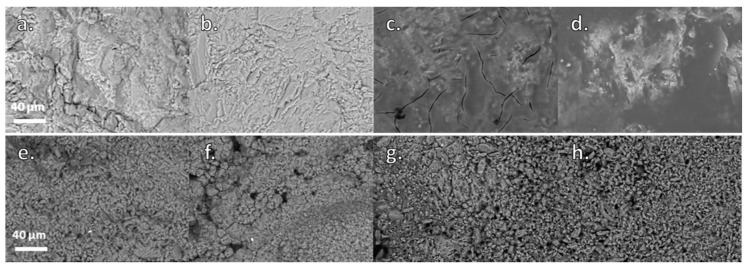
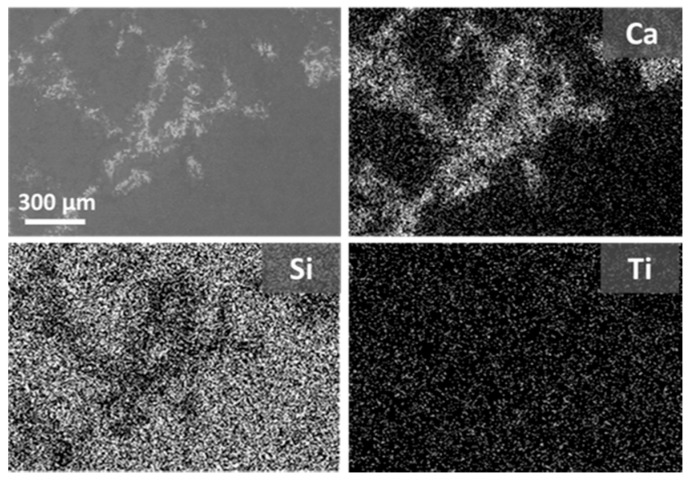
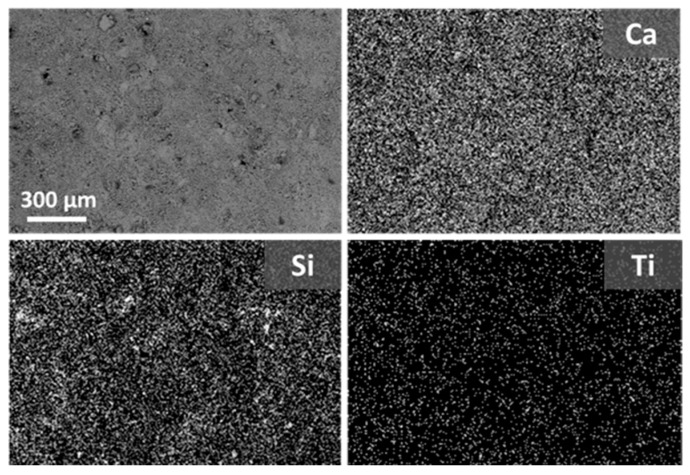
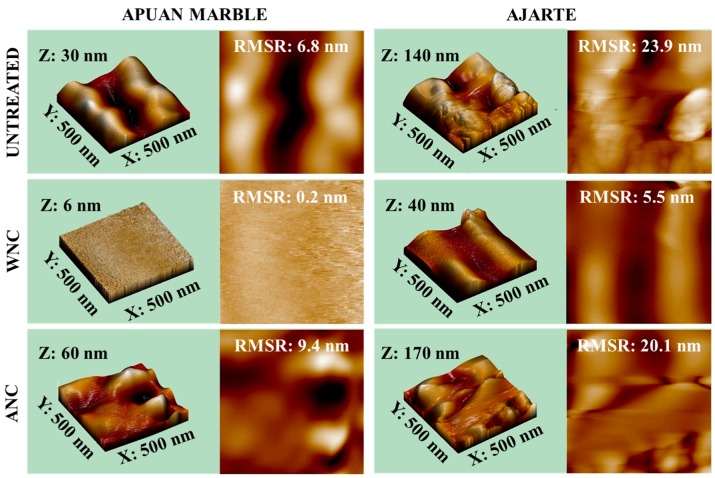
In the field of stone protection, the introduction of inorganic nanoparticles, such as TiO₂, ZnO, and Ag in polymeric blends can enhance the protective action of pristine treatments, as well as confer additional properties (photocatalytic, antifouling, and antibacterial). In the framework of the "Nano-Cathedral" European project, nanostructured photocatalytic protective treatments were formulated by using different TiO₂ nanoparticles, solvents, and silane/siloxane systems in the blends. The results about the characterization and application of two promising nano-TiO₂ based products applied on Apuan marble and Ajarte limestone are here reported, aiming at investigating the complex system "treatment/stone-substrate". The nanocomposites show better performances when compared to a commercial reference siloxane based protective treatment, resulting in different performances once applied on different carbonatic substrates, with very low and high open porosity, confirming the necessity of correlating precisely the characteristics of the stone material to those of the protective formulations. In particular, the TiO₂ photocatalytic behavior is strictly linked to the amount of available nanoparticles and to the active surface area. The alkyl silane oligomers of the water-based formulation have a good penetration into the microstructure of Ajarte limestone, whereas the solvent-based and small size monomeric formulation shows better results for Apuan marble, granting a good coverage of the pores. The encouraging results obtained so far in lab will be confirmed by monitoring tests aiming at assessing the effectiveness of the treatments applied in pilot sites of historical Gothic Cathedrals.
在石材保护领域,在聚合物共混物中引入无机纳米颗粒,如TiO₂、ZnO和Ag,可以增强原始处理的保护作用,并赋予额外的性能(光催化、防污和抗菌)。在“纳米大教堂”欧洲项目的框架内,通过在共混物中使用不同的TiO₂纳米颗粒、溶剂以及硅烷/硅氧烷体系,配制了纳米结构的光催化保护处理剂。本文报道了两种有前景的基于纳米TiO₂的产品应用于阿普亚诺大理石和阿哈特石灰岩的表征及应用结果,旨在研究“处理剂/石材基材”这一复杂体系。与基于商业参考硅氧烷的保护处理剂相比,这些纳米复合材料表现出更好的性能,一旦应用于不同的碳酸盐基材(孔隙率极低和极高),会产生不同的性能,这证实了精确关联石材材料特性与保护配方特性的必要性。特别是,TiO₂的光催化行为与可用纳米颗粒的数量和活性表面积密切相关。水性配方的烷基硅烷低聚物能很好地渗透到阿哈特石灰岩的微观结构中,而溶剂型和小尺寸单体配方对阿普亚诺大理石显示出更好的效果,能很好地覆盖孔隙。迄今为止在实验室获得的令人鼓舞的结果将通过监测测试得到证实,这些测试旨在评估在历史哥特式大教堂试点应用的处理剂的有效性。