Saidi Dalel, Cheray Mathilde, Osman Ahmed M, Stratoulias Vassilis, Lindberg Olle R, Shen Xianli, Blomgren Klas, Joseph Bertrand
Institute of Environmental Medicine, Toxicology Unit, Karolinska Institutet, Stockholm, Sweden.
Department of Oncology-Pathology, Cancer Centrum Karolinska, Karolinska Institutet, Stockholm, Sweden.
Oncoimmunology. 2017 Oct 16;7(2):e1382790. doi: 10.1080/2162402X.2017.1382790. eCollection 2018.
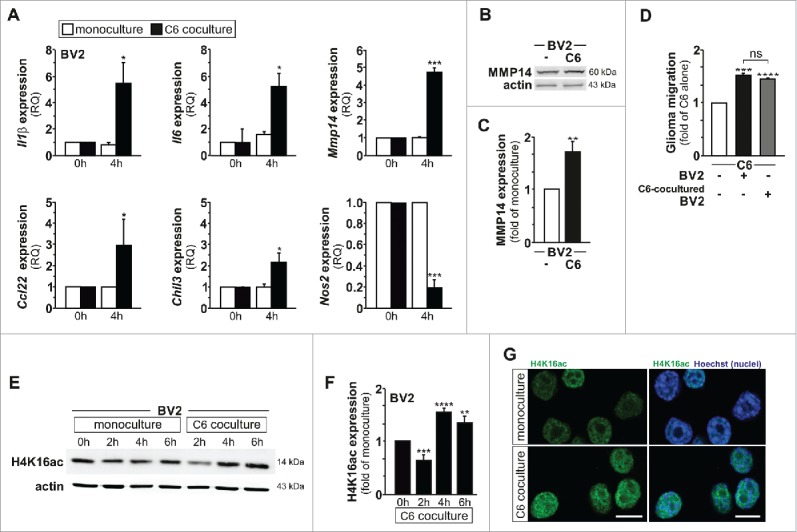
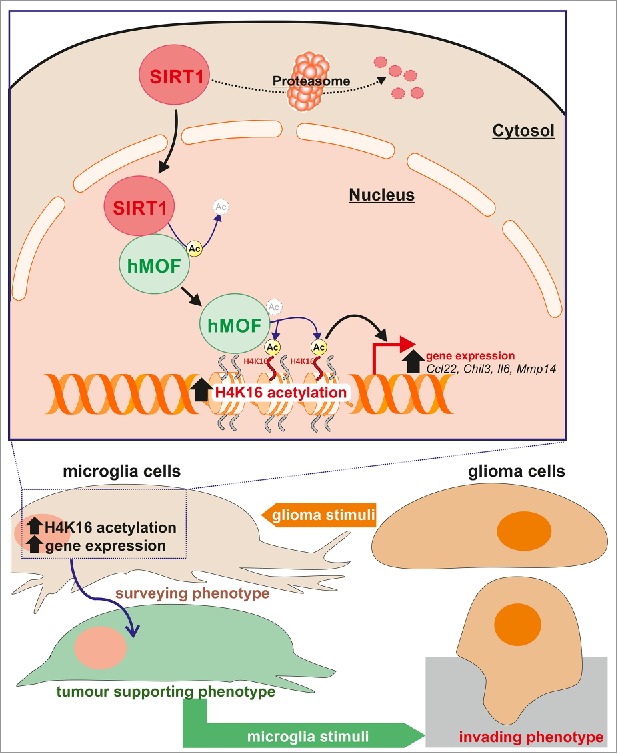
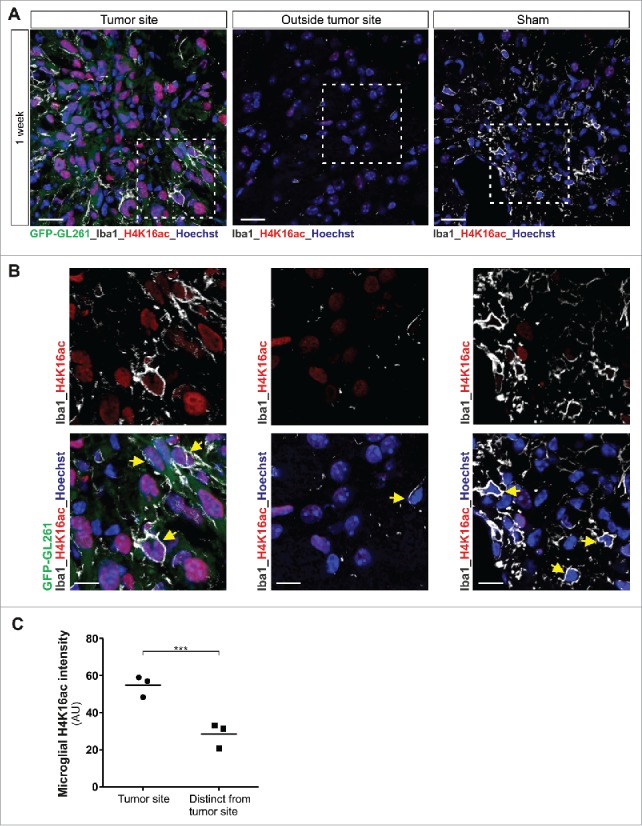
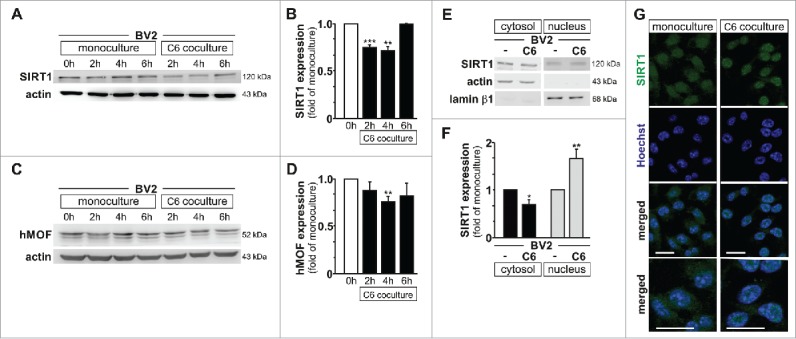
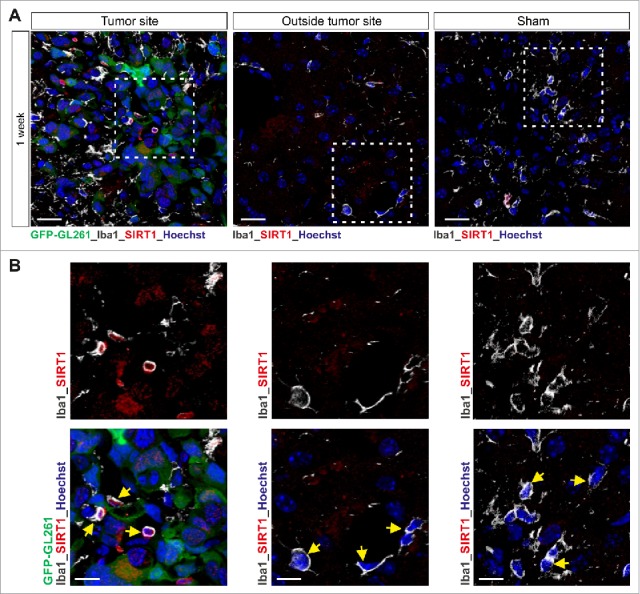
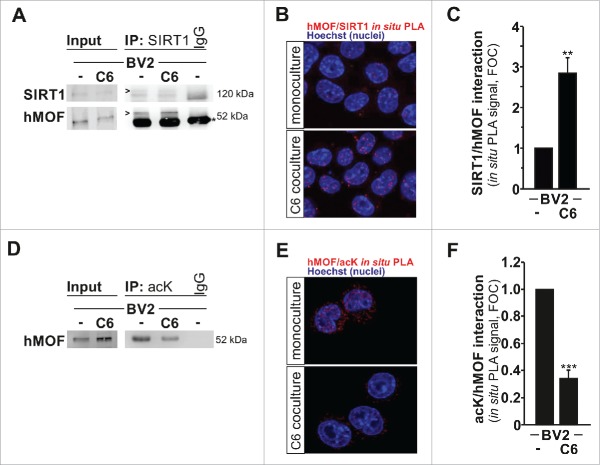
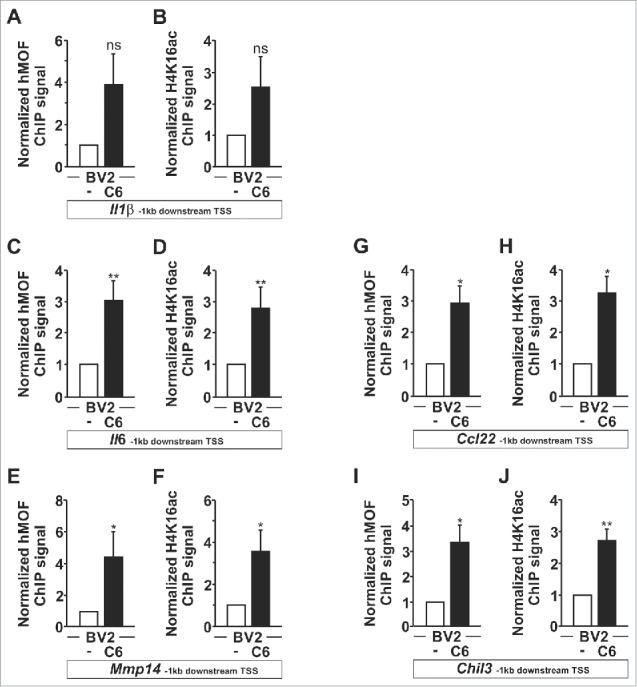
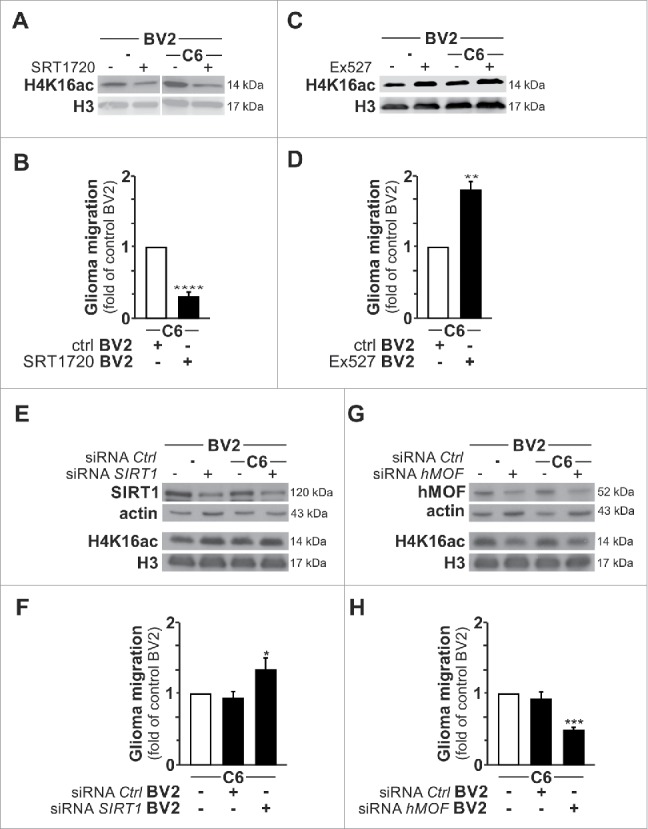
High-grade gliomas are malignant aggressive primary brain tumors with limited therapeutic options, and dismal prognosis for patients. Microglia, the resident immune cells of the brain, are recruited and reprogrammed into tumor-supporting cells by glioma cells, which in turn positively influence tumor expansion and infiltration into surrounding brain tissues. Here, we report that glioma-induced microglia conversion is coupled to an increase of histone H4 lysine 16 (H4K16) acetylation level in microglia, through increased nuclear localization of the deacetylase SIRT1, which in turn results in deacetylation of the H4K16 acetyltransferase hMOF and its recruitment to the chromatin at promoter regions of microglial target genes. Furthermore, we demonstrate that manipulation of the microglial H4K16 acetylation level, taking advantage of the intrinsic H4K16 deacetylase or acetyltransferase activities of SIRT1 and hMOF, respectively, modulated the tumor-supporting function of microglia. This study provides evidence that post-translational modifications of histones and the histone-modifying enzymes controlling them, such as H4K16 acetylation regulated by hMOF and SIRT1, are part of the microglial pro-tumoral activation pathway initiated by glioma cancer cells and represent potentially novel therapeutic targets.
高级别胶质瘤是恶性侵袭性原发性脑肿瘤,治疗选择有限,患者预后不佳。小胶质细胞是脑内的常驻免疫细胞,被胶质瘤细胞招募并重编程为肿瘤支持细胞,反过来又对肿瘤的扩张和向周围脑组织的浸润产生积极影响。在此,我们报告胶质瘤诱导的小胶质细胞转化与小胶质细胞中组蛋白H4赖氨酸16(H4K16)乙酰化水平的增加相关联,这是通过去乙酰化酶SIRT1核定位增加实现的,这反过来又导致H4K16乙酰转移酶hMOF的去乙酰化及其在小胶质细胞靶基因启动子区域的染色质上的募集。此外,我们证明,分别利用SIRT1和hMOF固有的H4K16去乙酰化酶或乙酰转移酶活性来操纵小胶质细胞H4K16乙酰化水平,可调节小胶质细胞的肿瘤支持功能。本研究提供了证据表明,组蛋白的翻译后修饰以及控制它们的组蛋白修饰酶,如由hMOF和SIRT1调节的H4K16乙酰化,是胶质瘤癌细胞启动的小胶质细胞促肿瘤激活途径的一部分,并代表了潜在的新型治疗靶点。