Lalonde Emilie, Wertheim Gerald, Li Marilyn M
Department of Genetics, Perelman School of Medicine, University of Pennsylvania, Philadelphia, PA, United States.
Department of Pathology and Laboratory Medicine, Perelman School of Medicine, University of Pennsylvania, Philadelphia, PA, United States.
Front Pediatr. 2017 Dec 14;5:263. doi: 10.3389/fped.2017.00263. eCollection 2017.
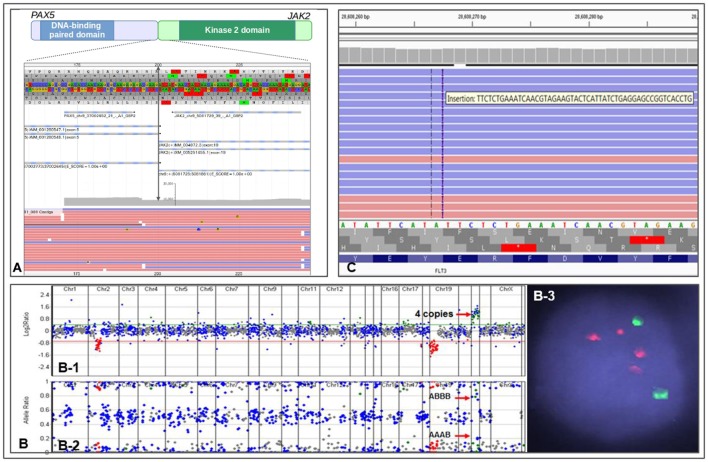
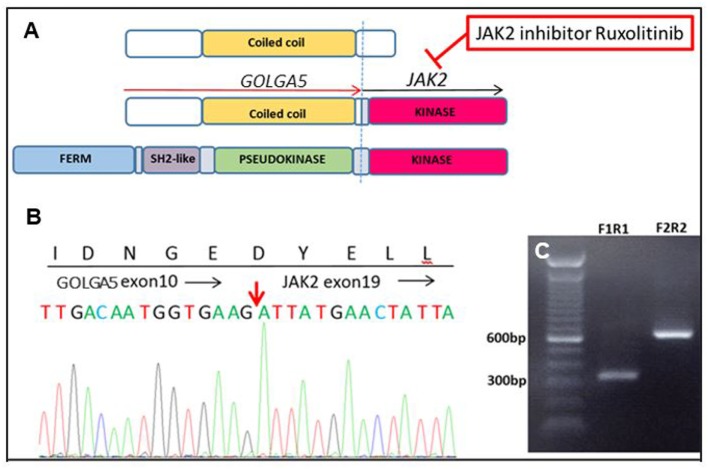
Pediatric leukemia remains a significant contributor to childhood lethality rates. However, recent development of new technologies including next-generation sequencing (NGS) has increased our understanding of the biological and genetic underpinnings of leukemia, resulting in novel diagnostic and treatment paradigms. The most prevalent pediatric leukemias include B-cell acute lymphoblastic leukemia (B-ALL) and acute myeloid leukemia (AML). These leukemias are highly heterogeneous, both clinically and genetically. There are multiple genetic subgroups defined by the World Health Organization, each with distinct clinical management. Clinical laboratories have started adopting genomic testing strategies to include high-throughput sequencing assays which, together with conventional cytogenetic techniques, enable optimal patient care. This review summarizes genetic and genomic techniques used in clinical laboratories to support management of pediatric leukemia, highlighting technical, biological, and clinical advances. We illustrate clinical utilities of comprehensive genomic evaluation of leukemia genomes through clinical case examples, which includes the interrogations of hundreds of genes and multiple mutation mechanisms using NGS technologies. Finally, we provide a future perspective on clinical genomics and precision medicine.
小儿白血病仍然是导致儿童死亡率的一个重要因素。然而,包括新一代测序(NGS)在内的新技术的最新发展,增进了我们对白血病生物学和遗传学基础的理解,从而产生了新的诊断和治疗模式。最常见的小儿白血病包括B细胞急性淋巴细胞白血病(B-ALL)和急性髓系白血病(AML)。这些白血病在临床和基因方面都具有高度异质性。世界卫生组织定义了多个基因亚组,每个亚组都有不同的临床管理方法。临床实验室已开始采用基因组检测策略,包括高通量测序分析,这些分析与传统细胞遗传学技术一起,能够为患者提供最佳护理。本综述总结了临床实验室用于支持小儿白血病管理的遗传和基因组技术,突出了技术、生物学和临床方面的进展。我们通过临床案例说明了白血病基因组综合基因组评估的临床效用,其中包括使用NGS技术对数百个基因和多种突变机制进行检测。最后,我们对临床基因组学和精准医学提供了未来展望。