Department of Wildlife Ecology and Conservation, University of Florida, Gainesville, United States.
Department of Natural History, University of Florida, Gainesville, United States.
Elife. 2018 Jan 9;7:e27166. doi: 10.7554/eLife.27166.
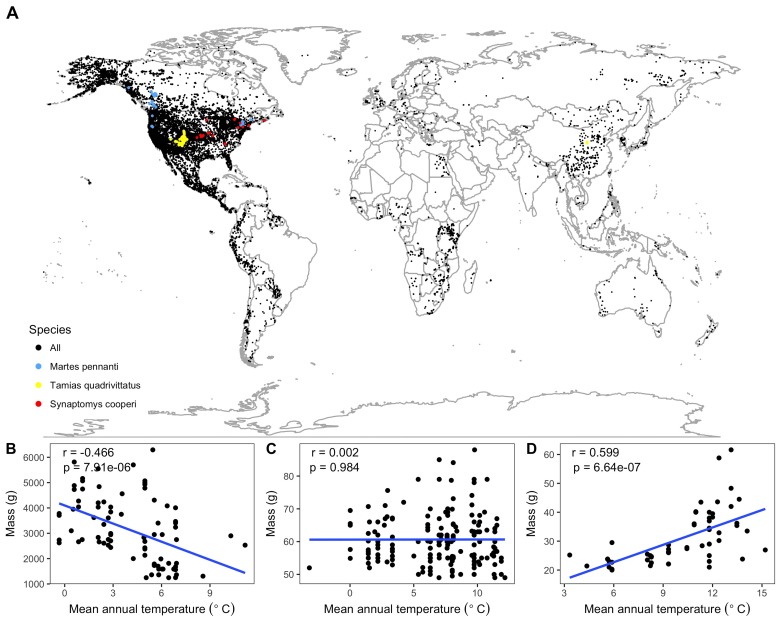
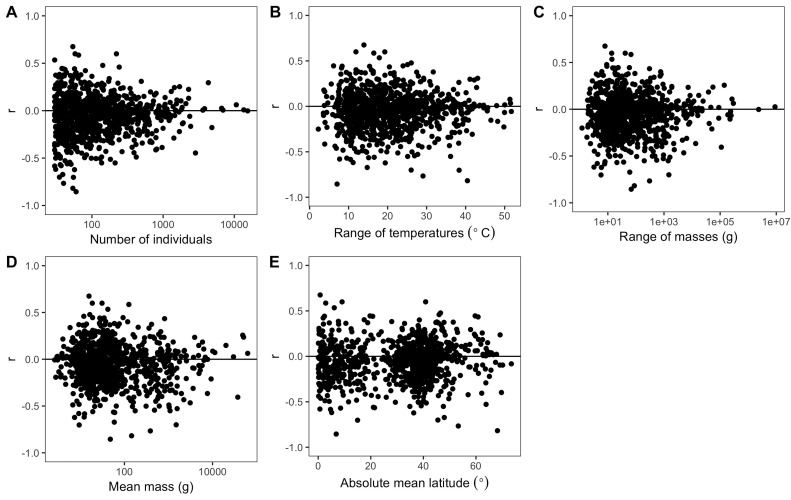
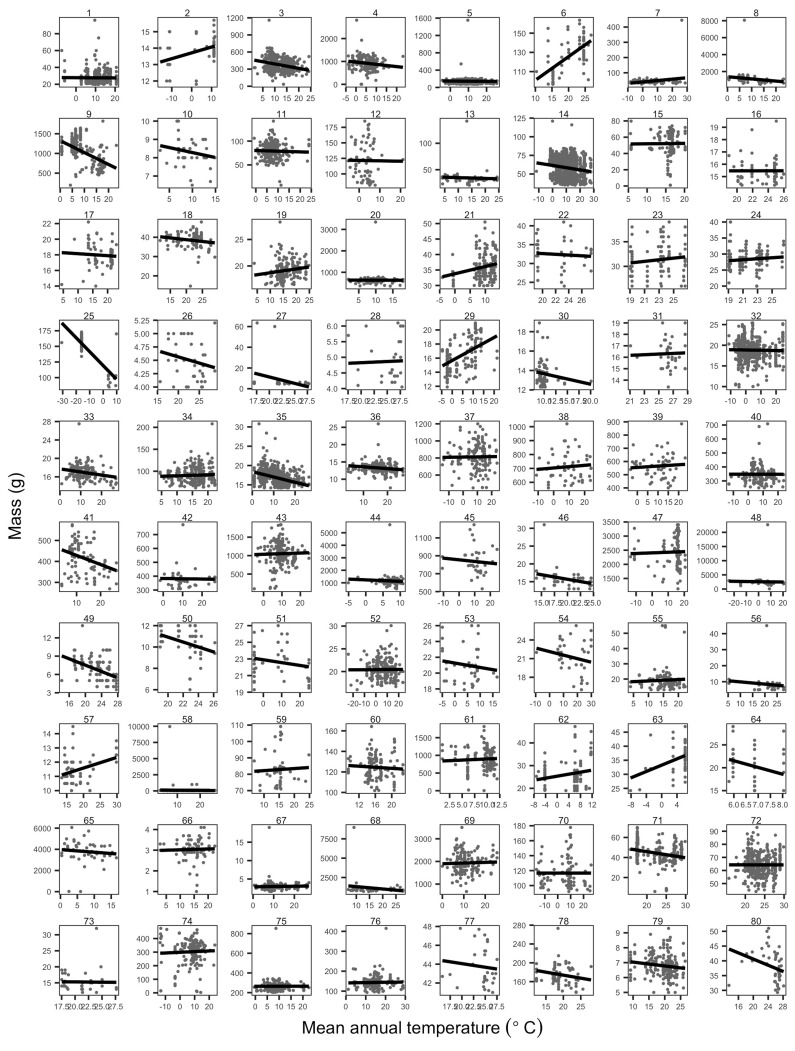
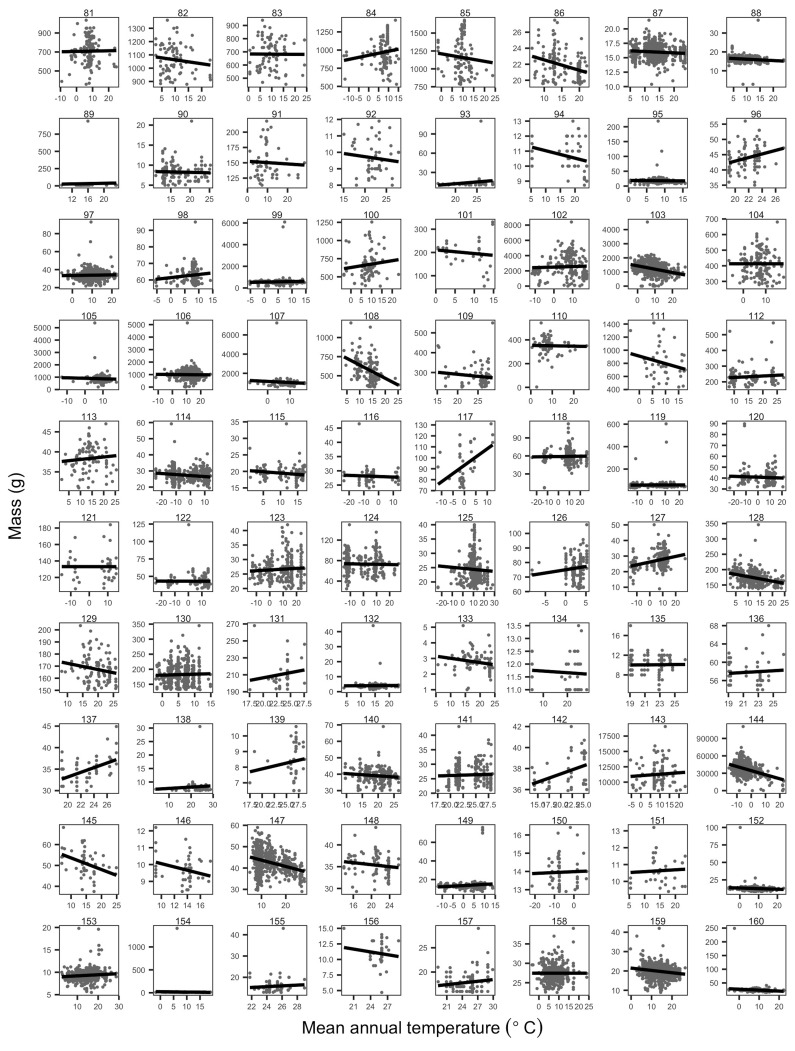
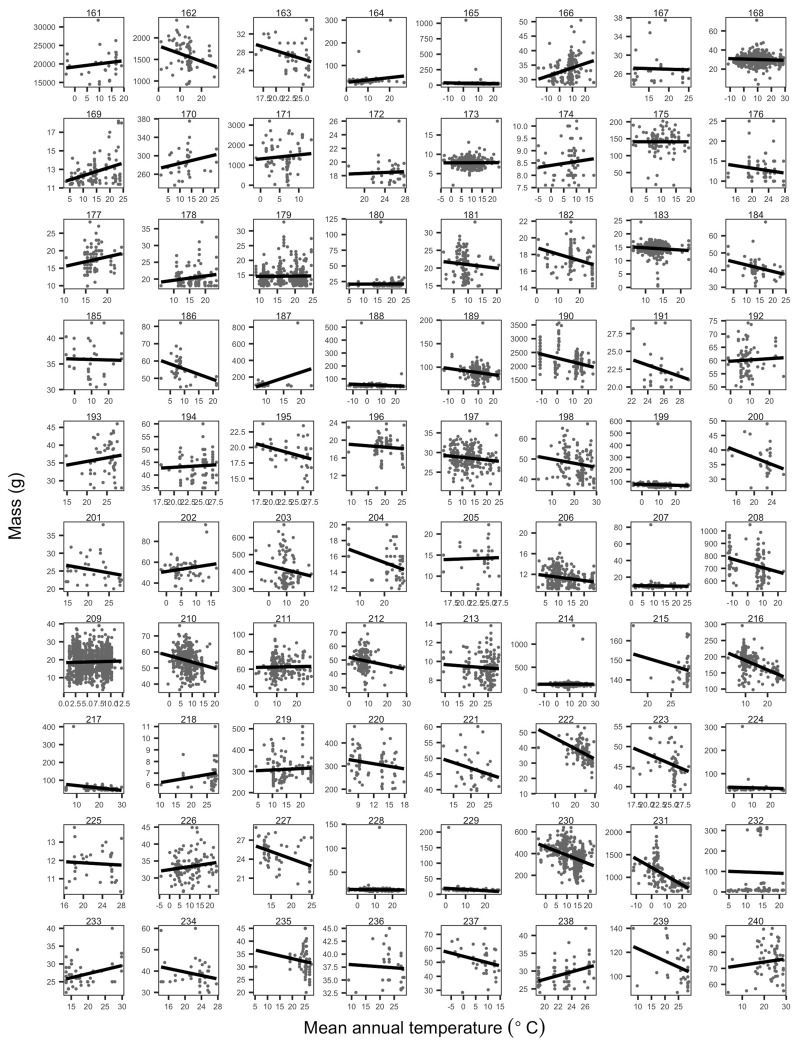
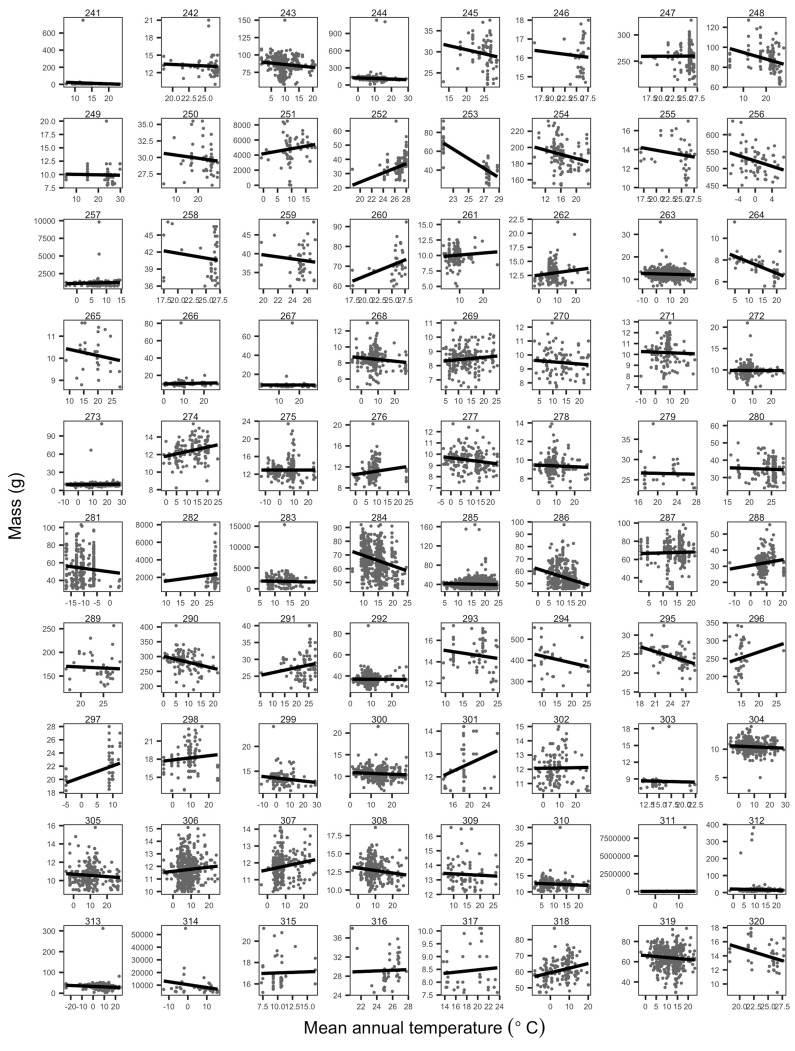
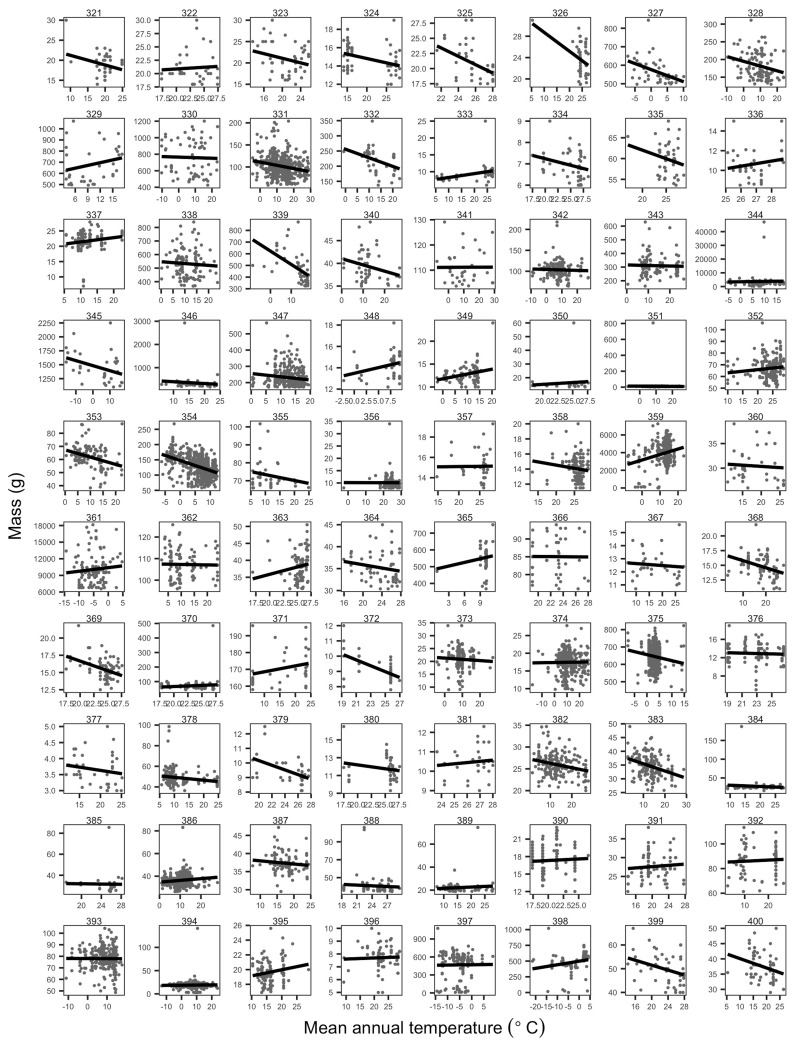
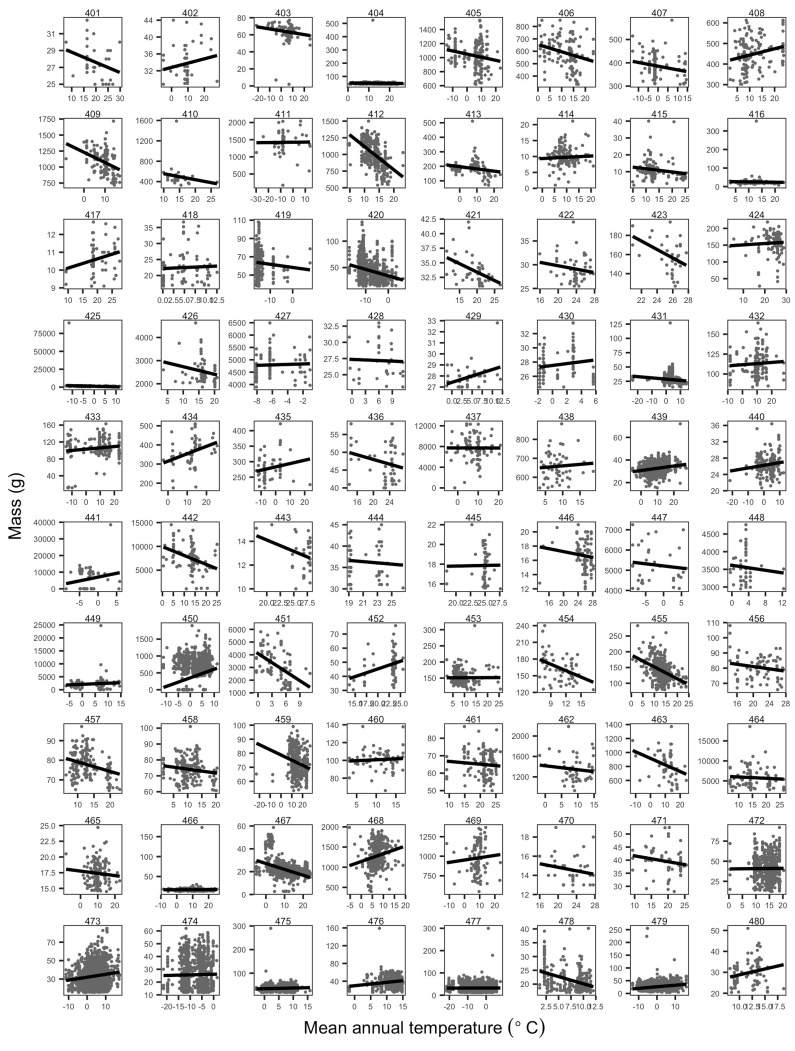
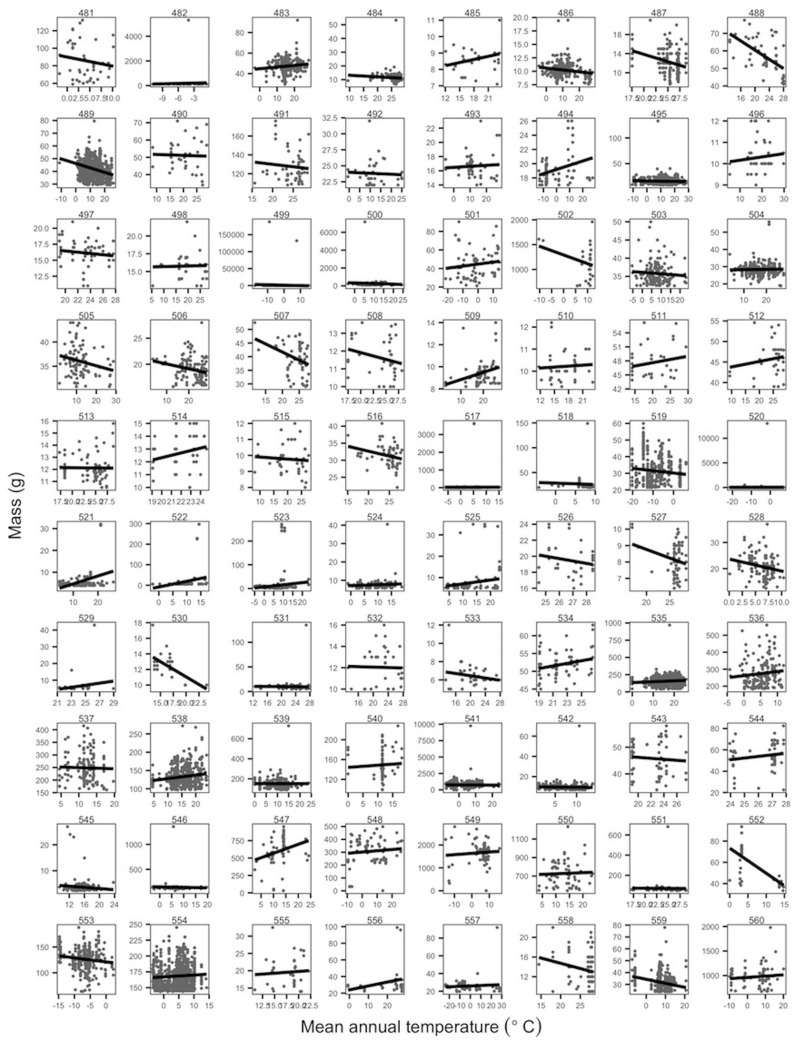
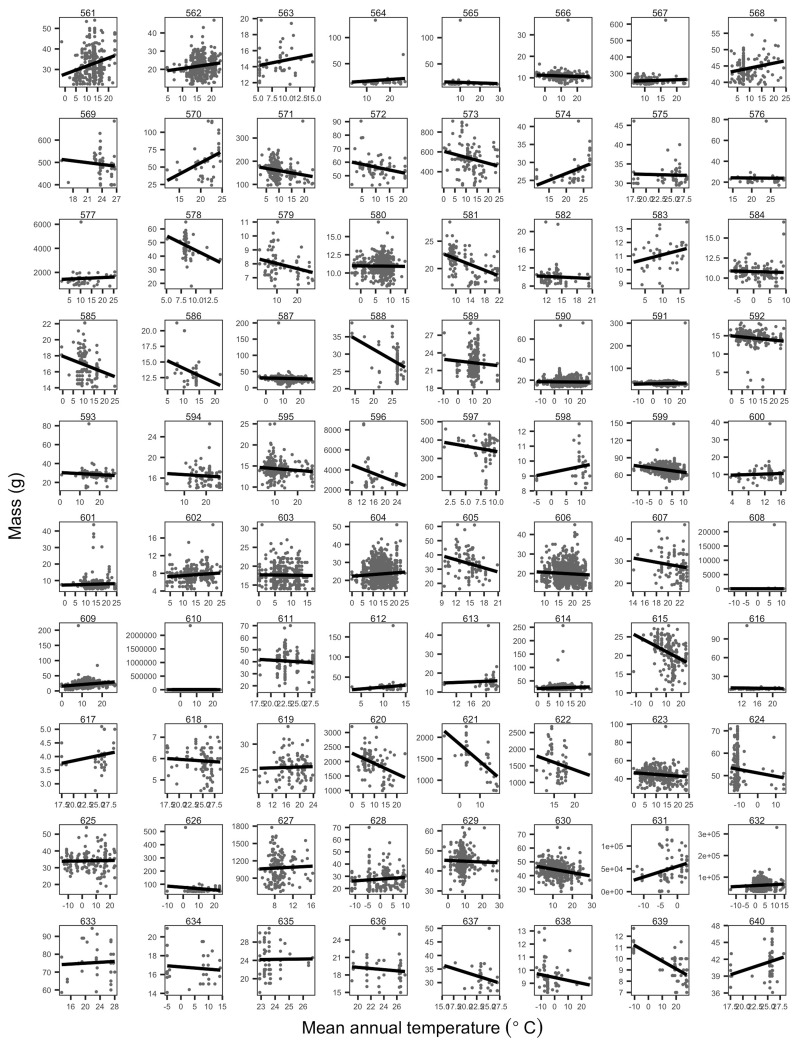
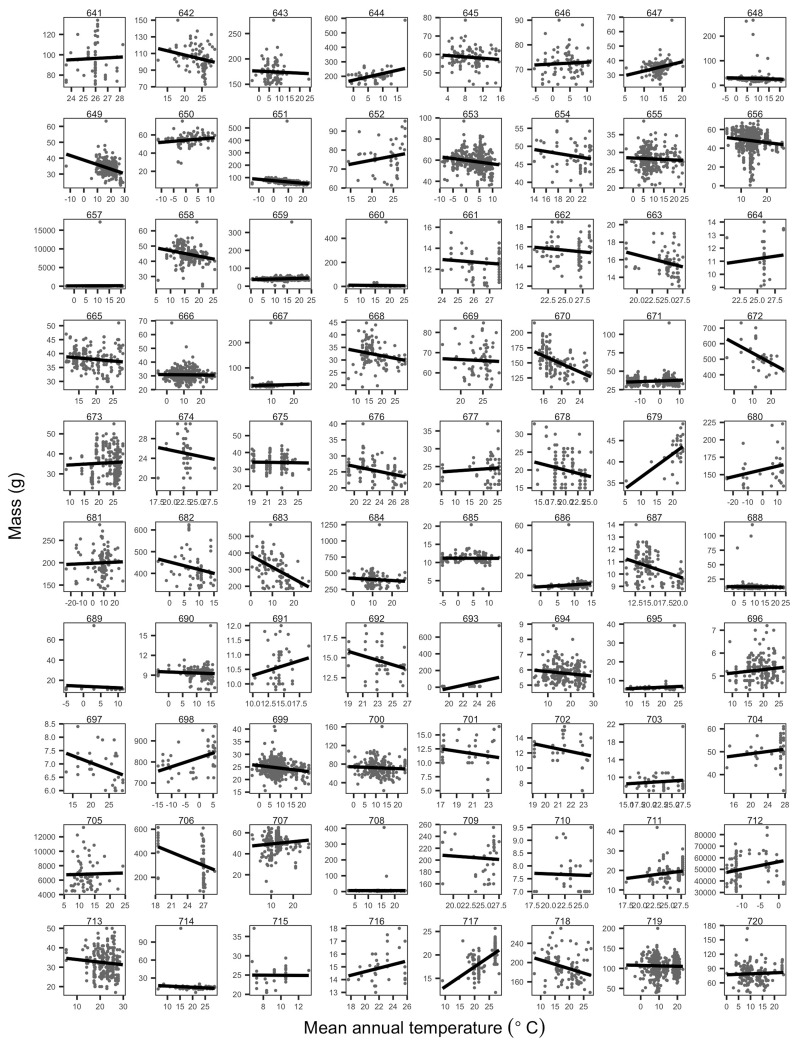
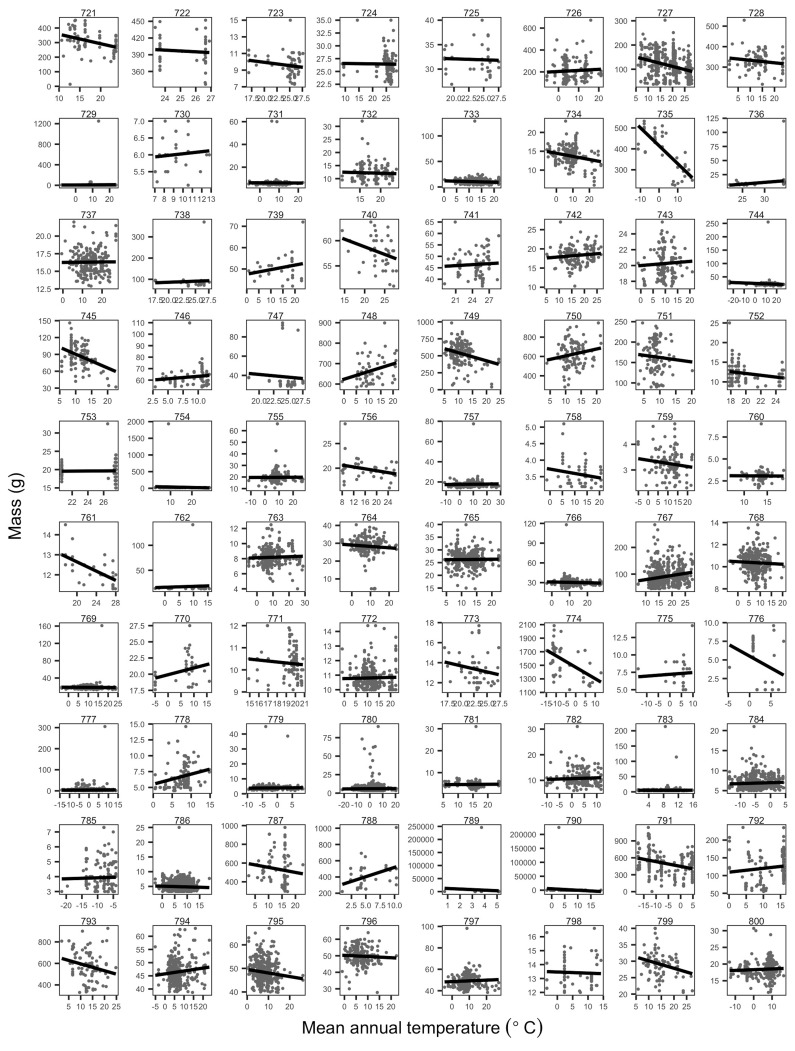
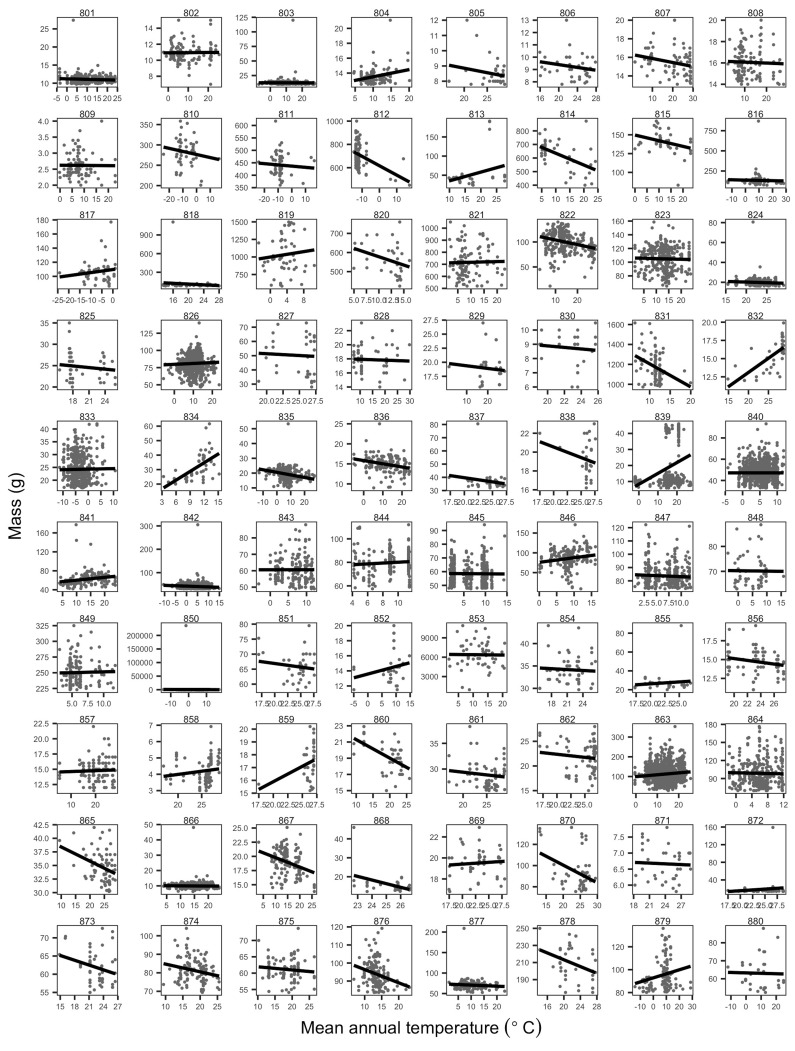
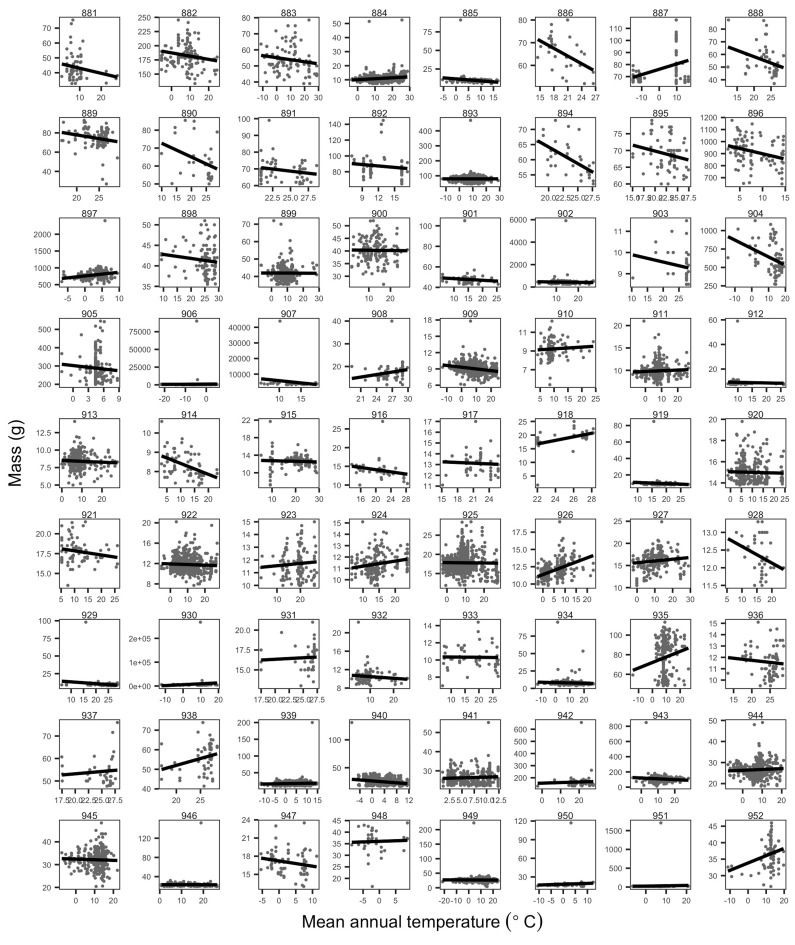
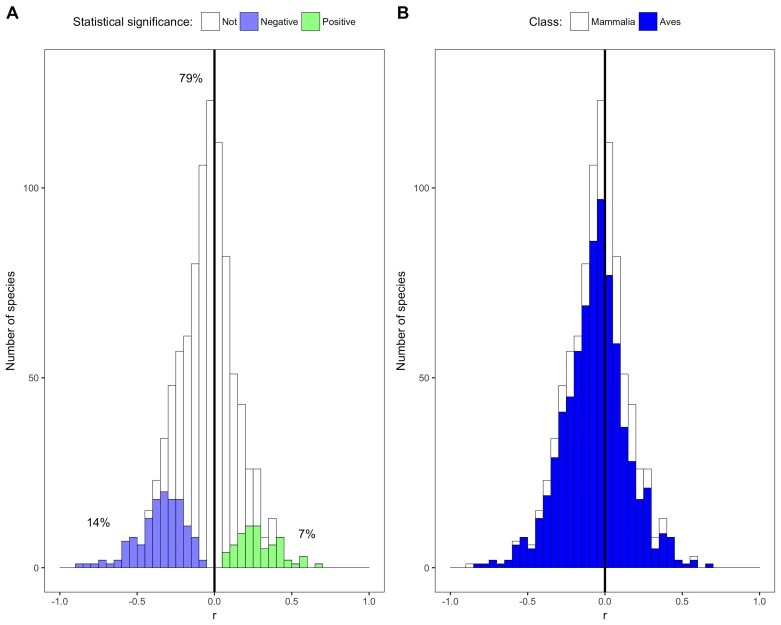
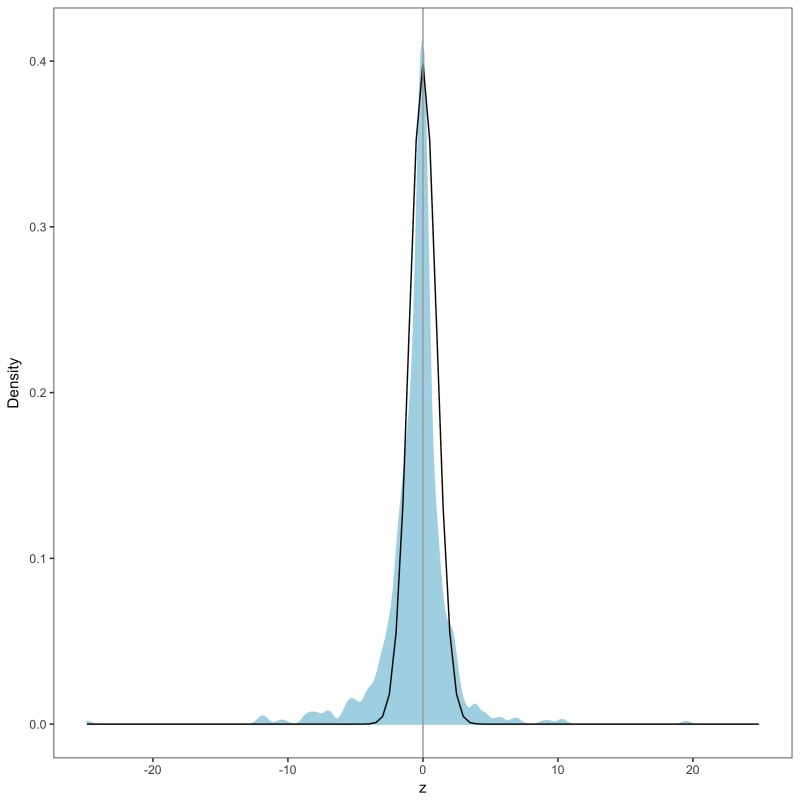
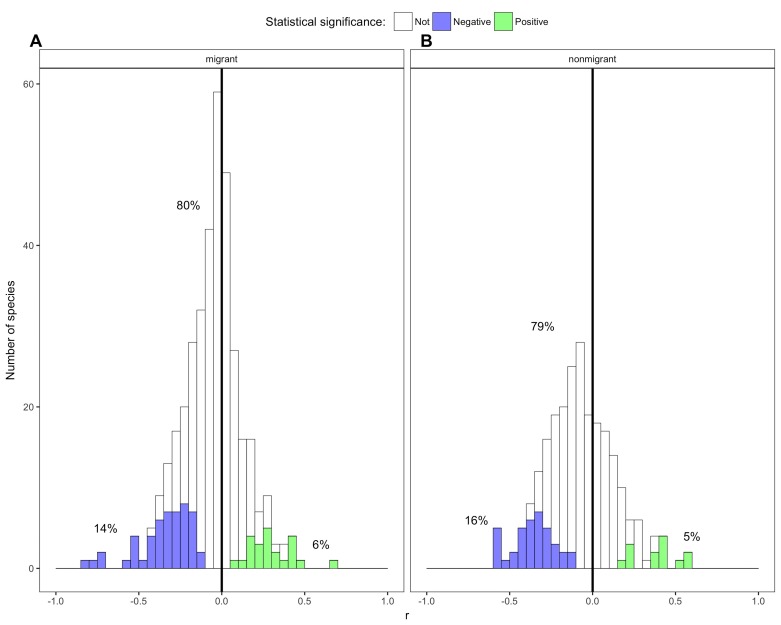
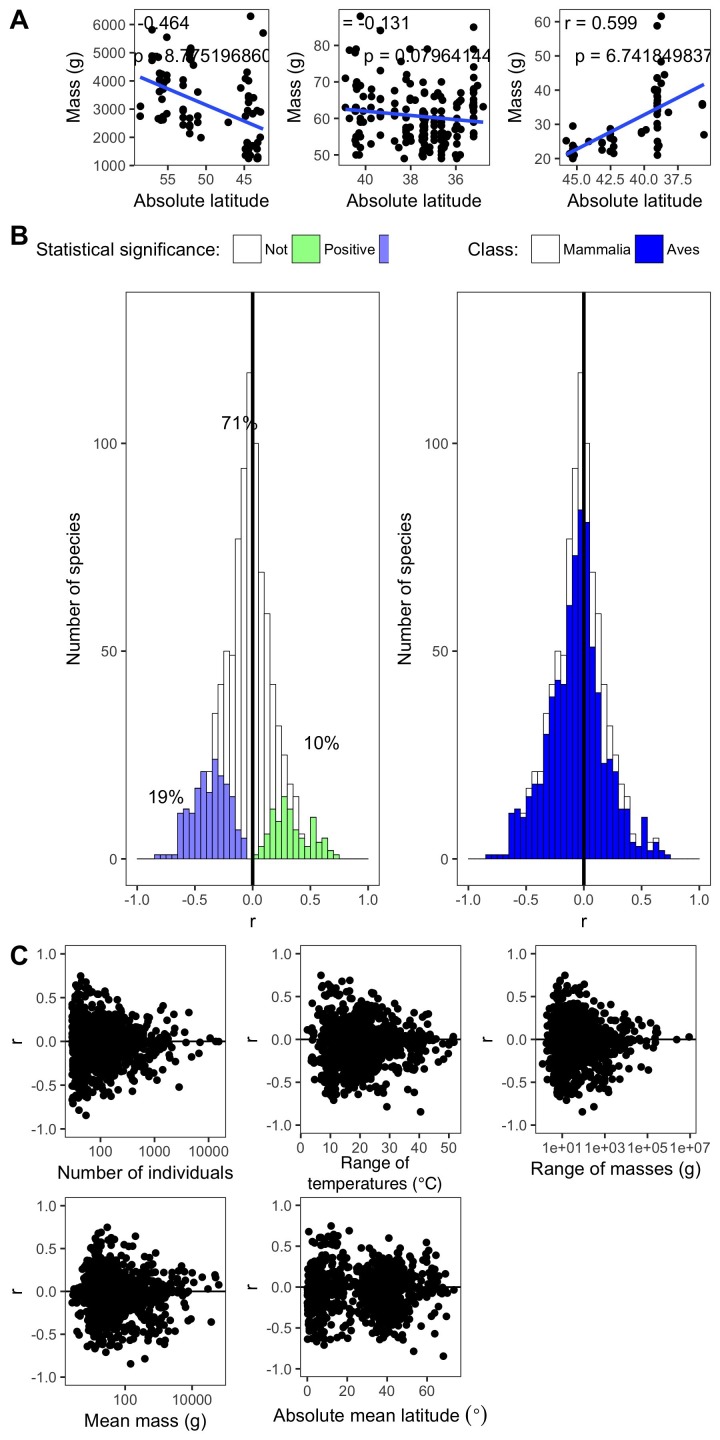
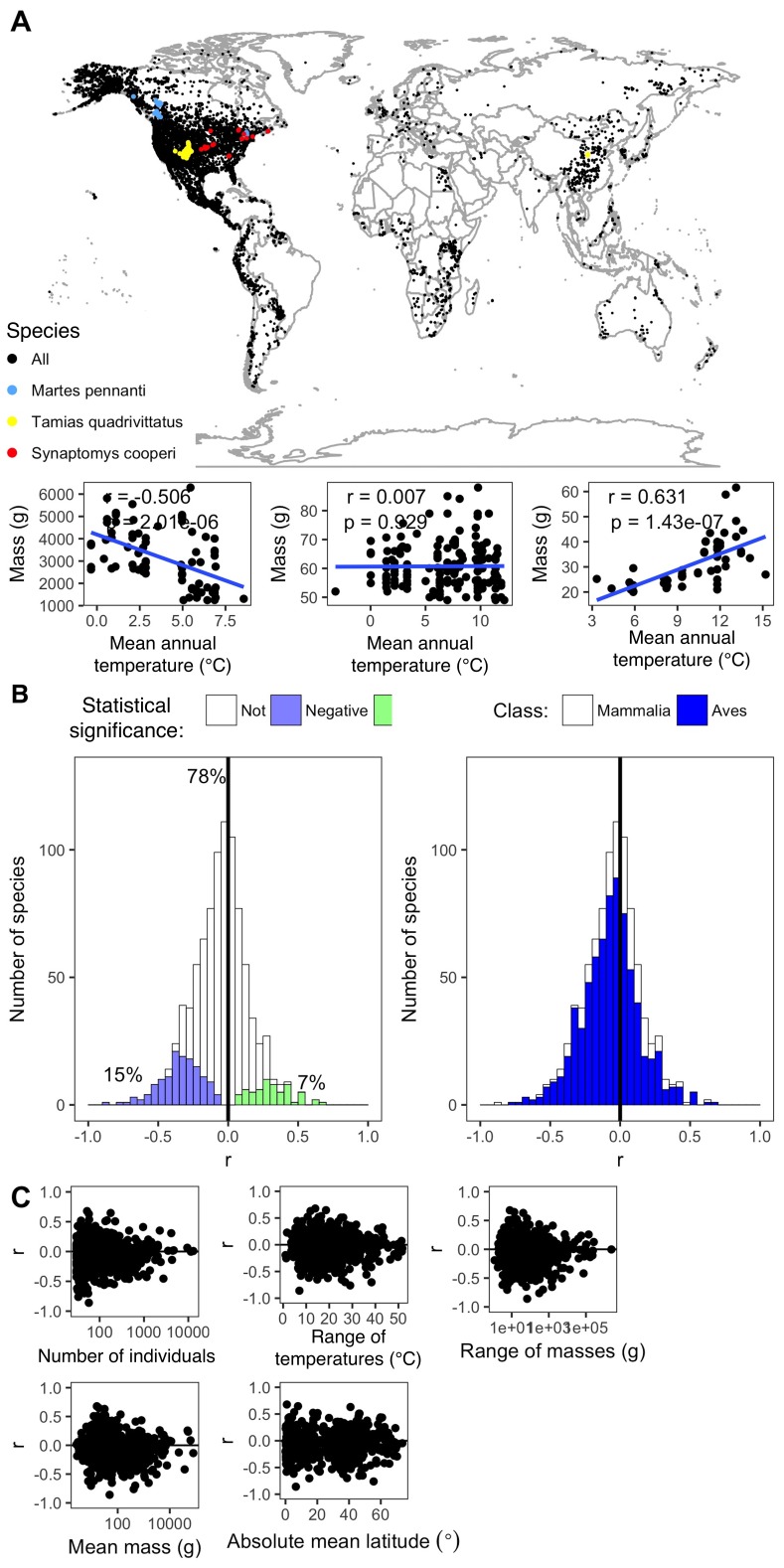
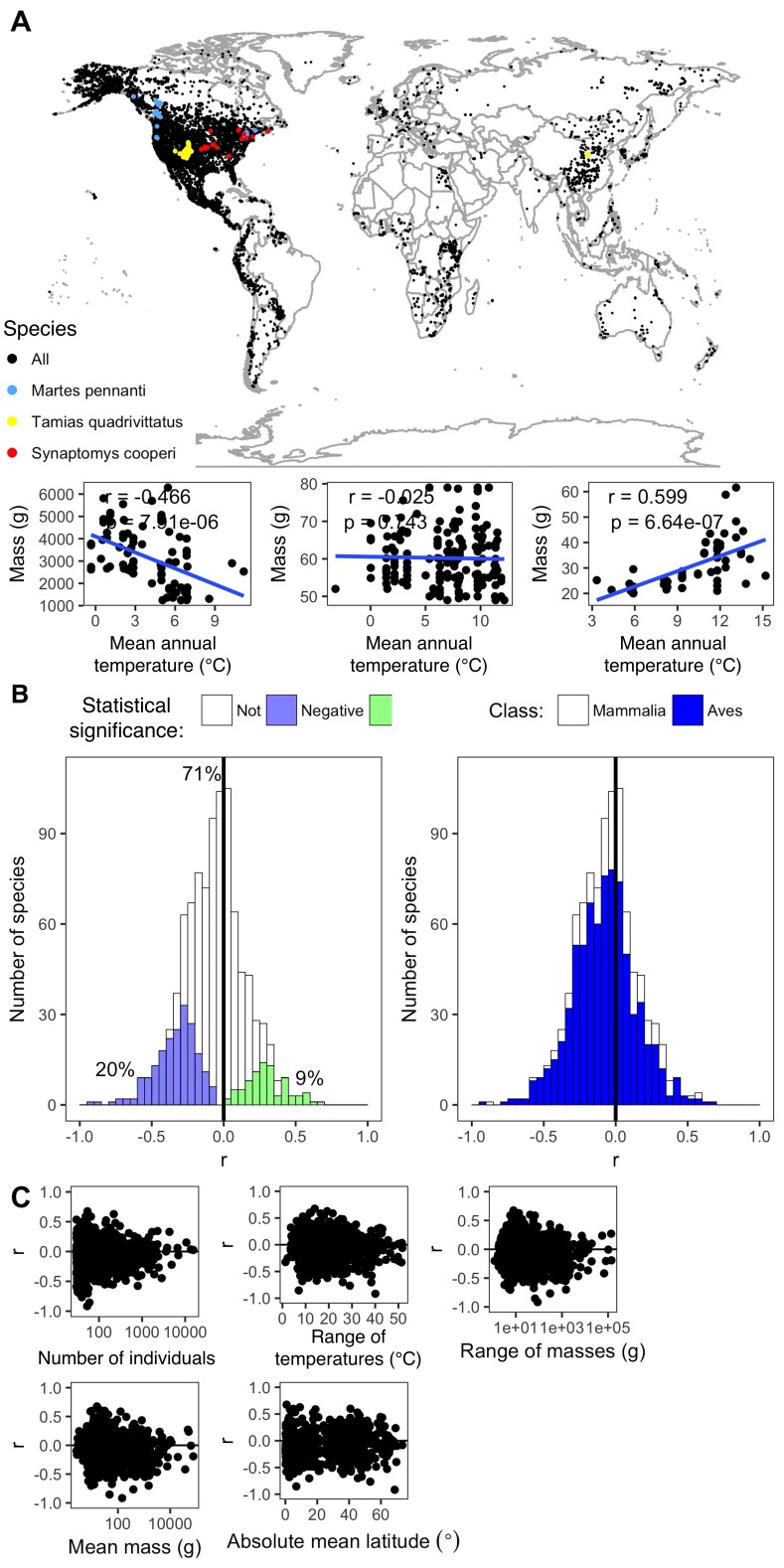
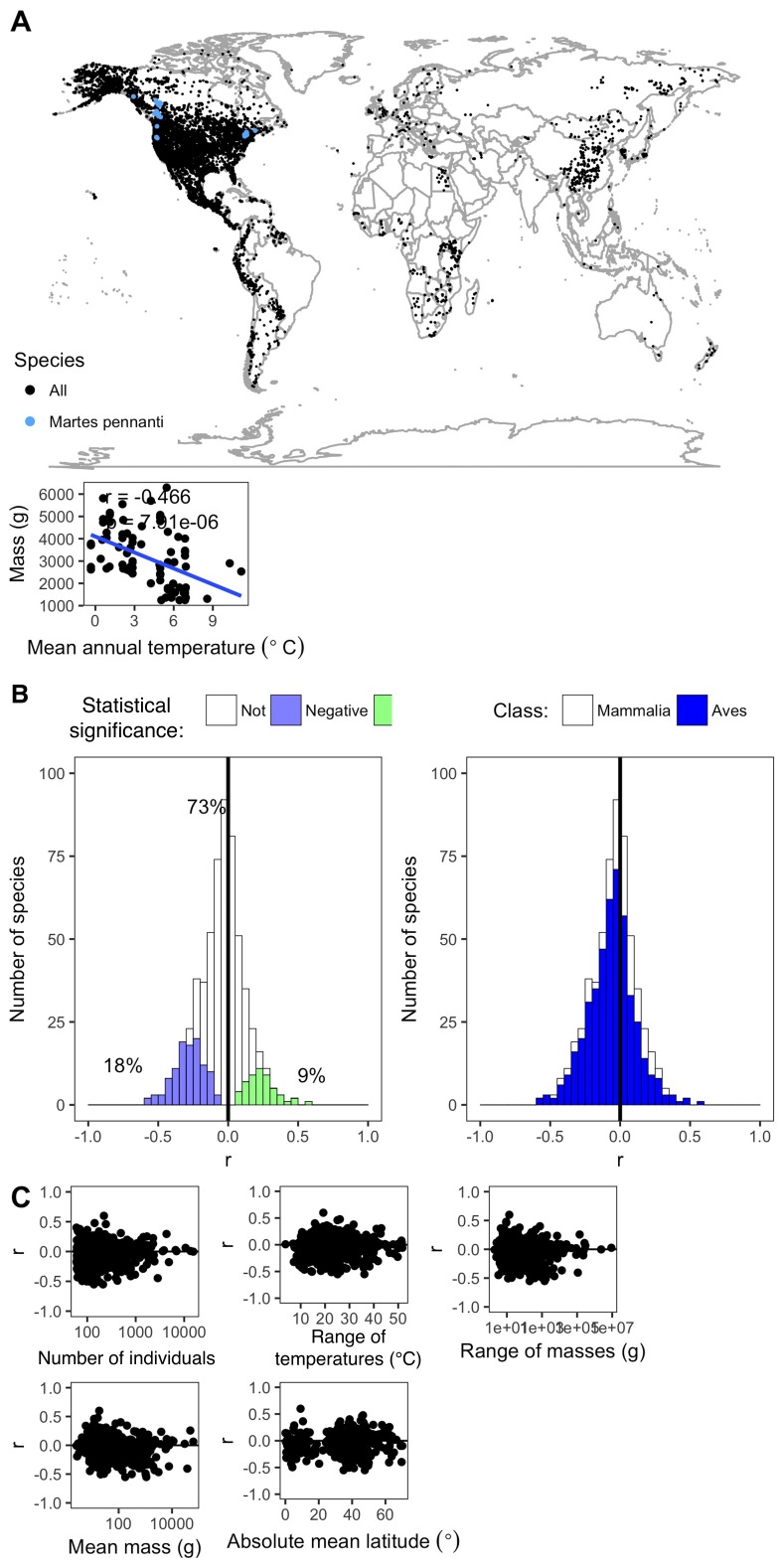
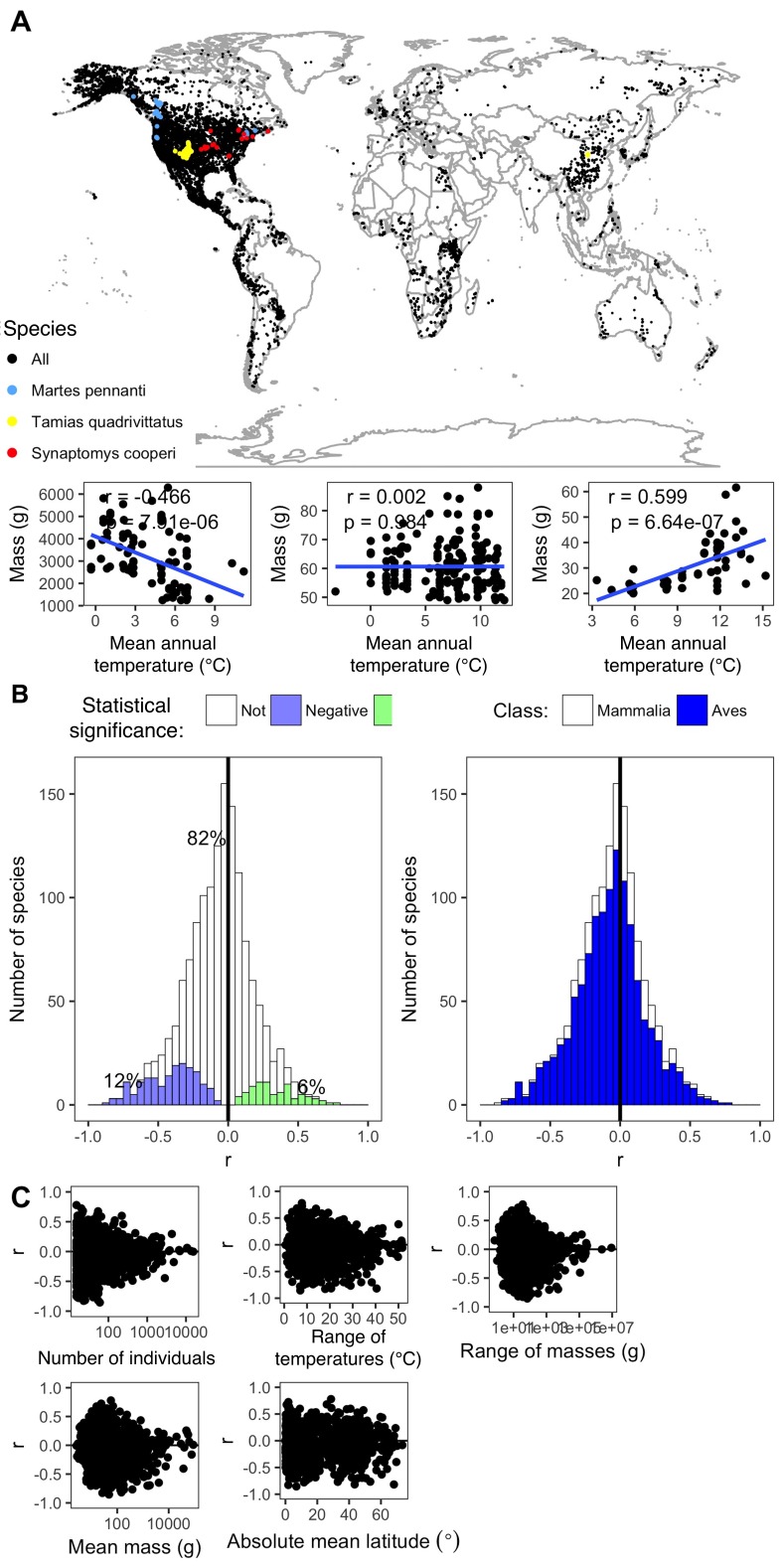
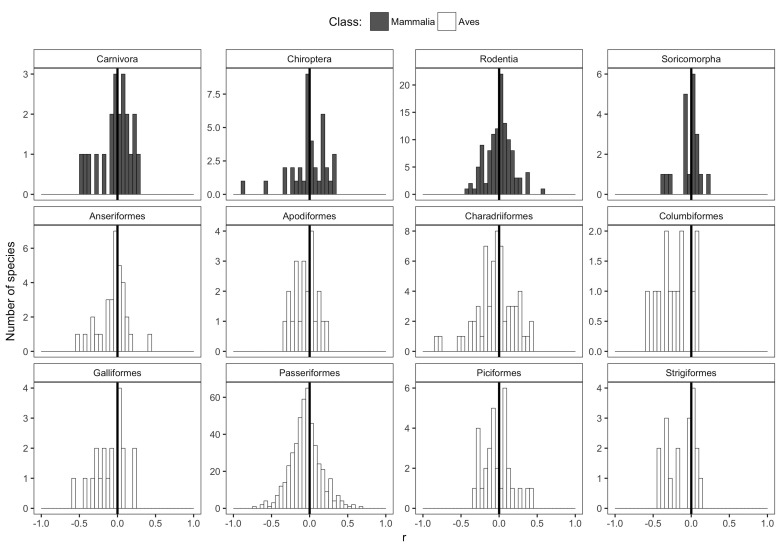
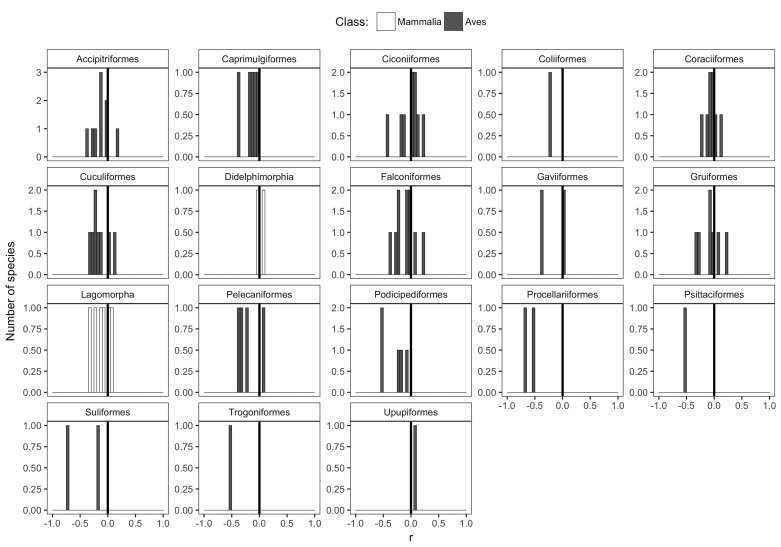
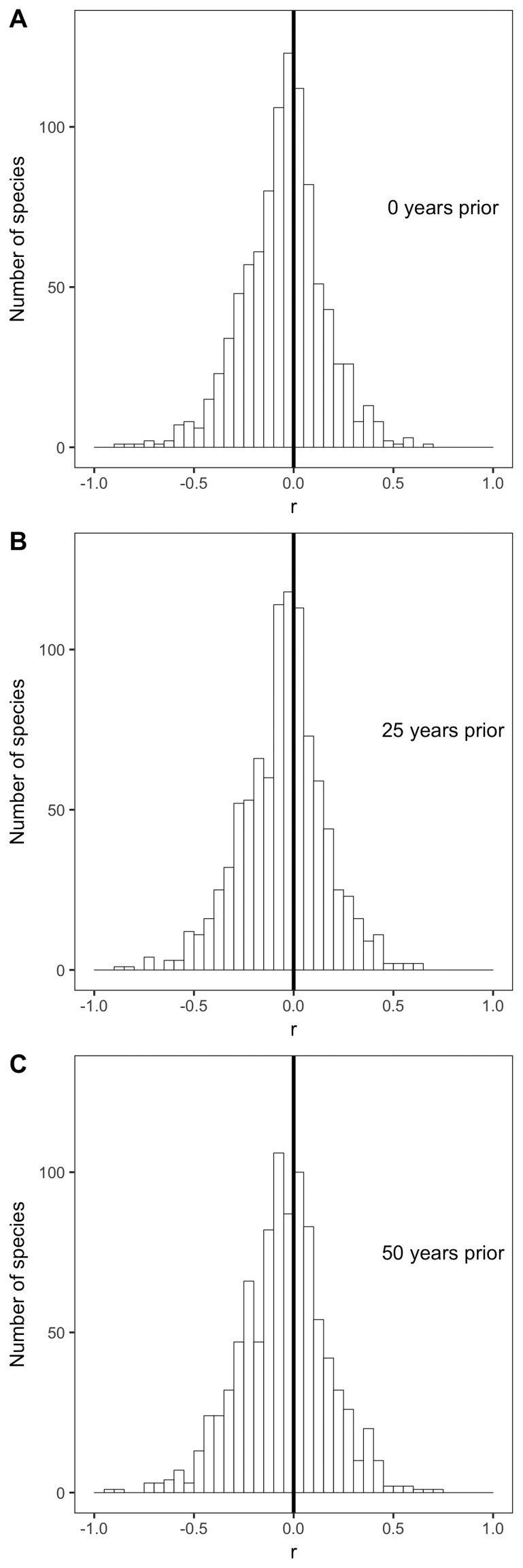
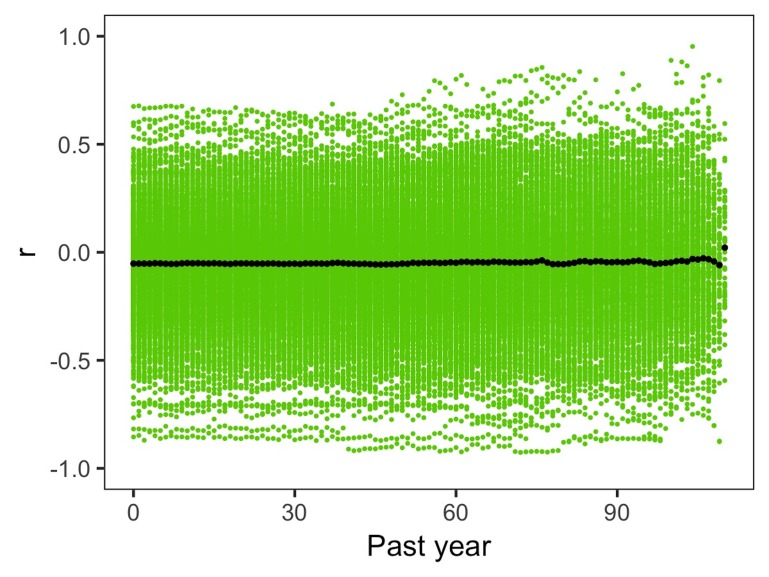
Bergmann's rule is a widely-accepted biogeographic rule stating that individuals within a species are smaller in warmer environments. While there are many single-species studies and integrative reviews documenting this pattern, a data-intensive approach has not been used yet to determine the generality of this pattern. We assessed the strength and direction of the intraspecific relationship between temperature and individual mass for 952 bird and mammal species. For eighty-seven percent of species, temperature explained less than 10% of variation in mass, and for 79% of species the correlation was not statistically significant. These results suggest that Bergmann's rule is not general and temperature is not a dominant driver of biogeographic variation in mass. Further understanding of size variation will require integrating multiple processes that influence size. The lack of dominant temperature forcing weakens the justification for the hypothesis that global warming could result in widespread decreases in body size.
贝格曼规律是一个被广泛接受的生物地理学规律,它指出在温暖的环境中,物种内的个体体型较小。虽然有许多单物种的研究和综合综述记录了这一模式,但尚未采用数据密集型方法来确定这种模式的普遍性。我们评估了 952 种鸟类和哺乳动物物种的温度与个体质量之间的种内关系的强度和方向。对于 87%的物种,温度对质量变化的解释不到 10%,而对于 79%的物种,相关性在统计学上并不显著。这些结果表明,贝格曼规律并不普遍,温度不是质量生物地理变异的主要驱动因素。进一步了解大小变化将需要整合影响大小的多个过程。缺乏主导温度的压力削弱了这样一种假设的合理性,即全球变暖可能导致体型普遍缩小。