Division of Integrative Physiology, Department of Physiology, Jichi Medical University School of Medicine, 3311-1 Yakushiji, Shimotsuke, Tochigi, 329-0498, Japan.
Research Faculty of Agriculture, Hokkaido University, Kita-9, Nishi-9, Kita-ku, Sapporo, 060-8589, Japan.
Nat Commun. 2018 Jan 9;9(1):113. doi: 10.1038/s41467-017-02488-y.
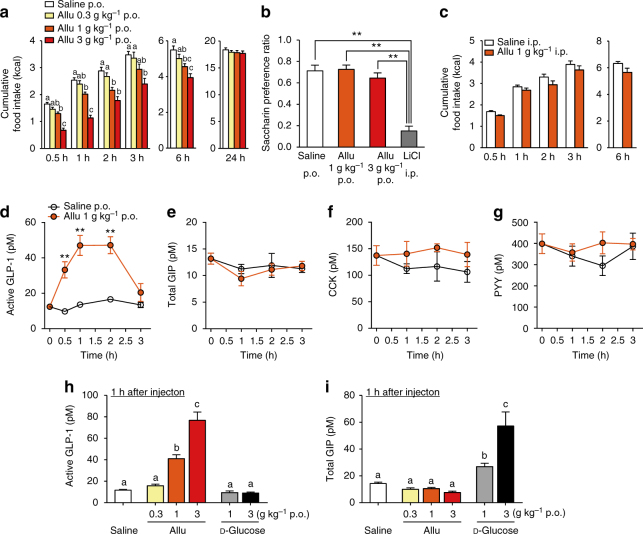
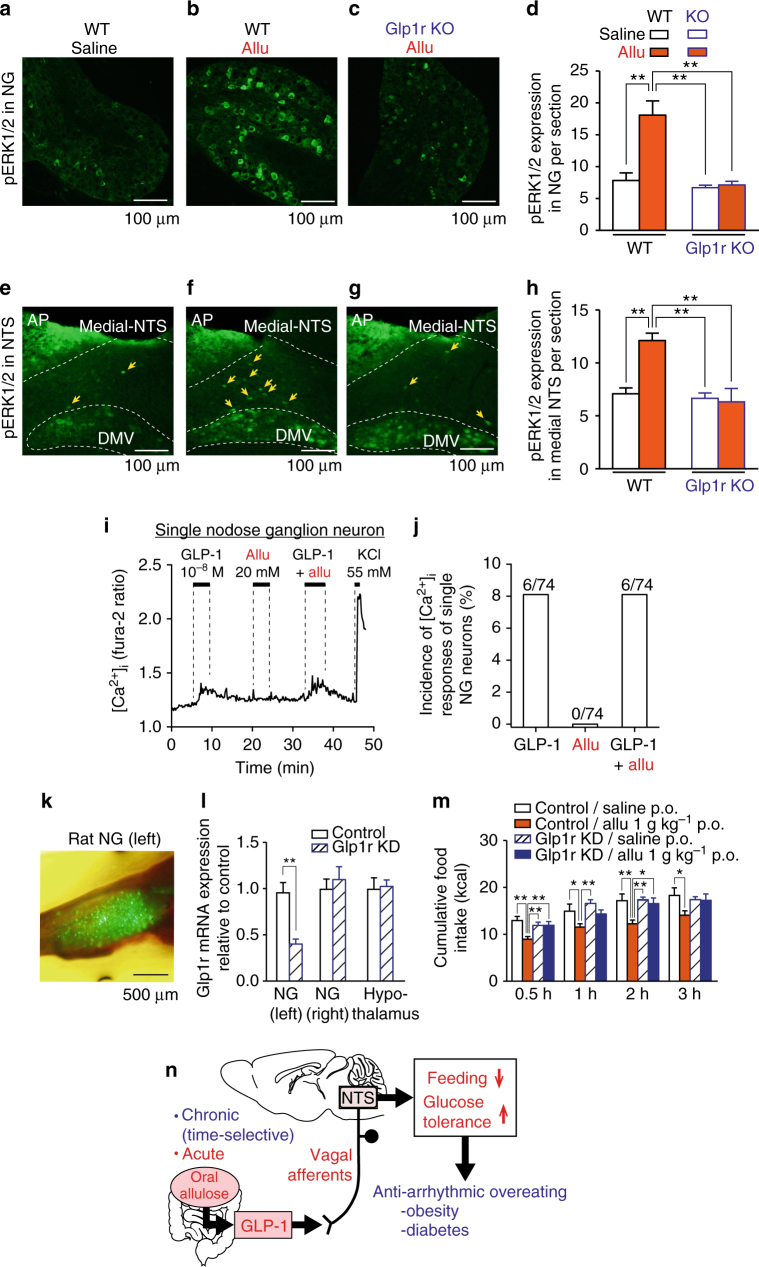
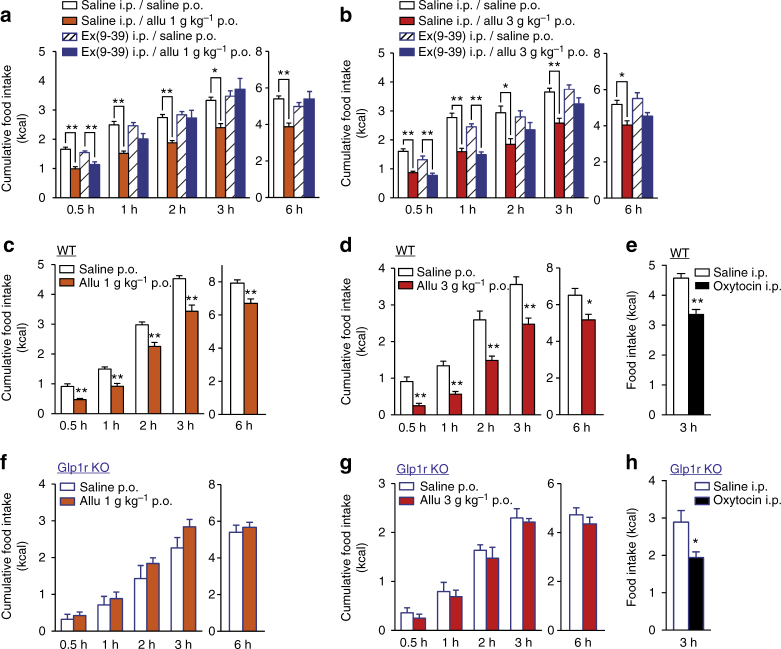
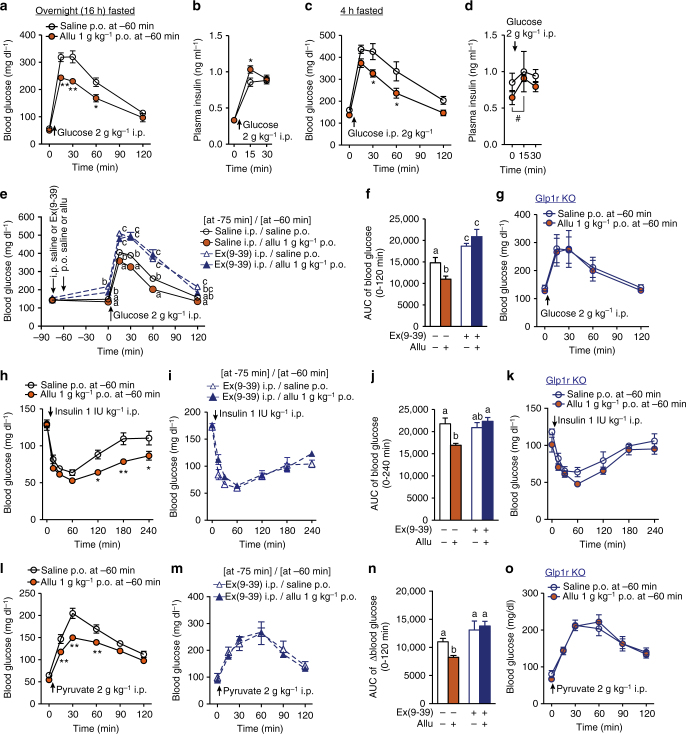
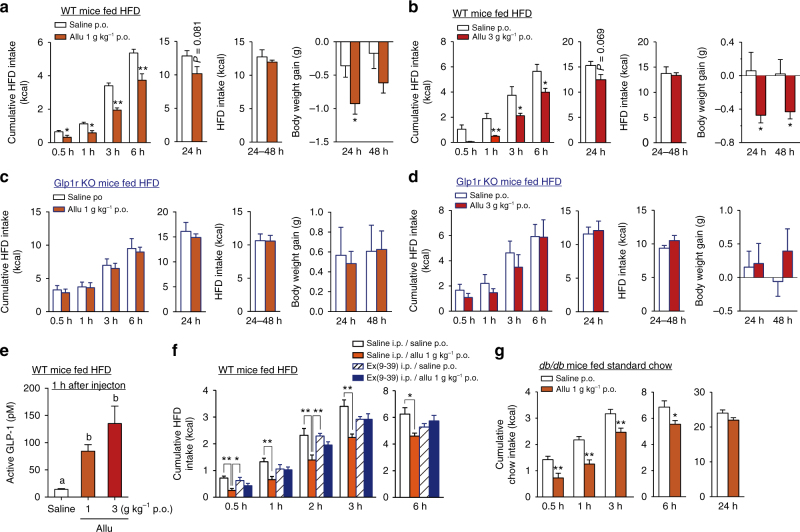
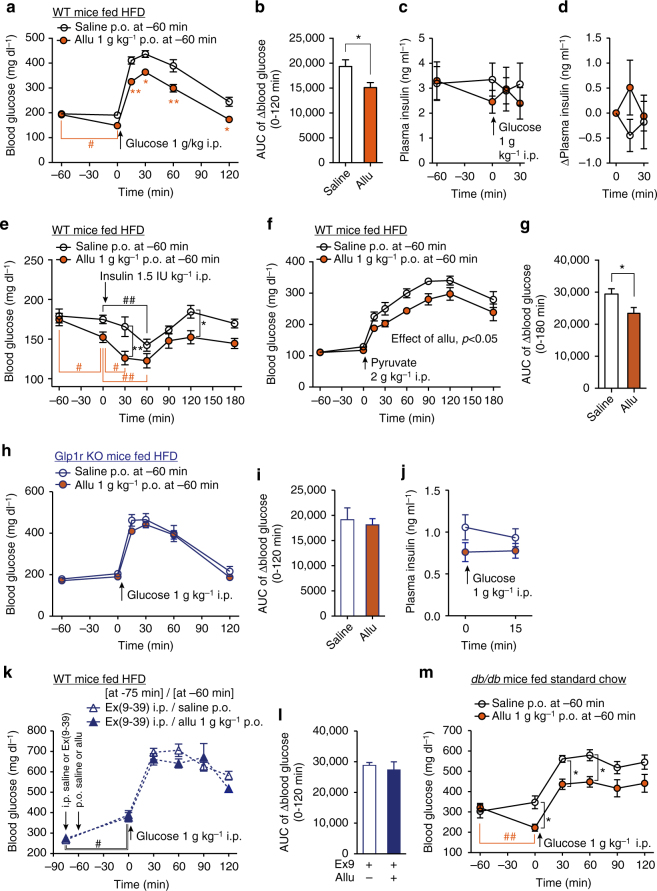
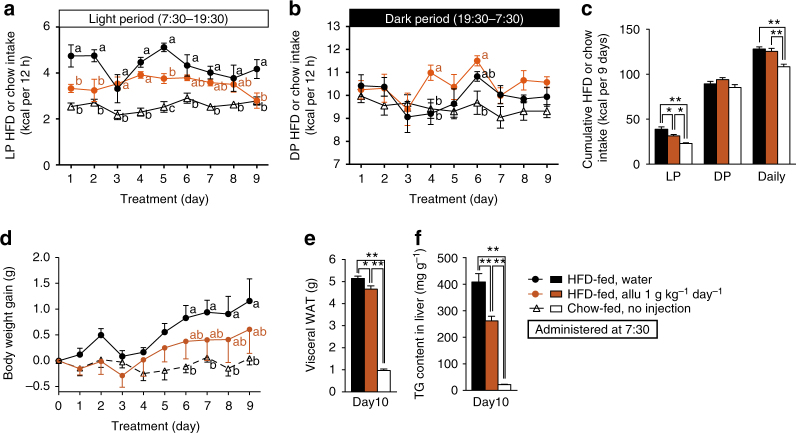
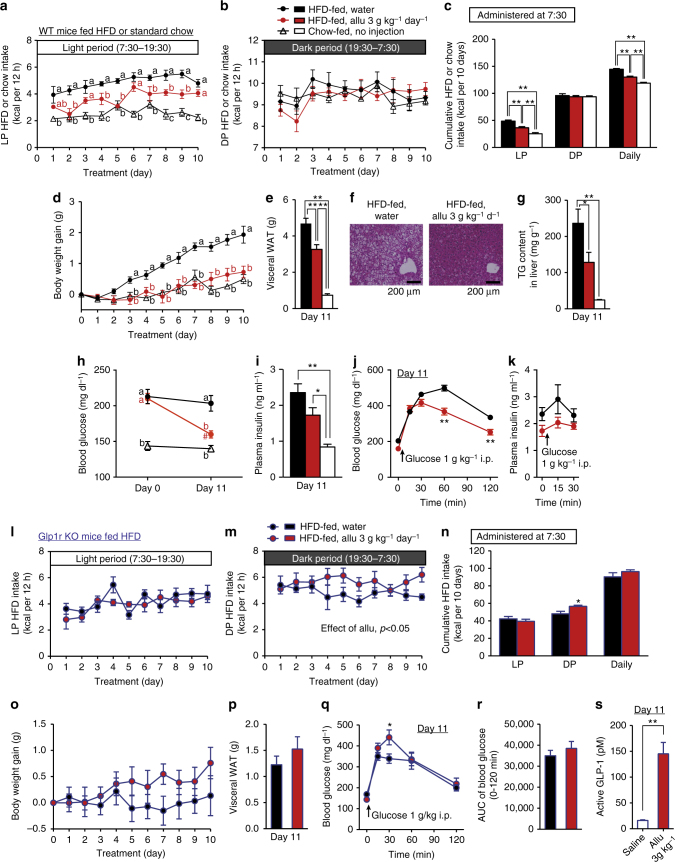
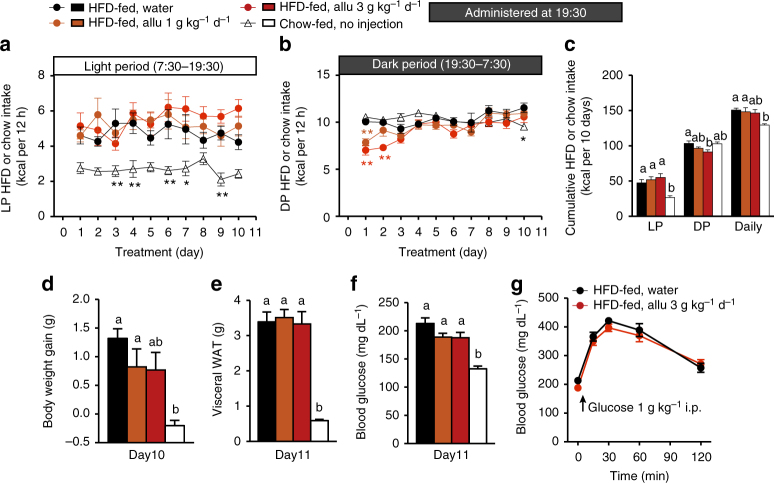
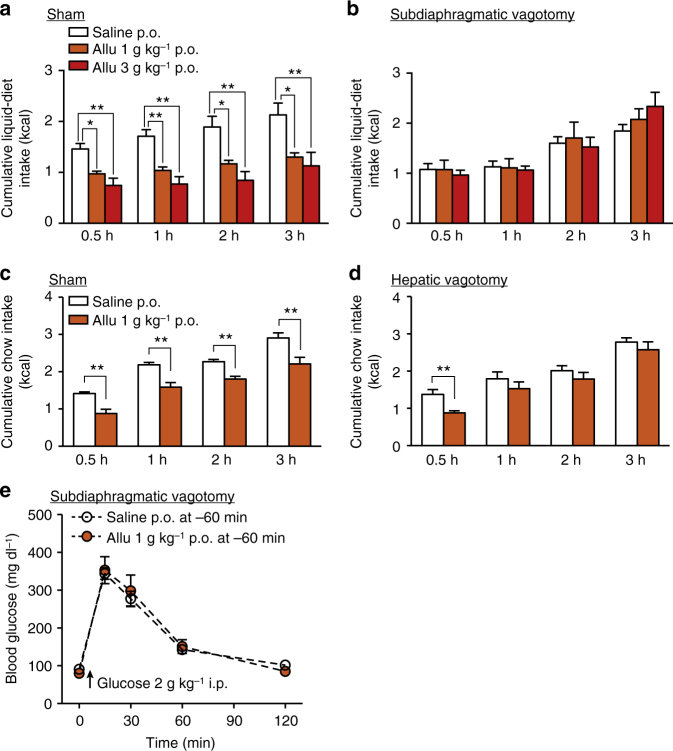
Overeating and arrhythmic feeding promote obesity and diabetes. Glucagon-like peptide-1 receptor (GLP-1R) agonists are effective anti-obesity drugs but their use is limited by side effects. Here we show that oral administration of the non-calorie sweetener, rare sugar D-allulose (D-psicose), induces GLP-1 release, activates vagal afferent signaling, reduces food intake and promotes glucose tolerance in healthy and obese-diabetic animal models. Subchronic D-allulose administered at the light period (LP) onset ameliorates LP-specific hyperphagia, visceral obesity, and glucose intolerance. These effects are blunted by vagotomy or pharmacological GLP-1R blockade, and by genetic inactivation of GLP-1R signaling in whole body or selectively in vagal afferents. Our results identify D-allulose as prominent GLP-1 releaser that acts via vagal afferents to restrict feeding and hyperglycemia. Furthermore, when administered in a time-specific manner, chronic D-allulose corrects arrhythmic overeating, obesity and diabetes, suggesting that chronotherapeutic modulation of vagal afferent GLP-1R signaling may aid in treating metabolic disorders.
过量进食和不规律进食会导致肥胖和糖尿病。胰高血糖素样肽-1 受体 (GLP-1R) 激动剂是有效的抗肥胖药物,但由于副作用,其应用受到限制。在这里,我们表明,口服非热量甜味剂,稀有糖 D-阿洛酮糖(D-psicose),可诱导 GLP-1 释放,激活迷走传入信号,减少健康和肥胖型糖尿病动物模型的食物摄入并促进葡萄糖耐量。在光期 (LP) 开始时给予亚慢性 D-阿洛酮糖可改善 LP 特异性多食、内脏肥胖和葡萄糖不耐受。这些作用被迷走神经切断术或药理学 GLP-1R 阻断,以及全身或选择性在迷走传入纤维中 GLP-1R 信号的基因失活所减弱。我们的结果表明,D-阿洛酮糖是一种重要的 GLP-1 释放剂,通过迷走传入纤维来限制进食和高血糖。此外,当以特定时间方式给予时,慢性 D-阿洛酮糖可纠正节律性进食过量、肥胖和糖尿病,表明迷走传入 GLP-1R 信号的时间治疗调节可能有助于治疗代谢紊乱。