Deng Guoying, Zhou Feng, Wu Zizheng, Zhang Fei, Niu Kerun, Kang Yingjie, Liu Xijian, Wang Qiugen, Wang Yin, Wang Qian
Trauma Center.
Department of Orthopaedics, Shanghai General Hospital, Shanghai Jiaotong University School of Medicine.
Int J Nanomedicine. 2017 Dec 21;13:103-116. doi: 10.2147/IJN.S148487. eCollection 2018.
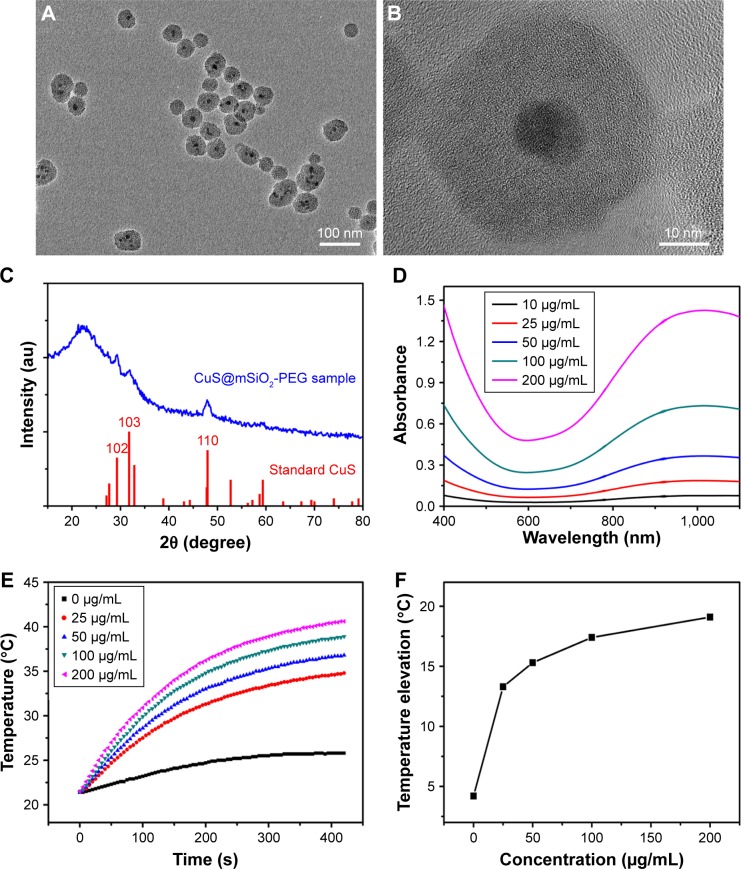
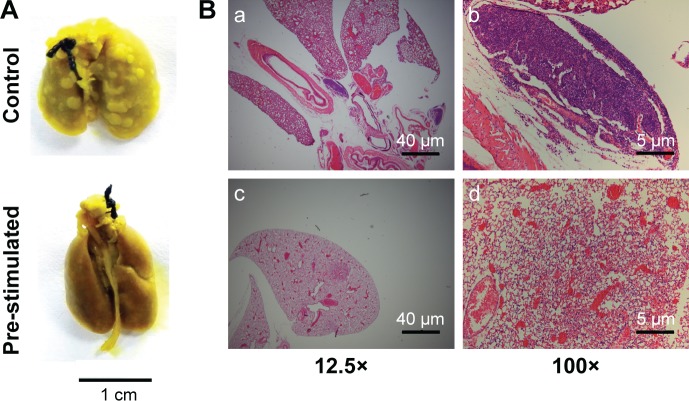
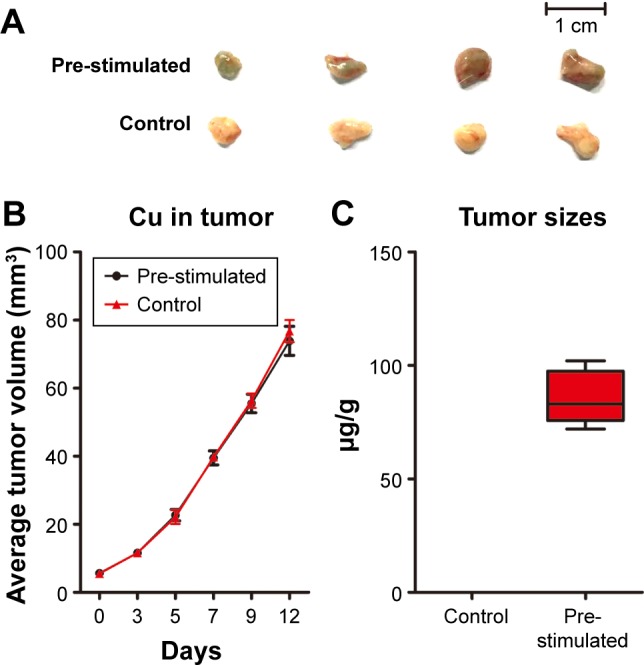
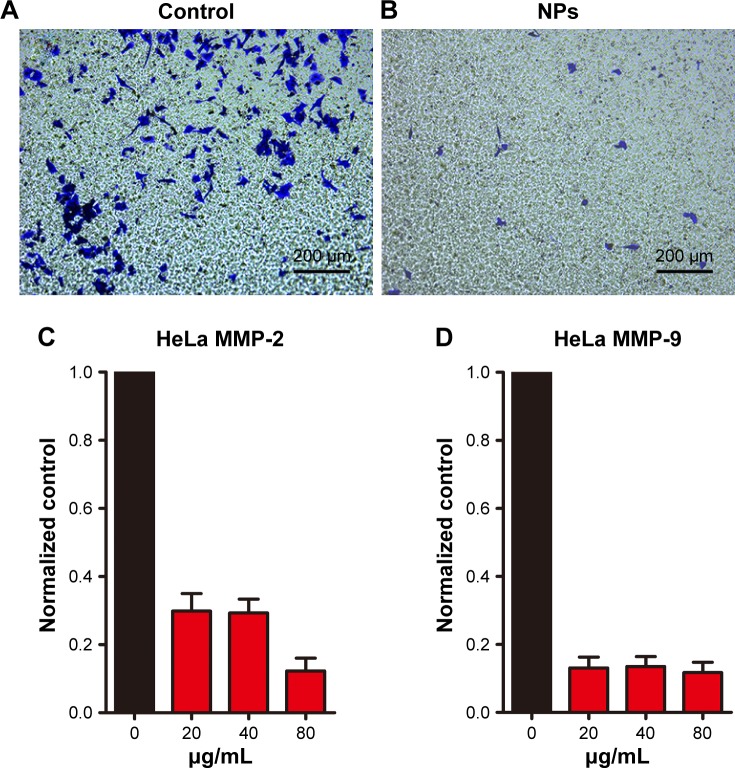
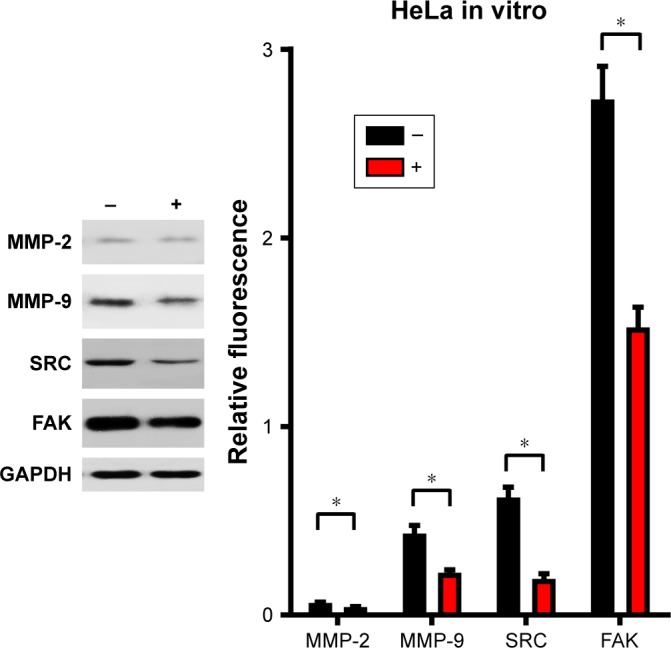
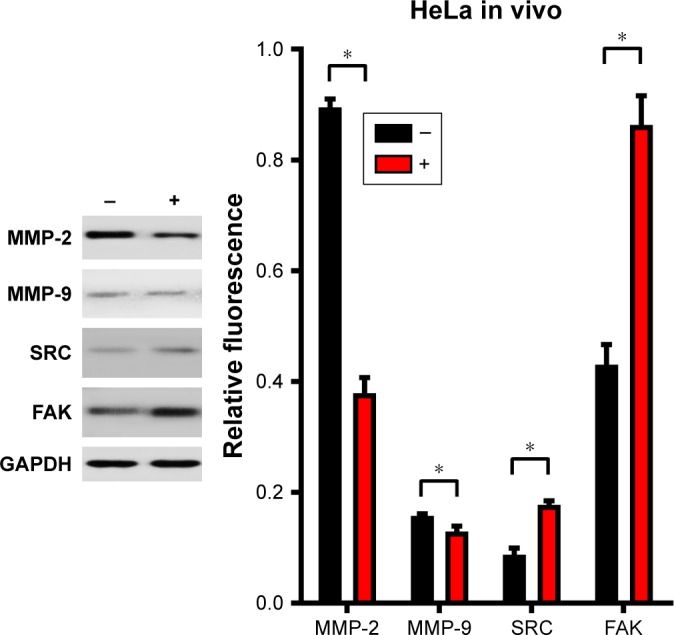
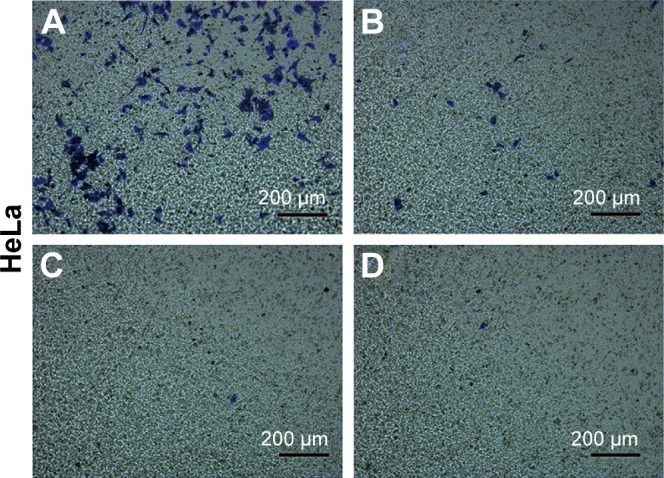
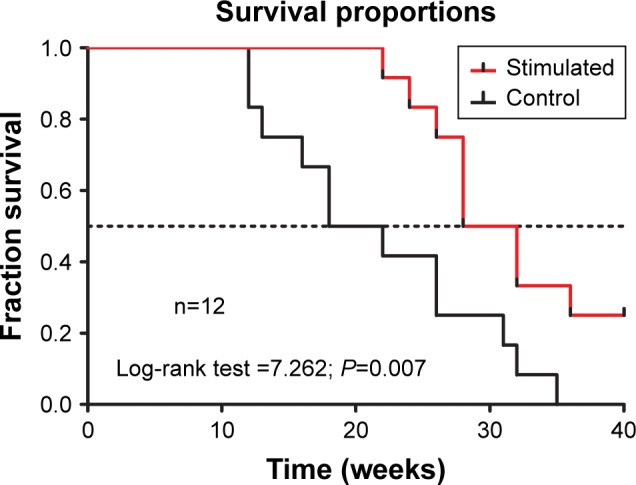
The metastasis of cancer cells is a vital aspect of disease progression and therapy. Although a few nanoparticles (NPs) aimed at controlling metastasis in cancer therapy have been reported, the NPs are normally combined with drugs, yet the direct therapeutic effects of the NPs are not reported. To study the direct influence of NPs on cancer metastasis, the potential suppression capacity of CuS@mSiO-PEG NPs to tumor cell migration, a kind of typical photothermal NPs, was systemically evaluated in this study. Using CuS@mSiO-PEG NP stimulation and a transwell migration assay, we found that the migration of HeLa cells was significantly decreased. This phenomenon may be associated with two classical proteins in metastasis: matrix metalloproteinase 2 (MMP-2) and matrix metalloproteinase 9 (MMP-9). In addition, the mechanism may closely associate with non-receptor tyrosine kinase protein (SRC)/focal adhesion kinase (FAK) signaling pathway which varies in vivo and in vitro. To confirm the differences in the expression of SRC and FAK, related inhibitors were studied for additional comparison. Also, the results indicated that even though the migration inhibition was closely related to SRC and FAK signaling pathway, there may be another unknown regulation mechanism existing and its metastasis inhibition was significant. Confirmed by long-term survival curve study, CuS@mSiO-PEG NPs significantly reduced the metastasis of cancer cells and improved the survival rates of metastasis in a mouse model. Thus, we believe that the direct influence of NPs on cancer cell metastasis is a promising study topic.
癌细胞的转移是疾病进展和治疗的一个重要方面。尽管已经报道了一些旨在控制癌症治疗中转移的纳米颗粒(NPs),但这些NPs通常与药物联合使用,然而NPs的直接治疗效果尚未见报道。为了研究NPs对癌症转移的直接影响,本研究系统评估了典型的光热NPs——CuS@mSiO-PEG NPs对肿瘤细胞迁移的潜在抑制能力。通过CuS@mSiO-PEG NP刺激和Transwell迁移试验,我们发现HeLa细胞的迁移显著减少。这种现象可能与转移过程中的两种经典蛋白有关:基质金属蛋白酶2(MMP-2)和基质金属蛋白酶9(MMP-9)。此外,其机制可能与非受体酪氨酸激酶蛋白(SRC)/粘着斑激酶(FAK)信号通路密切相关,该信号通路在体内和体外有所不同。为了证实SRC和FAK表达的差异,研究了相关抑制剂进行进一步比较。此外,结果表明,尽管迁移抑制与SRC和FAK信号通路密切相关,但可能存在另一种未知的调控机制,且其转移抑制作用显著。通过长期生存曲线研究证实,CuS@mSiO-PEG NPs在小鼠模型中显著降低了癌细胞的转移并提高了转移后的生存率。因此,我们认为NPs对癌细胞转移的直接影响是一个有前景的研究课题。