Defarge N, Spiroux de Vendômois J, Séralini G E
University of Caen Normandy, Department of Biology and Network on Risks, Quality and Sustainable Environment MRSH, Esplanade de la Paix, 14032 Caen Cedex, France.
CRIIGEN, 81 Rue Monceau, 75008 Paris, France.
Toxicol Rep. 2017 Dec 30;5:156-163. doi: 10.1016/j.toxrep.2017.12.025. eCollection 2018.
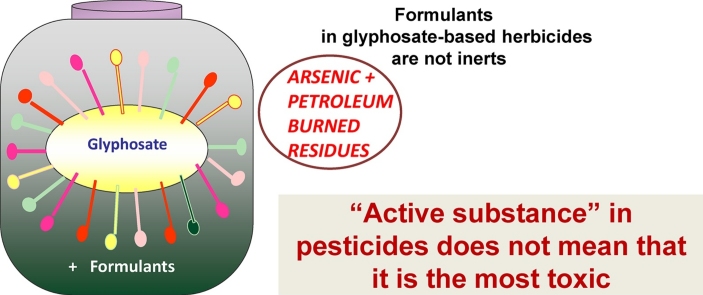
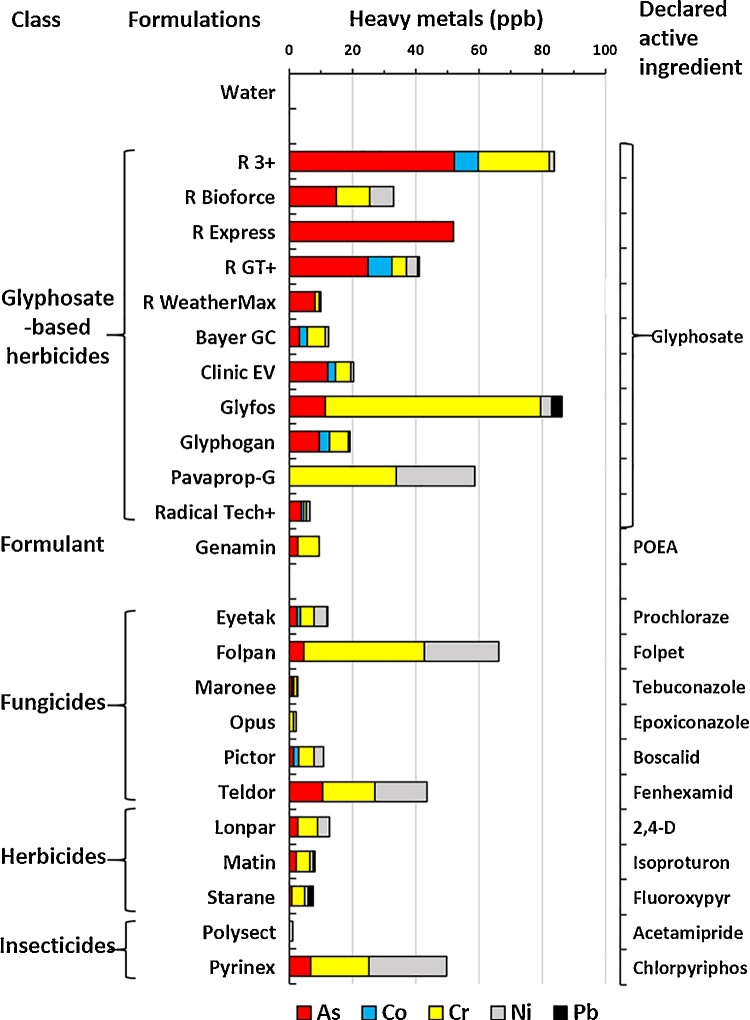
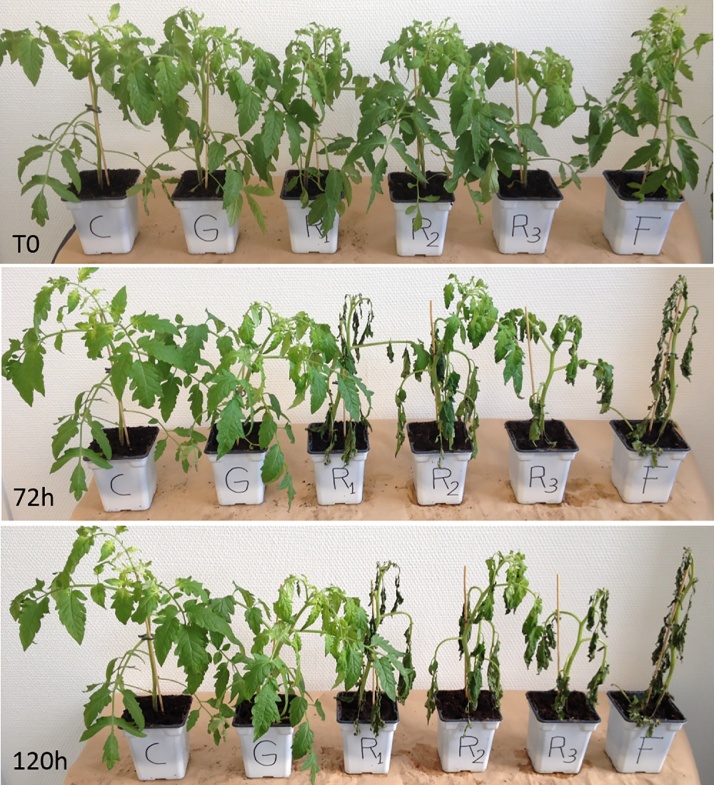
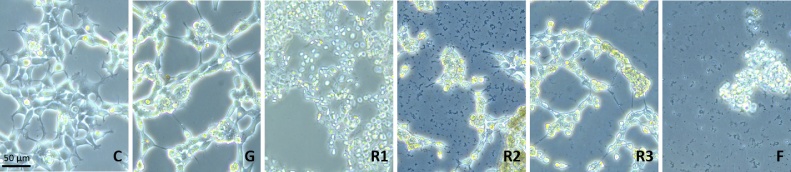
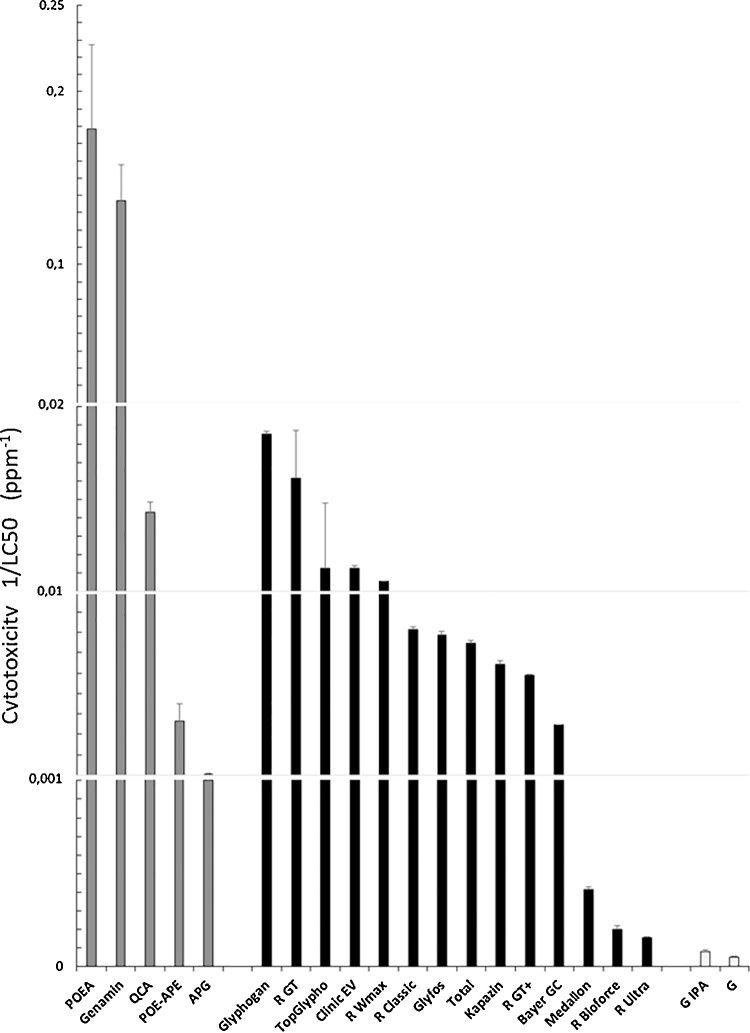
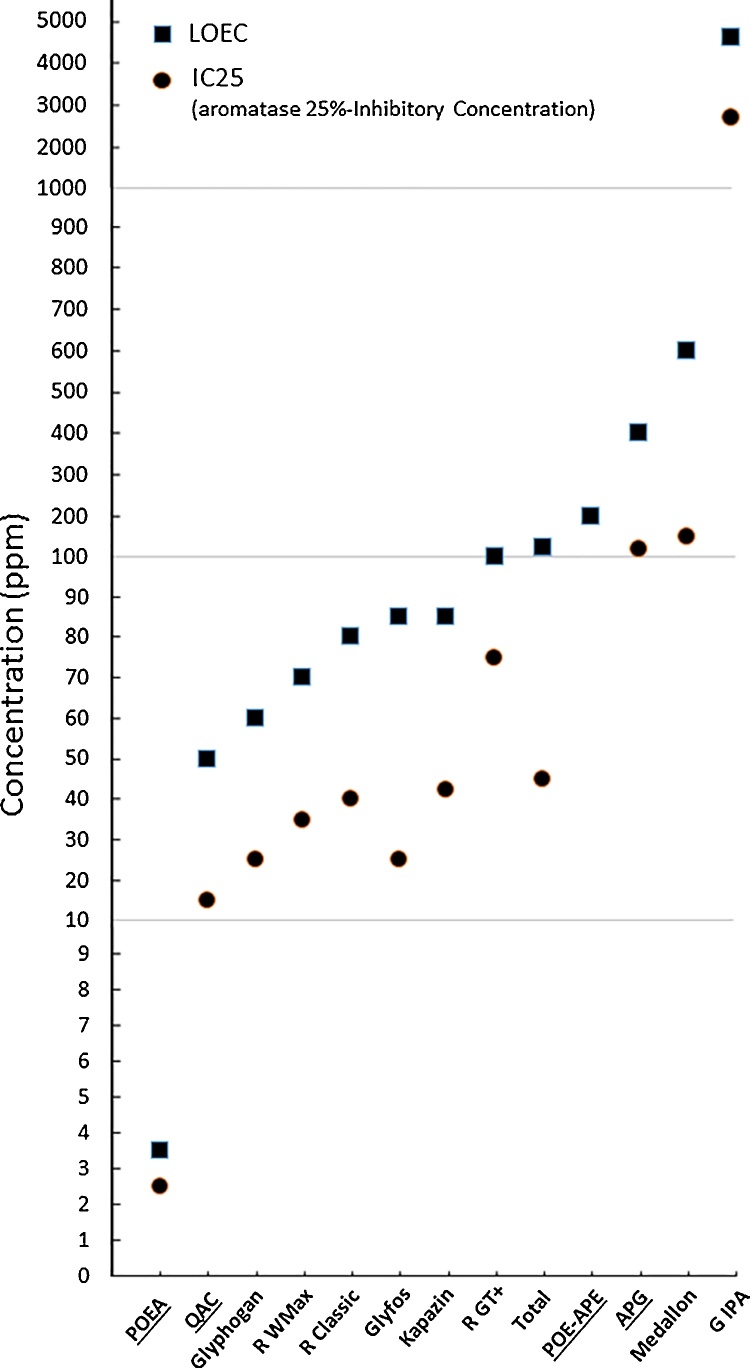
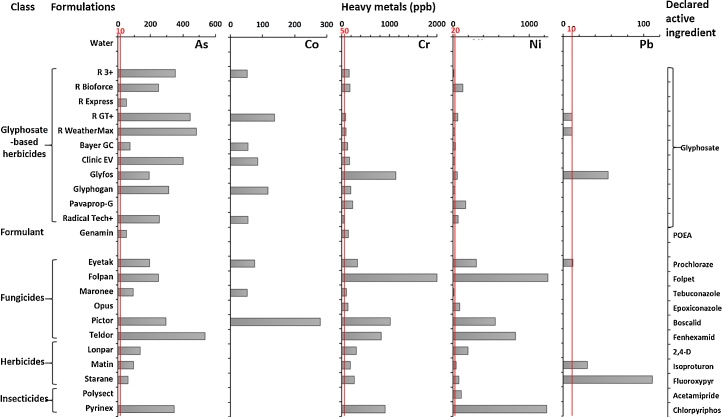
The major pesticides of the world are glyphosate-based herbicides (GBH), and their toxicity is highly debated. To understand their mode of action, the comparative herbicidal and toxicological effects of glyphosate (G) alone and 14 of its formulations were studied in this work, as a model for pesticides. GBH are mixtures of water, with commonly 36-48% G claimed as the active principle. As with other pesticides, 10-20% of GBH consist of chemical formulants. We previously identified these by mass spectrometry and found them to be mainly families of petroleum-based oxidized molecules, such as POEA, and other contaminants. We exposed plants and human cells to the components of formulations, both mixed and separately, and measured toxicity and human cellular endocrine disruption below the direct toxicity experimentally measured threshold. G was only slightly toxic on plants at the recommended dilutions in agriculture, in contrast with the general belief. In the short term, the strong herbicidal and toxic properties of its formulations were exerted by the POEA formulant family alone. The toxic effects and endocrine disrupting properties of the formulations were mostly due to the formulants and not to G. In this work, we also identified by mass spectrometry the heavy metals arsenic, chromium, cobalt, lead and nickel, which are known to be toxic and endocrine disruptors, as contaminants in 22 pesticides, including 11 G-based ones. This could also explain some of the adverse effects of the pesticides. In in vivo chronic regulatory experiments that are used to establish the acceptable daily intakes of pesticides, G or other declared active ingredients in pesticides are assessed alone, without the formulants. Considering these new data, this assessment method appears insufficient to ensure safety. These results, taken together, shed a new light on the toxicity of these major herbicides and of pesticides in general.
全球主要的农药是草甘膦基除草剂(GBH),其毒性备受争议。为了解其作用模式,本研究以农药为模型,研究了草甘膦(G)及其14种制剂的除草和毒理学比较效应。GBH是水的混合物,通常宣称活性成分草甘膦含量为36%-48%。与其他农药一样,GBH的10%-20%由化学配方剂组成。我们之前通过质谱法鉴定了这些成分,发现它们主要是石油基氧化分子家族,如聚乙氧基化牛脂胺(POEA)以及其他污染物。我们将植物和人类细胞暴露于制剂的成分中,既有混合的也有单独的,并在实验测量的直接毒性阈值以下测量毒性和对人类细胞内分泌的干扰。与普遍看法相反,在农业推荐稀释度下,草甘膦对植物的毒性很小。短期内,其制剂强大的除草和毒性特性仅由聚乙氧基化牛脂胺配方剂家族发挥作用。制剂的毒性作用和内分泌干扰特性主要归因于配方剂而非草甘膦。在这项研究中,我们还通过质谱法鉴定出重金属砷、铬、钴、铅和镍为22种农药中的污染物,这些重金属已知具有毒性且是内分泌干扰物,其中包括11种基于草甘膦的农药。这也可以解释这些农药的一些不良影响。在用于确定农药每日可接受摄入量的体内慢性监管实验中,草甘膦或农药中其他宣称的活性成分是单独评估的,不包括配方剂。考虑到这些新数据,这种评估方法似乎不足以确保安全性。综合这些结果,为这些主要除草剂及一般农药的毒性提供了新的认识。