Institute for Cancer Genetics, Columbia University Medical Center, New York, New York 10032, USA.
Department of Science and Technology, Universita' degli Studi del Sannio, Benevento 82100, Italy.
Nature. 2018 Jan 11;553(7687):222-227. doi: 10.1038/nature25171. Epub 2018 Jan 3.
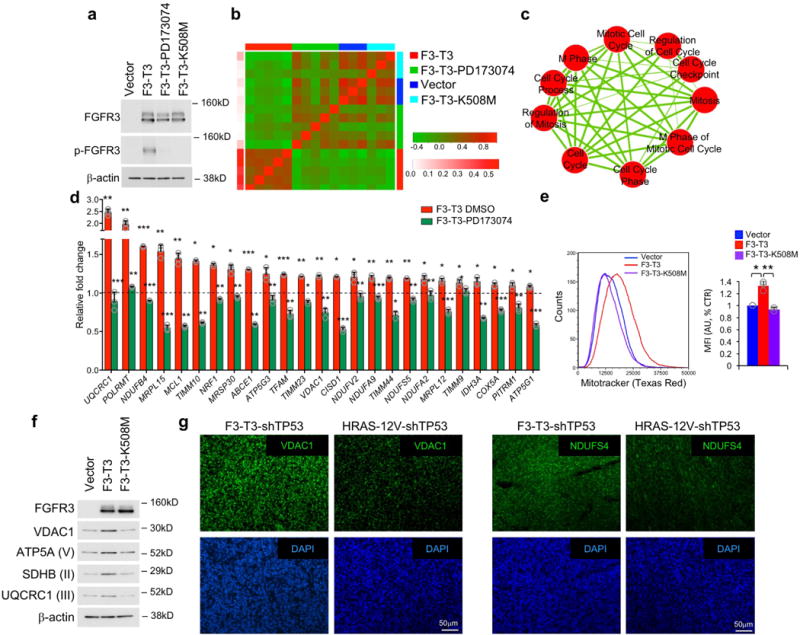
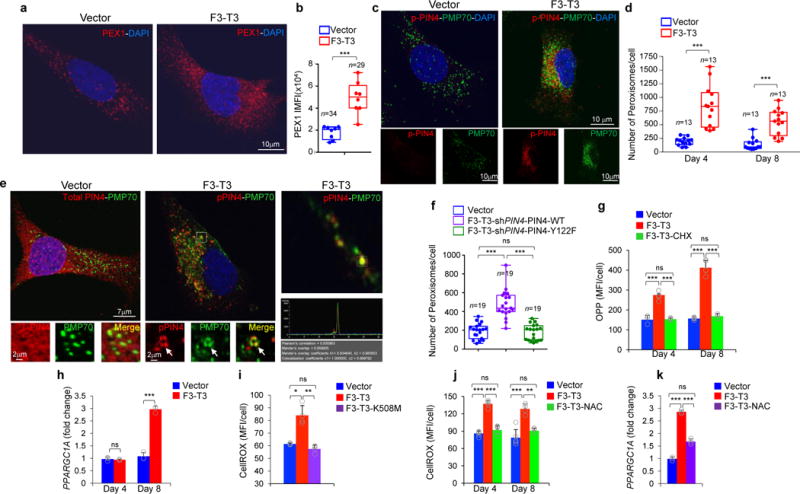
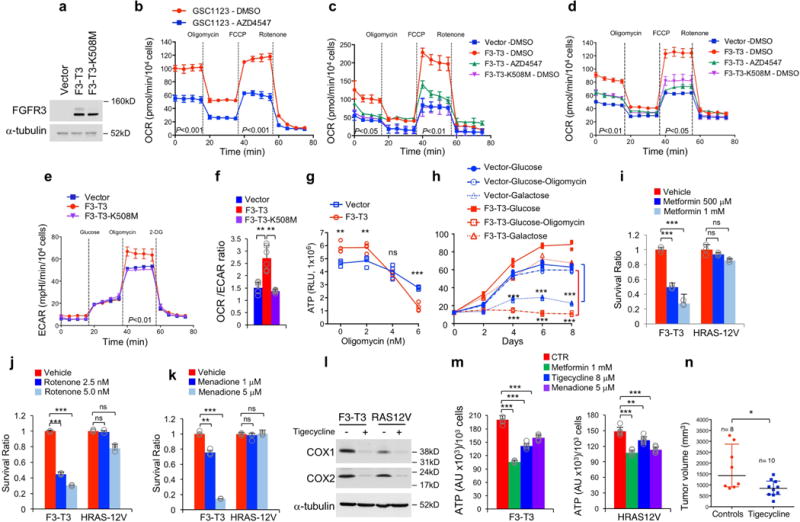
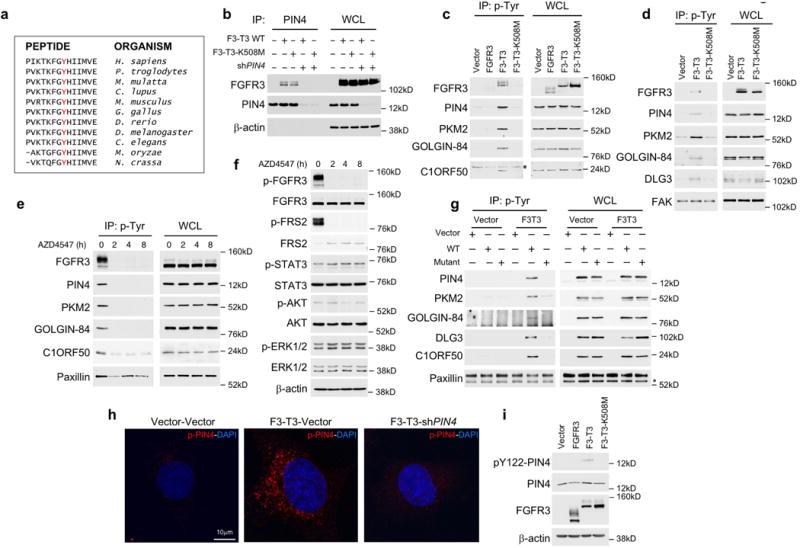
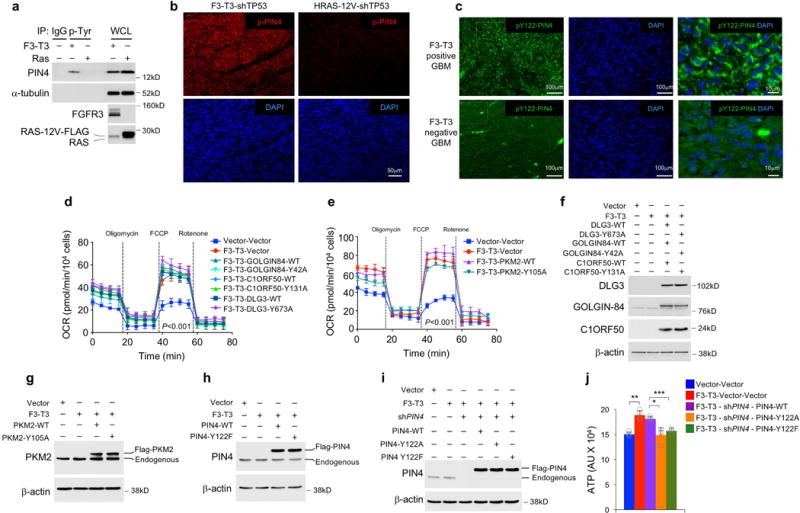
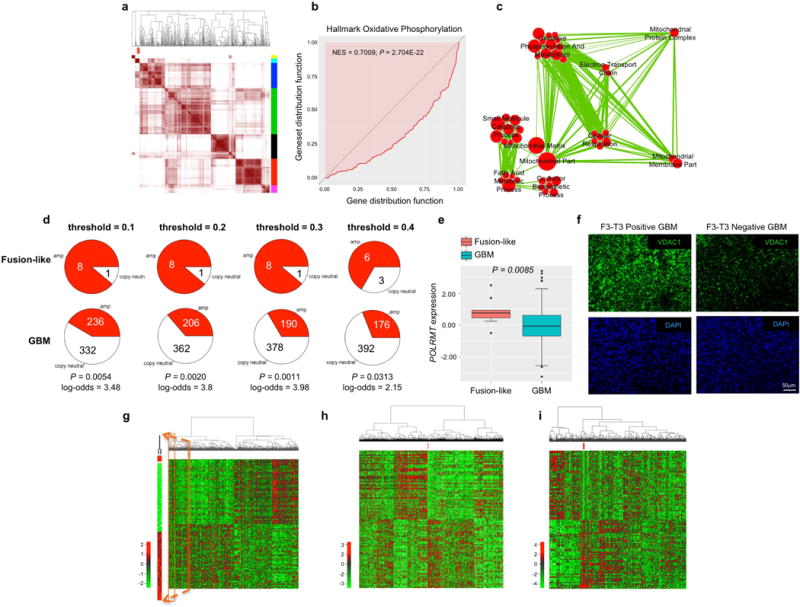
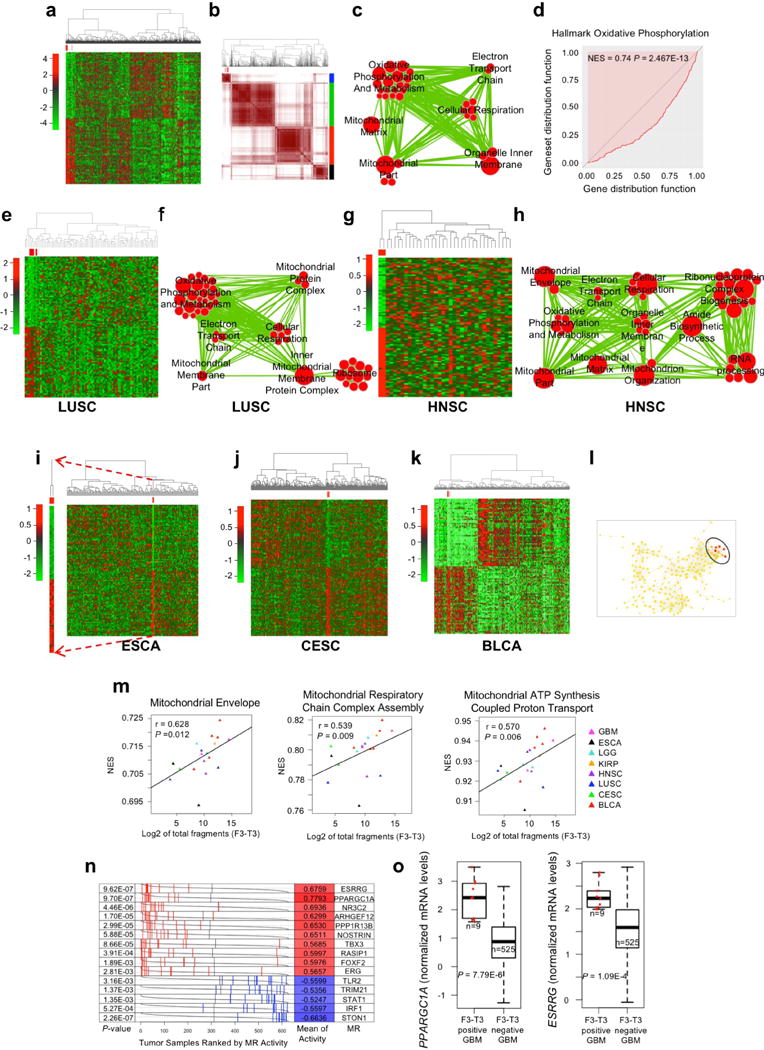
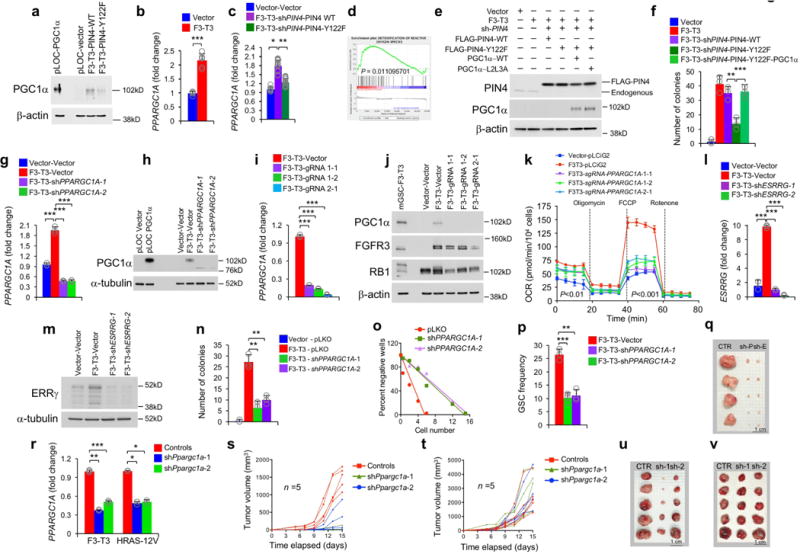
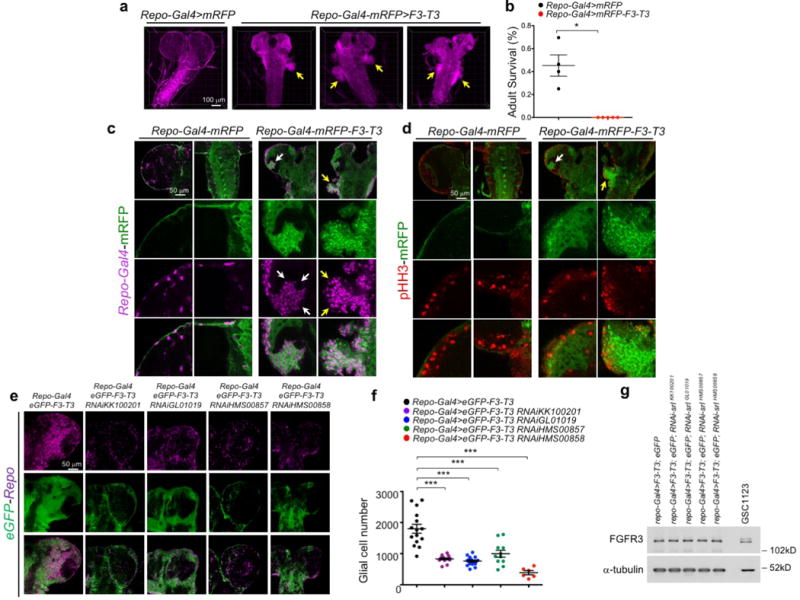
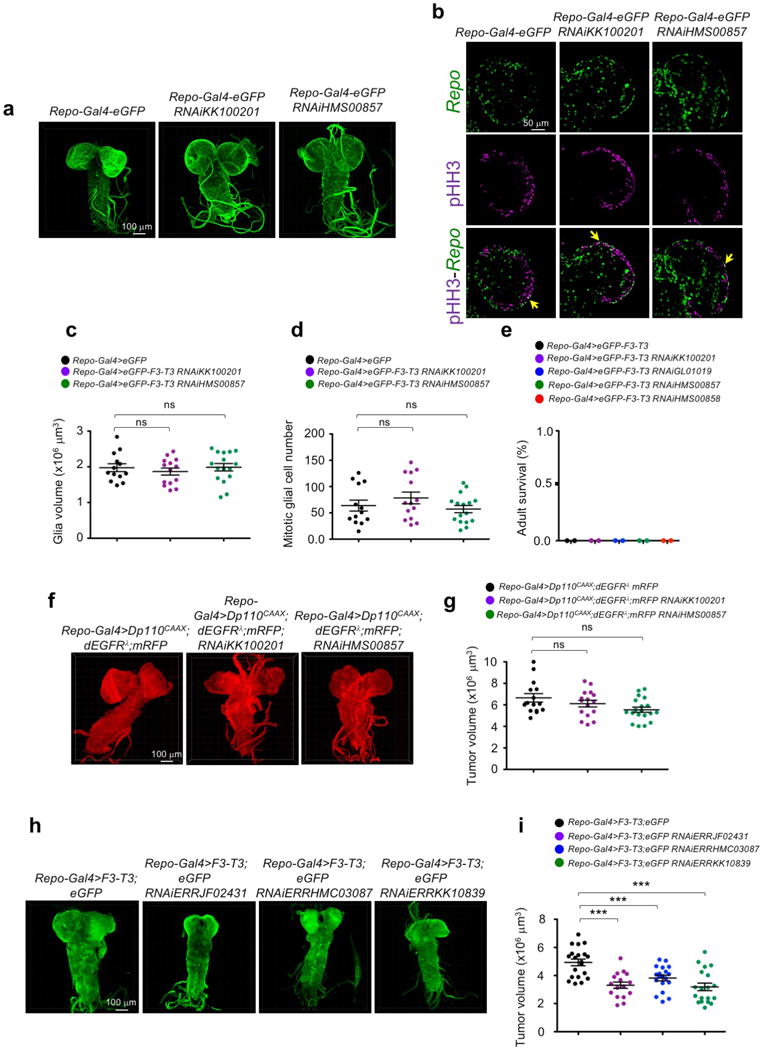
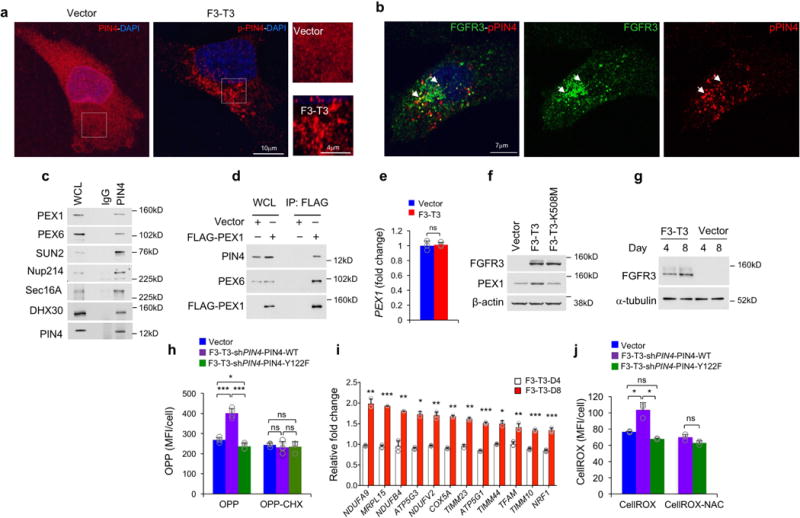
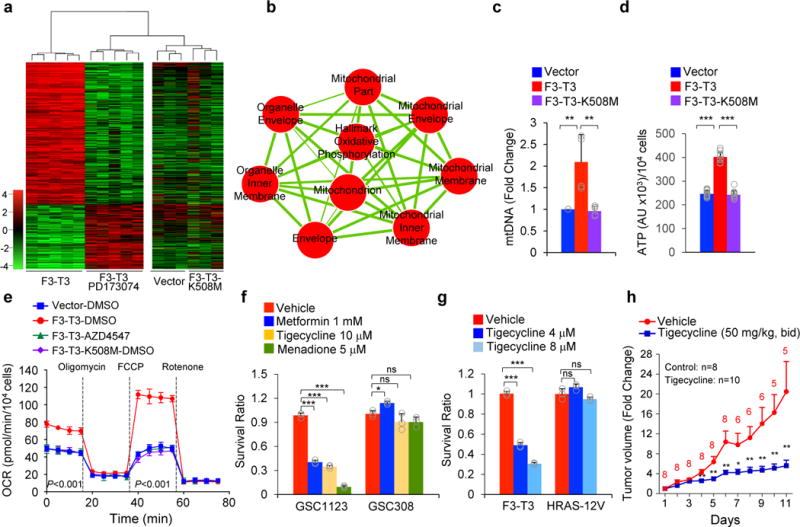
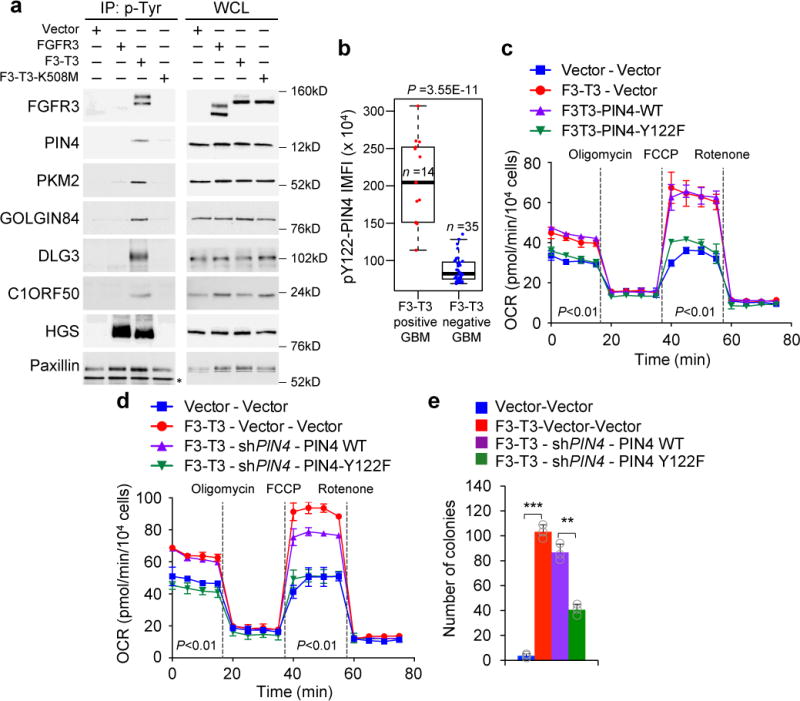
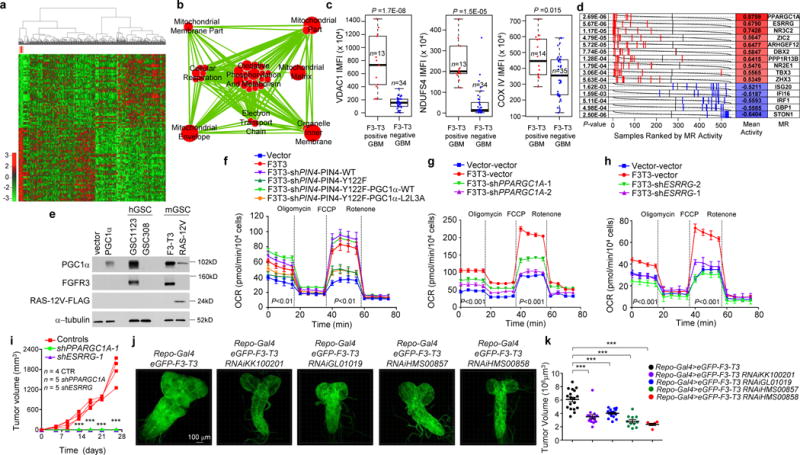
Chromosomal translocations that generate in-frame oncogenic gene fusions are notable examples of the success of targeted cancer therapies. We have previously described gene fusions of FGFR3-TACC3 (F3-T3) in 3% of human glioblastoma cases. Subsequent studies have reported similar frequencies of F3-T3 in many other cancers, indicating that F3-T3 is a commonly occuring fusion across all tumour types. F3-T3 fusions are potent oncogenes that confer sensitivity to FGFR inhibitors, but the downstream oncogenic signalling pathways remain unknown. Here we show that human tumours with F3-T3 fusions cluster within transcriptional subgroups that are characterized by the activation of mitochondrial functions. F3-T3 activates oxidative phosphorylation and mitochondrial biogenesis and induces sensitivity to inhibitors of oxidative metabolism. Phosphorylation of the phosphopeptide PIN4 is an intermediate step in the signalling pathway of the activation of mitochondrial metabolism. The F3-T3-PIN4 axis triggers the biogenesis of peroxisomes and the synthesis of new proteins. The anabolic response converges on the PGC1α coactivator through the production of intracellular reactive oxygen species, which enables mitochondrial respiration and tumour growth. These data illustrate the oncogenic circuit engaged by F3-T3 and show that F3-T3-positive tumours rely on mitochondrial respiration, highlighting this pathway as a therapeutic opportunity for the treatment of tumours with F3-T3 fusions. We also provide insights into the genetic alterations that initiate the chain of metabolic responses that drive mitochondrial metabolism in cancer.
导致框架内致癌基因融合的染色体易位是靶向癌症疗法成功的显著例子。我们之前在 3%的人类脑胶质瘤病例中描述了 FGFR3-TACC3(F3-T3)的基因融合。随后的研究报告称,在许多其他癌症中也有类似频率的 F3-T3,表明 F3-T3 是所有肿瘤类型中普遍存在的融合。F3-T3 融合是强有力的致癌基因,使其对 FGFR 抑制剂敏感,但下游致癌信号通路仍不清楚。在这里,我们表明具有 F3-T3 融合的人类肿瘤聚集在转录亚群中,这些亚群的特征是线粒体功能的激活。F3-T3 激活氧化磷酸化和线粒体生物发生,并诱导对氧化代谢抑制剂的敏感性。磷酸化磷酸肽 PIN4 是激活线粒体代谢信号通路的中间步骤。F3-T3-PIN4 轴触发过氧化物酶体的生物发生和新蛋白质的合成。合成代谢反应通过产生细胞内活性氧物质汇聚于 PGC1α 共激活因子,从而实现线粒体呼吸和肿瘤生长。这些数据说明了 F3-T3 激活的致癌回路,并表明 F3-T3 阳性肿瘤依赖于线粒体呼吸,强调了该途径作为治疗 F3-T3 融合肿瘤的治疗机会。我们还深入了解了引发代谢反应链的遗传改变,这些改变驱动了癌症中的线粒体代谢。