Kišidayová Svetlana, Pristaš Peter, Zimovčáková Michaela, Blanár Wencelová Monika, Homol'ová Lucia, Mihaliková Katarína, Čobanová Klaudia, Grešáková Ľubomíra, Váradyová Zora
Institute of Animal Physiology, Slovak Academy of Sciences, Košice, Slovakia.
Institute of Biology and Ecology, University of P. J. Šafárik, Košice, Slovakia.
PLoS One. 2018 Jan 11;13(1):e0191158. doi: 10.1371/journal.pone.0191158. eCollection 2018.
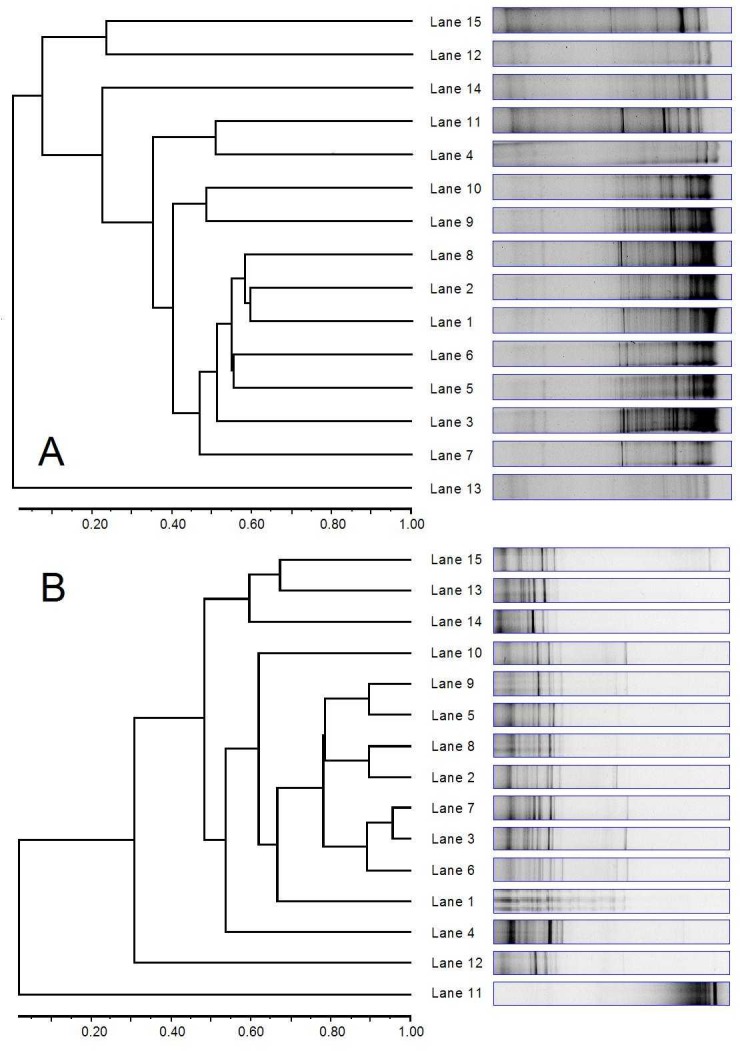
Little is known about the effects of the high dose and types of manganese supplements on rumen environment at manganese intake level close above the limit of 150 mg/kg of dry feed matter. The effects of high dose of two manganese supplements (organic and inorganic) on rumen microbial ecosystem after four months of treatment of 18 lambs divided into three treatment groups were studied. We examined the enzyme activities (α-amylase, xylanase, and carboxymethyl cellulase), total and differential microscopic counts of rumen ciliates, total microscopic counts of bacteria, and fingerprinting pattern of the eubacterial and ciliates population analyzed by PCR-DGGE. Lambs were fed a basal diet with a basal Mn content (34.3 mg/kg dry matter; control) and supplemented either with inorganic manganous sulfate or organic Mn-chelate hydrate (daily 182.7, 184 mg/kg dry matter of feed, respectively). Basal diet, offered twice daily, consisted of ground barley and hay (268 and 732 g/kg dry matter per animal and day). The rumens of the lambs harbored ciliates of the genera of Entodinium, Epidinium, Diplodinium, Eudiplodinium, Dasytricha, and Isotricha. No significant differences between treatment groups were observed in the total ciliate number, the number of ciliates at the genus level, as well as the total number of bacteria. Organic Mn did decrease the species richness and diversity of the eubacterial population examined by PCR-DGGE. No effects of type of Mn supplement on the enzyme activities were observed. In comparison to the control, α-amylase specific activities were decreased and carboxymethyl-cellulase specific activities were increased by the Mn supplements. Xylanase activities were not influenced. In conclusion, our results suggested that the intake of tested inorganic and organic manganese supplements in excess may affect the specific groups of eubacteria. More studies on intake of Mn supplements at a level close to the limit can reveal if the changes in microbial population impact remarkably the other rumen enzymatic activities.
在锰摄入量略高于每千克干饲料物质150毫克的极限水平时,高剂量和不同类型的锰补充剂对瘤胃环境的影响鲜为人知。本研究将18只羔羊分为三个处理组,研究了两种锰补充剂(有机和无机)高剂量处理四个月后对瘤胃微生物生态系统的影响。我们检测了酶活性(α-淀粉酶、木聚糖酶和羧甲基纤维素酶)、瘤胃纤毛虫的总数和分类计数、细菌的总显微镜计数,以及通过PCR-DGGE分析的真细菌和纤毛虫群体的指纹图谱。羔羊饲喂基础日粮,基础日粮中的锰含量为34.3毫克/千克干物质(对照组),分别添加无机硫酸锰或有机锰螯合物水合物(分别为每日每千克干饲料182.7、184毫克)。基础日粮每天投喂两次,由碎大麦和干草组成(每只动物每天每千克干物质分别为268克和732克)。羔羊瘤胃中存在内毛虫属、外毛虫属、双毛虫属、真双毛虫属、多泡虫属和等毛虫属的纤毛虫。在处理组之间,未观察到纤毛虫总数、属水平的纤毛虫数量以及细菌总数的显著差异。有机锰确实降低了通过PCR-DGGE检测的真细菌群体的物种丰富度和多样性。未观察到锰补充剂类型对酶活性的影响。与对照组相比,锰补充剂降低了α-淀粉酶的比活性,增加了羧甲基纤维素酶的比活性。木聚糖酶活性未受影响。总之,我们的结果表明,过量摄入受试的无机和有机锰补充剂可能会影响特定的真细菌群体。对接近极限水平的锰补充剂摄入量进行更多研究,可以揭示微生物种群的变化是否会显著影响其他瘤胃酶活性。