Department of Medicine, Division of Cardiology, Columbia University Medical Center, New York, NY (X.Z., R.J., X.L., P.J.K., D.L.B., P.C.C., P.C.S.).
Department of Surgery, Columbia University Medical Center, New York, NY (E.C., I.G.).
Circulation. 2018 May 8;137(19):2052-2067. doi: 10.1161/CIRCULATIONAHA.117.030486. Epub 2018 Jan 12.
Heart failure leads to mitochondrial dysfunction and metabolic abnormalities of the failing myocardium coupled with an energy-depleted state and cardiac remodeling. The mitochondrial deacetylase sirtuin 3 (SIRT3) plays a pivotal role in the maintenance of mitochondrial function through regulating the mitochondrial acetylome. It is interesting to note that unique cardiac and systemic microRNAs have been shown to play an important role in cardiac remodeling by modulating key signaling elements in the myocardium.
Cellular signaling was analyzed in human cardiomyocyte-like AC16 cells, and acetylation levels in rodent models of SIRT3and transgenic microRNA-195 (miR-195) overexpression were compared with wild type. Luciferase assays, Western blotting, immunoprecipitation assays, and echocardiographic analysis were performed. Enzymatic activities of pyruvate dehydrogenase (PDH) and ATP synthase were measured.
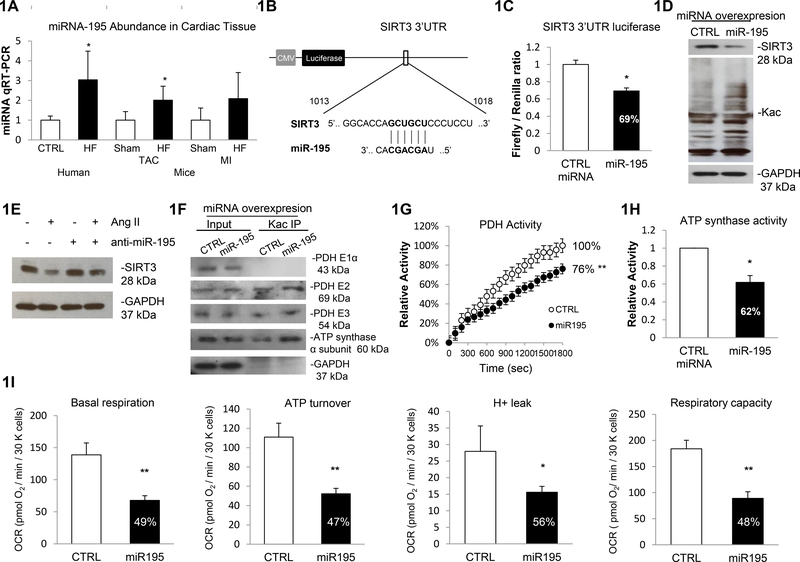
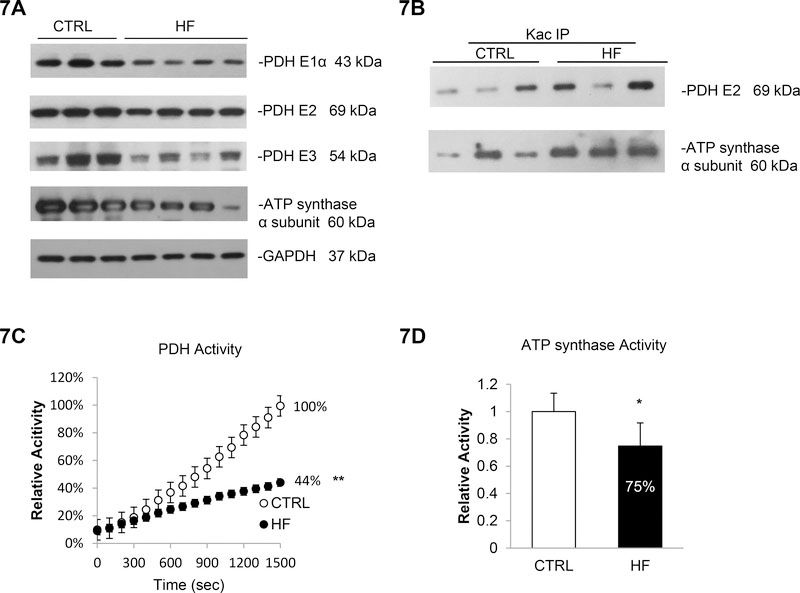
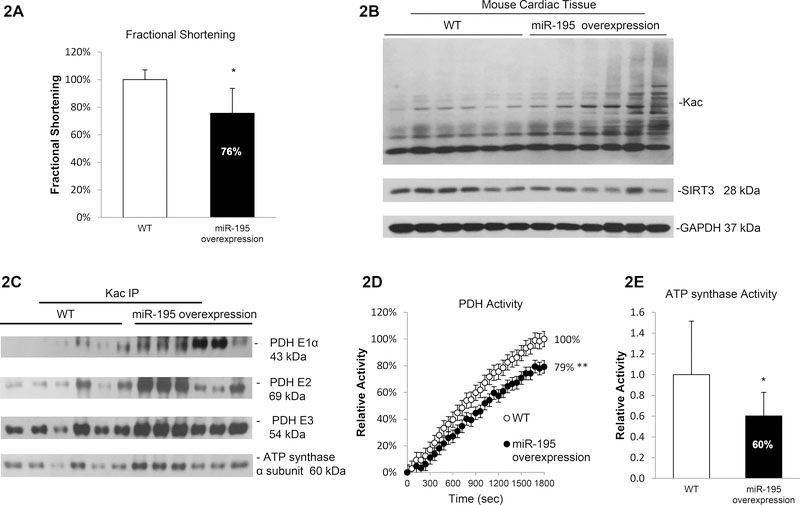
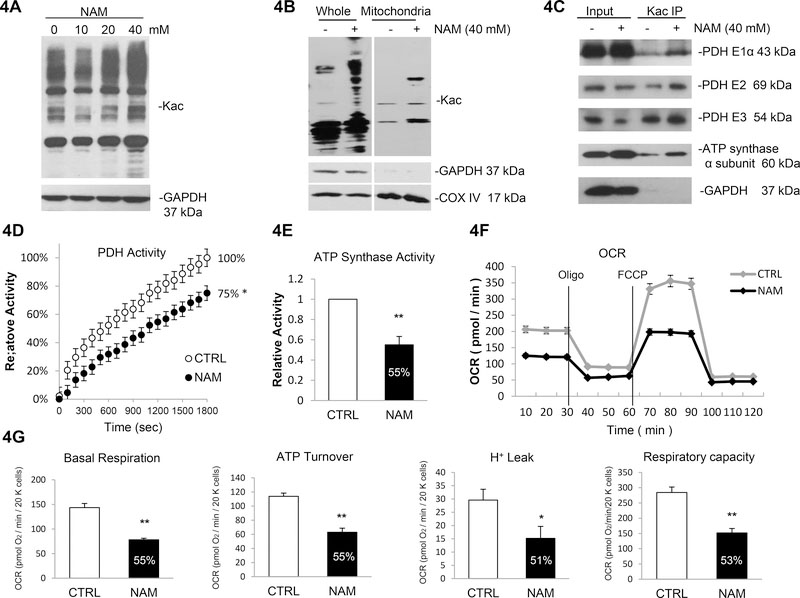
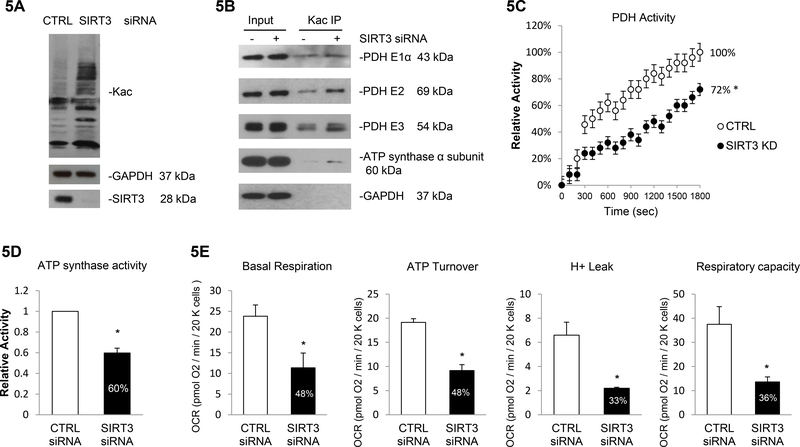
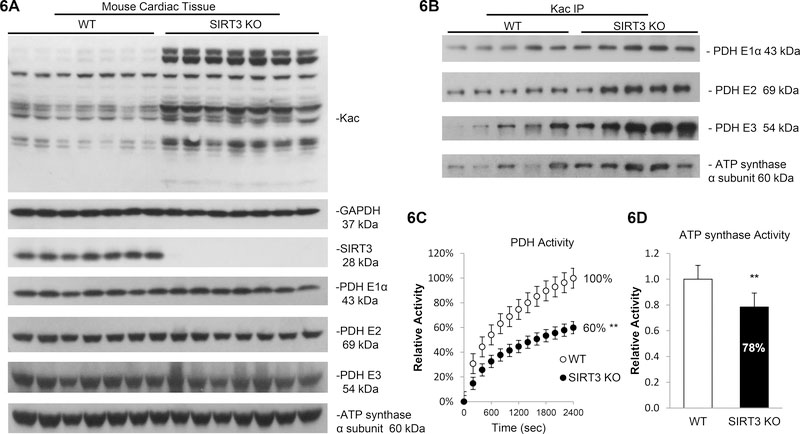
In failing human myocardium, we observed induction of miR-195 along with decreased expression of the mitochondrial deacetylase SIRT3 that was associated with increased global protein acetylation. We further investigated the role of miR-195 in SIRT3-mediated metabolic processes and its impact on regulating enzymes involved in deacetylation. Proteomic analysis of the total acetylome showed increased overall acetylation, and specific lysine acetylation of 2 central mitochondrial metabolic enzymes, PDH and ATP synthase, as well. miR-195 downregulates SIRT3 expression through direct 3'-untranslated region targeting. Treatments with either sirtuin inhibitor nicotinamide, small interfering RNA-mediated SIRT3 knockdown or miR-195 overexpression enhanced acetylation of PDH complex and ATP synthase. This effect diminished PDH and ATP synthase activity and impaired mitochondrial respiration.SIRT3 and miR-195 transgenic mice consistently showed enhanced global protein acetylation, including PDH complex and ATP synthase, associated with decreased enzymatic activity.
Altogether, these data suggest that increased levels of miR-195 in failing myocardium regulate a novel pathway that involves direct SIRT3 suppression and enzymatic inhibition via increased acetylation of PDH and ATP synthase that are essential for cardiac energy metabolism.
心力衰竭导致线粒体功能障碍和衰竭心肌的代谢异常,同时伴有能量耗竭状态和心脏重构。线粒体去乙酰化酶 SIRT3(沉默调节因子 3)通过调节线粒体乙酰化组在维持线粒体功能方面发挥着关键作用。有趣的是,已经表明独特的心脏和全身 microRNAs 通过调节心肌中的关键信号元件在心脏重构中发挥重要作用。
在人类心肌细胞样 AC16 细胞中分析细胞信号转导,比较 SIRT3 啮齿动物模型和转基因 microRNA-195(miR-195)过表达的乙酰化水平与野生型。进行荧光素酶测定、Western blot、免疫沉淀测定和超声心动图分析。测量丙酮酸脱氢酶(PDH)和 ATP 合酶的酶活性。
在衰竭的人类心肌中,我们观察到 miR-195 的诱导,同时伴随着线粒体去乙酰化酶 SIRT3 的表达降低,这与整体蛋白乙酰化增加有关。我们进一步研究了 miR-195 在 SIRT3 介导的代谢过程中的作用及其对调节脱乙酰化酶的影响。总乙酰组蛋白的蛋白质组分析显示整体乙酰化增加,并且中央线粒体代谢酶 PDH 和 ATP 合酶的特定赖氨酸乙酰化也增加。miR-195 通过直接 3'-非翻译区靶向下调 SIRT3 表达。用 SIRT 抑制剂烟酰胺、小干扰 RNA 介导的 SIRT3 敲低或 miR-195 过表达处理可增强 PDH 复合物和 ATP 合酶的乙酰化。这种作用降低了 PDH 和 ATP 合酶的活性并损害了线粒体呼吸。SIRT3 和 miR-195 转基因小鼠始终表现出增强的整体蛋白乙酰化,包括 PDH 复合物和 ATP 合酶,同时伴有酶活性降低。
总之,这些数据表明,衰竭心肌中 miR-195 水平升高调节了一种新途径,该途径涉及通过增加 PDH 和 ATP 合酶的乙酰化直接抑制 SIRT3,而 PDH 和 ATP 合酶是心脏能量代谢所必需的。