Department of Molecular Microbiology and Immunology Johns Hopkins Malaria Research Institute, Johns Hopkins University Bloomberg School of Public Health, Baltimore, 21205, MD, USA.
Sci Rep. 2018 Jan 12;8(1):655. doi: 10.1038/s41598-017-18987-3.
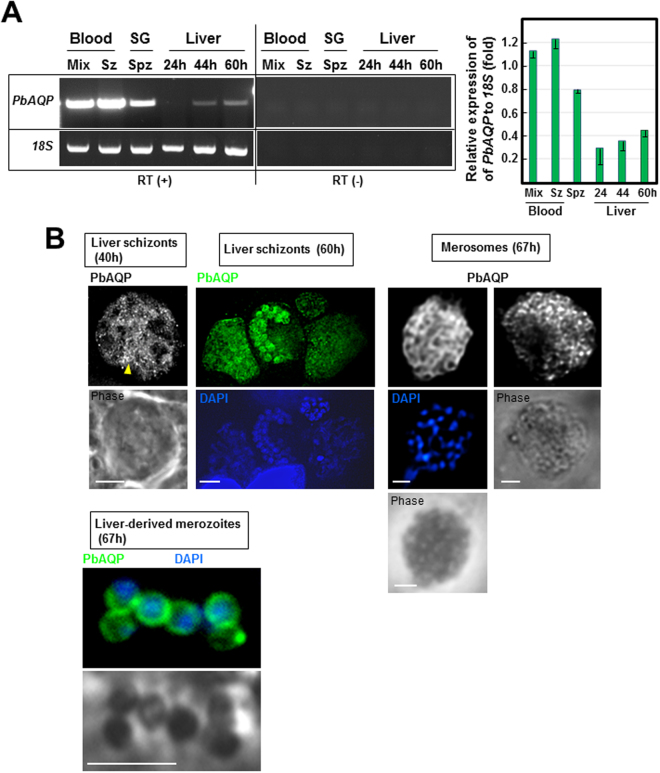
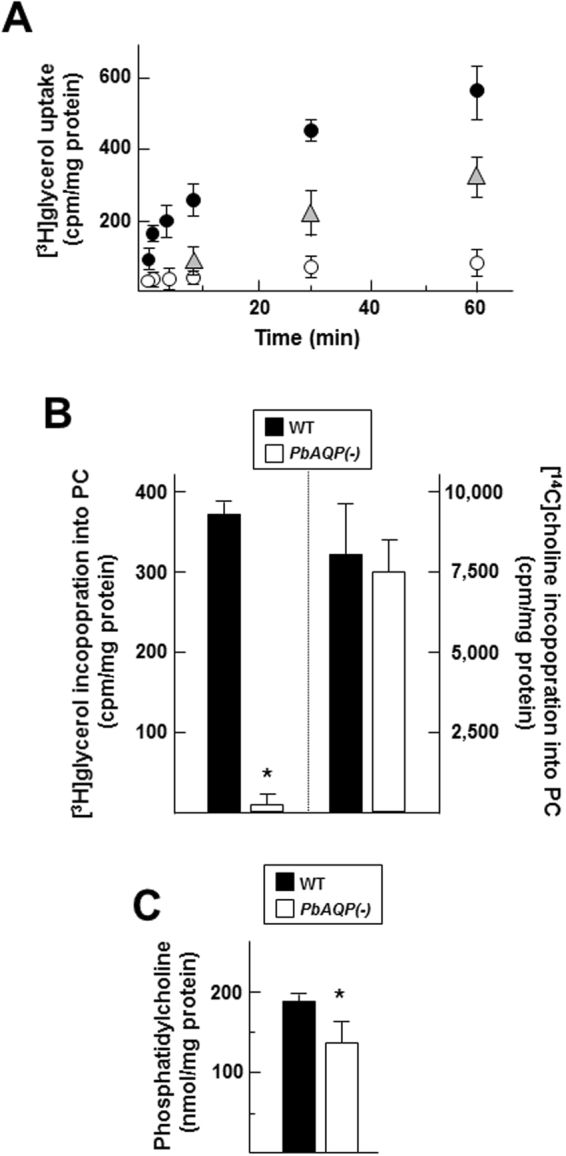
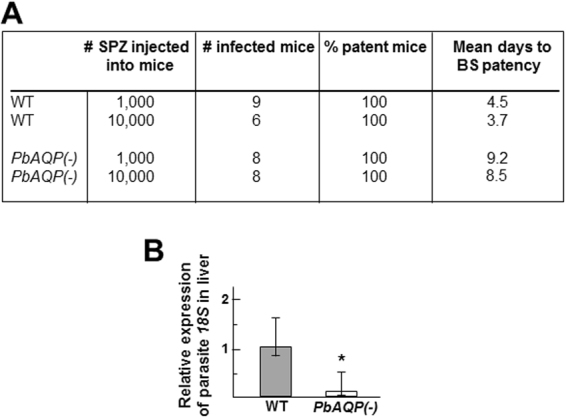
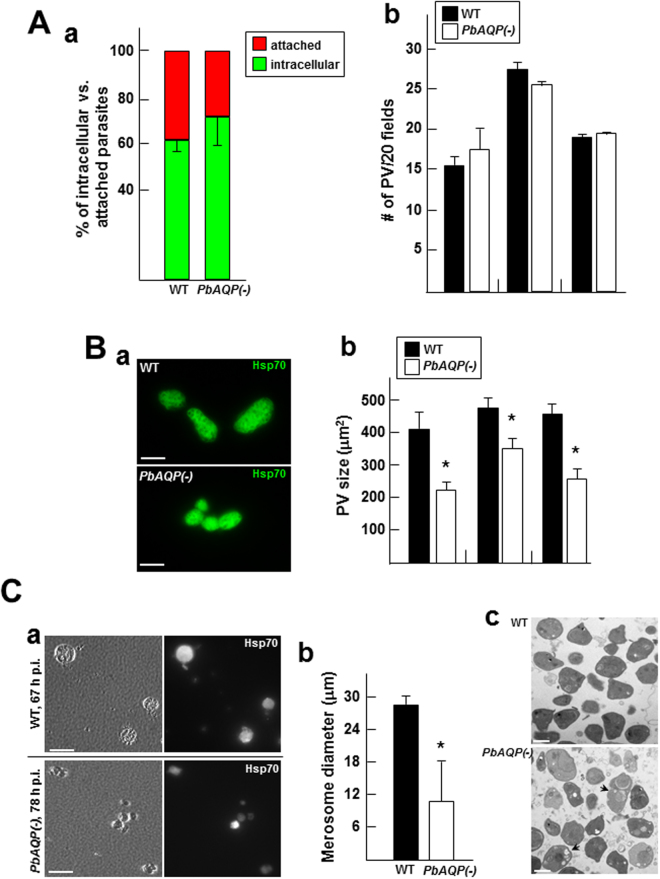
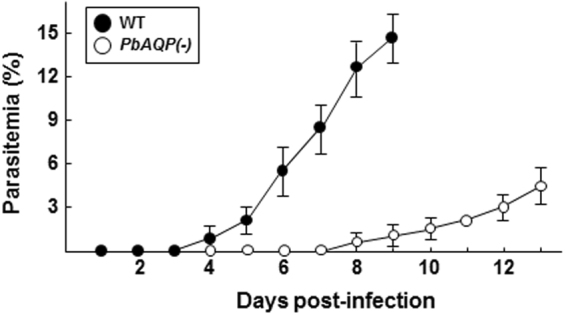
The discovery of aquaglyceroporins (AQP) has highlighted a new mechanism of membrane solute transport that may hold therapeutic potential for controlling parasitic infections, including malaria. Plasmodium parasites express a single AQP at the plasma membrane that functions as a channel for water, nutrients and waste into and out cells. We previously demonstrated that Plasmodium berghei targeted for PbAQP deletion are deficient in glycerol import and less virulent than wild-type parasites during the blood developmental stage. Here, we have examined the contribution of PbAQP to the infectivity of P. berghei in the liver. PbAQP is expressed in the sporozoite mosquito stage and is detected at low levels in intrahepatic parasites at the onset of hepatocyte infection. As the parasites progress to late hepatic stages, PbAQP transcription increases and PbAQP localizes to the plasma membrane of hepatic merozoites. Compared to wild-type parasites, PbAQP-null sporozoites exhibit a delay in blood stage infection due to slower replication in hepatocytes, resulting in retardation of merosome production. Furthermore, PbAQP disruption results in a significant reduction in erythrocyte infectivity by hepatocyte-derived merozoites. Hepatic merozoites incorporate exogenous glycerol into glycerophospholipids and PbAQP-null merozoites contain less phosphatidylcholine than wild-type merozoites, underlining the contribution of Plasmodium AQP to phospholipid syntheses.
水通道蛋白(AQP)的发现揭示了一种新的膜溶质转运机制,可能为控制寄生虫感染(包括疟疾)提供治疗潜力。疟原虫在质膜上表达单一的 AQP,作为水、营养物质和废物进出细胞的通道。我们之前证明,靶向 PbAQP 缺失的恶性疟原虫在甘油摄取方面存在缺陷,并且在血液发育阶段比野生型寄生虫的毒力降低。在这里,我们研究了 PbAQP 对伯氏疟原虫在肝脏中的感染力的贡献。PbAQP 在子孢子蚊阶段表达,并在肝内寄生虫开始感染肝细胞时以低水平检测到。随着寄生虫进展到晚期肝阶段,PbAQP 的转录增加,PbAQP 定位于肝裂殖体的质膜上。与野生型寄生虫相比,PbAQP 缺失的子孢子由于在肝细胞中的复制速度较慢,导致血液阶段感染延迟,从而导致裂殖体生成延迟。此外,PbAQP 破坏导致由肝细胞衍生的裂殖体引起的红细胞感染力显著降低。肝裂殖体将外源性甘油掺入甘油磷脂中,并且 PbAQP 缺失的裂殖体比野生型裂殖体含有更少的磷脂酰胆碱,这突出了疟原虫 AQP 对磷脂合成的贡献。