Sikora Sebastien Nf, Miles Danielle E, Tarsuslugil Sami, Mengoni Marlène, Wilcox Ruth K
1 Institute of Medical and Biological Engineering, University of Leeds, Leeds, UK.
2 School of Chemistry, University of Leeds, Leeds, UK.
Proc Inst Mech Eng H. 2018 Mar;232(3):230-240. doi: 10.1177/0954411917752027. Epub 2018 Jan 13.
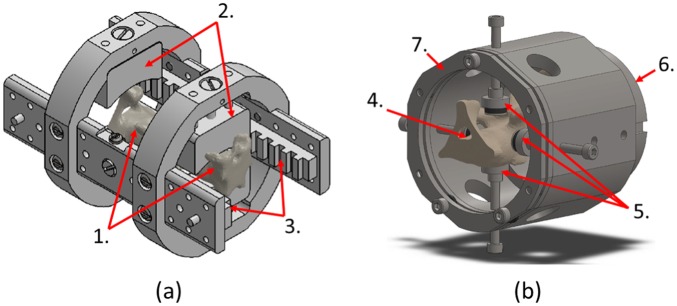
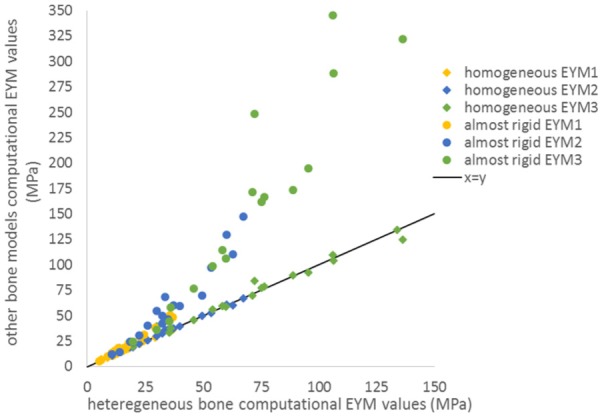
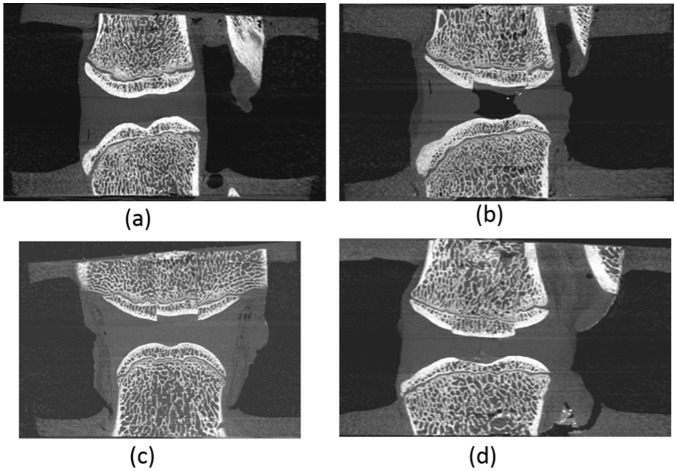
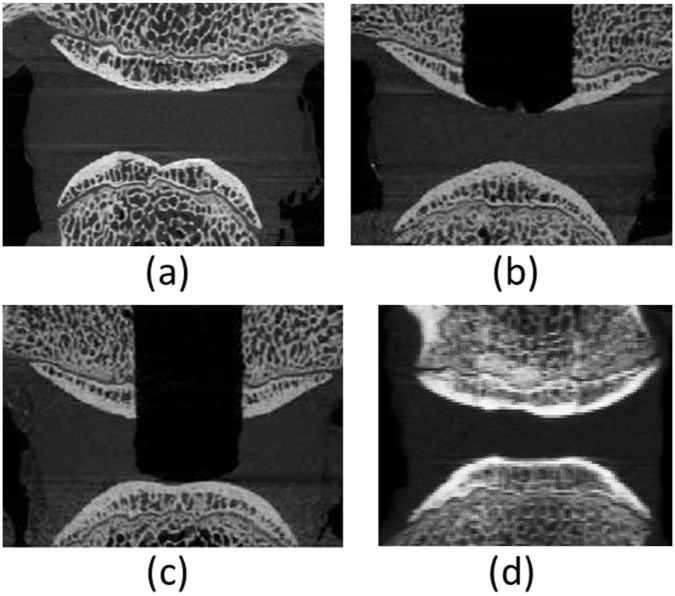
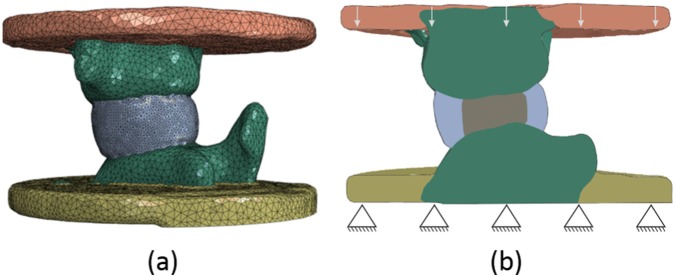
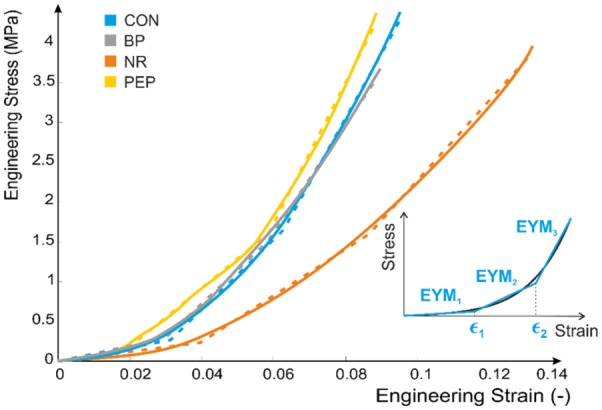
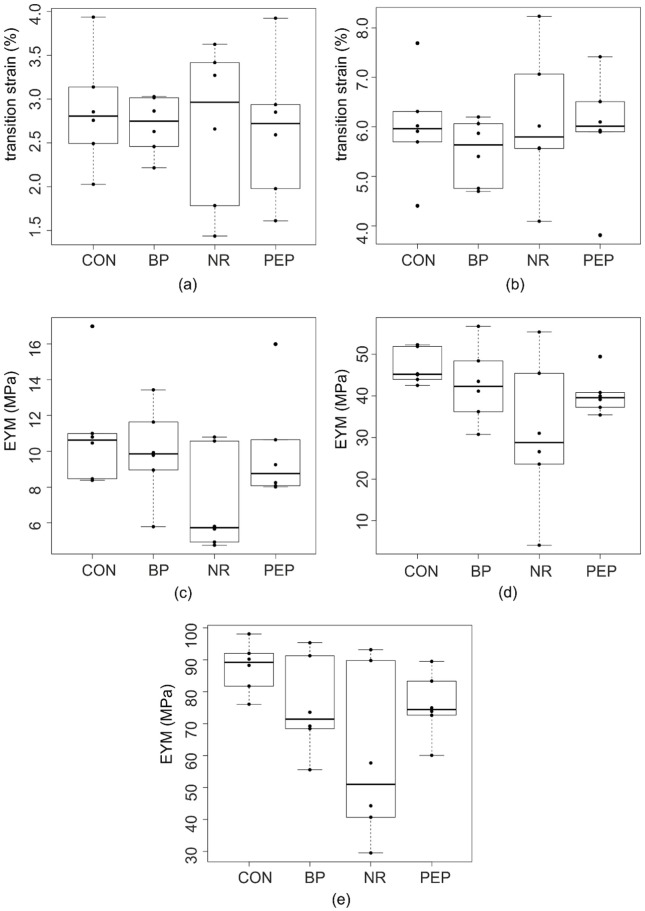
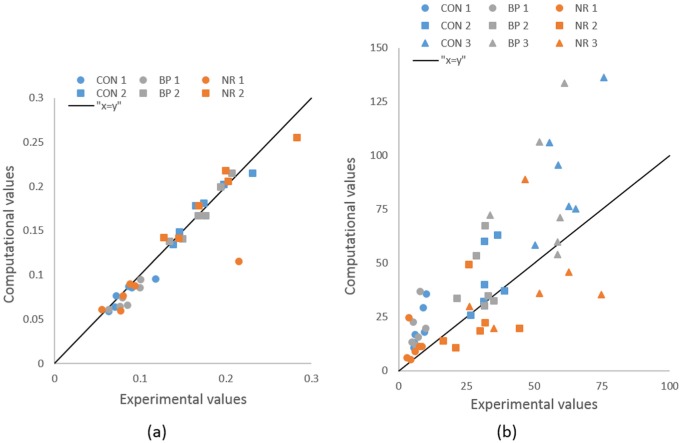
Intervertebral disc degeneration is one of the leading causes of back pain, but treatment options remain limited. Recently, there have been advances in the development of biomaterials for nucleus augmentation; however, the testing of such materials preclinically has proved challenging. The aim of this study was to develop methods for fabricating and testing bone-disc-bone specimens in vitro for examining the performance of nucleus augmentation procedures. Control, nucleotomy and treated intervertebral disc specimens were fabricated and tested under static load. The nucleus was removed from nucleotomy specimens using a trans-endplate approach with a bone plug used to restore bony integrity. Specimen-specific finite element models were developed to elucidate the reasons for the variations observed between control specimens. Although the computational models predicted a statistically significant difference between the healthy and nucleotomy groups, the differences found experimentally were not significantly different. This is likely due to variations in the material properties, hydration and level of annular collapse. The deformation of the bone was also found to be non-negligible. The study provides a framework for the development of testing protocols for nucleus augmentation materials and highlights the need to control disc hydration and the length of bone retained to reduce inter-specimen variability.
椎间盘退变是背痛的主要原因之一,但治疗选择仍然有限。最近,用于髓核增强的生物材料的开发取得了进展;然而,在临床前对这类材料进行测试已证明具有挑战性。本研究的目的是开发在体外制造和测试骨-椎间盘-骨标本的方法,以检查髓核增强手术的性能。制备对照、髓核摘除和治疗后的椎间盘标本,并在静态载荷下进行测试。使用经终板方法从髓核摘除标本中取出髓核,并用骨塞恢复骨的完整性。建立了特定标本的有限元模型,以阐明对照标本之间观察到差异的原因。尽管计算模型预测健康组和髓核摘除组之间存在统计学上的显著差异,但实验发现的差异并不显著。这可能是由于材料特性、水合作用和纤维环塌陷程度的差异。还发现骨的变形不可忽略。该研究为髓核增强材料测试方案的开发提供了一个框架,并强调需要控制椎间盘水合作用和保留的骨长度,以减少标本间的变异性。