Beisswenger T B, Holmquist B, Vallee B L
Proc Natl Acad Sci U S A. 1985 Dec;82(24):8369-73. doi: 10.1073/pnas.82.24.8369.
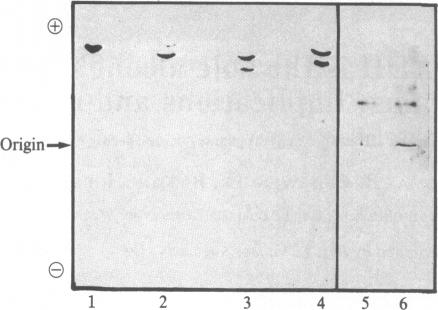
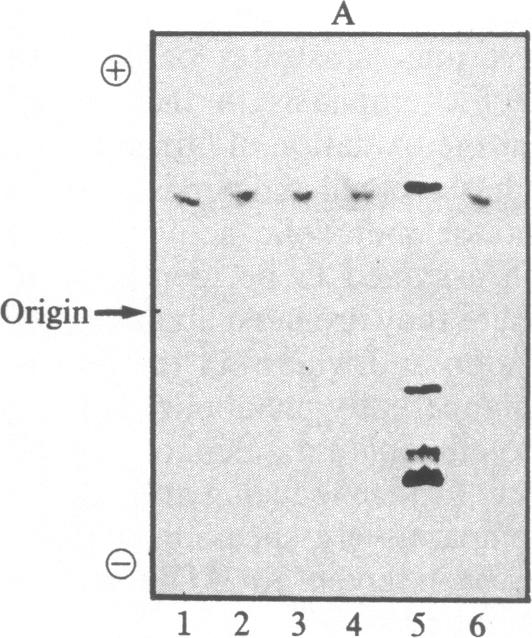
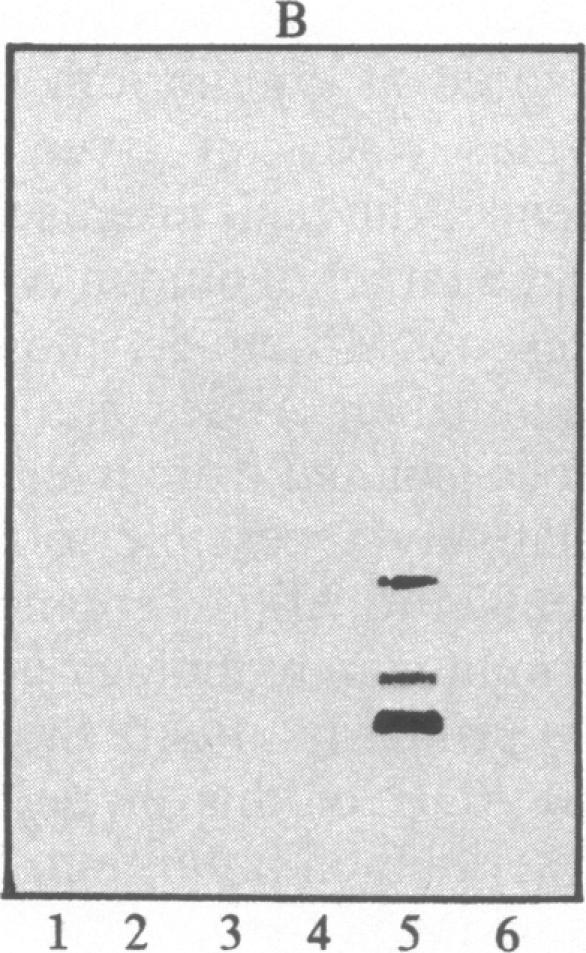
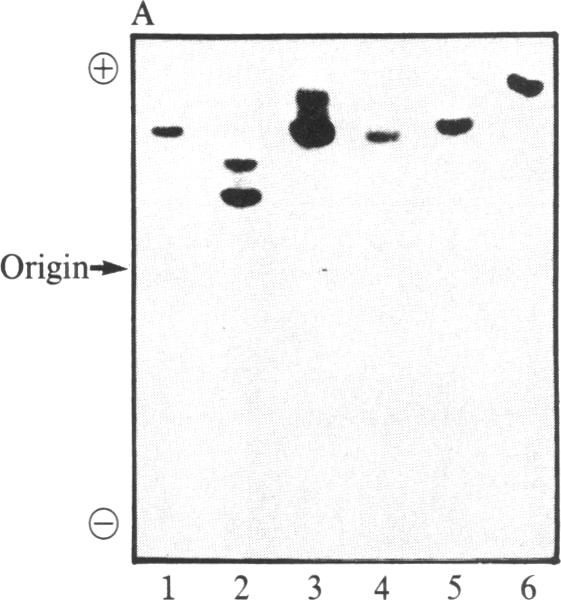
Class III (chi) is the only alcohol dehydrogenase (ADH) in human, equine, bovine, simian, canine, and rodent brain and is the first to be identified, purified, and characterized from the brain of humans or other vertebrates. Like the corresponding isozymes from human placenta and liver, the chi-ADH isozymes purified from mammalian brain are neither inhibited by nor do they bind to immobilized pyrazole, and they oxidize ethanol only very poorly (Km greater than 2.5 M). Indeed, it would be incorrect to classify them as "ethanol dehydrogenases." They contain 4 g.atom of zinc/mol, bind 2 moles of NAD, and readily oxidize long-chain aliphatic and aromatic primary alcohols. These findings appear to exclude the possibilities that ADH protects the brain of these vertebrates against ethanol or its metabolic products and that the brain can generate energy for cerebral function from ADH-monitored ethanol metabolism. Thus chi-ADH must serve a totally different but as yet unknown role. The failure to detect any ethanol dehydrogenase activity in brain creates an intellectual dilemma only if it is assumed that such an enzyme has evolved and developed as a protective mechanism for ethanol detoxification in that organ, as has been assumed. Tissue and substrate specificities of ADH isozymes are likely to give new insight regarding their physiological roles.
Ⅲ类(χ)醇脱氢酶(ADH)是人类、马、牛、猿、犬和啮齿动物大脑中唯一的醇脱氢酶,也是首个从人类或其他脊椎动物大脑中被鉴定、纯化和表征的此类酶。与来自人胎盘和肝脏的相应同工酶一样,从哺乳动物大脑中纯化得到的χ-ADH同工酶既不被固定化吡唑抑制,也不与之结合,而且它们氧化乙醇的能力非常弱(Km大于2.5 M)。实际上,将它们归类为“乙醇脱氢酶”是不正确的。它们每摩尔含有4克原子锌,结合2摩尔NAD,并能轻易氧化长链脂肪族和芳香族伯醇。这些发现似乎排除了ADH保护这些脊椎动物大脑免受乙醇或其代谢产物影响以及大脑可通过ADH监测的乙醇代谢为脑功能产生能量的可能性。因此,χ-ADH必定发挥着截然不同但尚不清楚的作用。只有像人们所假定的那样,假设这种酶作为该器官中乙醇解毒的一种保护机制已经进化并发展,那么在大脑中未能检测到任何乙醇脱氢酶活性才会造成一个学术困境。ADH同工酶的组织和底物特异性可能会为其生理作用提供新的见解。