Göhler Daniel, Große Stephan, Bellendorf Alexander, Falkenstein Thomas Albert, Ouaissi Mehdi, Zieren Jürgen, Stintz Michael, Giger-Pabst Urs
Research Group Mechanical Process Engineering, Institute of Process Engineering and Environmental Technology, Technische Universität Dresden, Münchner Platz 3, D-01062 Dresden, Germany.
Technologieorientierte Partikel-, Analysen- und Sensortechnik, Topas GmbH, Oskar-Röder Straße 12, D-01237 Dresden, Germany.
Beilstein J Nanotechnol. 2017 Dec 18;8:2729-2740. doi: 10.3762/bjnano.8.272. eCollection 2017.
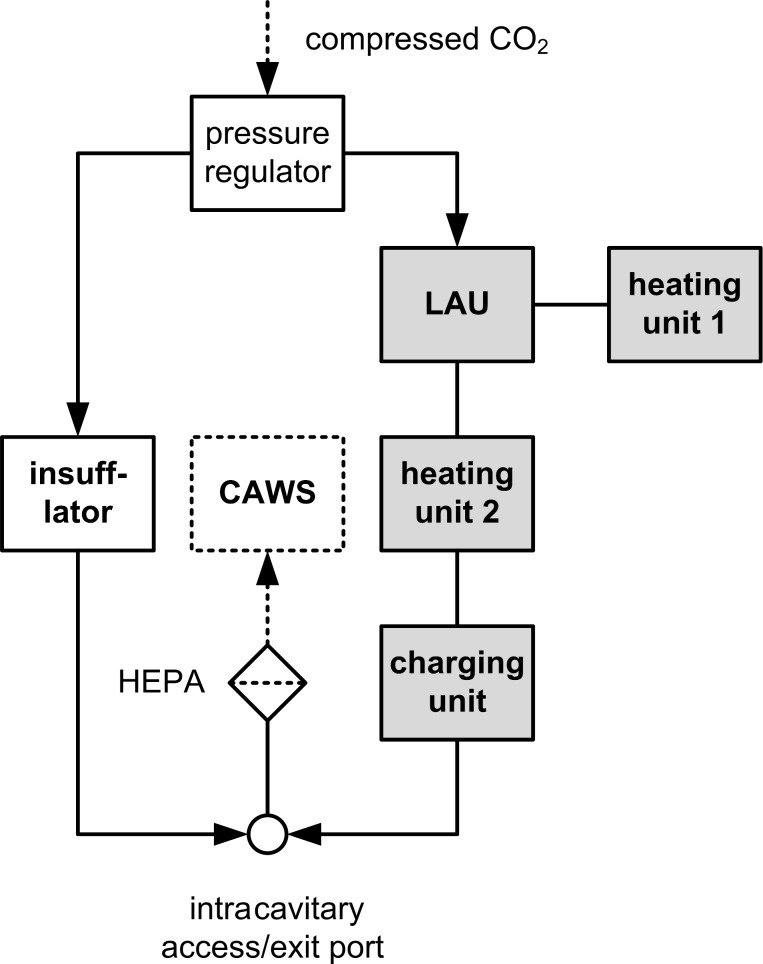
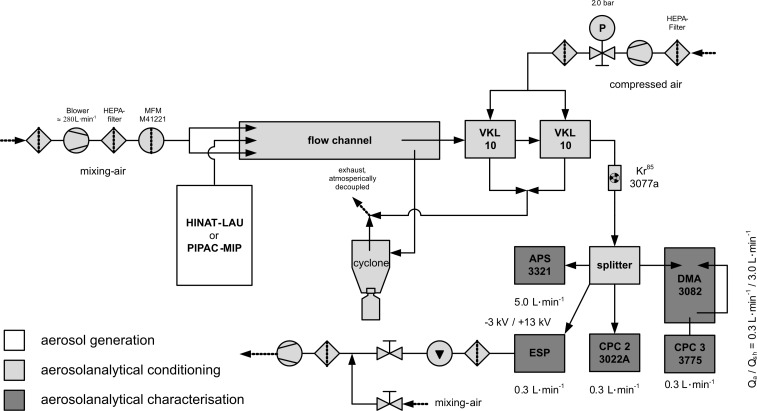
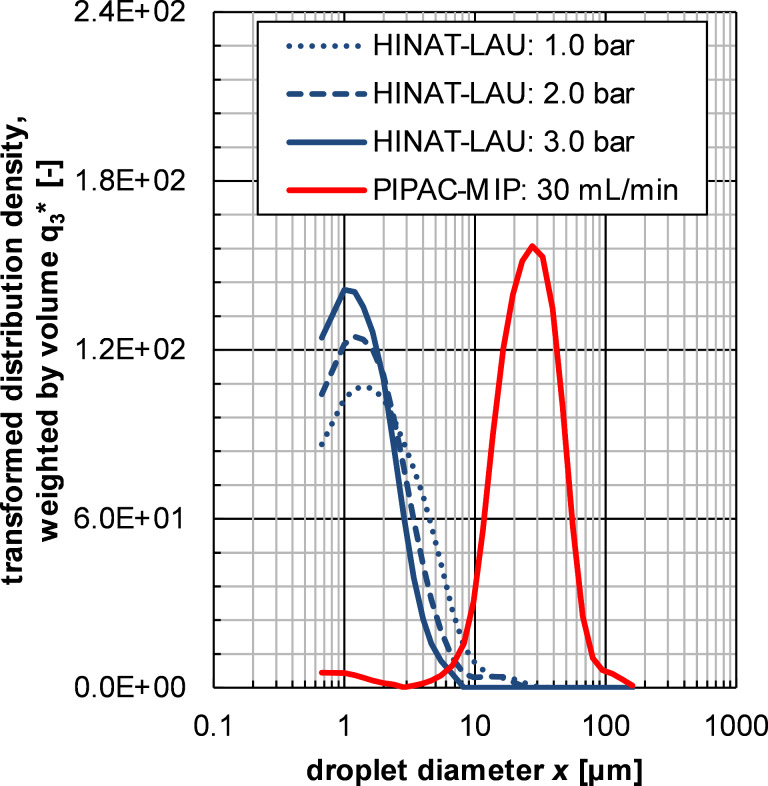
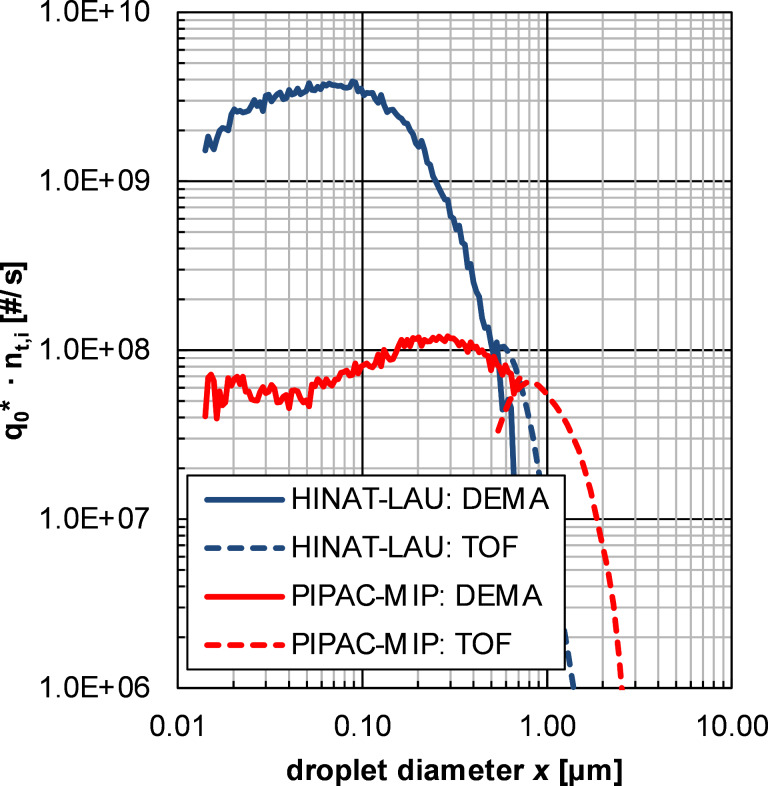
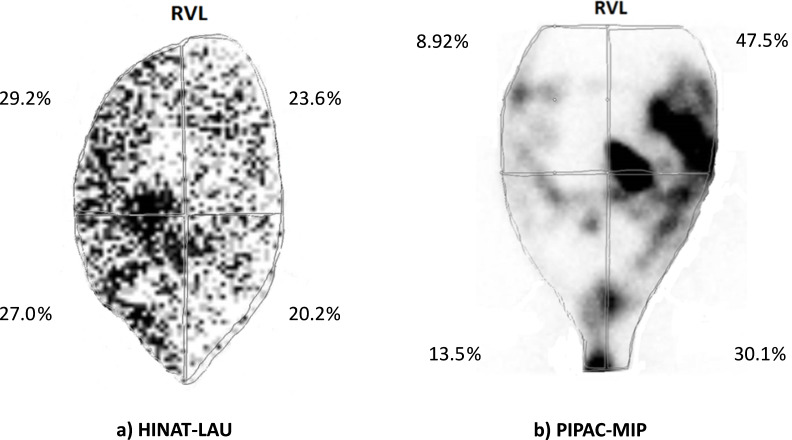
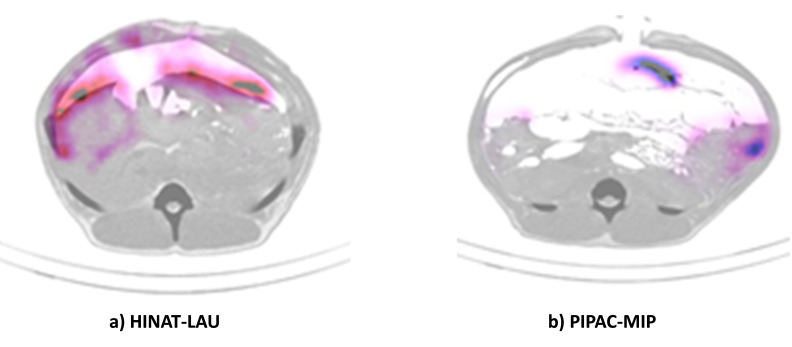
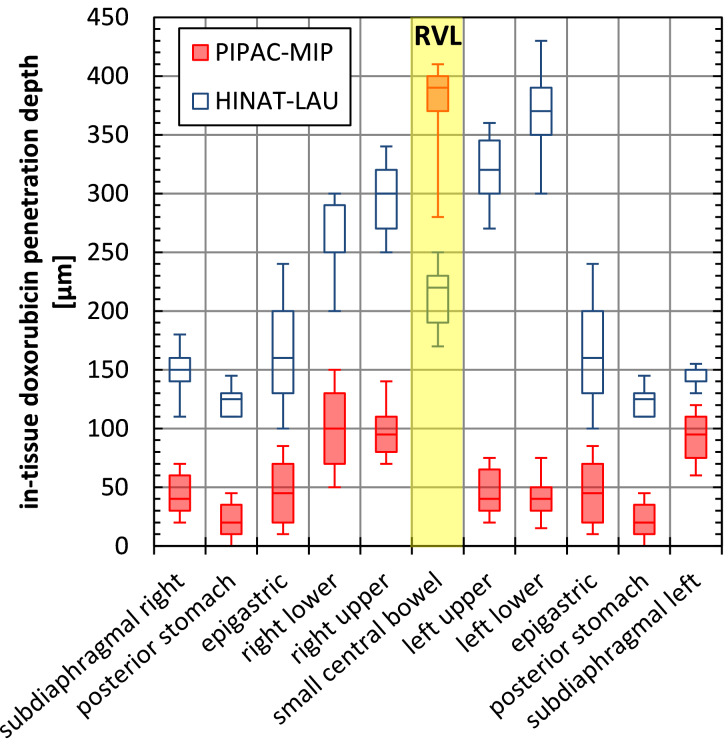
The delivery of aerosolised chemotherapeutic substances into pressurised capnoperitonea has been reported to be more effective than conventional liquid chemotherapy for the treatment of peritoneal carcinomatosis. However, recent reports reveal limitations of the currently available technology. A novel approach for pressurised intraperitoneal aerosol chemotherapy (PIPAC), called hyperthermic intracavitary nanoaerosol therapy (HINAT), based on extracavitary generation of hyperthermic and unipolar charged aerosols, was developed. The aerosol size distribution, the spatial drug distribution and in-tissue depth penetration of HINAT were studied by laser diffraction spectrometry, differential electrical mobility analysis, time of flight spectrometry, scintigraphic peritoneography and fluorescence microscopy. All experiments were performed contemporaneous with conventional PIPAC for the purpose of comparison. Furthermore, a first proof of concept was simulated in anesthetised German Landrace pigs. HINAT provides a nanometre-sized (63 nm) unipolar-charged hyperthermic (41 °C) drug aerosol for quasi uniform drug deposition over the whole peritoneum with significantly deeper drug penetration than that offered by conventional PIPAC.
据报道,将雾化化疗药物输送到加压二氧化碳气腹内治疗腹膜癌比传统液体化疗更有效。然而,最近的报告揭示了现有技术的局限性。一种基于腔外产生高温单极带电气溶胶的新型加压腹腔内气溶胶化疗(PIPAC)方法,即高温腔内纳米气溶胶疗法(HINAT)被开发出来。通过激光衍射光谱法、差分电迁移率分析、飞行时间光谱法、闪烁腹膜造影术和荧光显微镜研究了HINAT的气溶胶粒径分布、空间药物分布和组织内深度渗透。为了进行比较,所有实验均与传统PIPAC同时进行。此外,在麻醉的德国长白猪身上模拟了第一个概念验证。HINAT提供了一种纳米级(63纳米)单极带电高温(41℃)药物气溶胶,可在整个腹膜上实现准均匀的药物沉积,药物渗透深度明显超过传统PIPAC。