Department of Biological Sciences, Université de Montréal, Quebec, Canada.
Centre de la Science de la Biodiversité du Québec, Université de Montréal, Quebec, Canada.
Genome Biol Evol. 2018 Feb 1;10(2):577-590. doi: 10.1093/gbe/evy019.
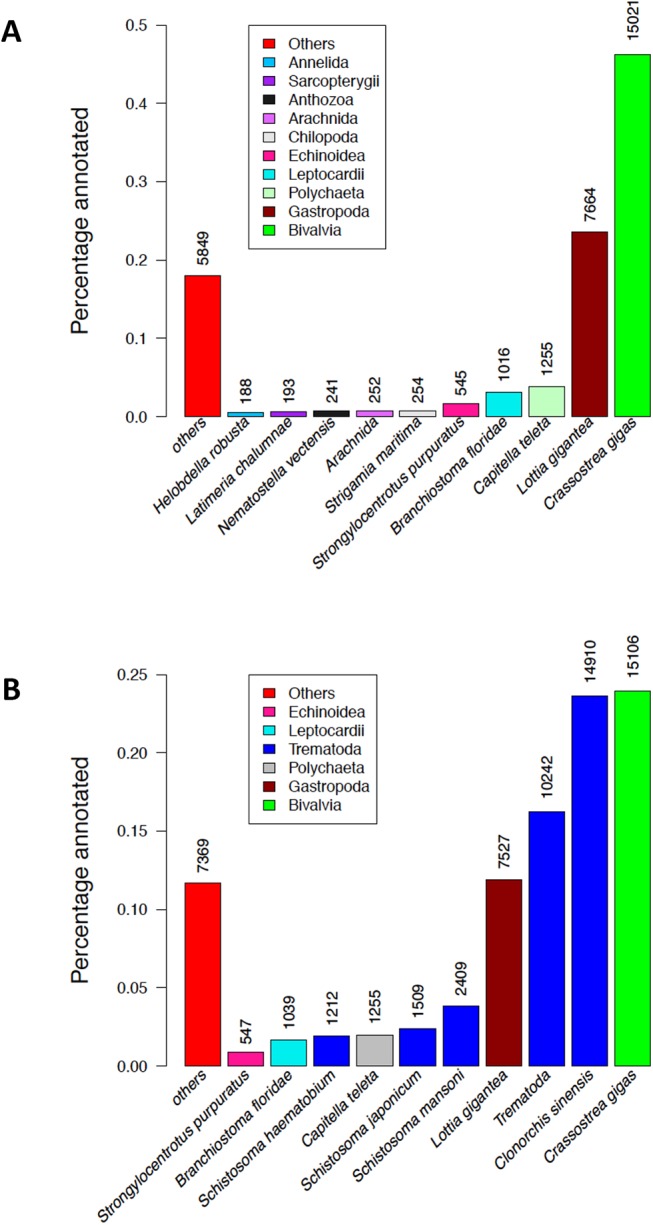
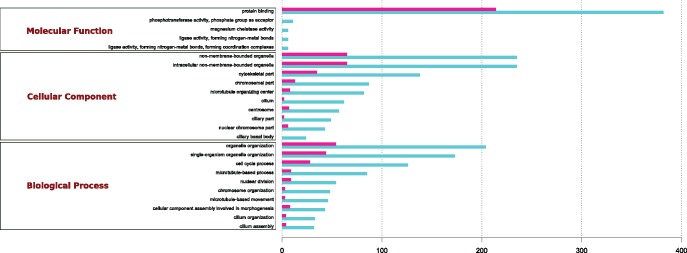
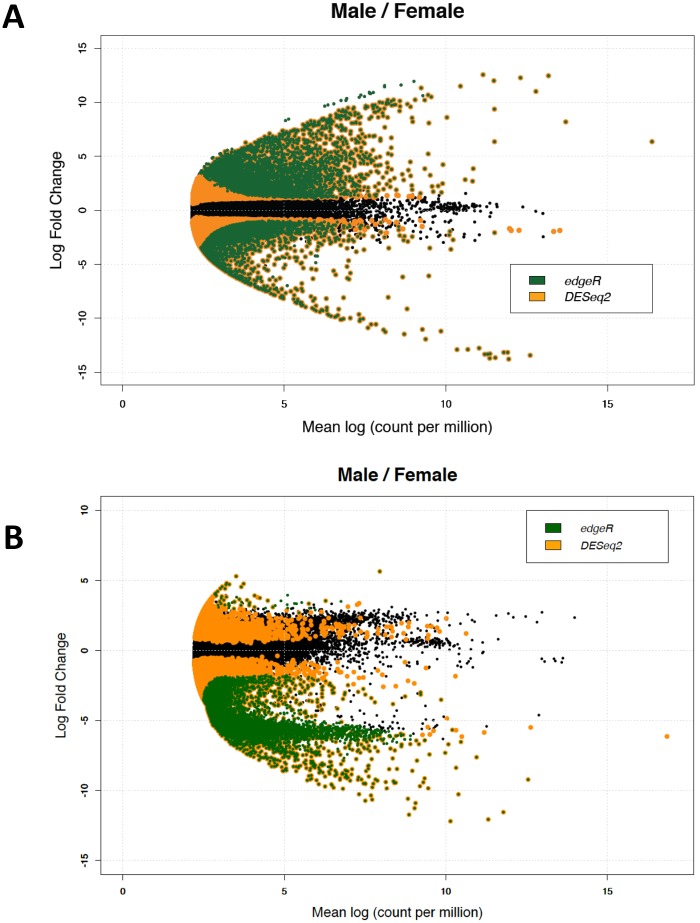
Bivalves exhibit an astonishing diversity of sexual systems and sex-determining mechanisms. They can be gonochoric, hermaphroditic or androgenetic, with both genetic and environmental factors known to determine or influence sex. One unique sex-determining system involving the mitochondrial genome has also been hypothesized to exist in bivalves with doubly uniparental inheritance (DUI) of mtDNA. However, the link between DUI and sex determination remains obscure. In this study, we performed a comparative gonad transcriptomics analysis for two DUI-possessing freshwater mussel species to better understand the mechanisms underlying sex determination and DUI in these bivalves. We used a BLAST reciprocal analysis to identify orthologs between Venustaconcha ellipsiformis and Utterbackia peninsularis and compared our results with previously published sex-specific bivalve transcriptomes to identify conserved sex-determining genes. We also compared our data with other DUI species to identify candidate genes possibly involved in the regulation of DUI. A total of ∼12,000 orthologous relationships were found, with 2,583 genes differentially expressed in both species. Among these genes, key sex-determining factors previously reported in vertebrates and in bivalves (e.g., Sry, Dmrt1, Foxl2) were identified, suggesting that some steps of the sex-determination pathway may be deeply conserved in metazoans. Our results also support the hypothesis that a modified ubiquitination mechanism could be responsible for the retention of the paternal mtDNA in male bivalves, and revealed that DNA methylation could also be involved in the regulation of DUI. Globally, our results suggest that sets of genes associated with sex determination and DUI are similar in distantly-related DUI species.
双壳类动物表现出令人惊讶的性系统和性别决定机制多样性。它们可以是雌雄异体的、雌雄同体的或雄性遗传的,已知遗传和环境因素都可以决定或影响性别。人们还假设,在具有线粒体 DNA 双重单亲遗传(DUI)的双壳类动物中存在一种涉及线粒体基因组的独特性别决定系统。然而,DUI 与性别决定之间的联系仍然不清楚。在这项研究中,我们对两种具有 DUI 的淡水贻贝进行了比较性腺转录组学分析,以更好地理解这些双壳类动物性别决定和 DUI 的机制。我们使用 BLAST 相互比对分析来识别 Venustaconcha ellipsiformis 和 Utterbackia peninsularis 之间的同源基因,并将我们的结果与之前发表的性别特异性双壳类转录组进行比较,以鉴定保守的性别决定基因。我们还将我们的数据与其他 DUI 物种进行比较,以鉴定可能参与 DUI 调控的候选基因。总共发现了约 12000 个同源关系,两个物种中有 2583 个基因表达差异。在这些基因中,鉴定出了以前在脊椎动物和双壳类动物中报道的关键性别决定因子(例如 Sry、Dmrt1、Foxl2),这表明性别决定途径的一些步骤可能在后生动物中深度保守。我们的结果还支持这样一种假设,即一种修饰的泛素化机制可能负责保留雄性双壳类动物中的父系 mtDNA,并表明 DNA 甲基化也可能参与 DUI 的调控。总的来说,我们的结果表明,与性别决定和 DUI 相关的基因集在远缘相关的 DUI 物种中是相似的。