School of Pharmacy, Queen's University Belfast, 97 Lisburn Road, Belfast, Northern Ireland, BT9 7BL, UK.
School of Pharmacy, Medical Biology Centre, Queen's University Belfast, 97 Lisburn Road, Belfast, BT9 7BL, UK.
Pharm Res. 2018 Jan 16;35(2):36. doi: 10.1007/s11095-017-2298-9.
To investigate the sustained ocular delivery of small and large drug molecules from photocrosslinked poly(ethylene glycol) diacrylate (PEGDA) implants with varying pore forming agents.
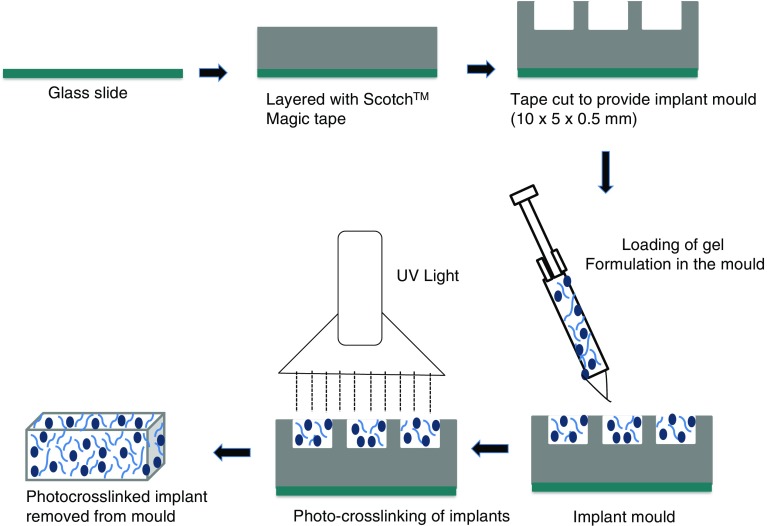
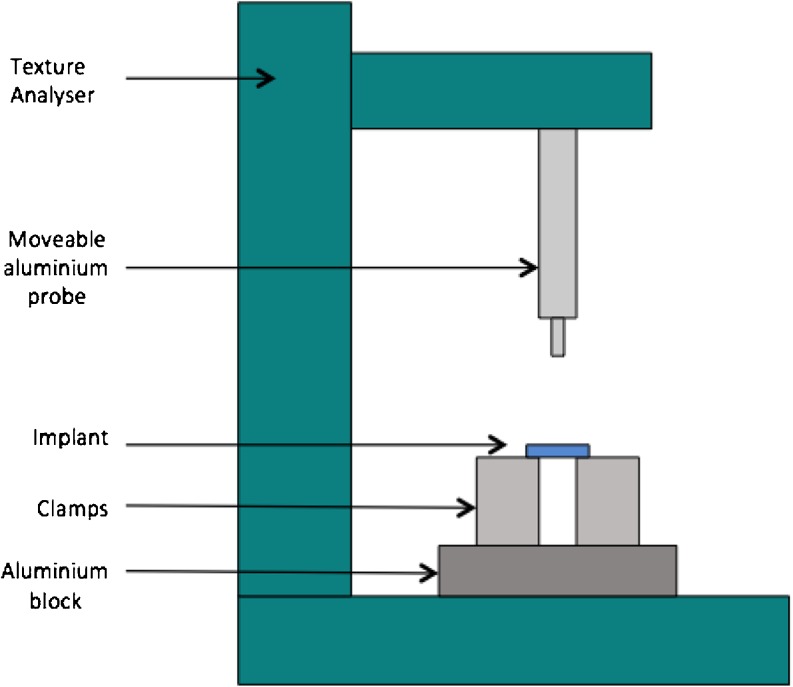
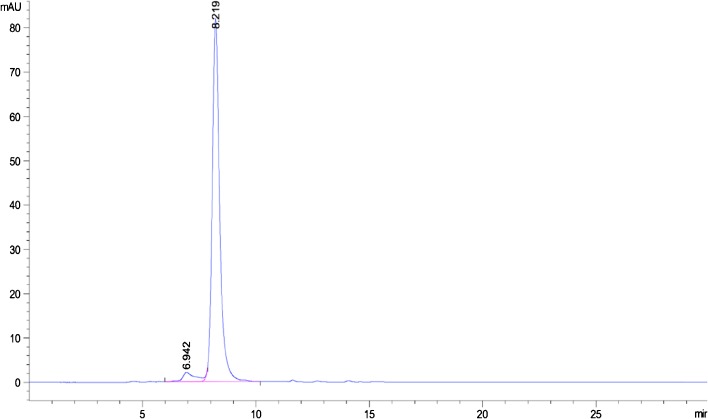
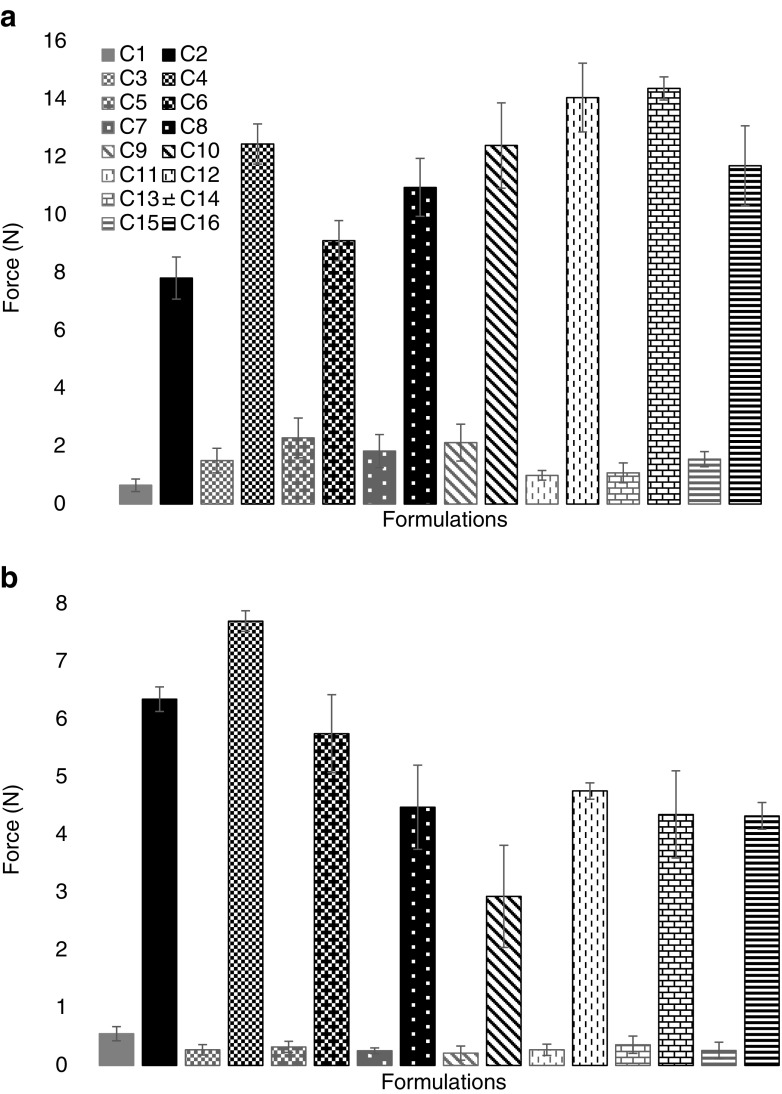
Triamcinolone acetonide and ovalbumin loaded photocrosslinked PEGDA implants, with or without pore-forming agents, were fabricated and characterised for chemical, mechanical, swelling, network parameters, as well as drug release and biocompatibility. HPLC-based analytical methods were employed for analysis of two molecules; ELISA was used to demonstrate bioactivity of ovalbumin.
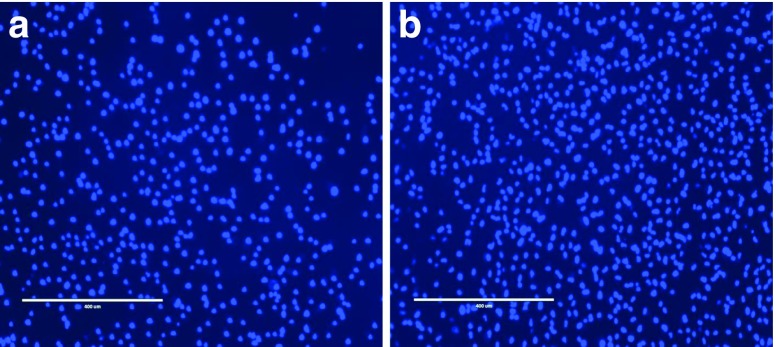
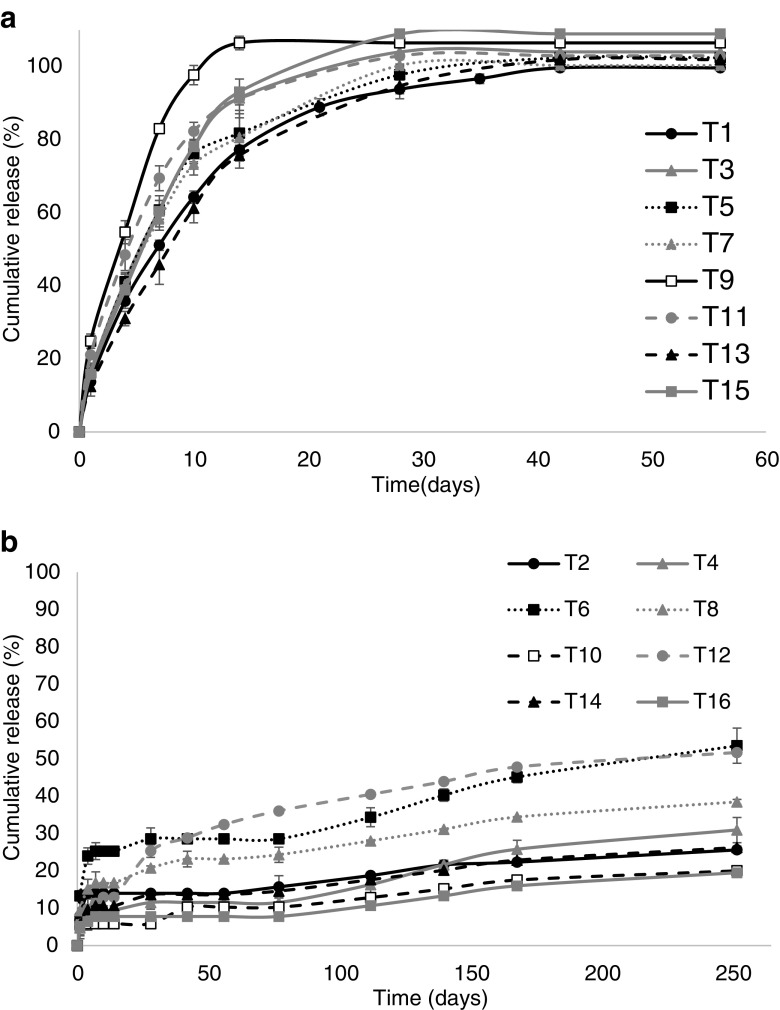
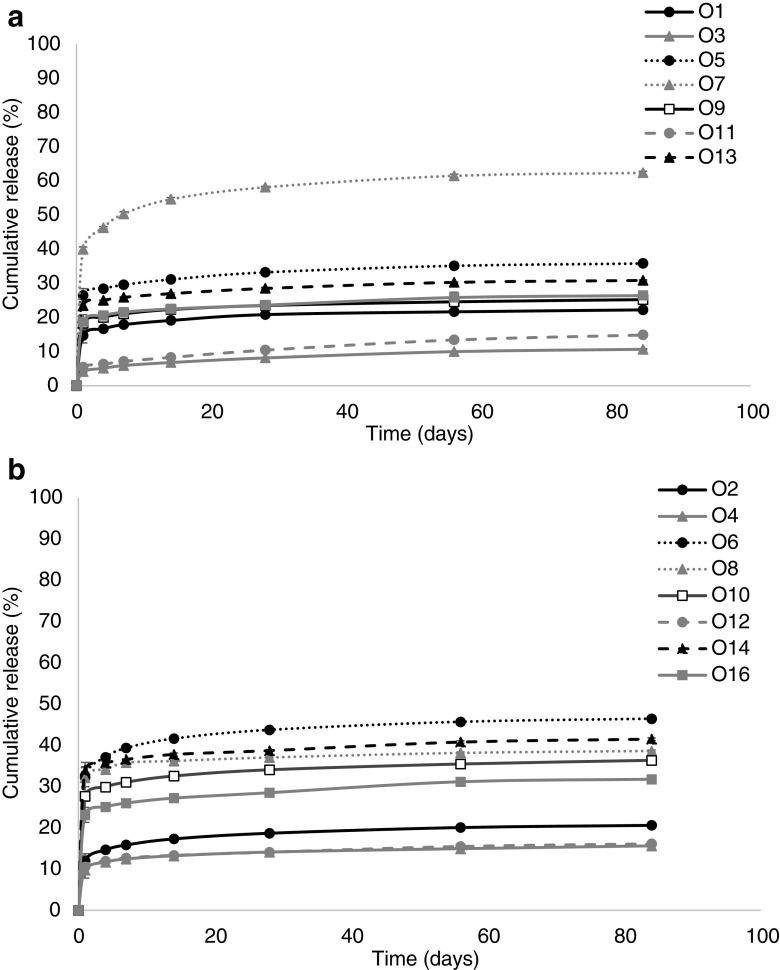
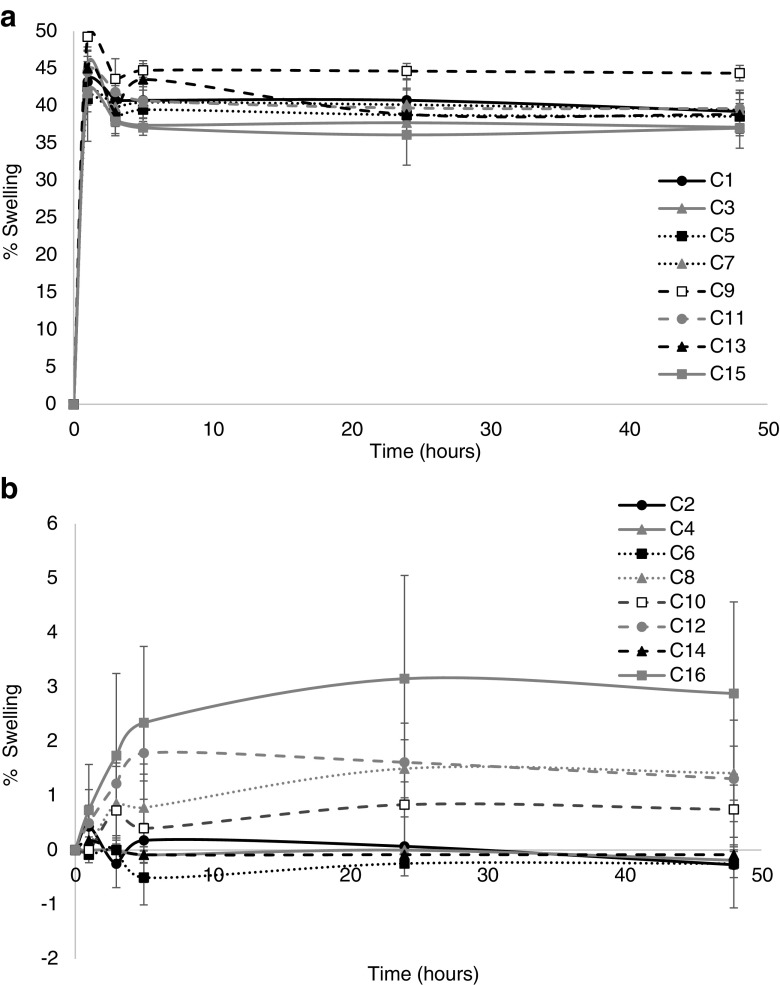
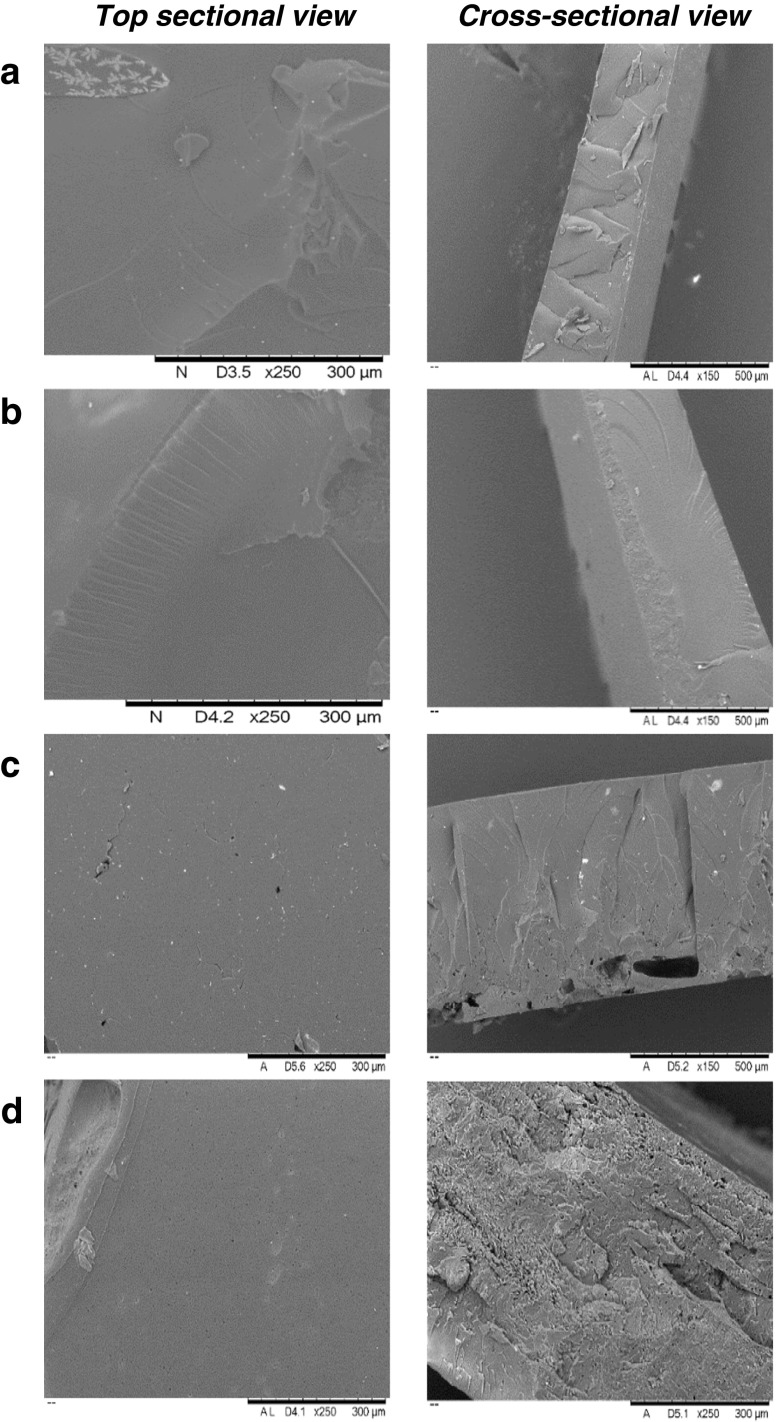
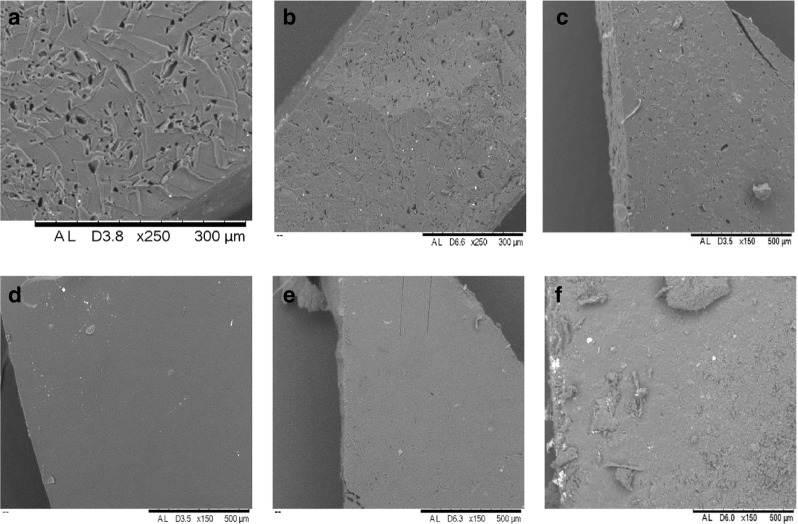
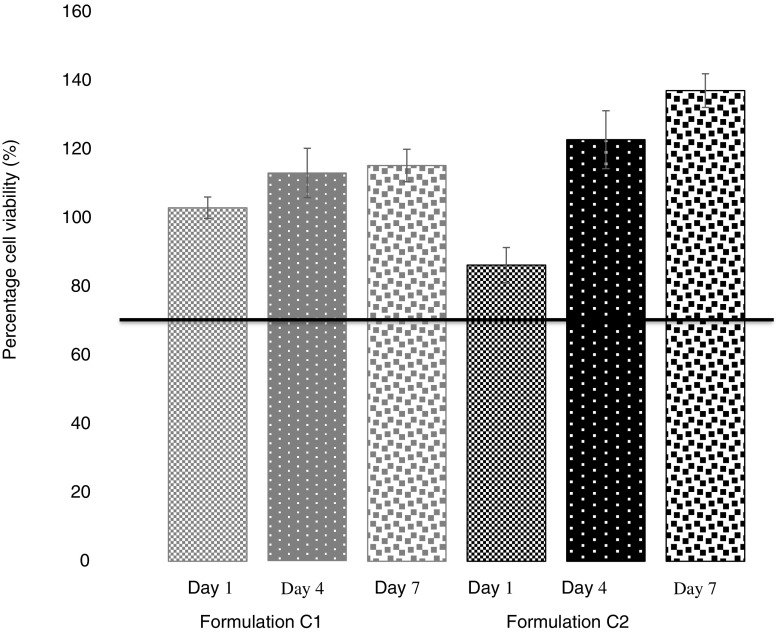
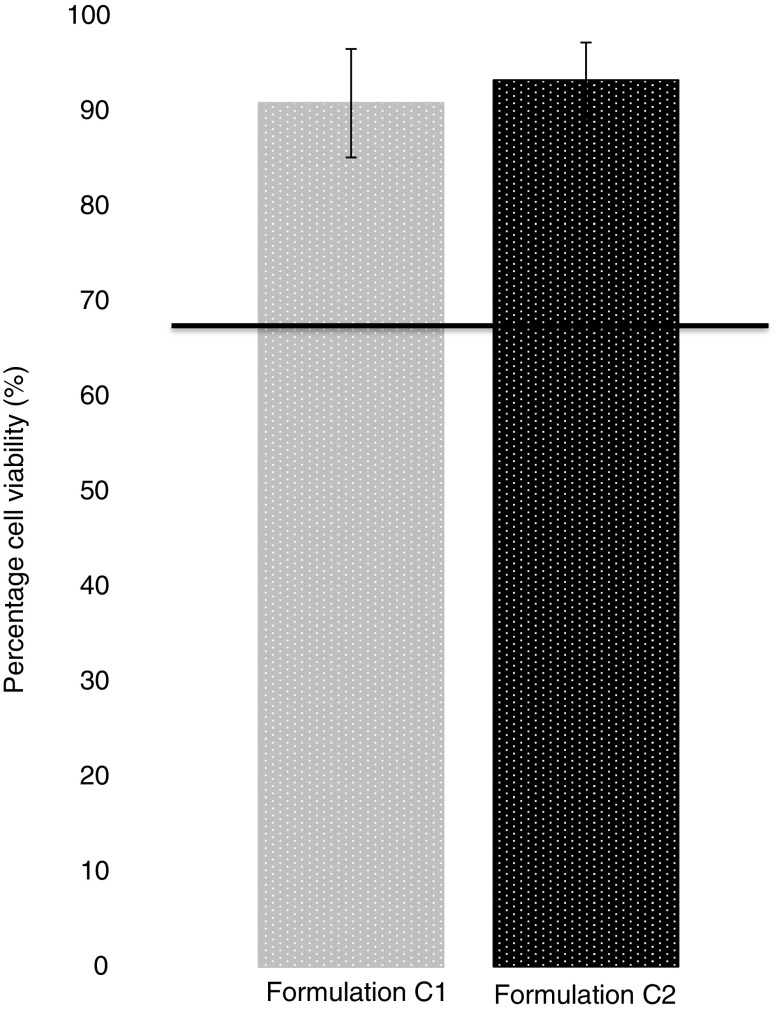
Regardless of PEGDA molecular weight or pore former composition all implants loaded with triamcinolone acetonide released significantly faster than those loaded with ovalbumin. Higher molecular weight PEGDA systems (700 Da) resulted in faster drug release of triamcinolone acetonide than their 250 Da counterpart. All ovalbumin released over the 56-day time period was found to be bioactive. Increasing PEGDA molecular weight resulted in increased system swelling, decreased crosslink density (Ve), increased polymer-water interaction parameter (χ), increased average molecular weight between crosslinks (Mc) and increased mesh size (ε). SEM studies showed the porosity of implants increased with increasing PEGDA molecular weight. Biocompatibility showed both PEGDA molecular weight implants were non-toxic when exposed to retinal epithelial cells over a 7-day period.
Photocrosslinked PEGDA implant based systems are capable of controlled drug release of both small and large drug molecules through adaptations in the polymer system network. We are currently continuing evaluation of these systems as potential sustained drug delivery devices.
研究从小分子和大分子药物分子从具有不同成孔剂的光交联聚乙二醇二丙烯酸酯(PEGDA)植入物中持续的眼部递送来。
制备并表征载有曲安奈德和卵清蛋白的光交联 PEGDA 植入物,有无成孔剂。对化学、机械、溶胀、网络参数以及药物释放和生物相容性进行了评估。采用基于 HPLC 的分析方法分析两种分子;采用 ELISA 法来证明卵清蛋白的生物活性。
无论 PEGDA 分子量或成孔剂组成如何,所有载有曲安奈德的植入物的药物释放速度均明显快于载有卵清蛋白的植入物。较高分子量的 PEGDA 系统(700 Da)的曲安奈德药物释放速度快于其 250 Da 的对应物。在 56 天的时间内,所有释放的卵清蛋白都被发现具有生物活性。PEGDA 分子量的增加导致系统溶胀增加,交联密度(Ve)降低,聚合物-水相互作用参数(χ)增加,平均交联点间分子量(Mc)增加,网格尺寸(ε)增加。SEM 研究表明,随着 PEGDA 分子量的增加,植入物的孔隙率增加。生物相容性研究表明,在 7 天的时间内,视网膜上皮细胞暴露于两种 PEGDA 分子量的植入物均无毒性。
光交联 PEGDA 植入物系统能够通过聚合物系统网络的适应性来控制小分子和大分子药物的释放。我们目前正在继续评估这些系统作为潜在的持续药物输送装置。