Pryde J G, Phillips J H
Biochem J. 1986 Jan 15;233(2):525-33. doi: 10.1042/bj2330525.
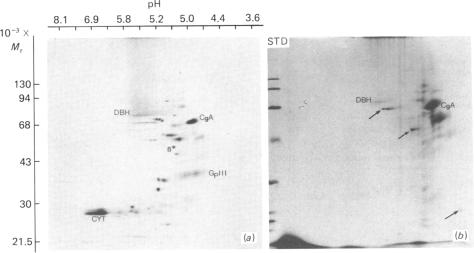
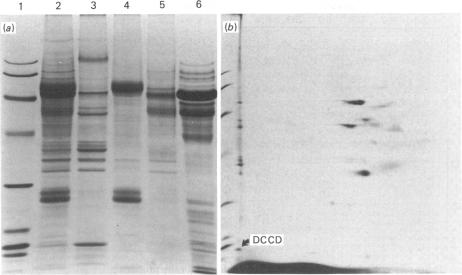
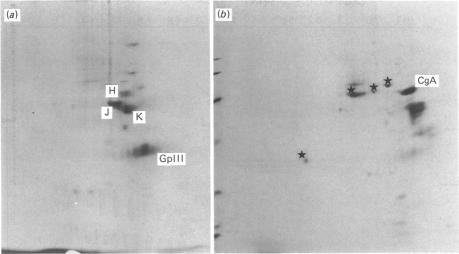
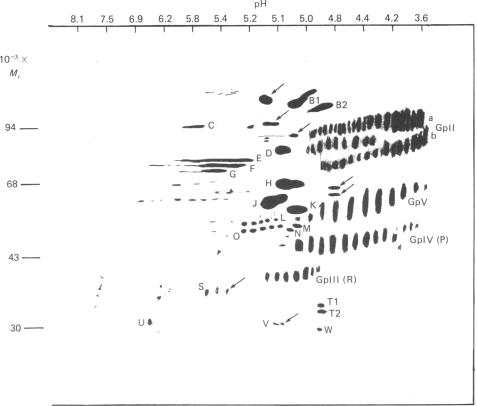
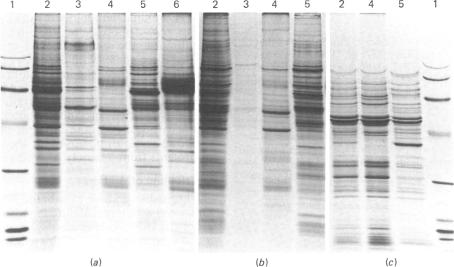
After solubilization with the detergent Triton X-114, membrane proteins may be separated into three groups: if the membrane is sufficiently lipid-rich, one family of hydrophobic constituents separates spontaneously at low temperature; warming at 30 degrees C leads to separation of a detergent-rich phase and an aqueous phase. Using the chromaffin-granule membrane as a model, we found that many intrinsic membrane glycoproteins are found in the latter phase, probably maintained in solution by adherent detergent. They precipitate, however, when this is removed by dialysis, leaving in solution those truly hydrophilic proteins that were originally adhering to the membranes. We have used this method with mitochondria, and with Golgi- and rough-endoplasmic-reticulum-enriched microsomal fractions: it has proved to be a rapid and convenient method for effecting a partial separation of proteins from a variety of different membranes.
在用去污剂Triton X-114溶解后,膜蛋白可分为三类:如果膜富含足够的脂质,一类疏水成分在低温下会自发分离;在30℃加热会导致富含去污剂的相和水相分离。以嗜铬颗粒膜为模型,我们发现许多内在膜糖蛋白存在于后一相中,可能是由附着的去污剂保持在溶液中。然而,当通过透析去除去污剂时,它们会沉淀,而原本附着在膜上的真正亲水的蛋白质则留在溶液中。我们已将此方法用于线粒体以及富含高尔基体和粗面内质网的微粒体部分:事实证明,这是一种从各种不同膜中部分分离蛋白质的快速便捷方法。