Division of Cancer Sciences, School of Medical Sciences, Faculty of Biology, Medicine and Health, University of Manchester, Manchester Academic Health Science Centre, Manchester Cancer Research Centre, Wilmslow Road, Manchester, M20 4QL, UK.
Cell Death Dis. 2018 Jan 26;9(2):127. doi: 10.1038/s41419-017-0149-6.
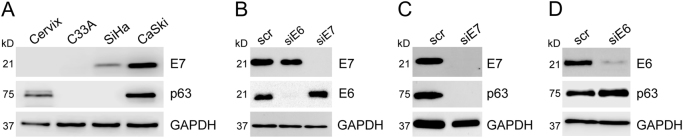
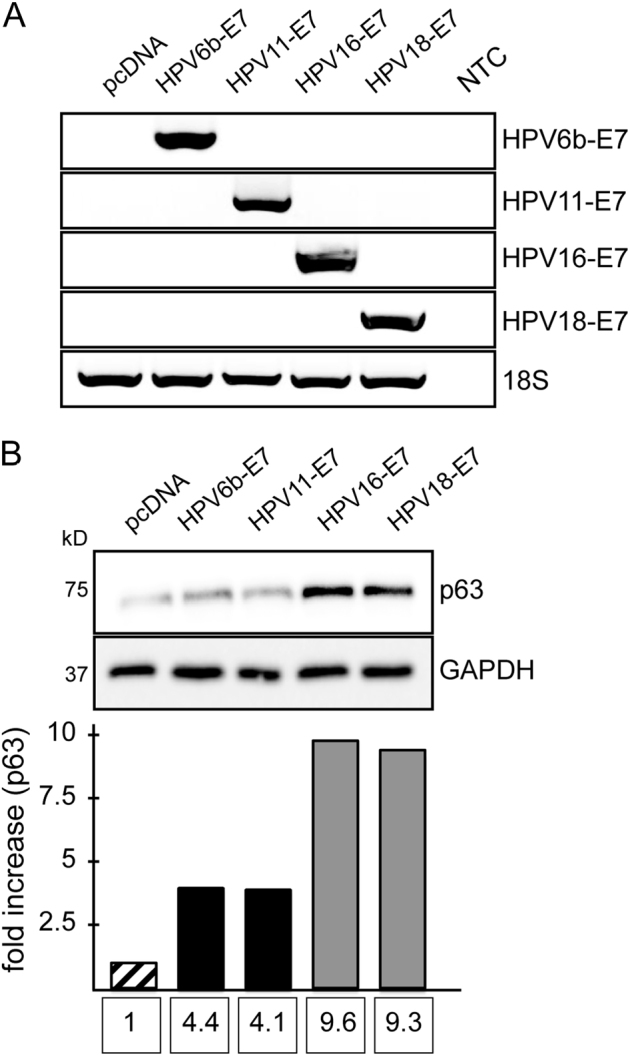
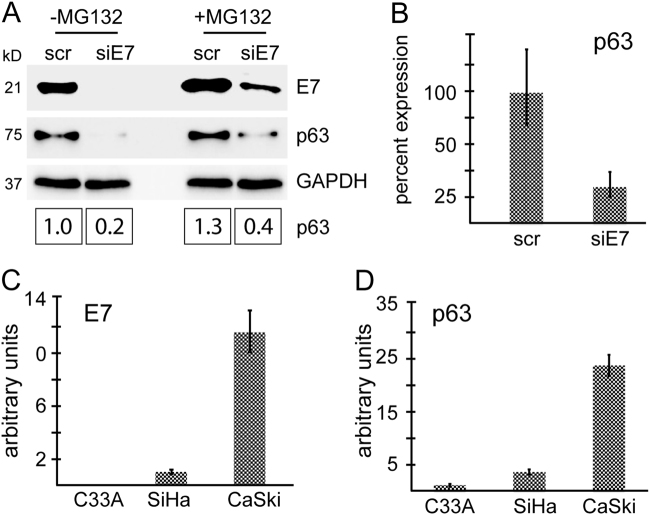
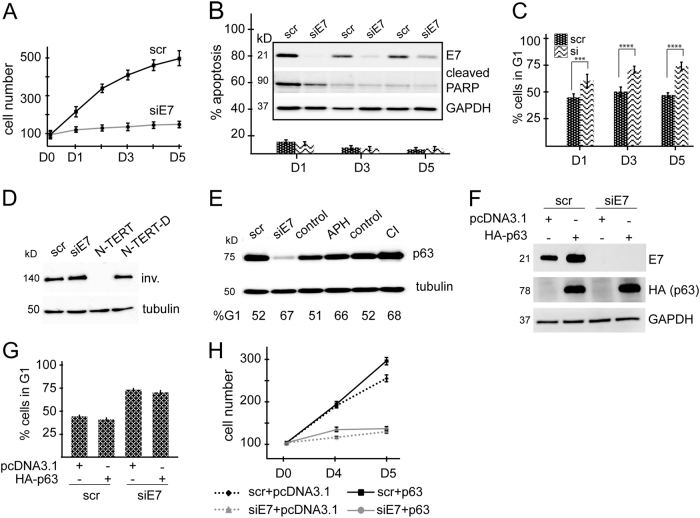
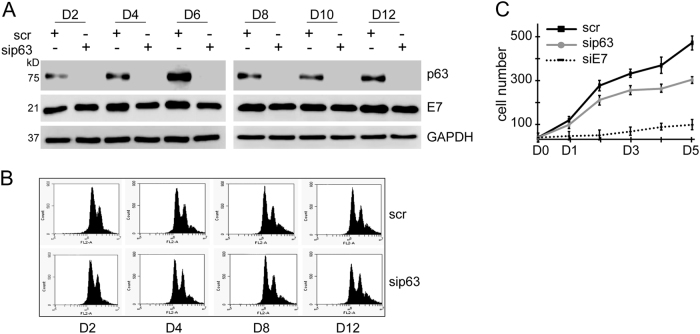
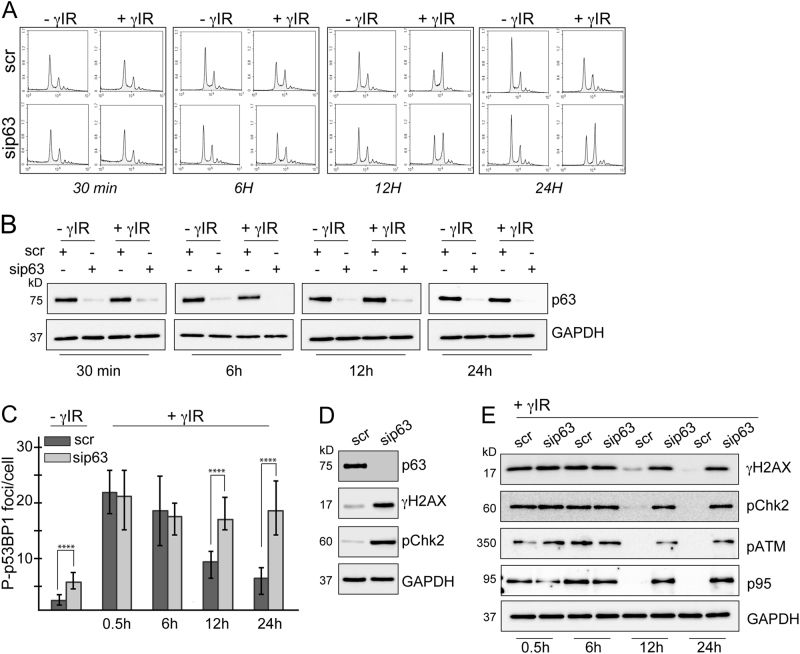
Cervical cancer is the third most common malignancy diagnosed in women worldwide. The major aetiological factor underlying the malignant transformation of cervical cells is the persistent infection with high-risk human papillomaviruses (HR-HPV), with more than 99% of cases expressing viral sequences. Here, we report a previously unknown mechanism driven by high-risk human papillomavirus E7 protein to modulate response to DNA damage in cervical cancer cells. Our data shows that HR-HPV E7 oncoprotein induces the transcription of the p53-family member p63, which modulates DNA damage response pathways, to facilitate repair of DNA damage. Based on our findings, we proposed a model, where HR-HPV could interfere with the sensitivity of transformed cells to radiation therapy by modulating DNA damage repair efficiency. Importantly, we have shown for the first time a critical role for p63 in response to DNA damage in cervical cancer cells.
宫颈癌是全球女性中诊断出的第三大常见恶性肿瘤。导致宫颈细胞恶性转化的主要病因因素是高危型人乳头瘤病毒(HR-HPV)的持续感染,超过 99%的病例表达病毒序列。在这里,我们报告了一个以前未知的机制,由高危型人乳头瘤病毒 E7 蛋白驱动,调节宫颈癌细胞对 DNA 损伤的反应。我们的数据表明,HR-HPV E7 癌蛋白诱导 p53 家族成员 p63 的转录,从而调节 DNA 损伤反应途径,促进 DNA 损伤的修复。基于我们的发现,我们提出了一个模型,其中 HR-HPV 可以通过调节 DNA 损伤修复效率来干扰转化细胞对放射治疗的敏感性。重要的是,我们首次证明了 p63 在宫颈癌细胞对 DNA 损伤反应中的关键作用。