Mul Fedele Malena L, Galiana Maria D, Golombek Diego A, Muñoz Estela M, Plano Santiago A
Science and Technology, Universidad Nacional de Quilmes (UNQ), Bernal, Argentina.
Institute of Histology and Embryology of Mendoza (IHEM-CONICET), Universidad Nacional de Cuyo, Mendoza, Argentina.
Front Endocrinol (Lausanne). 2018 Jan 9;8:370. doi: 10.3389/fendo.2017.00370. eCollection 2017.
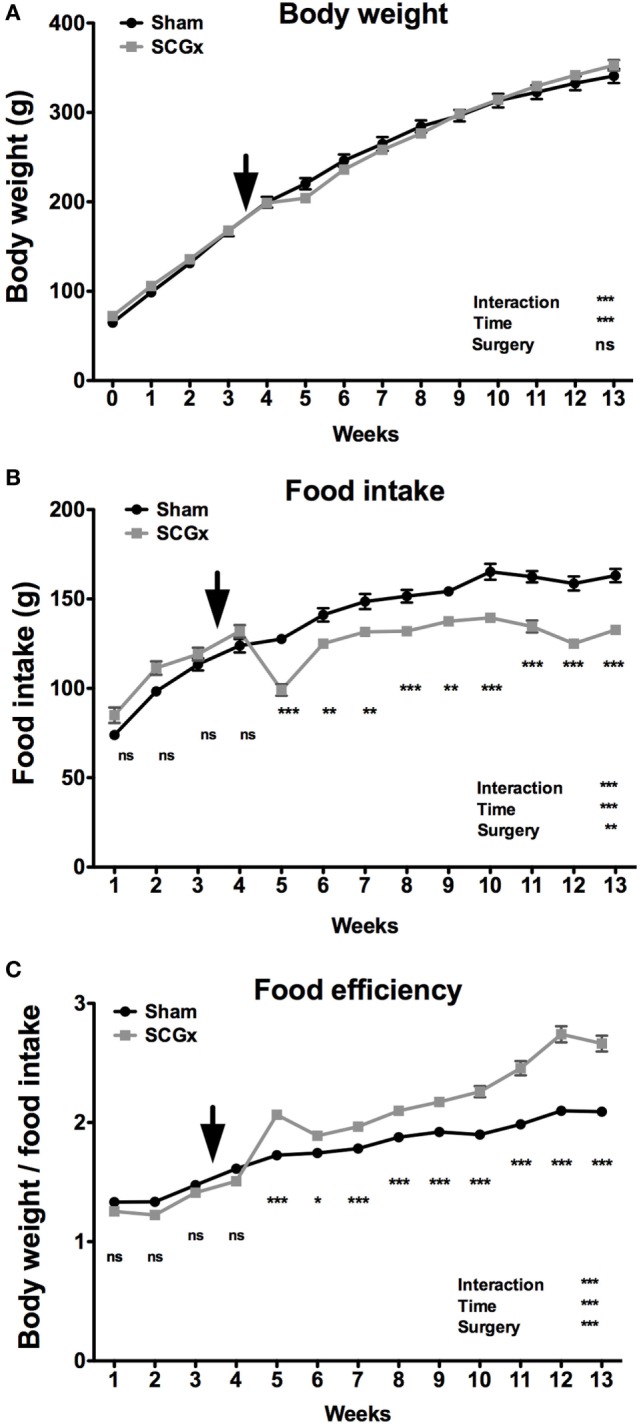
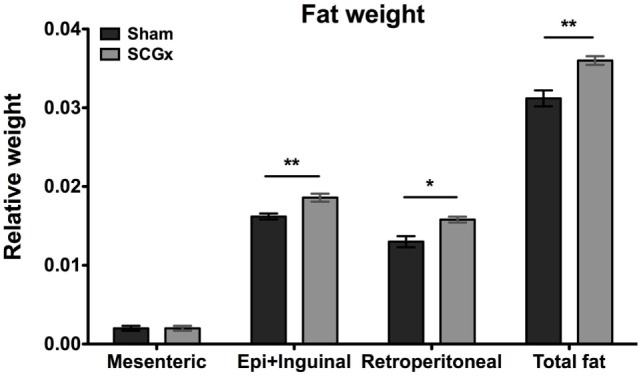
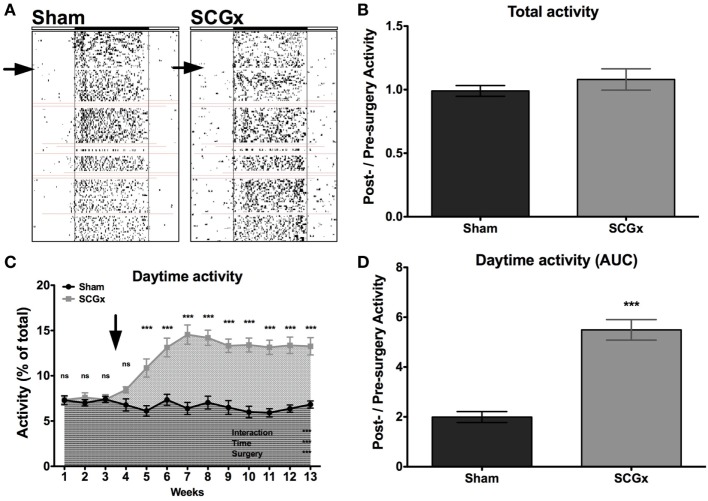
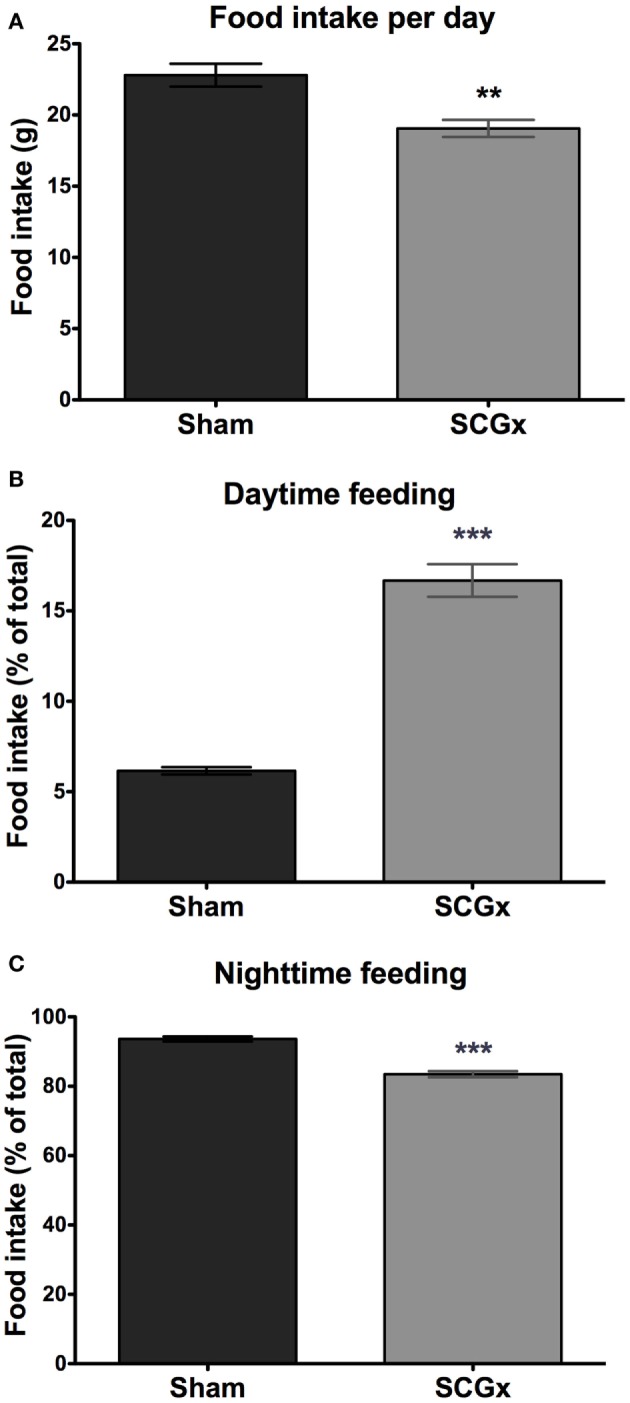
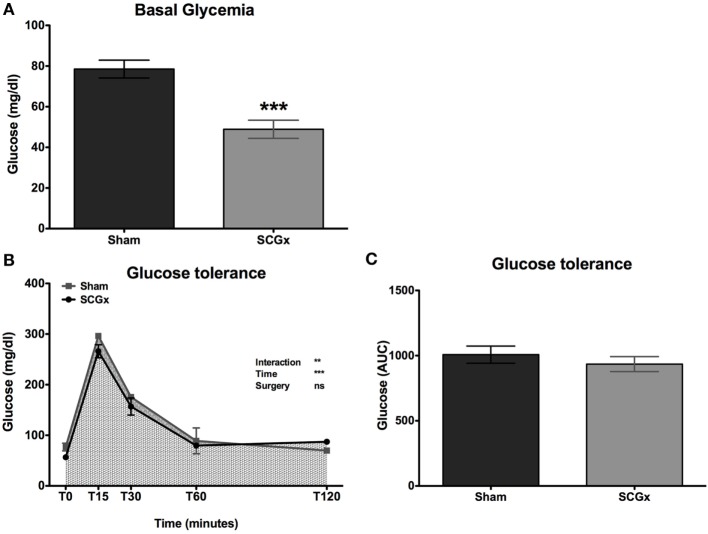
Mammalian circadian rhythms are controlled by a master pacemaker located in the suprachiasmatic nuclei (SCN), which is synchronized to the environment by photic and nonphotic stimuli. One of the main functions of the SCN is to regulate peripheral oscillators to set temporal variations in the homeostatic control of physiology and metabolism. In this sense, the SCN coordinate the activity/rest and feeding/fasting rhythms setting the timing of food intake, energy expenditure, thermogenesis, and active and basal metabolism. One of the major time cues to the periphery is the nocturnal melatonin, which is synthesized and secreted by the pineal gland. Under SCN control, arylalkylamine -acetyltransferase (AA-NAT)-the main enzyme regulating melatonin synthesis in vertebrates-is activated at night by sympathetic innervation that includes the superior cervical ganglia (SCG). Bilateral surgical removal of the superior cervical ganglia (SCGx) is considered a reliable procedure to completely prevent the nocturnal AA-NAT activation, irreversibly suppressing melatonin rhythmicity. In the present work, we studied the effects of SCGx on rat metabolic parameters and diurnal rhythms of feeding and locomotor activity. We found a significant difference between SCGx and sham-operated rats in metabolic variables such as an increased body weight/food intake ratio, increased adipose tissue, and decreased glycemia with a normal glucose tolerance. An analysis of locomotor activity and feeding rhythms showed an increased daytime (lights on) activity (including food consumption) in the SCGx group. These alterations suggest that superior cervical ganglia-related feedback mechanisms play a role in SCN-periphery phase coordination and that SCGx is a valid model without brain-invasive surgery to explore how sympathetic innervation affects daily (24 h) patterns of activity, food consumption and, ultimately, its role in metabolism homeostasis.
哺乳动物的昼夜节律由位于视交叉上核(SCN)的主起搏器控制,该起搏器通过光刺激和非光刺激与环境同步。SCN的主要功能之一是调节外周振荡器,以设定生理和代谢稳态控制中的时间变化。从这个意义上说,SCN协调活动/休息和进食/禁食节律,设定食物摄入、能量消耗、产热以及活跃和基础代谢的时间。外周的主要时间线索之一是夜间褪黑素,它由松果体合成和分泌。在SCN的控制下,芳基烷基胺 - 乙酰转移酶(AA-NAT)——脊椎动物中调节褪黑素合成的主要酶——在夜间通过包括颈上神经节(SCG)的交感神经支配而被激活。双侧手术切除颈上神经节(SCGx)被认为是一种可靠的方法,可以完全防止夜间AA-NAT的激活,不可逆地抑制褪黑素的节律性。在本研究中,我们研究了SCGx对大鼠代谢参数以及进食和运动活动昼夜节律的影响。我们发现,在代谢变量方面,SCGx大鼠与假手术大鼠之间存在显著差异,例如体重/食物摄入比增加、脂肪组织增加以及血糖降低但葡萄糖耐量正常。对运动活动和进食节律的分析表明,SCGx组白天(光照期)的活动(包括食物消耗)增加。这些改变表明,与颈上神经节相关的反馈机制在SCN-外周相位协调中起作用,并且SCGx是一种无需脑部侵入性手术的有效模型,可用于探索交感神经支配如何影响日常(24小时)的活动模式、食物消耗,以及最终其在代谢稳态中的作用。