Deng Huidan, Kuang Ping, Cui Hengmin, Luo Qin, Liu Huan, Lu Yujiao, Fang Jing, Zuo Zhicai, Deng Junliang, Li Yinglun, Wang Xun, Zhao Ling
College of Veterinary Medicine, Sichuan Agricultural University, Wenjiang, Chengdu 611130, China.
Key Laboratory of Animal Diseases and Environmental Hazards of Sichuan Province, Sichuan Agriculture University, Wenjiang, Chengdu 611130, China.
Oncotarget. 2017 Dec 1;8(70):114428-114441. doi: 10.18632/oncotarget.22826. eCollection 2017 Dec 29.
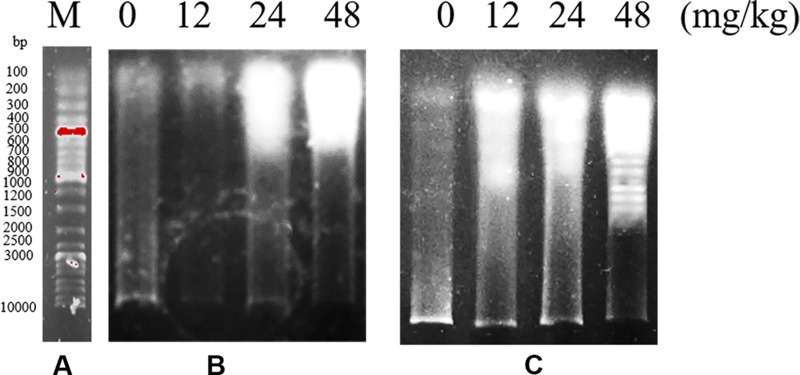
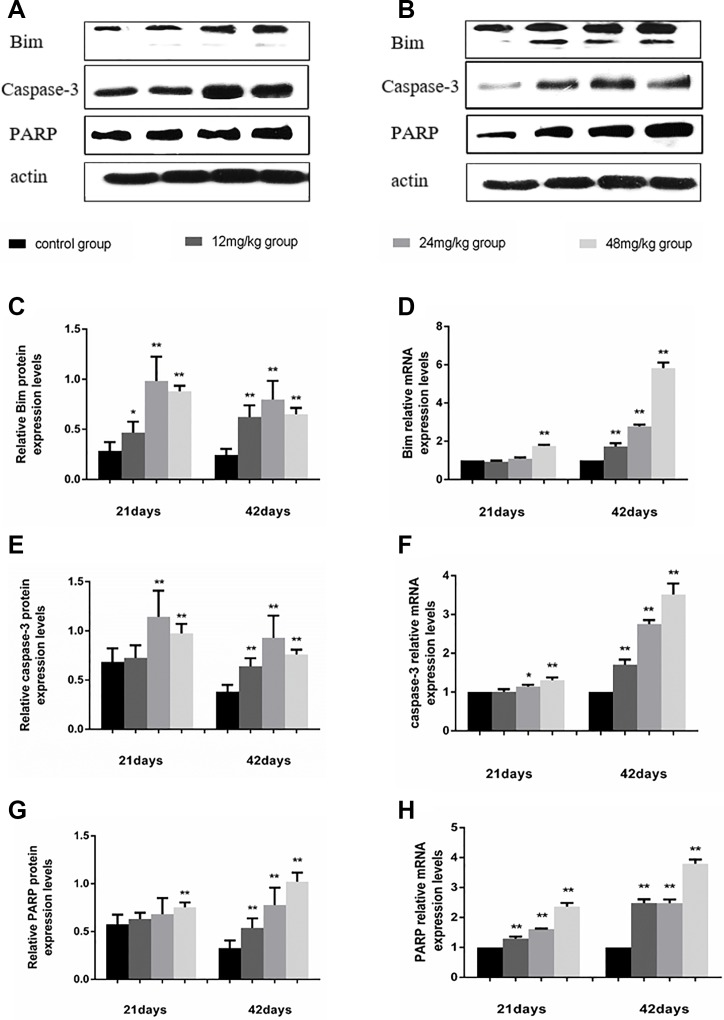
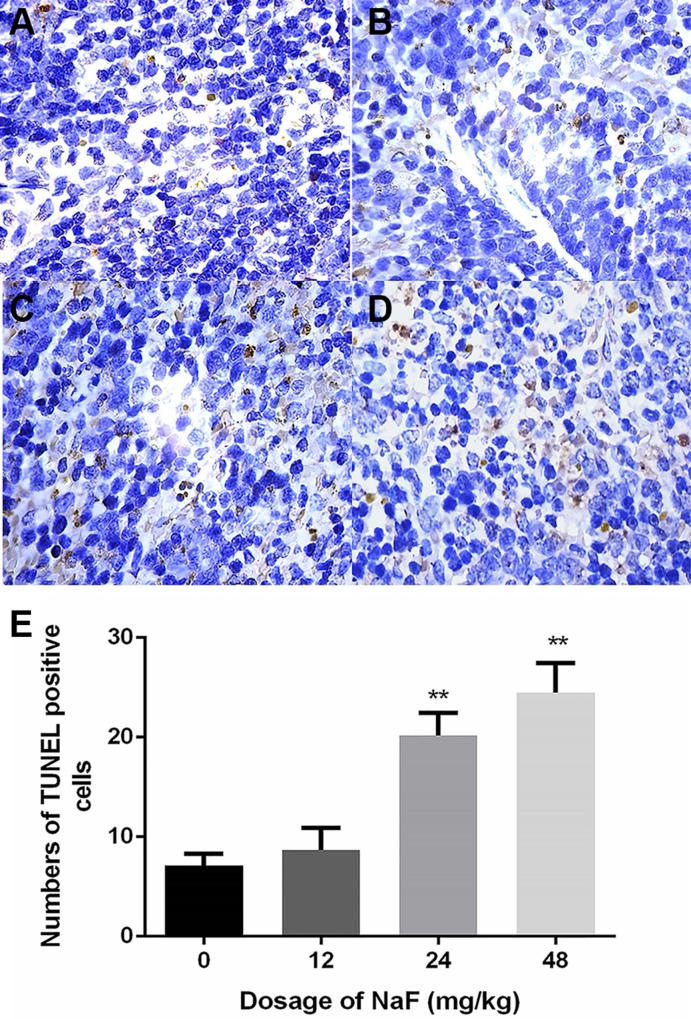
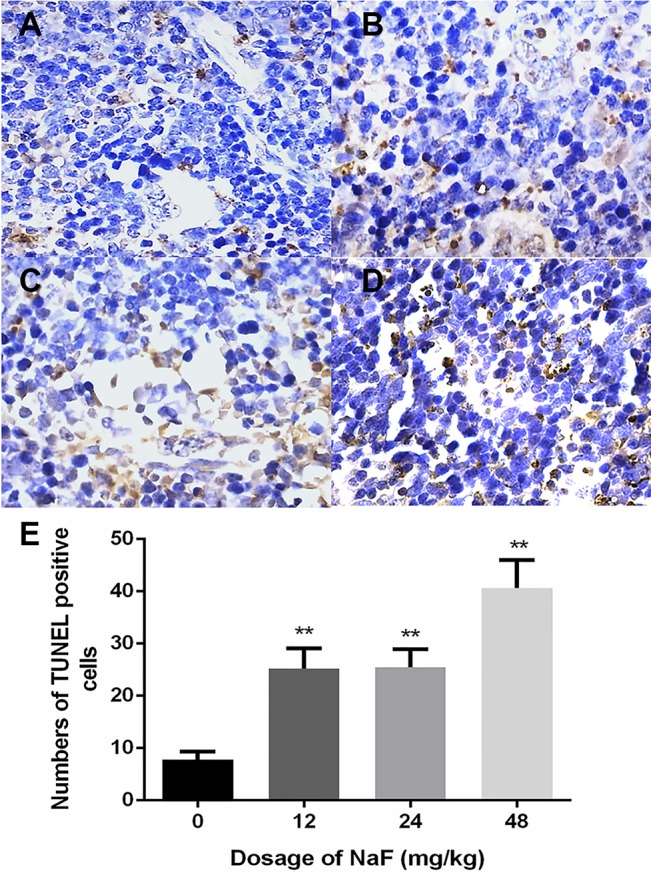
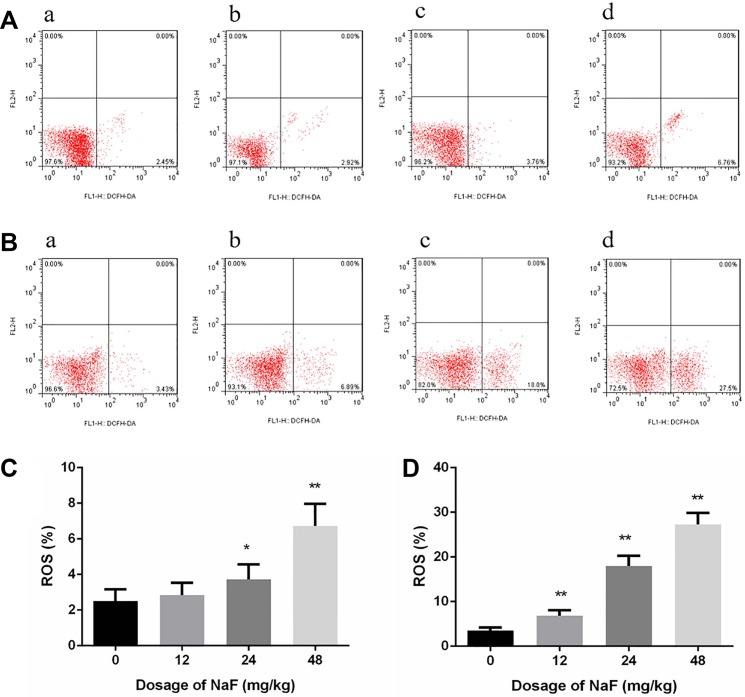
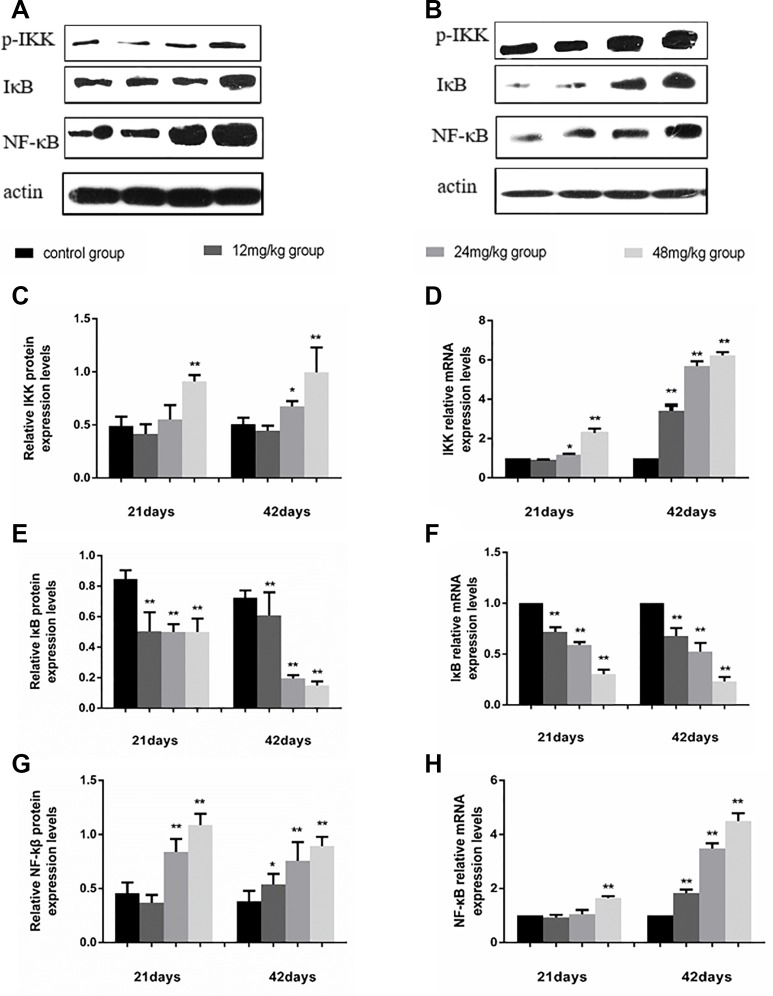
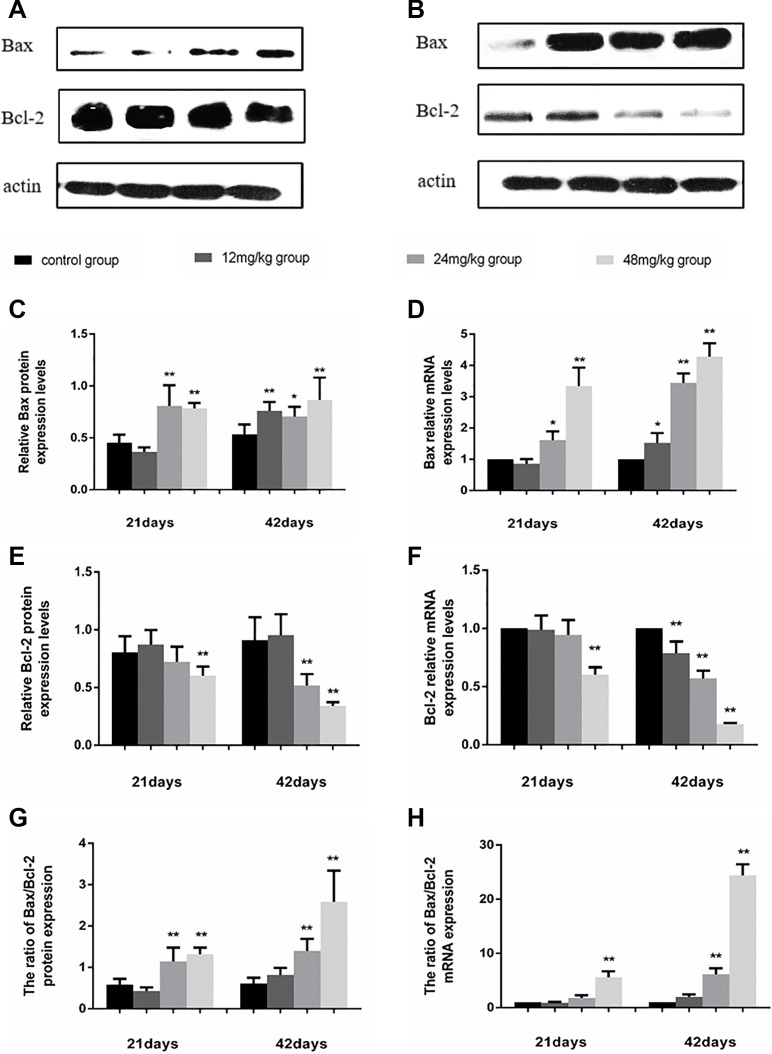
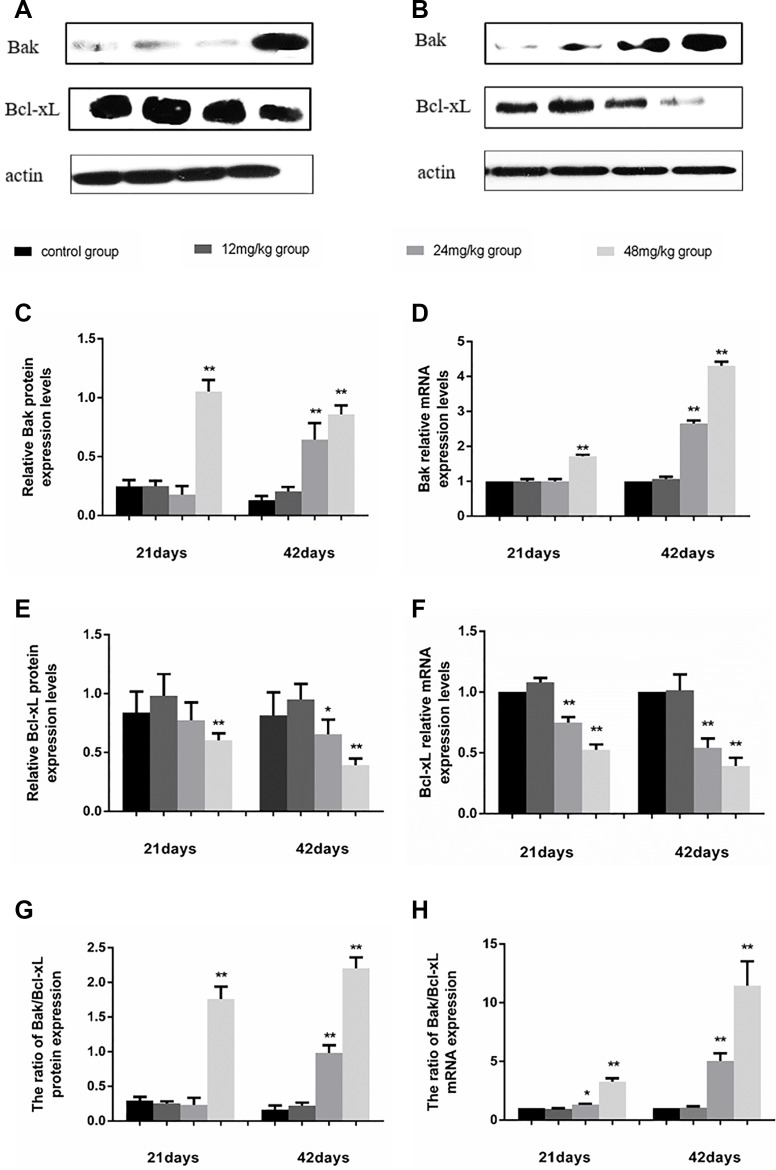
In this study, we investigated the roles of reactive oxygen species (ROS) and nuclear factor-κB (NF-κB) signaling in sodium fluoride-induced DNA damage and apoptosis in mouse splenocytes. Intragastric administration of 12, 24 or 48 mg/kg sodium fluoride resulted in a time- and dose-dependent increase in DNA fragmentation and apoptosis in mouse splenocytes on days 21 and 42. High ROS levels correlated with increased levels of phosphorylated IκB kinase and NF-κB p65 and decreased levels of inhibitory kappa B protein in splenocytes from mice treated with sodium fluoride. Moreover, splenocytes from sodium fluoride-treated mice showed high expression of pro-apoptotic proteins, including Bim, Bax, Bak, caspase-3 and poly ADP-ribose polymerase, and low expression of the anti-apoptotic proteins BcL-2 and BcL-xL. These results show that sodium fluoride induces apoptosis in mouse splenocytes by enhancing ROS-dependent NF-κB signaling.
在本研究中,我们调查了活性氧(ROS)和核因子κB(NF-κB)信号通路在氟化钠诱导的小鼠脾细胞DNA损伤和凋亡中的作用。胃内给予12、24或48mg/kg氟化钠导致在第21天和第42天小鼠脾细胞中的DNA片段化和凋亡呈时间和剂量依赖性增加。高ROS水平与氟化钠处理的小鼠脾细胞中磷酸化IκB激酶和NF-κB p65水平的增加以及抑制性κB蛋白水平的降低相关。此外,来自氟化钠处理小鼠的脾细胞显示促凋亡蛋白(包括Bim、Bax、Bak、caspase-3和聚ADP-核糖聚合酶)的高表达,以及抗凋亡蛋白BcL-2和BcL-xL的低表达。这些结果表明,氟化钠通过增强ROS依赖性NF-κB信号通路诱导小鼠脾细胞凋亡。