Matsueda Satoko, Itoh Kyogo, Shichijo Shigeki
Cancer Vaccine Center, Kurume University, Kurume, Japan.
Cancer Sci. 2018 Mar;109(3):611-617. doi: 10.1111/cas.13522. Epub 2018 Feb 28.
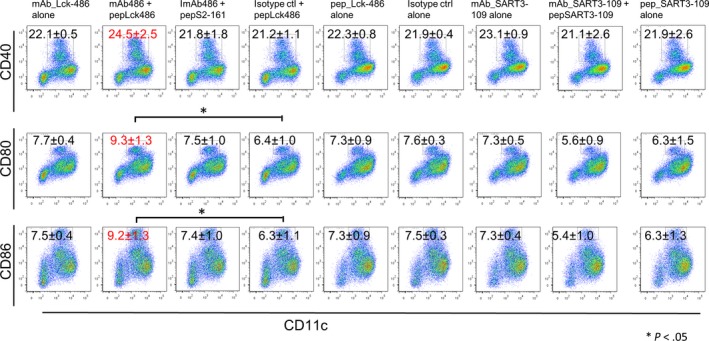
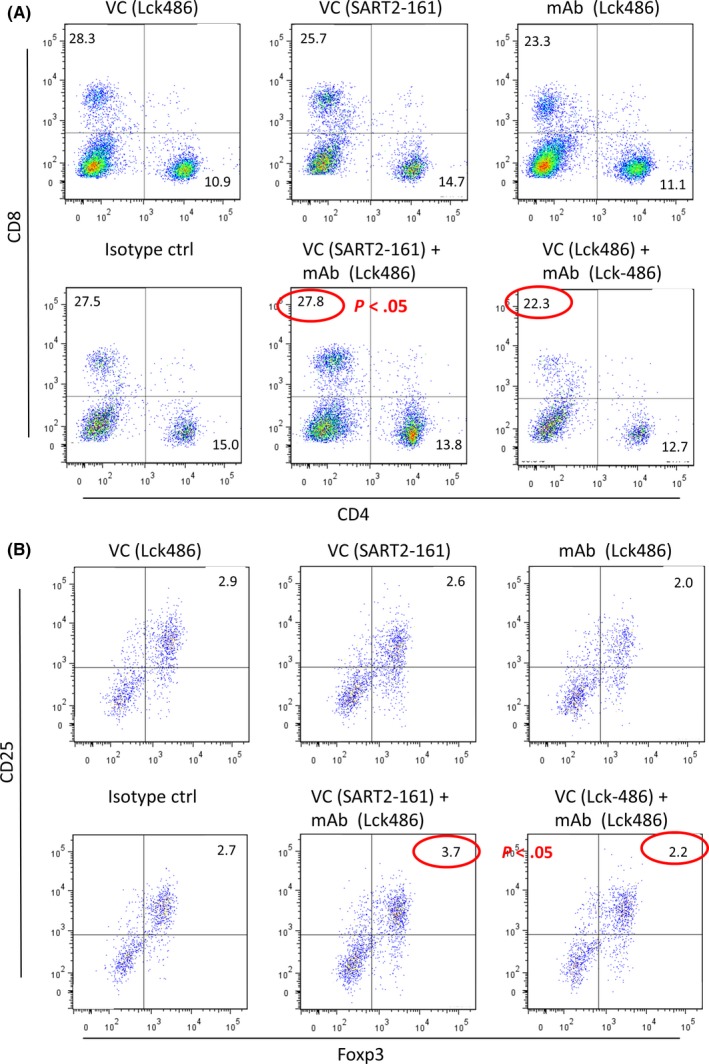
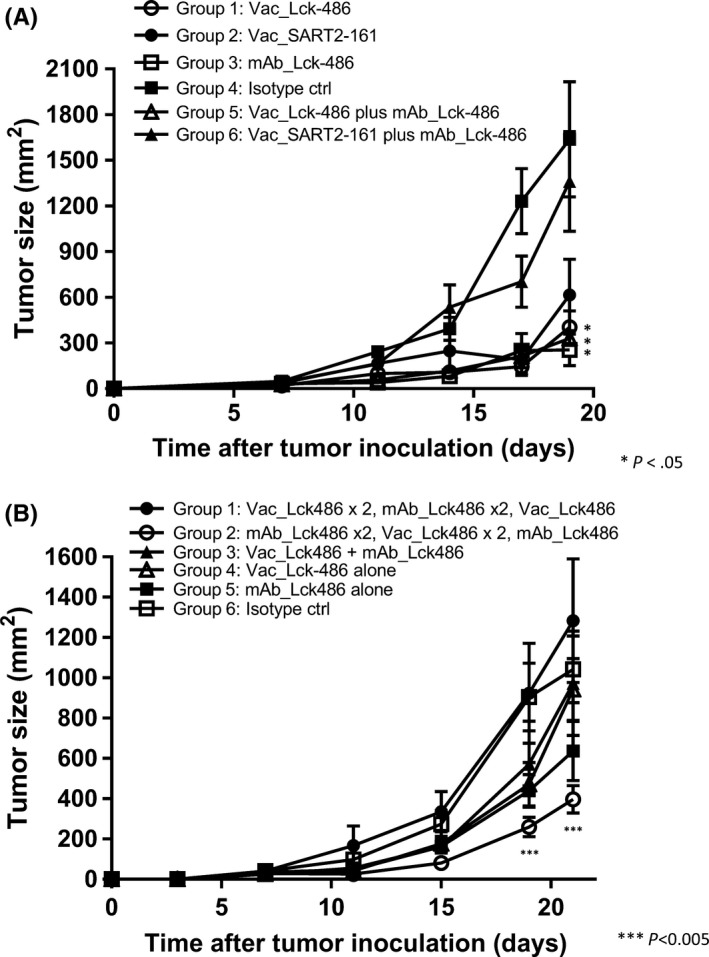
Although humoral responses against CTL epitope peptides from lymphocyte-specific protein tyrosine kinase (Lck) antigen have been observed in the majority of healthy donors and cancer patients, the biological activity of the antibody has not been determined. We investigated the biological activity of mAb against CTL epitope peptide of Lck antigen at positions 486-494 (anti-Lck-486 mAb). This mAb induced dendritic cell maturation from murine bone marrow cells by the immune complex form in vitro, and inhibited tumor growth in association with a suppression of tumor-infiltrating T cells, including T regulatory cells in a murine model using female BALB/cCrlCrlj mice (H-2K ). More potent tumor inhibition was observed when this mAb was given prior to peptide vaccination. These results may help to unveil the biological activity of anti-Lck peptide antibodies against CTL epitope peptides.
尽管在大多数健康供体和癌症患者中都观察到了针对淋巴细胞特异性蛋白酪氨酸激酶(Lck)抗原的CTL表位肽的体液反应,但该抗体的生物学活性尚未确定。我们研究了针对Lck抗原486 - 494位CTL表位肽的单克隆抗体(抗Lck - 486单克隆抗体)的生物学活性。该单克隆抗体在体外通过免疫复合物形式诱导小鼠骨髓细胞来源的树突状细胞成熟,并在使用雌性BALB/cCrlCrlj小鼠(H - 2K)的小鼠模型中,与抑制肿瘤浸润性T细胞(包括调节性T细胞)相关联地抑制肿瘤生长。当在肽疫苗接种之前给予该单克隆抗体时,观察到了更强的肿瘤抑制作用。这些结果可能有助于揭示抗Lck肽抗体针对CTL表位肽的生物学活性。