Modave François, Bian Jiang, Rosenberg Eric, Mendoza Tonatiuh, Liang Zhan, Bhosale Ravi, Maeztu Carlos, Rodriguez Camila, Cardel Michelle I
Department of Health Outcomes and Policy, University of Florida, Gainesville, FL, United States.
Department of Internal Medicine, University of Florida, Gainesville, FL, United States.
JMIR Diabetes. 2016 Jul-Dec;1(2). doi: 10.2196/diabetes.6662.
Optimal management of chronic diseases, such as type 2 diabetes (T2D) and obesity, requires patient-provider communication and proactive self-management from the patient. Mobile apps could be an effective strategy for improving patient-provider communication and provide resources for self-management to patients themselves.
The objective of this paper is to describe the development of a mobile tool for patients with T2D and obesity that utilizes an integrative approach to facilitate patient-centered app development, with patient and physician interfaces. Our implementation strategy focused on the building of a multidisciplinary team to create a user-friendly and evidence-based app, to be used by patients in a home setting or at the point-of-care.
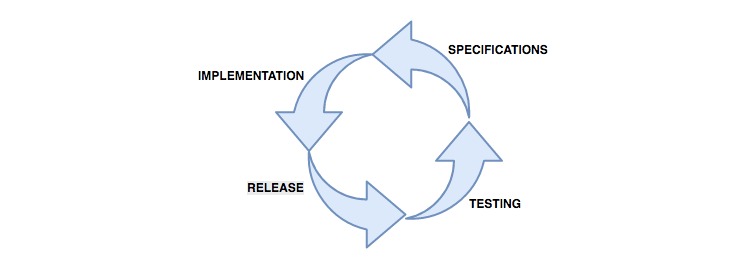
We present the iterative design, development, and testing of DiaFit, an app designed to improve the self-management of T2D and obesity, using an adapted Agile approach to software implementation. The production team consisted of experts in mobile health, nutrition sciences, and obesity; software engineers; and clinicians. Additionally, the team included citizen scientists and clinicians who acted as the de facto software clients for DiaFit and therefore interacted with the production team throughout the entire app creation, from design to testing.
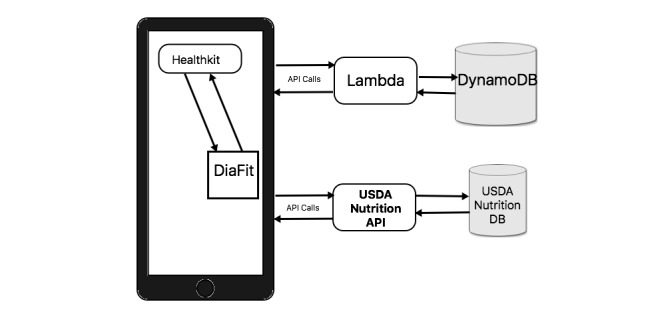
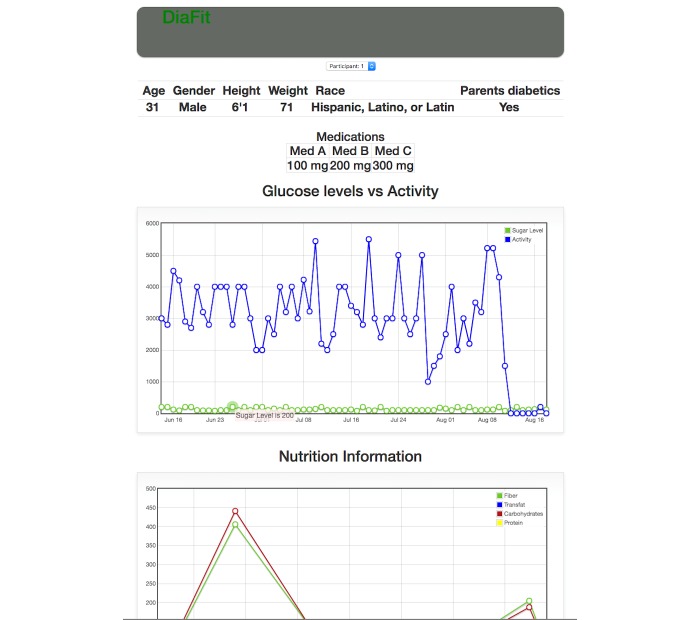
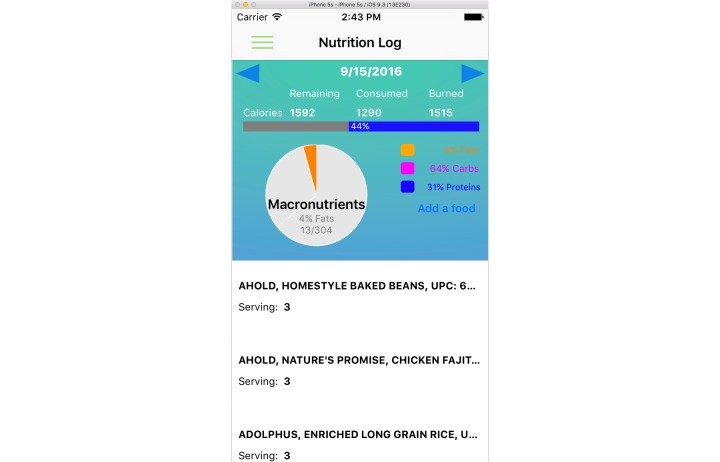
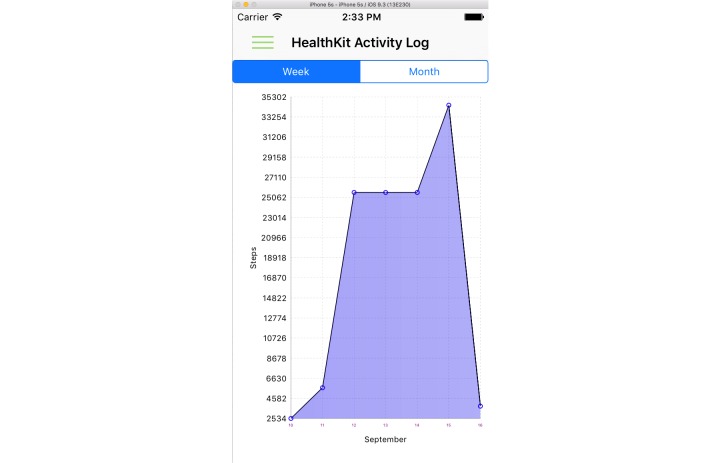
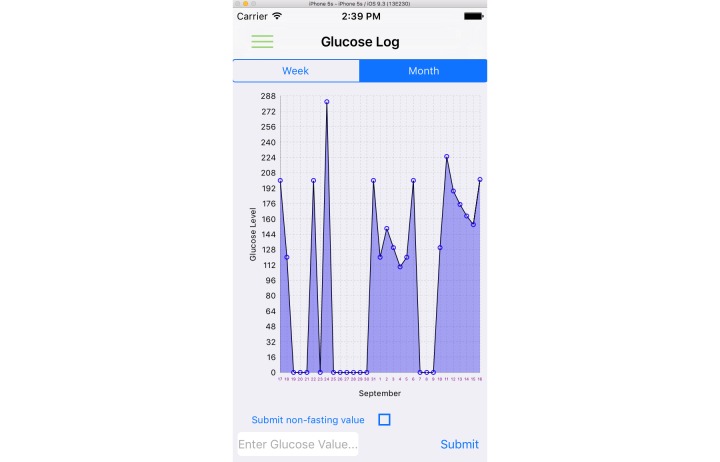
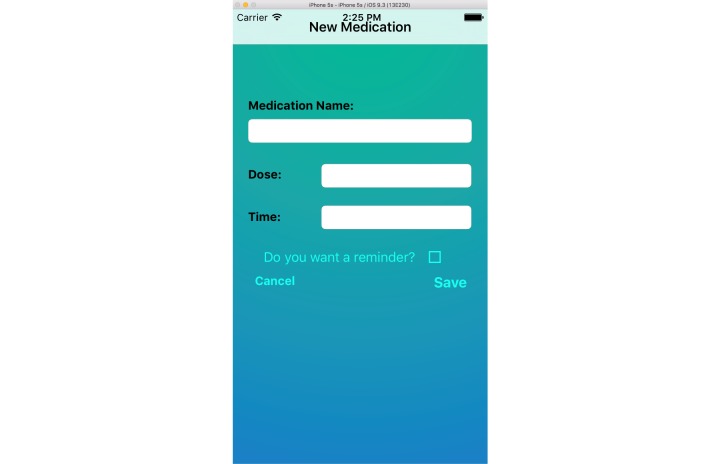
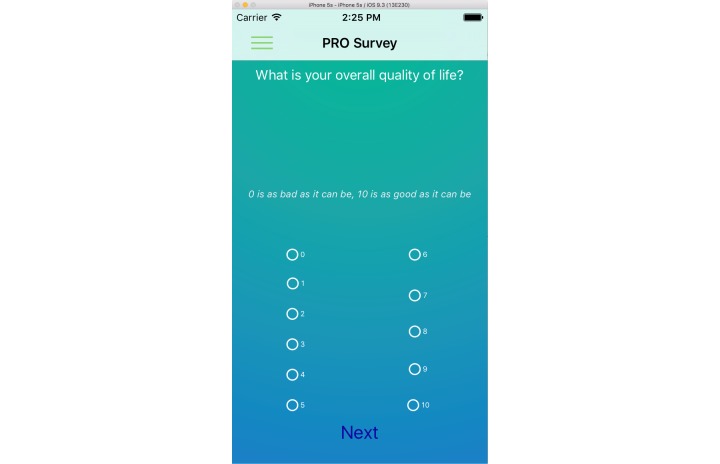
DiaFit (version 1.0) is an open-source, inclusive iOS app that incorporates nutrition data, physical activity data, and medication and glucose values, as well as patient-reported outcomes. DiaFit supports the uploading of data from sensory devices via Bluetooth for physical activity (iOS step counts, FitBit, Apple watch) and glucose monitoring (iHealth glucose meter). The app provides summary statistics and graphics for step counts, dietary information, and glucose values that can be used by patients and their providers to make informed health decisions. The DiaFit iOS app was developed in Swift (version 2.2) with a Web back-end deployed on the Health Insurance Portability and Accountability Act compliant-ready Amazon Web Services cloud computing platform. DiaFit is publicly available on GitHub to the diabetes community at large, under the GNU General Public License agreement.
Given the proliferation of health-related apps available to health consumers, it is essential to ensure that apps are evidence-based and user-oriented, with specific health conditions in mind. To this end, we have used a software development approach focusing on community and clinical engagement to create DiaFit, an app that assists patients with T2D and obesity to better manage their health through active communication with their providers and proactive self-management of their diseases.
对2型糖尿病(T2D)和肥胖症等慢性病的最佳管理需要患者与医护人员之间的沟通以及患者积极的自我管理。移动应用程序可能是改善患者与医护人员沟通并为患者提供自我管理资源的有效策略。
本文的目的是描述一种针对T2D和肥胖症患者的移动工具的开发,该工具采用综合方法来促进以患者为中心的应用程序开发,包括患者界面和医生界面。我们的实施策略侧重于组建一个多学科团队,以创建一个用户友好且基于证据的应用程序,供患者在家中或医疗点使用。
我们展示了DiaFit的迭代设计、开发和测试过程,DiaFit是一款旨在改善T2D和肥胖症自我管理的应用程序,采用了适用于软件实施的敏捷方法。制作团队由移动健康、营养科学和肥胖症方面的专家、软件工程师以及临床医生组成。此外,团队还包括公民科学家和临床医生,他们作为DiaFit的实际软件客户,因此在整个应用程序创建过程中,从设计到测试,都与制作团队进行互动。
DiaFit(1.0版)是一款开源的、包容性的iOS应用程序,它整合了营养数据、身体活动数据、药物和血糖值,以及患者报告的结果。DiaFit支持通过蓝牙上传来自传感设备的身体活动数据(iOS步数、FitBit、苹果手表)和血糖监测数据(iHealth血糖仪)。该应用程序提供步数、饮食信息和血糖值的汇总统计数据和图表,患者及其医护人员可以使用这些数据做出明智的健康决策。DiaFit iOS应用程序是用Swift(2.2版)开发的,其网络后端部署在符合《健康保险流通与责任法案》要求的亚马逊网络服务云计算平台上。根据GNU通用公共许可证协议,DiaFit在GitHub上向广大糖尿病社区公开提供。
鉴于可供健康消费者使用的与健康相关的应用程序大量涌现,确保这些应用程序基于证据且以用户为导向,并考虑到特定健康状况至关重要。为此,我们采用了一种侧重于社区和临床参与的软件开发方法来创建DiaFit,这是一款通过与医护人员积极沟通和对疾病进行主动自我管理来帮助T2D和肥胖症患者更好地管理其健康的应用程序。