Pander Tanja, Pinilla Severin, Dimitriadis Konstantinos, Fischer Martin R
Klinikum der LMU München, Institut für Didaktik und Ausbildungsforschung in der Medizin, München, Germany.
Klinikum der LMU München, Neurologische Klinik und Poliklinik, München, Germany.
GMS Z Med Ausbild. 2014 Aug 15;31(3):Doc33. doi: 10.3205/zma000925. eCollection 2014.
The vogue of social media has changed interpersonal communication as well as learning and teaching opportunities in medical education. The most popular social media tool is Facebook. Its features provide potentially useful support for the education of medical students but it also means that some new challenges will have to be faced.
This review aimed to find out how Facebook has been integrated into medical education. A systematical review of the current literature and grade of evidence is provided, research gaps are identified, links to prior reviews are drawn and implications for the future are discussed.
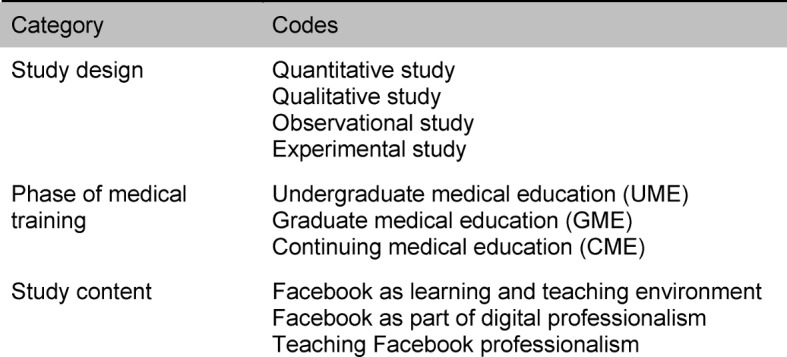
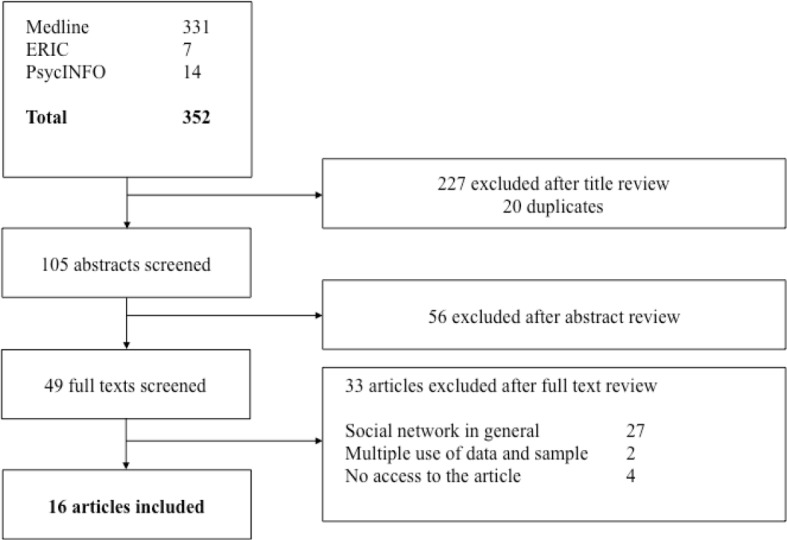
The authors searched six databases. Inclusion criteria were defined and the authors independently reviewed the search results. The key information of the articles included was methodically abstracted and coded, synthesized and discussed in the categories study design, study participants'phase of medical education and study content.
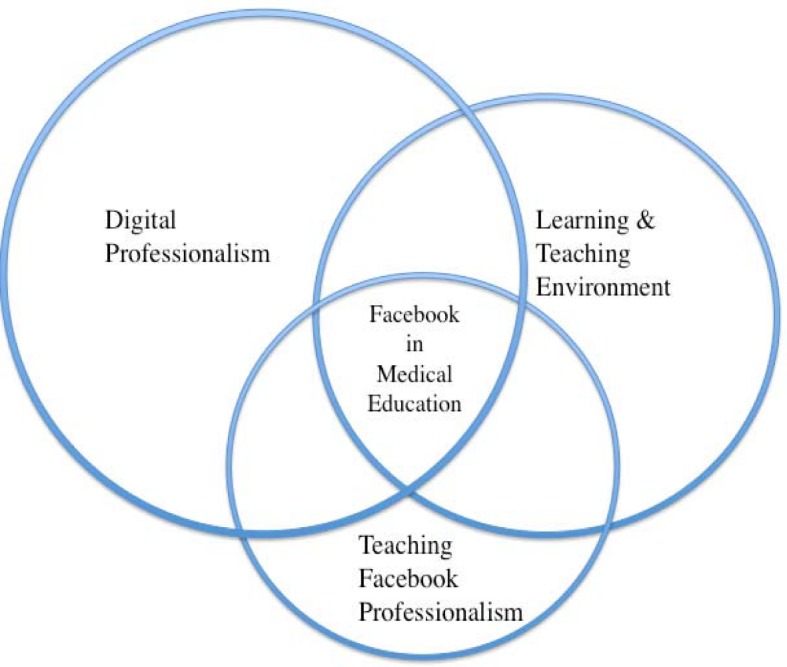
16 articles met all inclusion criteria. 45-96% of health care professionals in all phases of their medical education have a Facebook profile. Most studies focused on Facebook and digital professionalism. Unprofessional behavior and privacy violations occurred in 0.02% to 16%. In terms of learning and teaching environment, Facebook is well accepted by medical students. It is used to prepare for exams, share online material, discuss clinical cases, organize face-to-face sessions and exchange information on clerkships. A few educational materials to teach Facebook professionalism were positively evaluated. There seems to be no conclusive evidence as to whether medical students benefit from Facebook as a learning environment on higher competence levels.
Facebook influences a myriad of aspects of health care professionals, particularly at undergraduate and graduate level in medical education. Despite an increasing number of interventions, there is a lack of conclusive evidence in terms of its educational effectiveness. Furthermore, we suggest that digital professionalism be integrated in established and emerging competency-based catalogues.
社交媒体的流行改变了人际沟通以及医学教育中的学习和教学机会。最受欢迎的社交媒体工具是脸书。其功能为医学生的教育提供了潜在的有用支持,但这也意味着必须面对一些新挑战。
本综述旨在了解脸书是如何融入医学教育的。提供了对当前文献和证据等级的系统综述,确定了研究差距,与先前的综述建立了联系,并讨论了对未来的影响。
作者检索了六个数据库。定义了纳入标准,作者独立审查了检索结果。对所纳入文章的关键信息进行了系统的提取、编码、综合,并在研究设计、研究参与者的医学教育阶段和研究内容等类别中进行了讨论。
16篇文章符合所有纳入标准。在医学教育各阶段的医疗保健专业人员中,45% - 96%拥有脸书个人资料。大多数研究集中在脸书和数字职业素养方面。0.02%至16%的人出现了不专业行为和隐私侵犯问题。在学习和教学环境方面,脸书受到医学生的广泛接受。它被用于备考、分享在线资料、讨论临床病例、组织面对面会议以及交流实习信息。一些教授脸书职业素养的教育材料得到了积极评价。关于医学生是否在更高能力水平上从脸书作为学习环境中受益,似乎没有确凿证据。
脸书影响着医疗保健专业人员的诸多方面,尤其是在医学教育的本科和研究生阶段。尽管干预措施越来越多,但就其教育效果而言,仍缺乏确凿证据。此外,我们建议将数字职业素养纳入既定的和新兴的基于能力的目录中。