Department of Neurology, The First Affiliated Hospital of Chongqing Medical University, Chongqing, 400016, China.
Donald K. Johnson Eye Institute, Krembil Research Institute, University Health Network, Krembil Discovery Tower, KDT-8-418, 60 Leonard Street, Toronto, ON, M5T 2S8, Canada.
Cell Death Differ. 2018 Aug;25(8):1503-1516. doi: 10.1038/s41418-018-0058-y. Epub 2018 Feb 2.
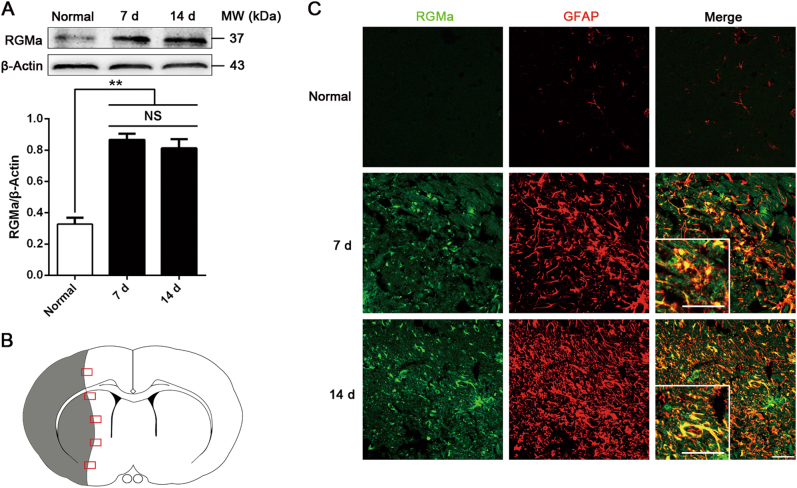
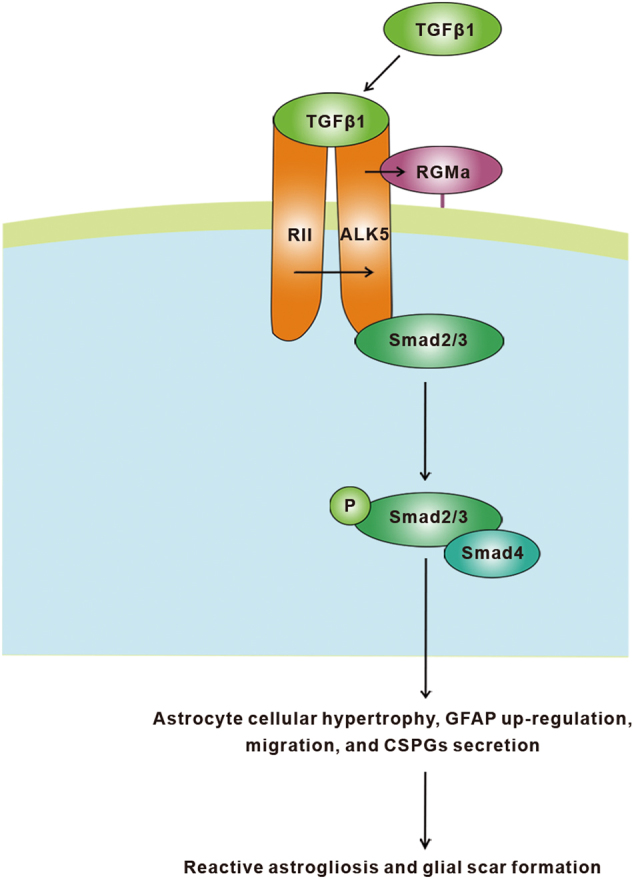
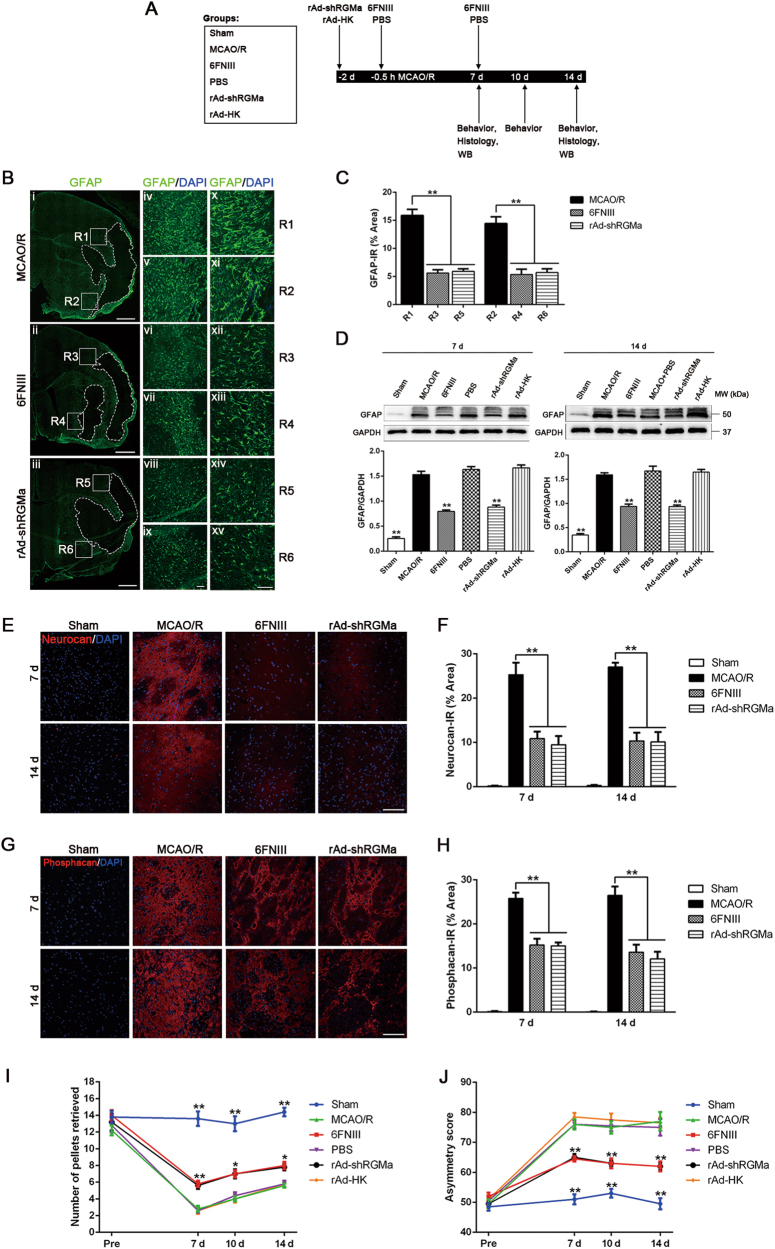
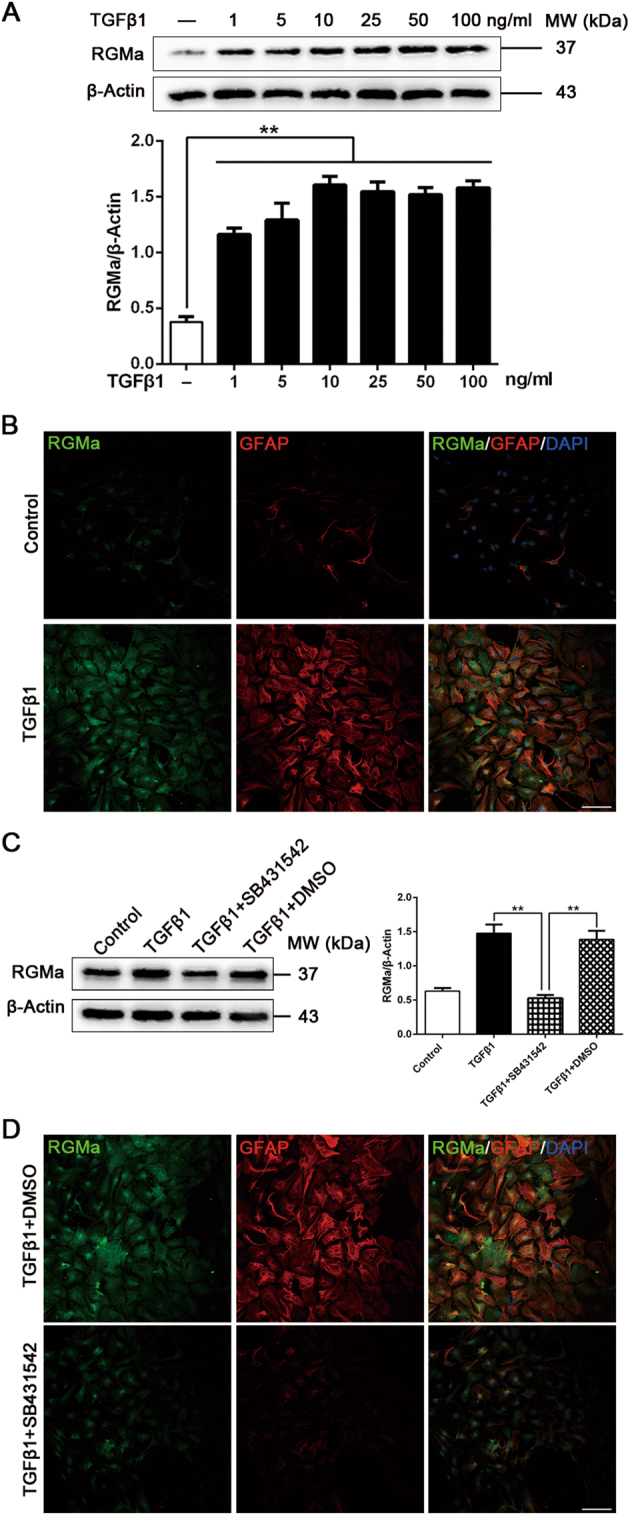
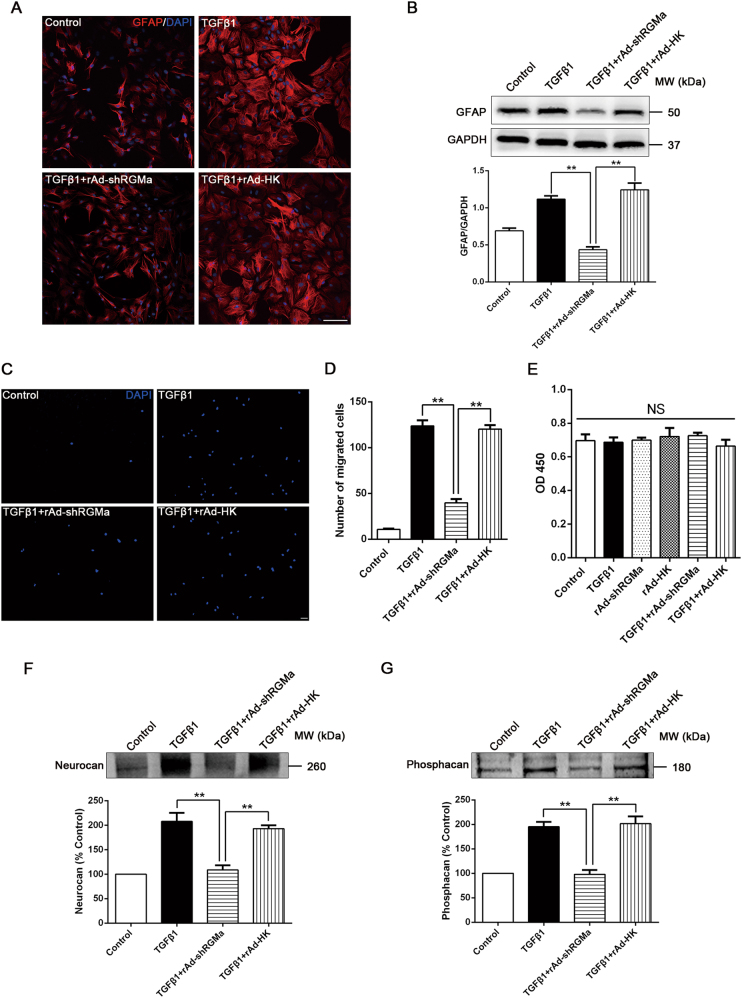
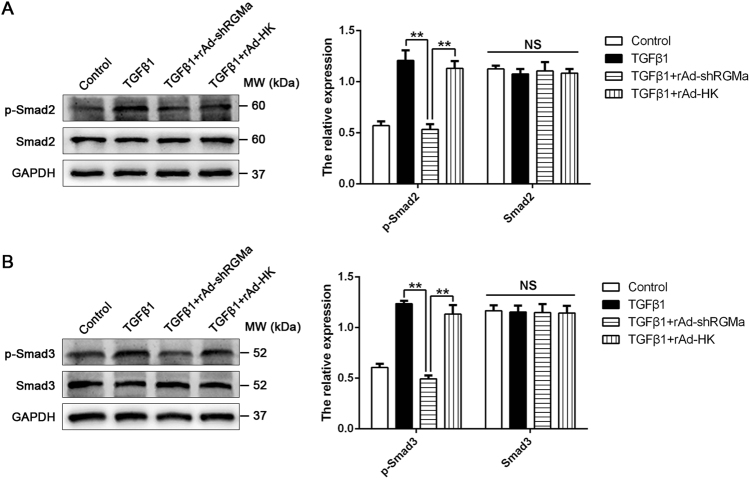
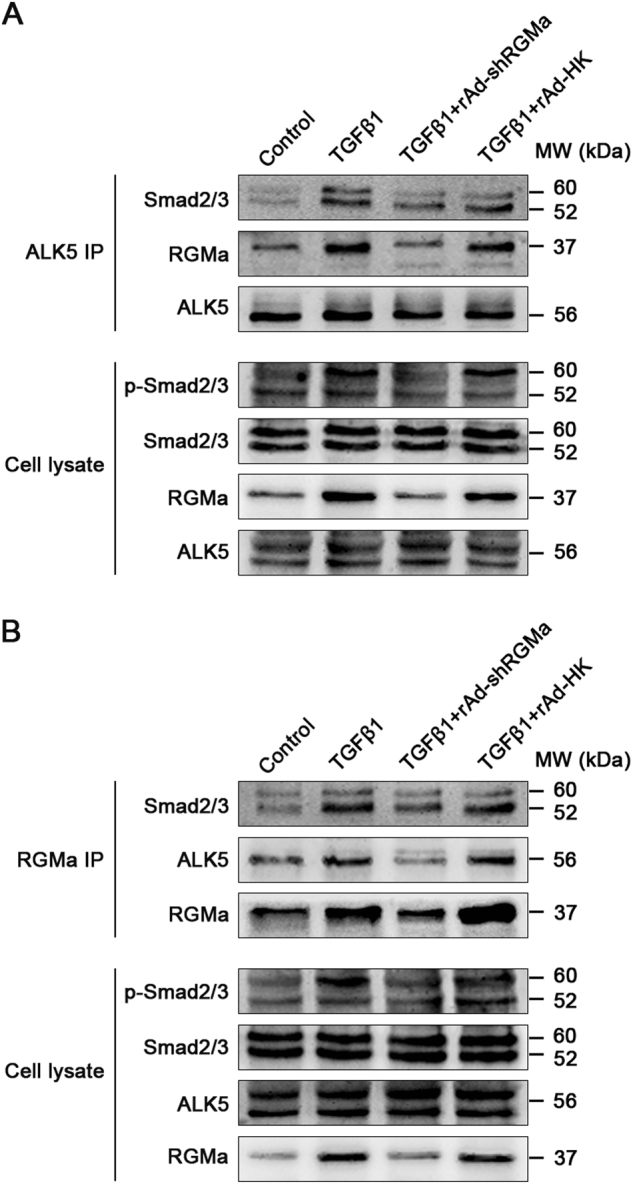
In response to stroke, astrocytes become reactive astrogliosis and are a major component of a glial scar. This results in the formation of both a physical and chemical (production of chondroitin sulfate proteoglycans) barrier, which prevent neurite regeneration that, in turn, interferes with functional recovery. However, the mechanisms of reactive astrogliosis and glial scar formation are poorly understood. In this work, we hypothesized that repulsive guidance molecule a (RGMa) regulate reactive astrogliosis and glial scar formation. We first found that RGMa was strongly expressed by reactive astrocytes in the glial scar in a rat model of middle cerebral artery occlusion/reperfusion. Genetic or pharmacologic inhibition of RGMa in vivo resulted in a strong reduction of reactive astrogliosis and glial scarring as well as in a pronounced improvement in functional recovery. Furthermore, we showed that transforming growth factor β1 (TGFβ1) stimulated RGMa expression through TGFβ1 receptor activin-like kinase 5 (ALK5) in primary cultured astrocytes. Knockdown of RGMa abrogated key steps of reactive astrogliosis and glial scar formation induced by TGFβ1, including cellular hypertrophy, glial fibrillary acidic protein upregulation, cell migration, and CSPGs secretion. Finally, we demonstrated that RGMa co-immunoprecipitated with ALK5 and Smad2/3. TGFβ1-induced ALK5-Smad2/3 interaction and subsequent phosphorylation of Smad2/3 were impaired by RGMa knockdown. Taken together, we identified that after stroke, RGMa promotes reactive astrogliosis and glial scar formation by forming a complex with ALK5 and Smad2/3 to promote ALK5-Smad2/3 interaction to facilitate TGFβ1/Smad2/3 signaling, thereby inhibiting neurological functional recovery. RGMa may be a new therapeutic target for stroke.
针对中风,星形胶质细胞会发生反应性星形胶质细胞增生,并成为神经胶质瘢痕的主要组成部分。这会导致物理和化学(软骨素硫酸盐蛋白聚糖的产生)屏障的形成,从而阻止神经突再生,进而干扰功能恢复。然而,反应性星形胶质细胞增生和神经胶质瘢痕形成的机制尚不清楚。在这项工作中,我们假设排斥性导向分子 a(RGMa)调节反应性星形胶质细胞增生和神经胶质瘢痕形成。我们首先发现,在大脑中动脉闭塞/再灌注大鼠模型中,RGMa 强烈表达于神经胶质瘢痕中的反应性星形胶质细胞。体内遗传或药物抑制 RGMa 会导致反应性星形胶质细胞增生和神经胶质瘢痕形成明显减少,并显著改善功能恢复。此外,我们表明转化生长因子 β1(TGFβ1)通过 TGFβ1 受体激活素样激酶 5(ALK5)刺激 RGMa 表达在原代培养的星形胶质细胞中。下调 RGMa 可阻断 TGFβ1 诱导的反应性星形胶质细胞增生和神经胶质瘢痕形成的关键步骤,包括细胞肥大、胶质纤维酸性蛋白上调、细胞迁移和 CSPGs 分泌。最后,我们证明 RGMa 与 ALK5 和 Smad2/3 共免疫沉淀。下调 RGMa 会损害 TGFβ1 诱导的 ALK5-Smad2/3 相互作用和随后的 Smad2/3 磷酸化。总之,我们发现中风后,RGMa 通过与 ALK5 和 Smad2/3 形成复合物来促进反应性星形胶质细胞增生和神经胶质瘢痕形成,从而促进 ALK5-Smad2/3 相互作用,促进 TGFβ1/Smad2/3 信号转导,从而抑制神经功能恢复。RGMa 可能成为中风的新治疗靶点。