Montenegro Lucia, Turnaturi Rita, Parenti Carmela, Pasquinucci Lorella
Department of Drug Sciences, Pharmaceutical Technology Section, University of Catania, Viale A. Doria 6, 95125 Catania, Italy.
Department of Drug Sciences, Medicinal Chemistry Section, University of Catania, Viale A. Doria 6, 95125 Catania, Italy.
Nanomaterials (Basel). 2018 Feb 5;8(2):87. doi: 10.3390/nano8020087.
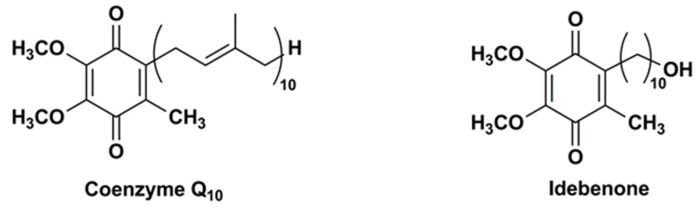
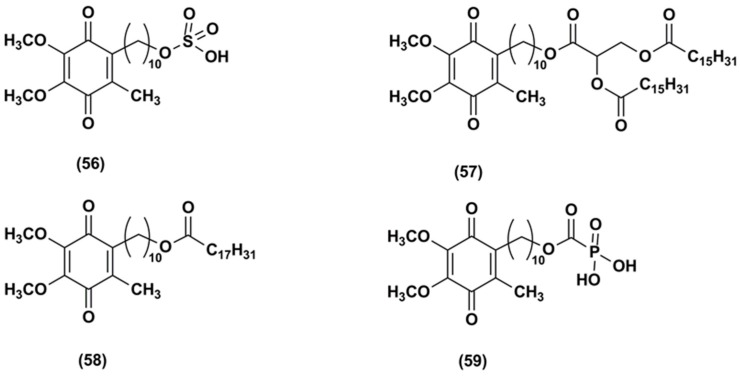
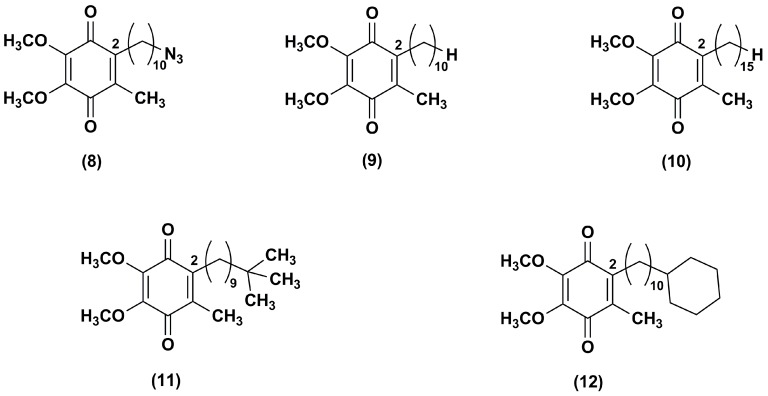
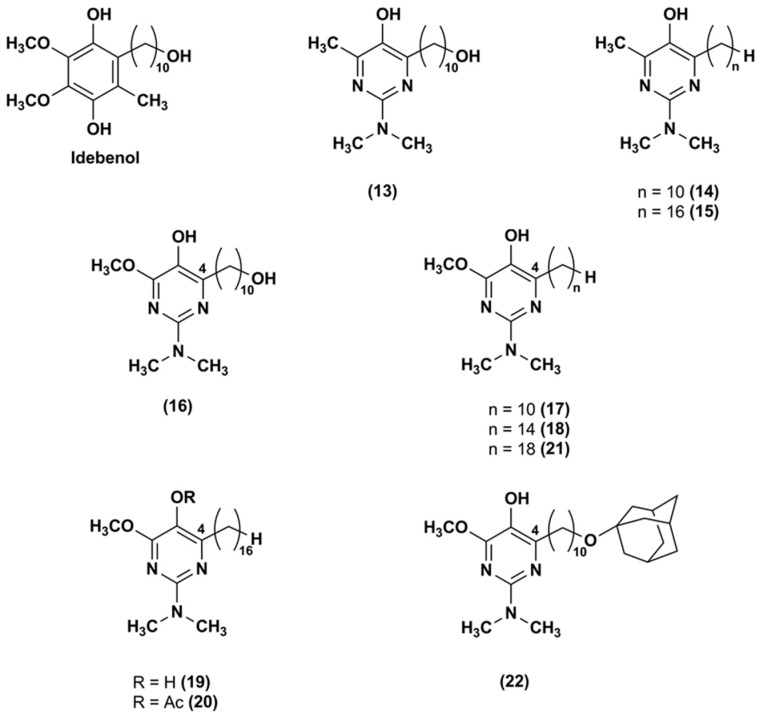
The key role of antioxidants in treating and preventing many systemic and topical diseases is well recognized. One of the most potent antioxidants available for pharmaceutical and cosmetic use is Idebenone (IDE), a synthetic analogue of Coenzyme Q. Unfortunately, IDE's unfavorable physicochemical properties such as poor water solubility and high lipophilicity impair its bioavailability after oral and topical administration and prevent its parenteral use. In recent decades, many strategies have been proposed to improve IDE effectiveness in the treatment of neurodegenerative diseases and skin disorders. After a brief description of IDE potential therapeutic applications and its pharmacokinetic and pharmacodynamic profile, this review will focus on the different approaches investigated to overcome IDE drawbacks, such as IDE incorporation into different types of delivery systems (liposomes, cyclodextrins, microemulsions, self-micro-emulsifying drug delivery systems, lipid-based nanoparticles, polymeric nanoparticles) and IDE chemical modification. The results of these studies will be illustrated with emphasis on the most innovative strategies and their future perspectives.
抗氧化剂在治疗和预防许多全身性和局部性疾病中所起的关键作用已得到广泛认可。艾地苯醌(IDE)是一种可用于制药和化妆品的最有效的抗氧化剂之一,它是辅酶Q的合成类似物。不幸的是,IDE不利的物理化学性质,如低水溶性和高亲脂性,会损害其口服和局部给药后的生物利用度,并使其无法用于肠胃外给药。近几十年来,人们提出了许多策略来提高IDE在治疗神经退行性疾病和皮肤疾病方面的有效性。在简要描述了IDE的潜在治疗应用及其药代动力学和药效学特征之后,本综述将重点关注为克服IDE缺点而研究的不同方法,例如将IDE纳入不同类型的给药系统(脂质体、环糊精、微乳剂、自微乳化药物递送系统、脂质纳米颗粒、聚合物纳米颗粒)以及IDE的化学修饰。将举例说明这些研究的结果,重点是最具创新性的策略及其未来前景。