Fernandes-Siqueira Lorena O, Zeidler Julianna D, Sousa Bruna G, Ferreira Thiago, Da Poian Andrea T
Laboratory of Viral Biochemistry, Instituto de Bioquímica Médica Leopoldo de Meis, Universidade Federal do Rio de Janeiro, Rio de Janeiro, Brazil.
mSphere. 2018 Jan 31;3(1). doi: 10.1128/mSphere.00458-17. eCollection 2018 Jan-Feb.
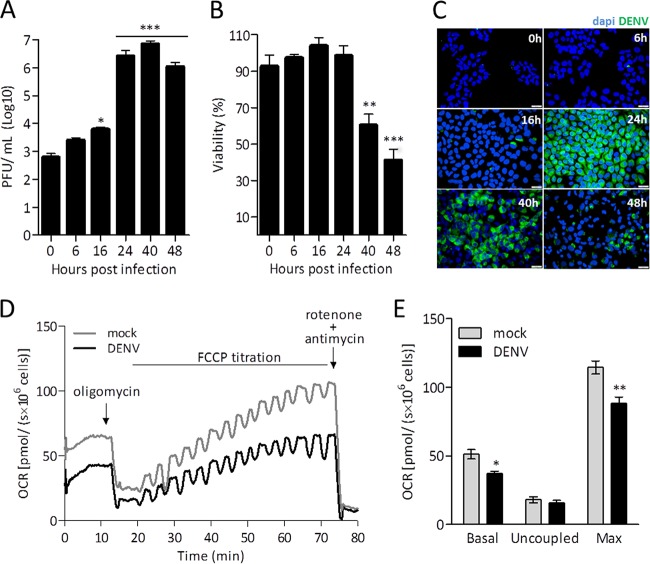
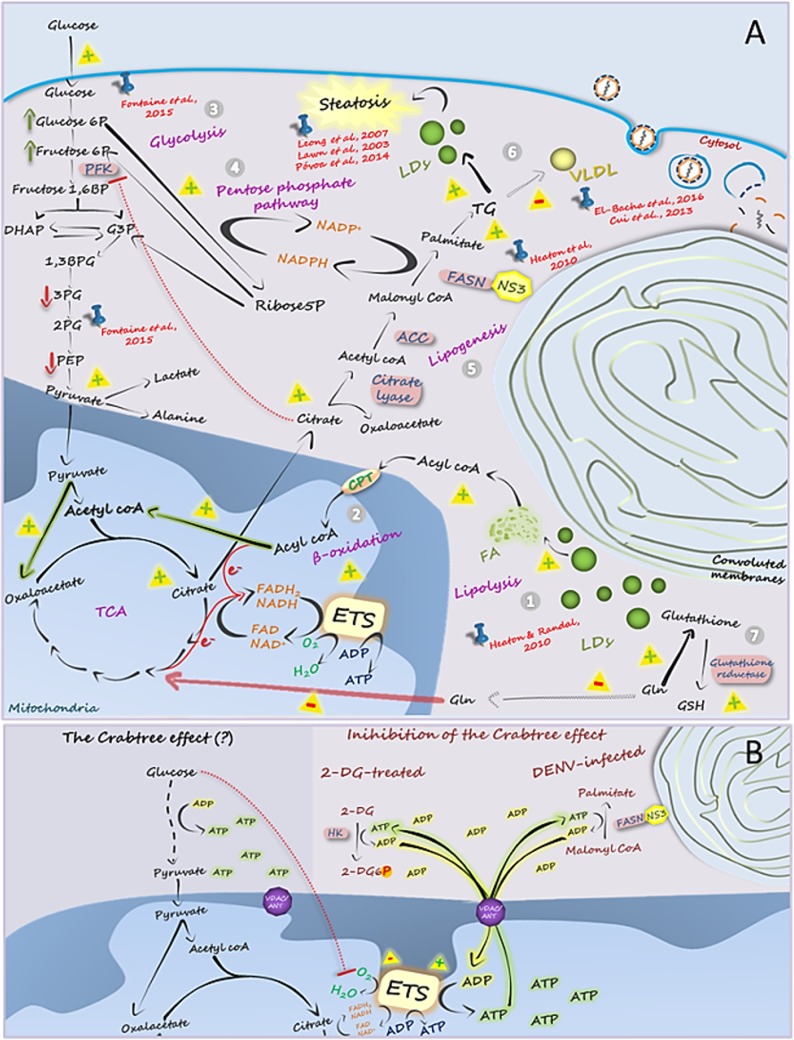
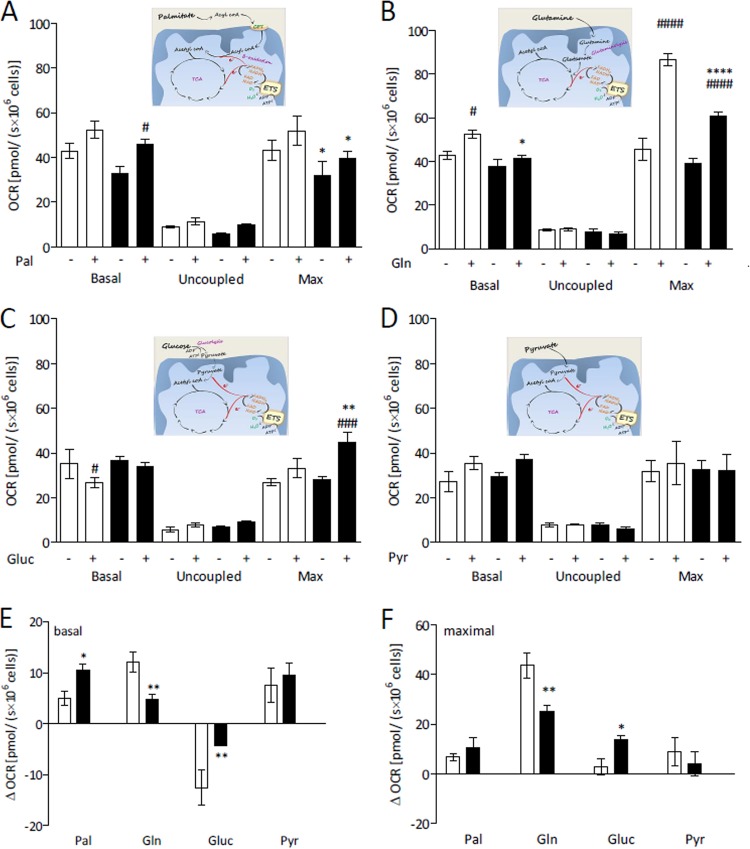
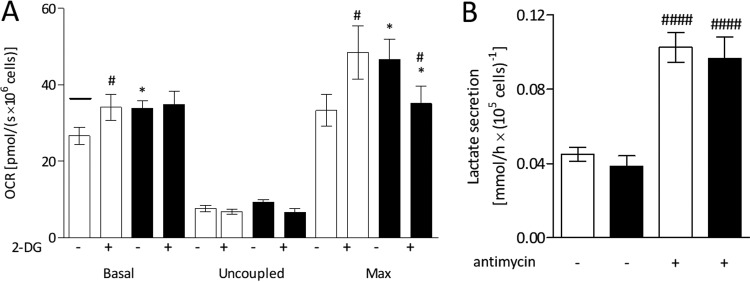
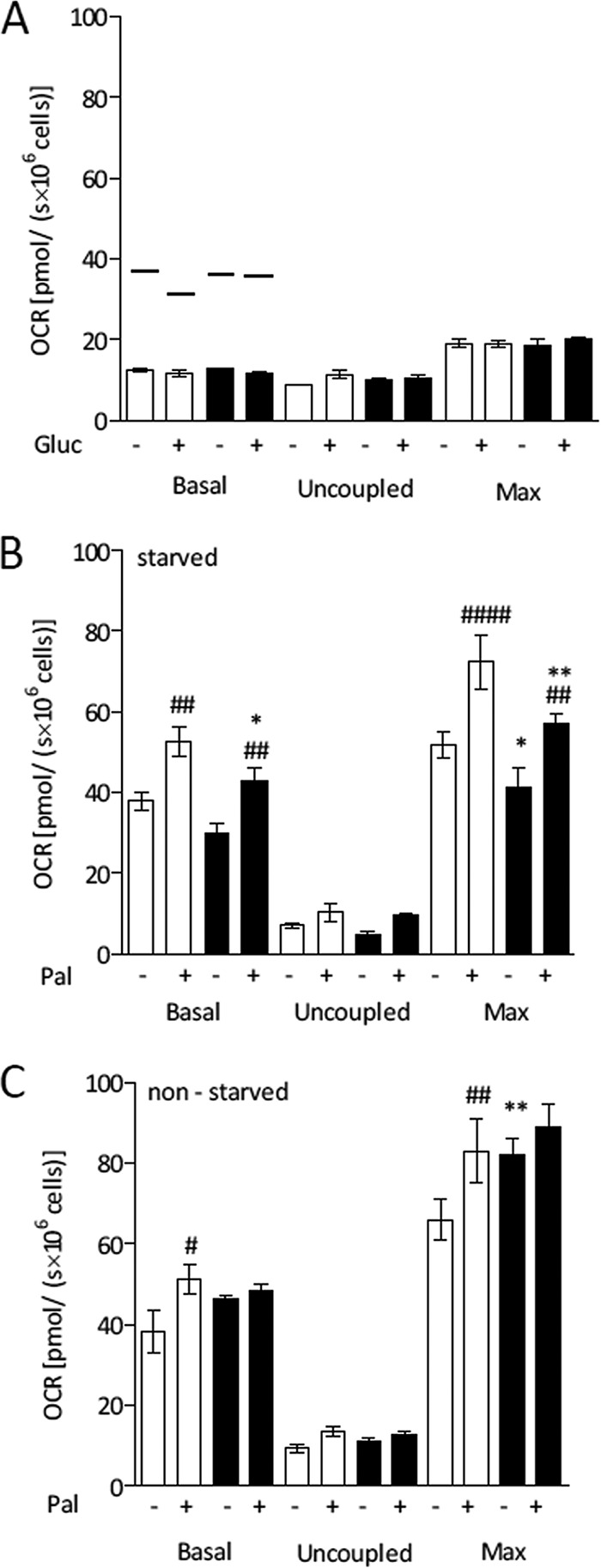
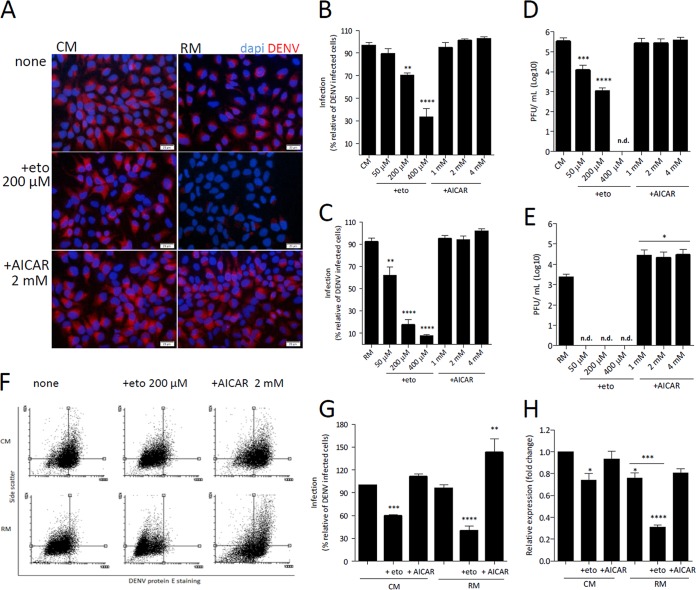
Dengue virus (DENV) is among the most important human arboviruses and is clinically and experimentally associated with lipid metabolism disorders. Using high-resolution respirometry, we analyzed the metabolic switches induced by DENV in a human hepatic cell line. This experimental approach allowed us to determine the contribution of fatty acids, glutamine, glucose, and pyruvate to mitochondrial bioenergetics, shedding light on the mechanisms involved in DENV-induced metabolic alterations. We found that while infection strongly inhibits glutamine oxidation, it increases the cellular capacity of metabolizing glucose; remarkably, though, this substrate, instead being used as an energy source, performs an anaplerotic role in the oxidation of endogenous lipids. Fatty acids become the main energetic substrate in infected cell, and through the pharmacological modulation of β-oxidation we demonstrated that this pathway is essential for virus replication. Interestingly, infected cells were much less susceptible to the Crabtree effect, i.e., the glucose-mediated inhibition of mitochondrial oxygen consumption, suggesting that infection favors cellular respiration by increasing ADP availability. Dengue virus infection is a major cause of human arbovirosis, for which clinical and experimental evidence supports the idea that liver dysfunction and lipid metabolism disorders are characteristics of severe disease. Analyzing mitochondrial bioenergetics, here we show that infection of hepatic cells with dengue virus favors the cellular capacity of metabolizing glucose, impairing the normal metabolic flexibility that allows the oxidative machinery to switch among the main energetic substrates. However, instead of being used as an energy source, glucose performs an anaplerotic role in the oxidation of endogenous fatty acids, which become the main energetic substrate during infection. Taken together, the results shed light on metabolic mechanisms that may explain the profound alterations in lipid metabolism for severe dengue patients, contributing to the understanding of dengue physiopathology.
登革病毒(DENV)是最重要的人类虫媒病毒之一,在临床和实验上都与脂质代谢紊乱有关。我们使用高分辨率呼吸测定法分析了DENV在人肝细胞系中诱导的代谢转换。这种实验方法使我们能够确定脂肪酸、谷氨酰胺、葡萄糖和丙酮酸对线粒体生物能量学的贡献,从而揭示DENV诱导的代谢改变所涉及的机制。我们发现,虽然感染会强烈抑制谷氨酰胺氧化,但它会增加细胞代谢葡萄糖的能力;然而,值得注意的是,这种底物并非用作能量来源,而是在内源性脂质氧化中发挥回补作用。脂肪酸成为受感染细胞中的主要能量底物,通过对β-氧化的药理学调节,我们证明了该途径对病毒复制至关重要。有趣的是,受感染的细胞对克氏效应(即葡萄糖介导的线粒体氧消耗抑制)的敏感性要低得多,这表明感染通过增加二磷酸腺苷(ADP)的可用性来促进细胞呼吸。登革病毒感染是人类虫媒病毒病的主要病因,临床和实验证据支持肝功能障碍和脂质代谢紊乱是重症疾病特征的观点。通过分析线粒体生物能量学,我们在此表明,用登革病毒感染肝细胞有利于细胞代谢葡萄糖的能力,损害了使氧化机制能够在主要能量底物之间切换的正常代谢灵活性。然而,葡萄糖并非用作能量来源,而是在内源性脂肪酸氧化中发挥回补作用,内源性脂肪酸在感染期间成为主要能量底物。综上所述,这些结果揭示了可能解释重症登革热患者脂质代谢深刻改变的代谢机制,有助于理解登革热的病理生理学。