Eden Thomas, Menzel Stephan, Wesolowski Janusz, Bergmann Philine, Nissen Marion, Dubberke Gudrun, Seyfried Fabienne, Albrecht Birte, Haag Friedrich, Koch-Nolte Friedrich
Institute of Immunology, University Medical Center Hamburg-Eppendorf, Hamburg, Germany.
Front Immunol. 2018 Jan 23;8:1989. doi: 10.3389/fimmu.2017.01989. eCollection 2017.
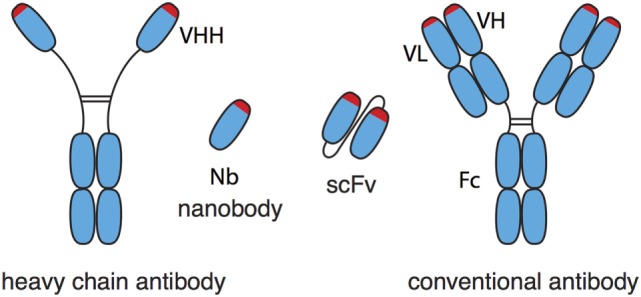
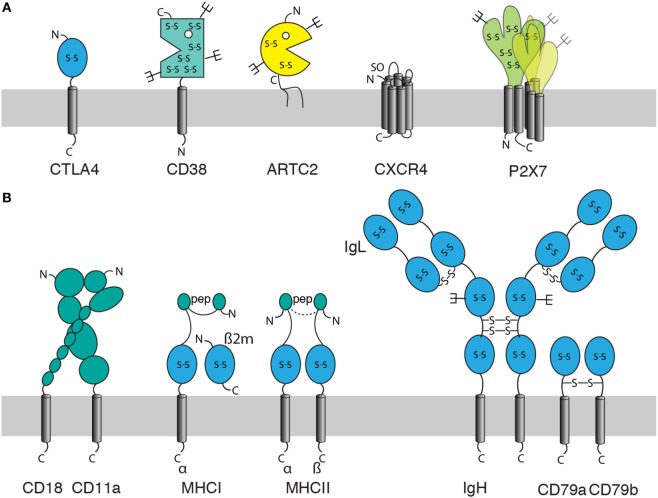
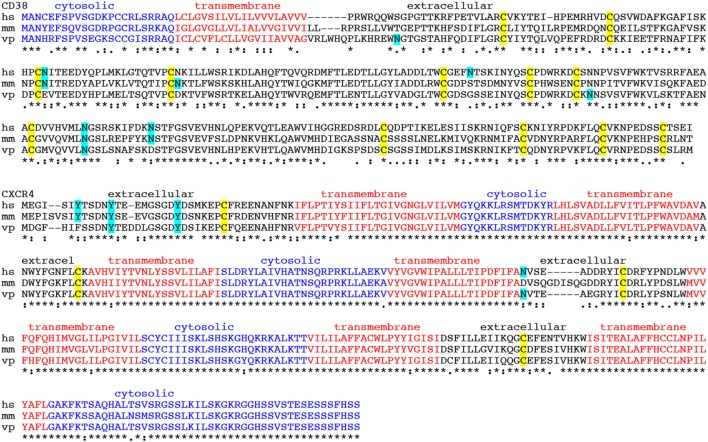
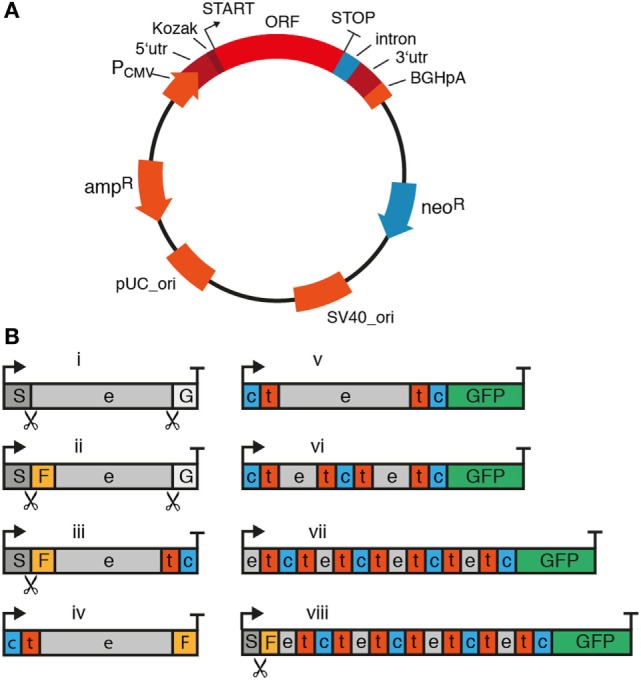
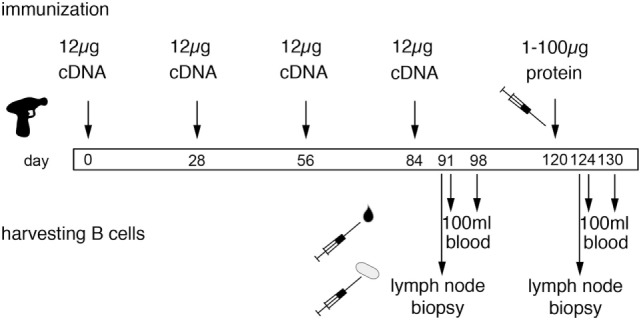
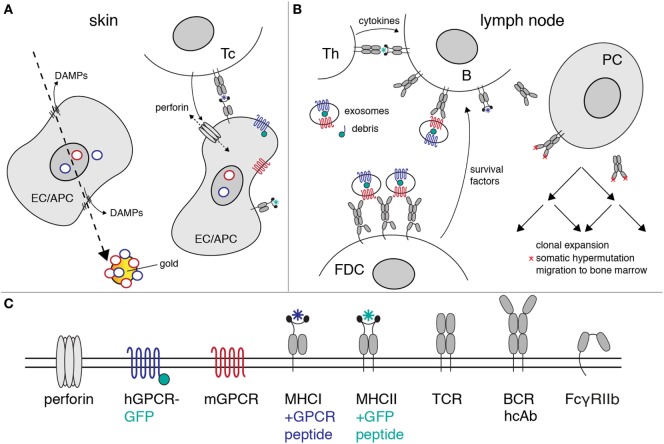
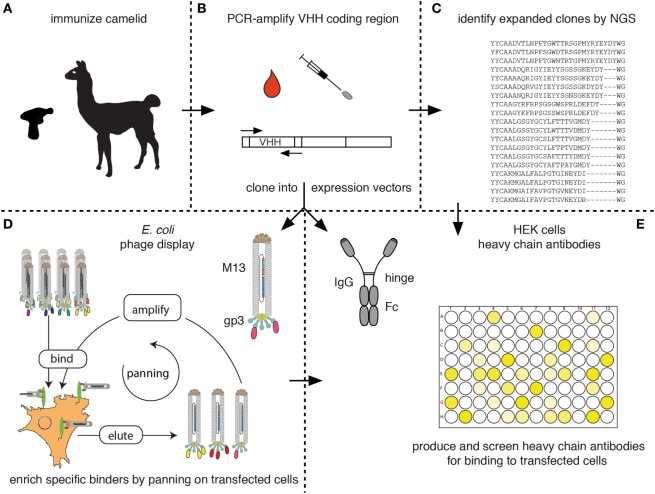
Nanobodies (Nbs) are soluble, versatile, single-domain binding modules derived from the VHH variable domain of heavy-chain antibodies naturally occurring in camelids. Nbs hold huge promise as novel therapeutic biologics. Membrane proteins are among the most interesting targets for therapeutic Nbs because they are accessible to systemically injected biologics. In order to be effective, therapeutic Nbs must recognize their target membrane protein in native conformation. However, raising Nbs against membrane proteins in native conformation can pose a formidable challenge since membrane proteins typically contain one or more hydrophobic transmembrane regions and, therefore, are difficult to purify in native conformation. Here, we describe a highly efficient genetic immunization strategy that circumvents these difficulties by driving expression of the target membrane protein in native conformation by cells of the immunized camelid. The strategy encompasses ballistic transfection of skin cells with cDNA expression plasmids encoding one or more orthologs of the membrane protein of interest and, optionally, other costimulatory proteins. The plasmid is coated onto 1 µm gold particles that are then injected into the shaved and depilated skin of the camelid. A gene gun delivers a helium pulse that accelerates the DNA-coated particles to a velocity sufficient to penetrate through multiple layers of cells in the skin. This results in the exposure of the extracellular domains of the membrane protein on the cell surface of transfected cells. Repeated immunization drives somatic hypermutation and affinity maturation of target-specific heavy-chain antibodies. The VHH/Nb coding region is PCR-amplified from B cells obtained from peripheral blood or a lymph node biopsy. Specific Nbs are selected by phage display or by screening of Nb-based heavy-chain antibodies expressed as secretory proteins in transfected HEK cells. Using this strategy, we have successfully generated agonistic and antagonistic Nbs against several cell surface ecto-enzymes and ligand-gated ion channels.
纳米抗体(Nbs)是源自骆驼科动物天然存在的重链抗体VHH可变结构域的可溶性、多功能单结构域结合模块。纳米抗体作为新型治疗性生物制品具有巨大潜力。膜蛋白是治疗性纳米抗体最具吸引力的靶点之一,因为全身注射的生物制品可以作用于它们。为了发挥作用,治疗性纳米抗体必须识别天然构象的靶膜蛋白。然而,针对天然构象的膜蛋白产生纳米抗体可能是一项艰巨的挑战,因为膜蛋白通常包含一个或多个疏水跨膜区域,因此难以以天然构象进行纯化。在此,我们描述了一种高效的基因免疫策略,该策略通过驱动免疫骆驼科动物的细胞以天然构象表达靶膜蛋白来规避这些困难。该策略包括用编码一种或多种感兴趣膜蛋白的直系同源物以及可选的其他共刺激蛋白的cDNA表达质粒对皮肤细胞进行基因枪转染。质粒包被在1μm的金颗粒上,然后注射到骆驼科动物剃毛脱毛的皮肤中。基因枪发出氦脉冲,将包被DNA的颗粒加速到足以穿透皮肤多层细胞的速度。这导致膜蛋白的细胞外结构域暴露在转染细胞的细胞表面。重复免疫驱动靶特异性重链抗体的体细胞超突变和亲和力成熟。VHH/纳米抗体编码区从外周血或淋巴结活检获得的B细胞中通过PCR扩增。通过噬菌体展示或筛选在转染的HEK细胞中作为分泌蛋白表达的基于纳米抗体的重链抗体来选择特异性纳米抗体。使用该策略,我们成功地产生了针对几种细胞表面外切酶和配体门控离子通道的激动性和拮抗性纳米抗体。