a Sagetis-Biotech , Barcelona , Spain.
b Grup d'Enginyera de Materials (GEMAT) , Institut Químic de Sarrià, Universitat Ramon Llull , Barcelona , Spain.
Drug Deliv. 2018 Nov;25(1):472-483. doi: 10.1080/10717544.2018.1436099.
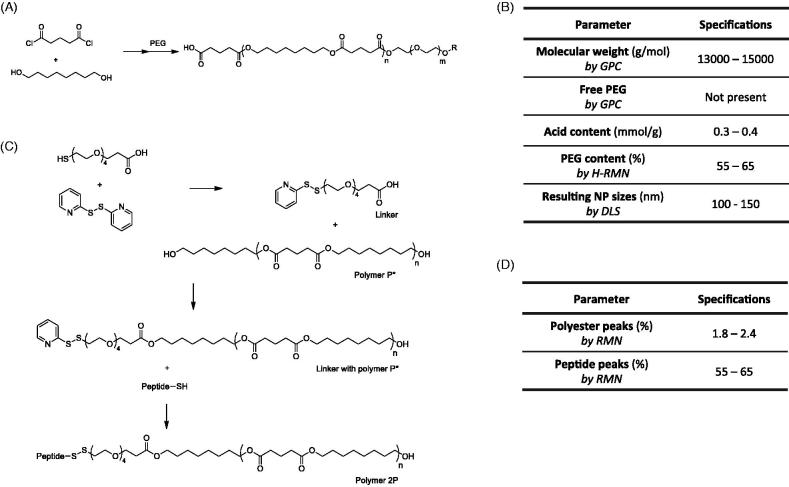
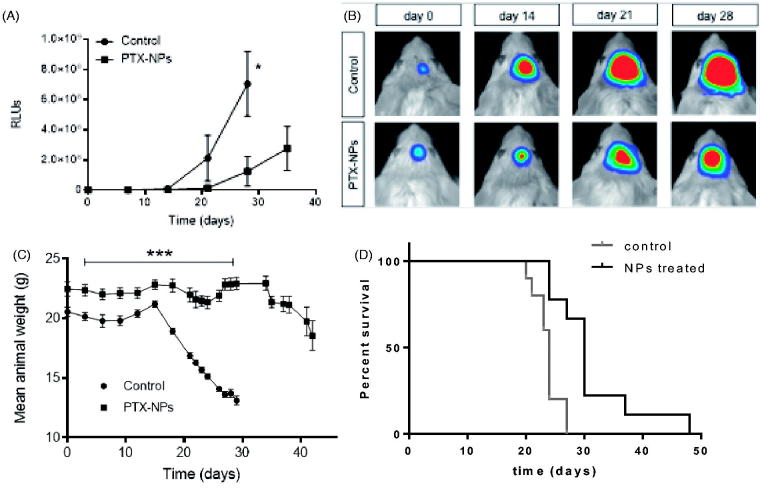
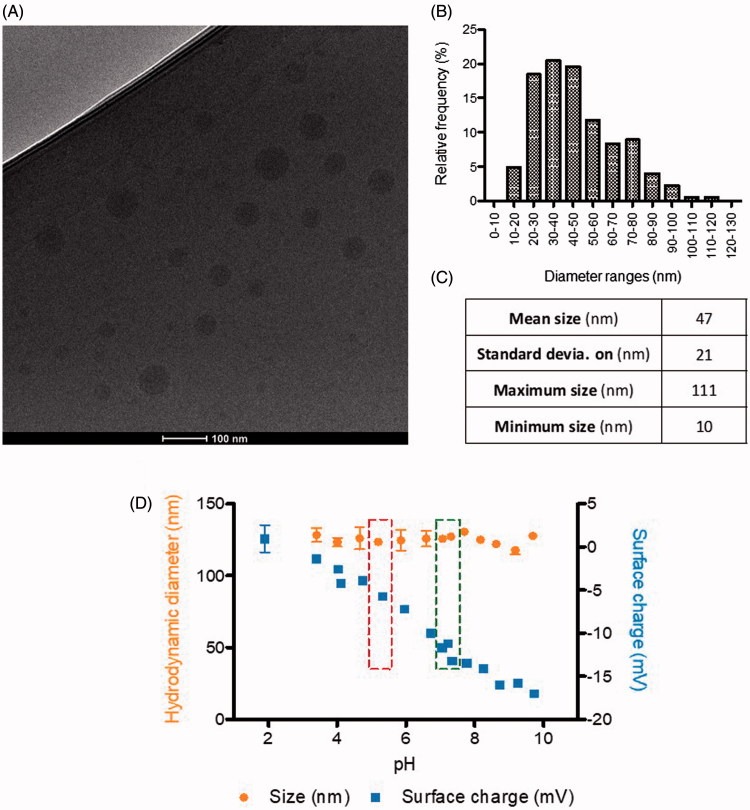
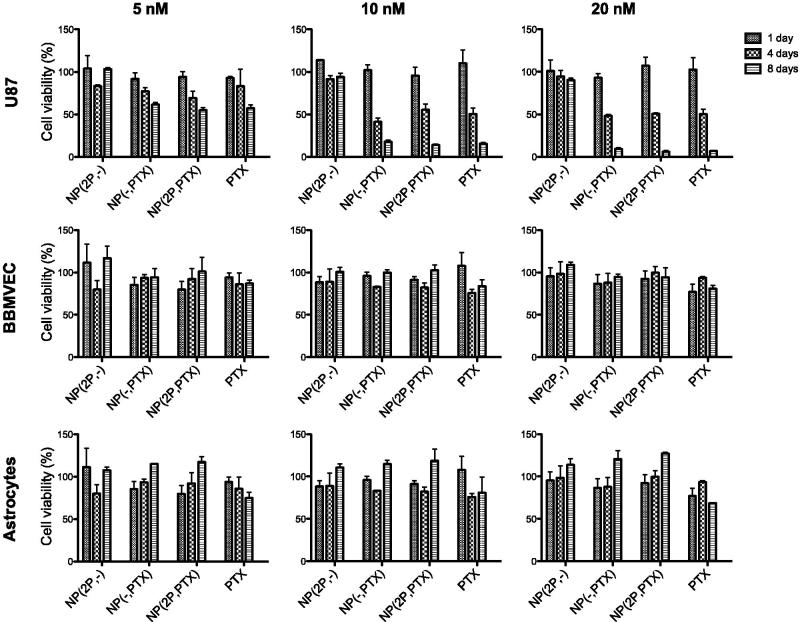
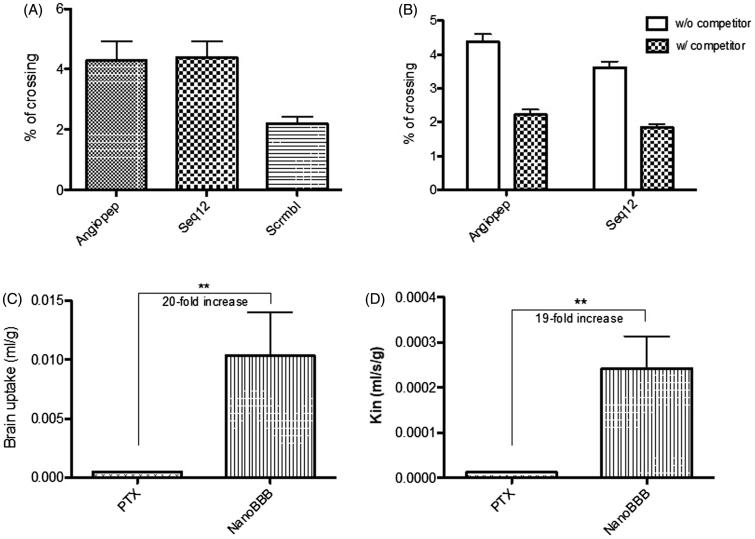
Glioblastoma multiforme (GBM) is the most devastating primary brain tumor due to its infiltrating and diffuse growth characteristics, a situation compounded by the lack of effective treatments. Currently, many efforts are being devoted to find novel formulations to treat this disease, specifically in the nanomedicine field. However, due to the lack of comprehensive characterization that leads to insufficient data on reproducibility, only a reduced number of nanomedicines have reached clinical phases. In this context, the aim of the present study was to use a cascade of assays that evaluate from physical-chemical and structural properties to biological characteristics, both in vitro and in vivo, and also to check the performance of nanoparticles for glioma therapy. An amphiphilic block copolymer, composed of polyester and poly(ethylene glycol; PEG) blocks, has been synthesized. Using a mixture of this copolymer and a polymer containing an active targeting moiety to the Blood Brain Barrier (BBB; Seq12 peptide), biocompatible and biodegradable polymeric nanoparticles have been prepared and extensively characterized. In vitro studies demonstrated that nanoparticles are safe for normal cells but cytotoxic for cancer cells. In vivo studies in mice demonstrated the ability of the Seq12 peptide to cross the BBB. Finally, in vivo efficacy studies using a human tumor model in SCID mice resulted in a significant 50% life-span increase, as compared with non-treated animals. Altogether, this assay cascade provided extensive pre-clinical characterization of our polymeric nanoparticles, now ready for clinical evaluation.
多形性胶质母细胞瘤(GBM)是最具破坏性的原发性脑肿瘤,由于其浸润和弥漫性生长的特点,再加上缺乏有效的治疗方法,情况更为复杂。目前,许多研究致力于寻找治疗这种疾病的新配方,特别是在纳米医学领域。然而,由于缺乏全面的表征,导致数据的可重复性不足,只有少数纳米药物进入了临床阶段。在这种情况下,本研究的目的是使用一系列的评估方法,从物理化学和结构特性到体外和体内的生物学特性进行评估,同时检查纳米颗粒在神经胶质瘤治疗中的性能。我们合成了一种由聚酯和聚乙二醇(PEG)嵌段组成的两亲性嵌段共聚物。使用该共聚物和一种含有血脑屏障(BBB)靶向部分(Seq12 肽)的聚合物的混合物,制备了具有生物相容性和可生物降解性的聚合物纳米颗粒,并对其进行了广泛的表征。体外研究表明,纳米颗粒对正常细胞是安全的,但对癌细胞具有细胞毒性。在小鼠体内研究中,Seq12 肽能够穿过 BBB。最后,在 SCID 小鼠的人类肿瘤模型中进行的体内疗效研究表明,与未治疗的动物相比,纳米颗粒能够使动物的寿命延长 50%。总之,这个评估链为我们的聚合物纳米颗粒提供了广泛的临床前特征描述,现在已经可以进行临床评估。