von Roemeling Christina A, Caulfield Thomas R, Marlow Laura, Bok Ilah, Wen Jiang, Miller James L, Hughes Robert, Hazlehurst Lori, Pinkerton Anthony B, Radisky Derek C, Tun Han W, Kim Yon Son Betty, Lane Amy L, Copland John A
The Mayo Clinic Graduate School of Biomedical Sciences, Mayo Clinic, Rochester, MN, USA.
Department of Neuroscience, Mayo Clinic, Jacksonville, FL, USA.
Oncotarget. 2017 Oct 6;9(1):3-20. doi: 10.18632/oncotarget.21545. eCollection 2018 Jan 2.
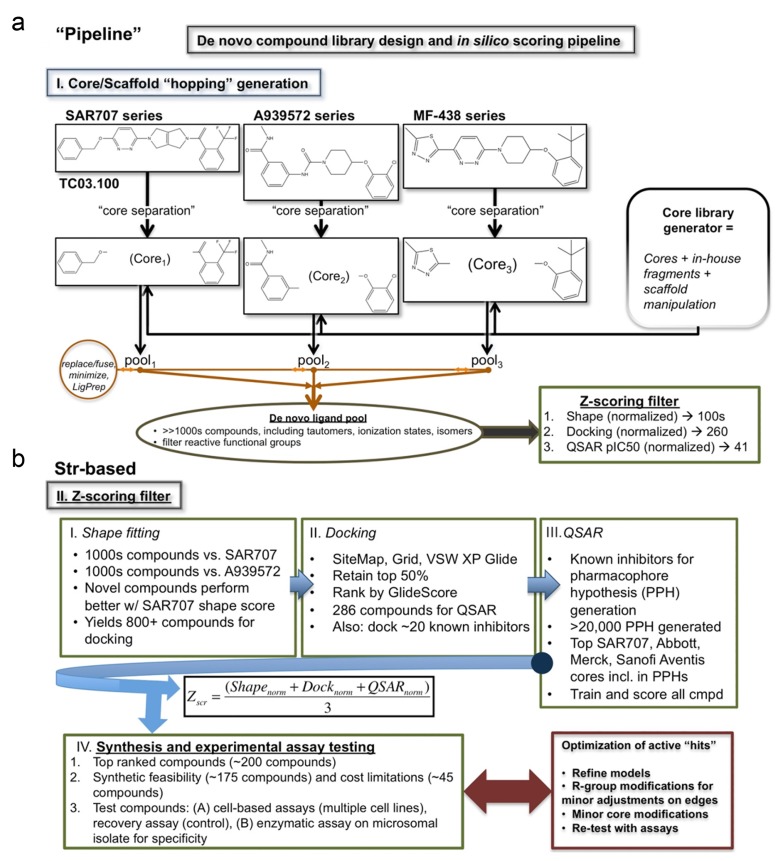
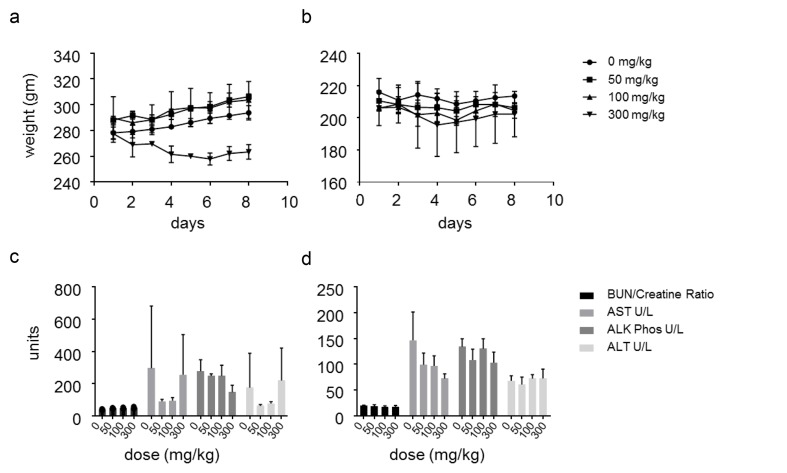
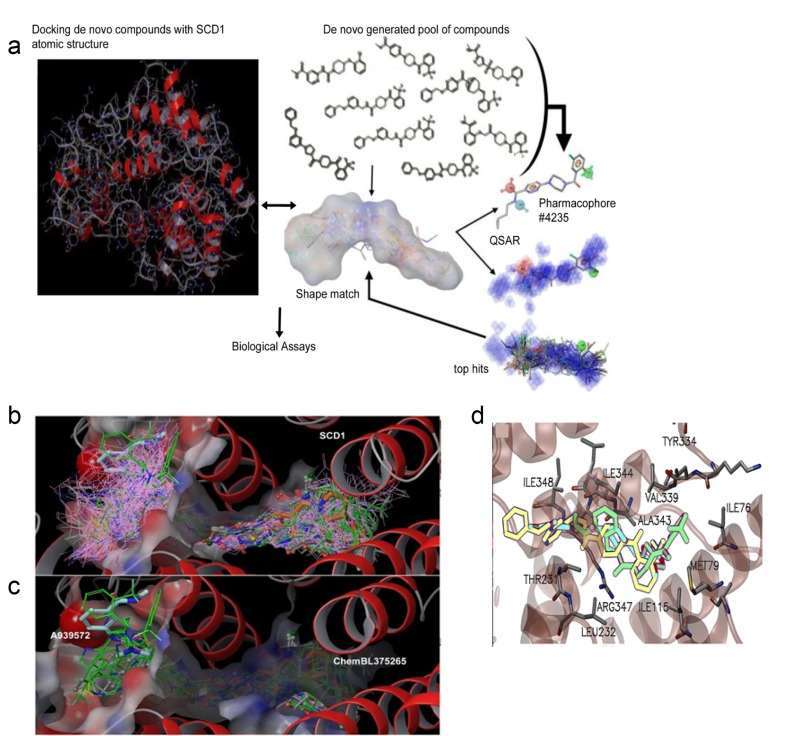
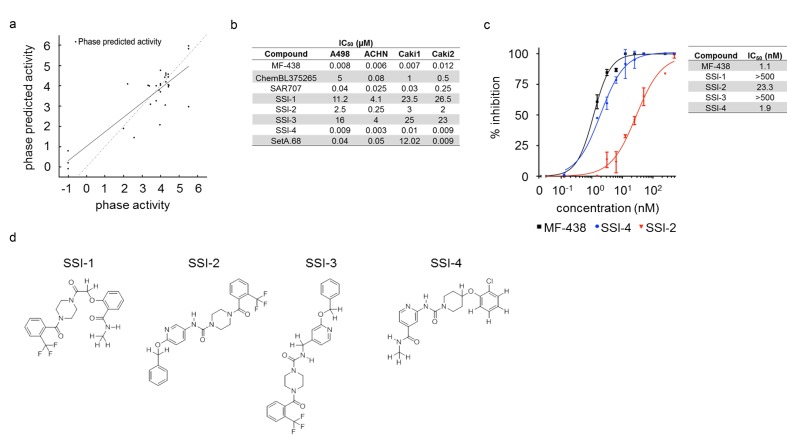
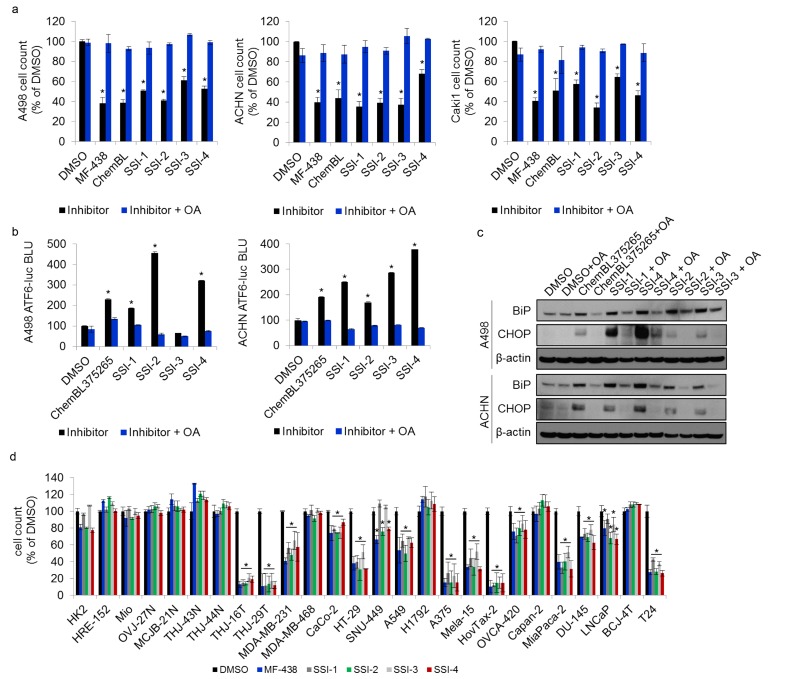
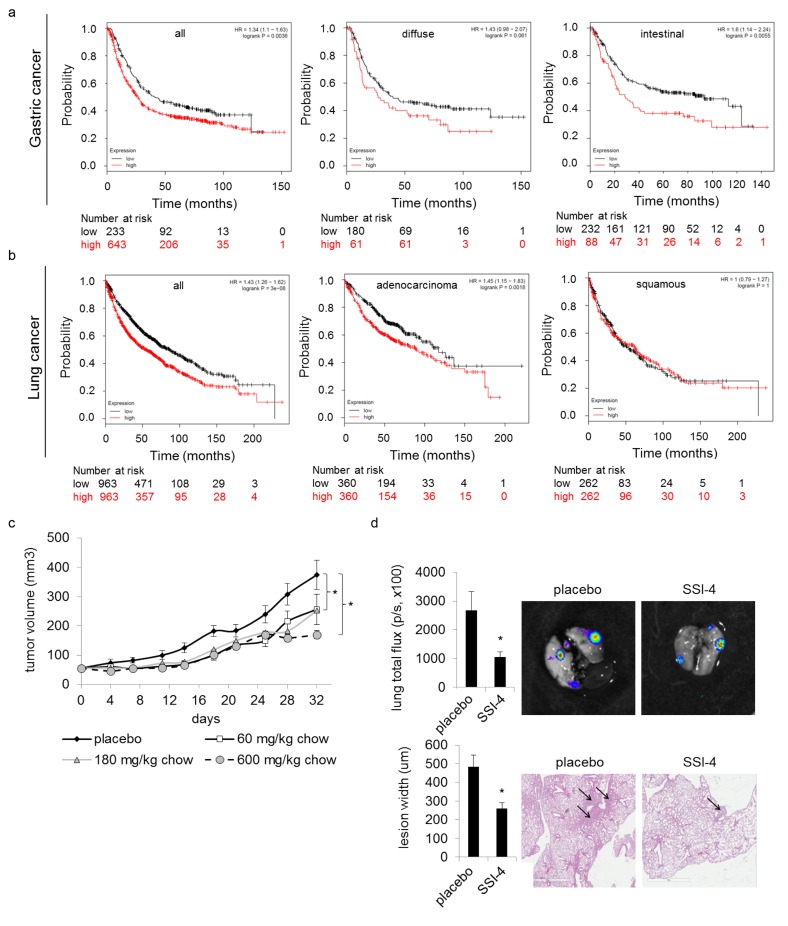
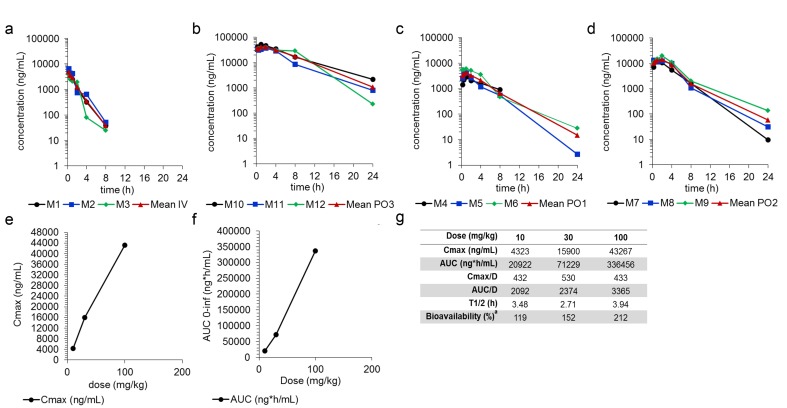
Here we present an innovative computational-based drug discovery strategy, coupled with machine-based learning and functional assessment, for the rational design of novel small molecule inhibitors of the lipogenic enzyme stearoyl-CoA desaturase 1 (SCD1). Our methods resulted in the discovery of several unique molecules, of which our lead compound SSI-4 demonstrates potent anti-tumor activity, with an excellent pharmacokinetic and toxicology profile. We improve upon key characteristics, including chemoinformatics and absorption/distribution/metabolism/excretion (ADME) toxicity, while driving the IC50 to 0.6 nM in some instances. This approach to drug design can be executed in smaller research settings, applied to a wealth of other targets, and paves a path forward for bringing small-batch based drug programs into the Clinic.
在此,我们提出了一种基于计算的创新药物发现策略,结合机器学习和功能评估,用于合理设计生脂酶硬脂酰辅酶A去饱和酶1(SCD1)的新型小分子抑制剂。我们的方法发现了几种独特的分子,其中我们的先导化合物SSI-4表现出强大的抗肿瘤活性,具有出色的药代动力学和毒理学特征。我们改进了关键特性,包括化学信息学和吸收/分布/代谢/排泄(ADME)毒性,同时在某些情况下将IC50降至0.6 nM。这种药物设计方法可以在较小的研究环境中实施,应用于大量其他靶点,并为将基于小批量的药物项目推向临床铺平了道路。