Magnus Life, Magnus Life Science, London, UK.
Wolfson Institute for Biomedical Research, University College London, UK.
FEBS J. 2018 Apr;285(7):1290-1304. doi: 10.1111/febs.14405. Epub 2018 Feb 25.
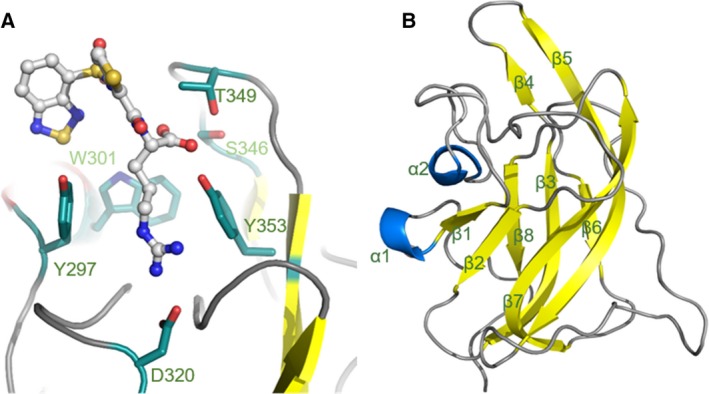
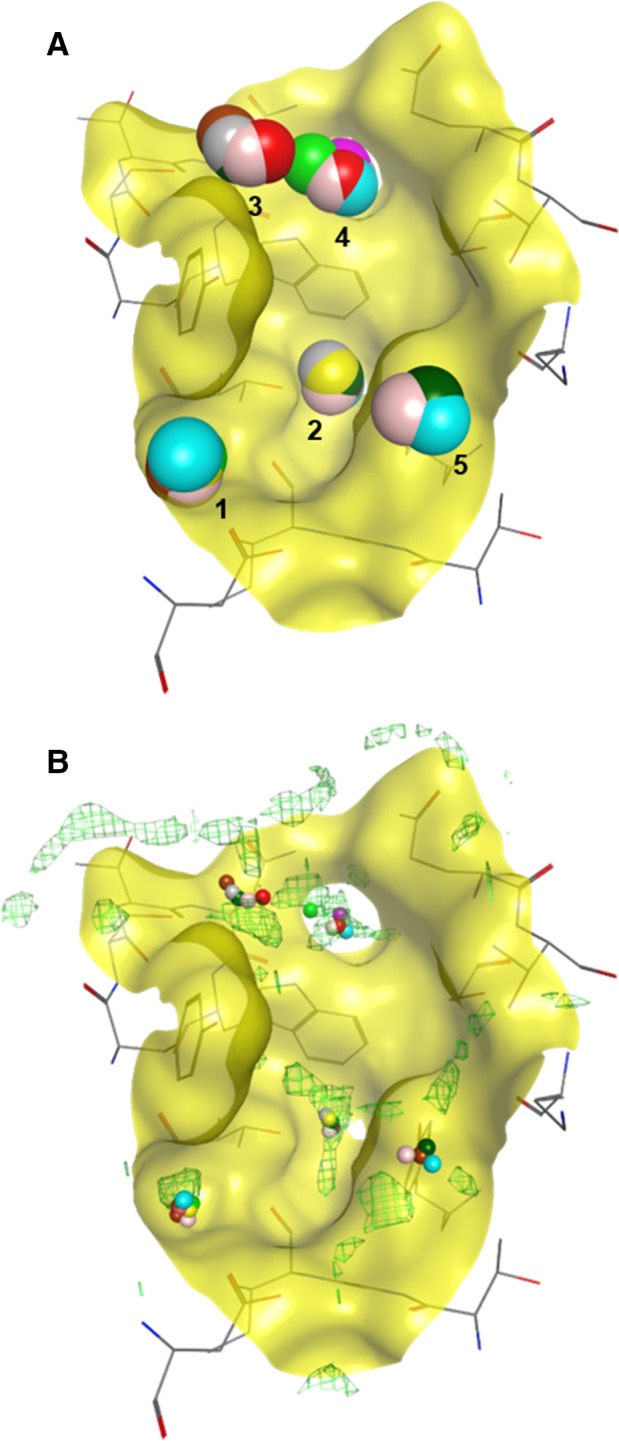
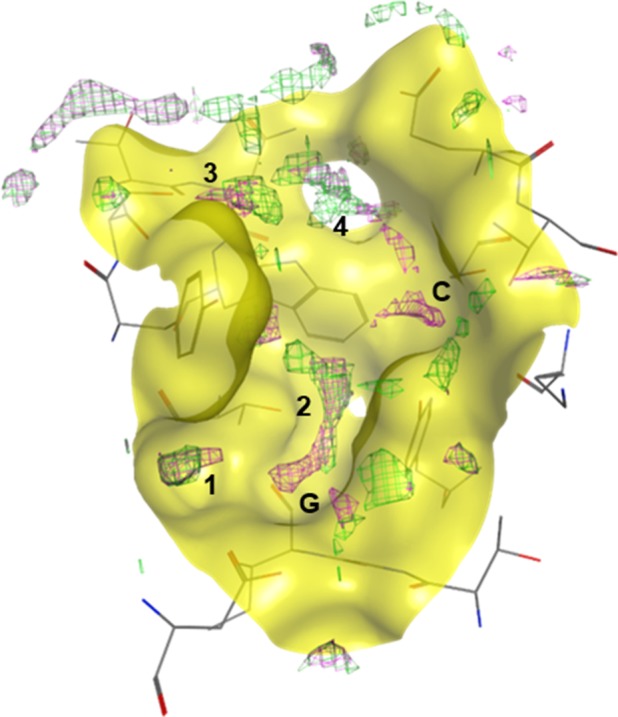
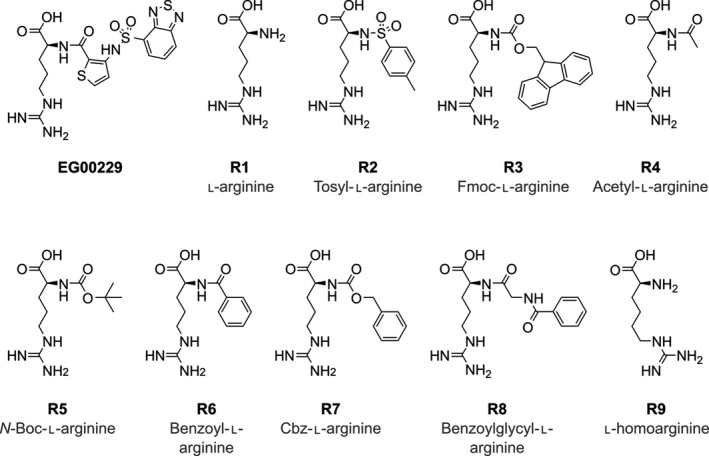
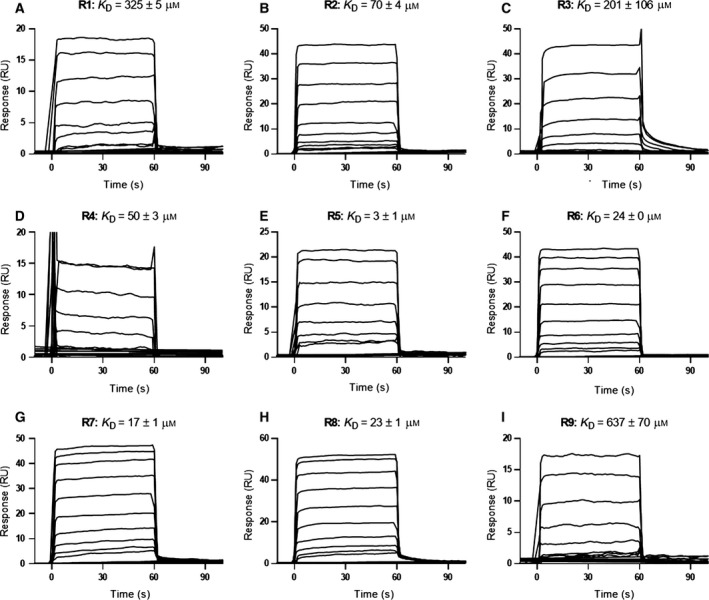
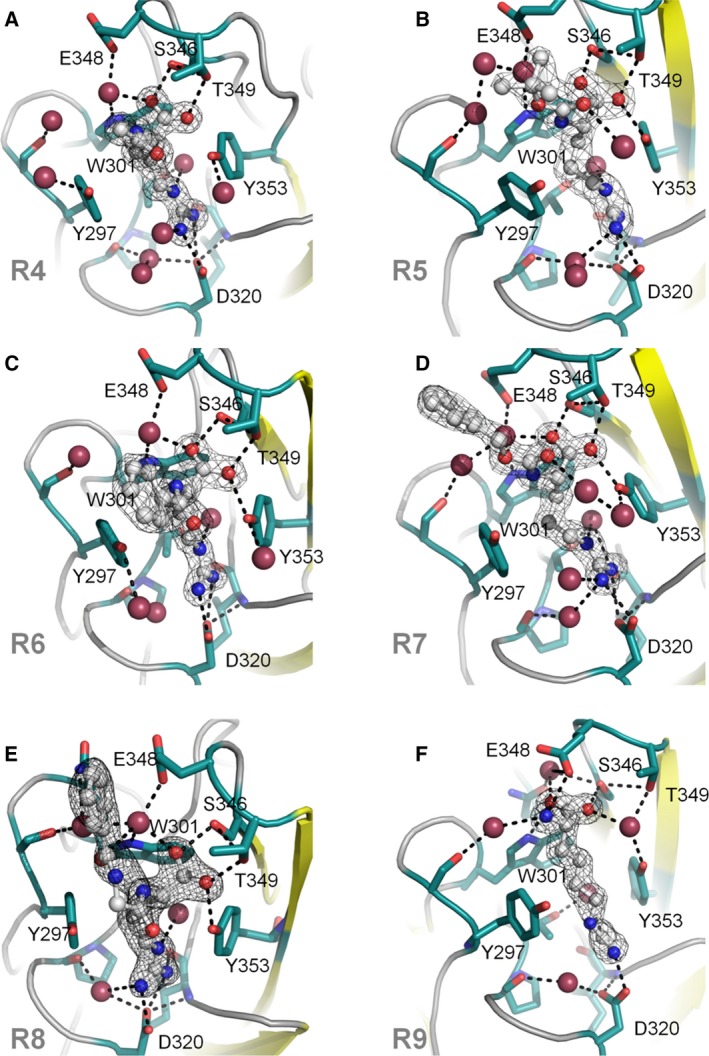
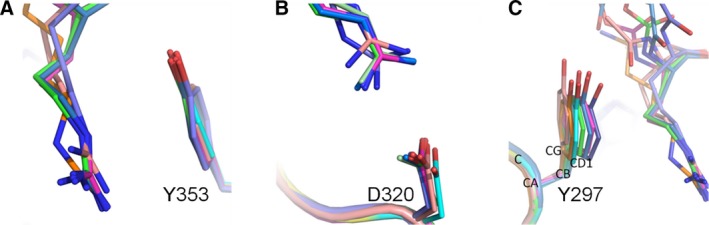
Neuropilin-1 (NRP1) is a transmembrane co-receptor involved in binding interactions with variety of ligands and receptors, including receptor tyrosine kinases. Expression of NRP1 in several cancers correlates with cancer stages and poor prognosis. Thus, NRP1 has been considered a therapeutic target and is the focus of multiple drug discovery initiatives. Vascular endothelial growth factor (VEGF) binds to the b1 domain of NRP1 through interactions between the C-terminal arginine of VEGF and residues in the NRP1-binding site including Tyr297, Tyr353, Asp320, Ser346 and Thr349. We obtained several complexes of the synthetic ligands and the NRP1-b1 domain and used X-ray crystallography and computational methods to analyse atomic details and hydration profile of this binding site. We observed side chain flexibility for Tyr297 and Asp320 in the six new high-resolution crystal structures of arginine analogues bound to NRP1. In addition, we identified conserved water molecules in binding site regions which can be targeted for drug design. The computational prediction of the VEGF ligand-binding site hydration map of NRP1 was in agreement with the experimentally derived, conserved hydration structure. Displacement of certain conserved water molecules by a ligand's functional groups may contribute to binding affinity, whilst other water molecules perform as protein-ligand bridges. Our report provides a comprehensive description of the binding site for the peptidic ligands' C-terminal arginines in the b1 domain of NRP1, highlights the importance of conserved structural waters in drug design and validates the utility of the computational hydration map prediction method in the context of neuropilin.
The structures were deposited to the PDB with accession numbers PDB ID: 5IJR, 5IYY, 5JHK, 5J1X, 5JGQ, 5JGI.
神经纤毛蛋白-1(NRP1)是一种跨膜共受体,参与与多种配体和受体的结合相互作用,包括受体酪氨酸激酶。NRP1 在几种癌症中的表达与癌症分期和预后不良相关。因此,NRP1 已被视为治疗靶点,也是多种药物发现计划的重点。血管内皮生长因子(VEGF)通过 VEGF 中 C 末端精氨酸与 NRP1 结合位点中的残基(包括 Tyr297、Tyr353、Asp320、Ser346 和 Thr349)之间的相互作用,与 NRP1 的 b1 结构域结合。我们获得了几种合成配体与 NRP1-b1 结构域的复合物,并使用 X 射线晶体学和计算方法分析了该结合位点的原子细节和水合轮廓。我们观察到六个新的高分辨率精氨酸类似物与 NRP1 结合的晶体结构中 Tyr297 和 Asp320 的侧链灵活性。此外,我们在结合位点区域鉴定了保守的水分子,这些水分子可作为药物设计的靶点。NRP1 的 VEGF 配体结合位点水合图的计算预测与实验得出的保守水合结构一致。配体的功能基团取代某些保守的水分子可能有助于结合亲和力,而其他水分子则作为蛋白-配体桥。我们的报告提供了 NRP1 的 b1 结构域中肽配体 C 末端精氨酸结合位点的全面描述,强调了保守结构水在药物设计中的重要性,并验证了计算水合图预测方法在神经纤毛蛋白中的实用性。
结构已存入 PDB,登录号为 PDB ID:5IJR、5IYY、5JHK、5J1X、5JGQ、5JGI。