Department of Orthopaedics, The Second Affiliated Hospital and Yuying Children's Hospital of Wenzhou Medical University, Wenzhou, 325027, People's Republic of China.
School of Pharmaceutical Sciences, Key Laboratory of Biotechnology and Pharmaceutical Engineering, Wenzhou Medical University, Wenzhou, 325027, Zhejiang, China.
Cell Death Dis. 2018 Feb 12;9(2):212. doi: 10.1038/s41419-017-0217-y.
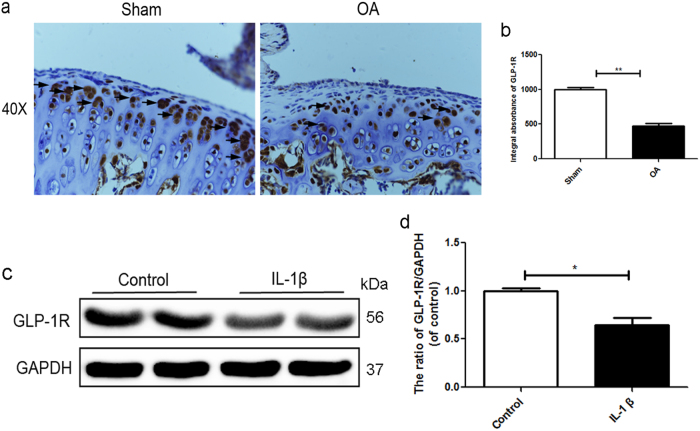
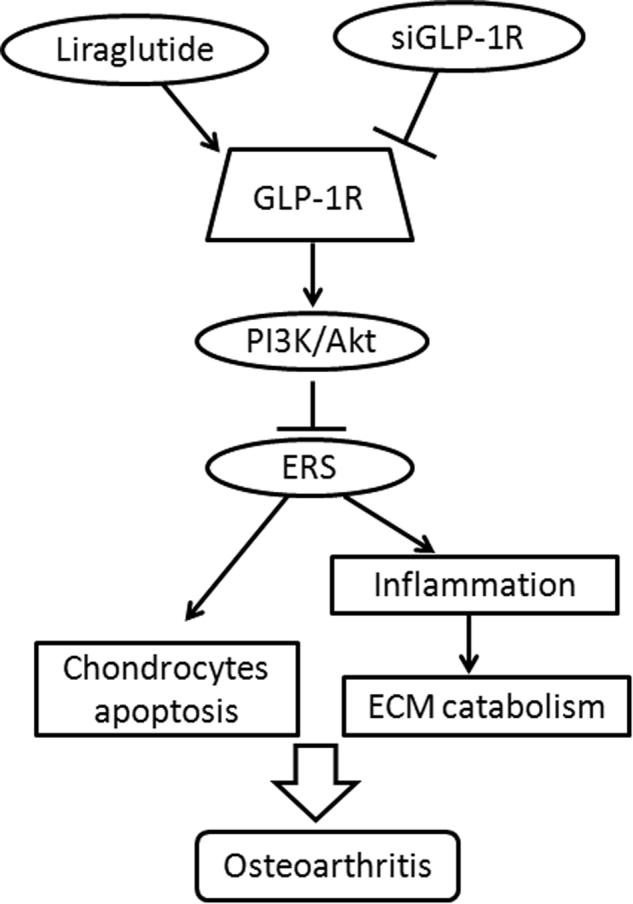
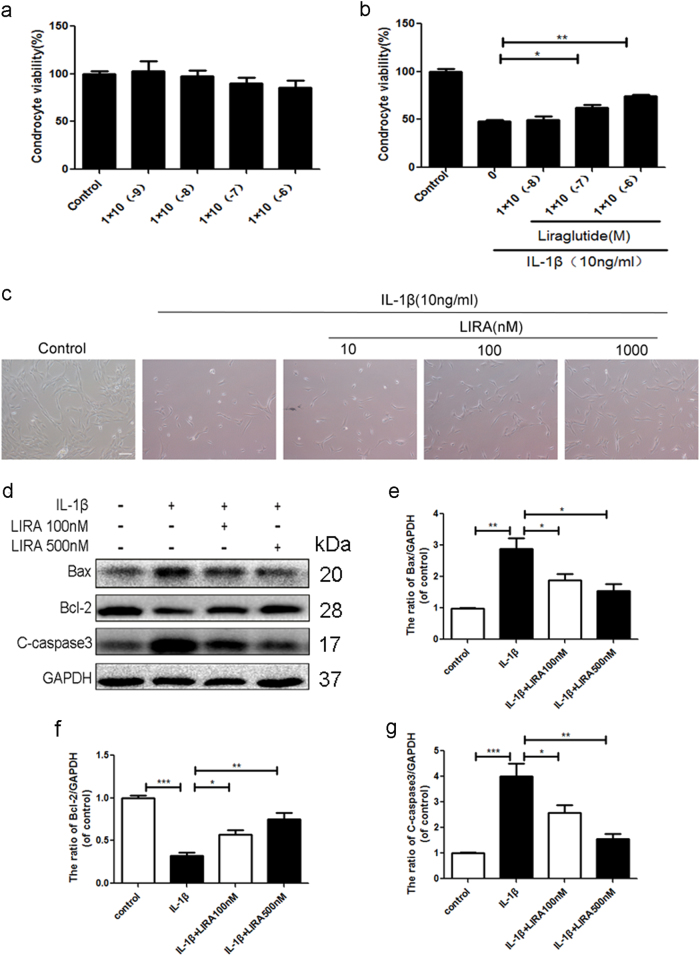
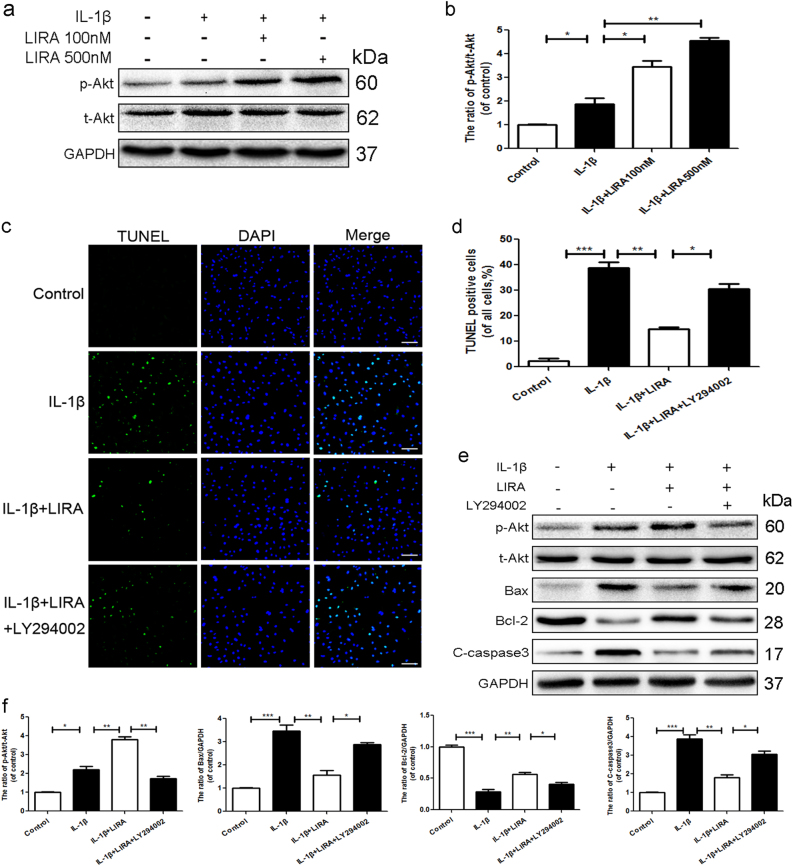
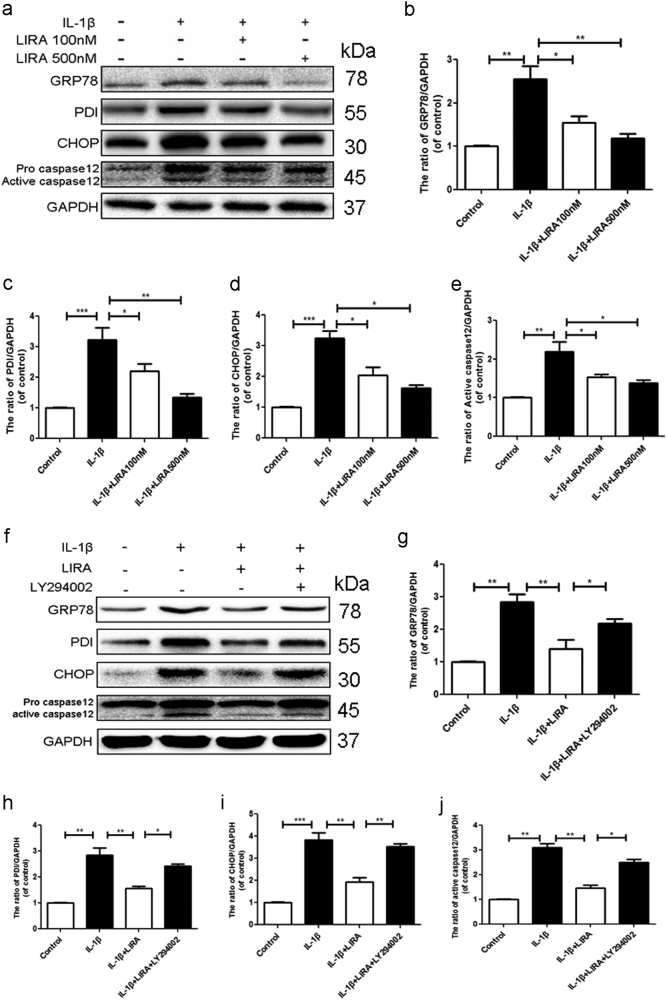
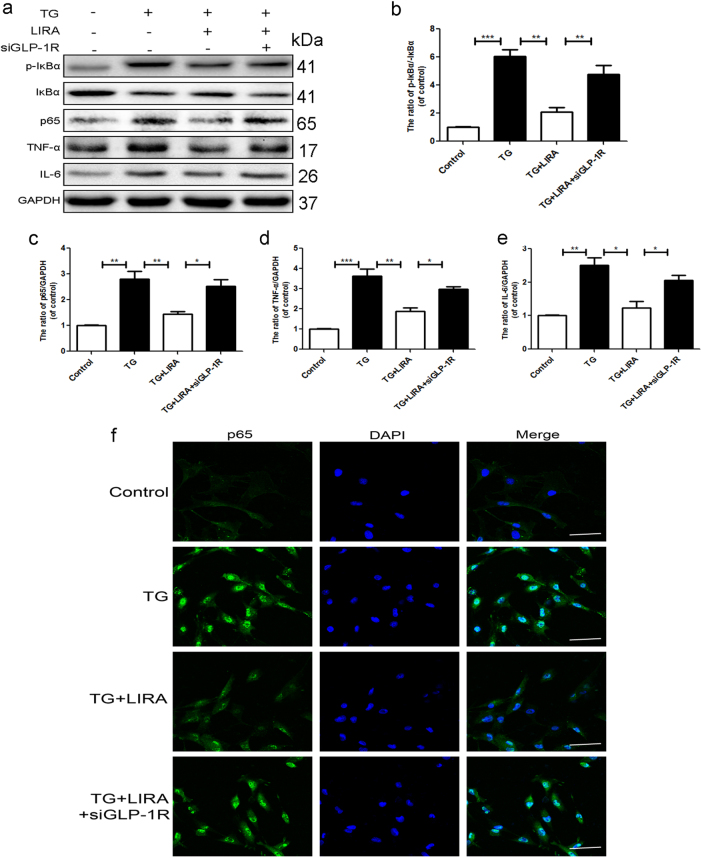
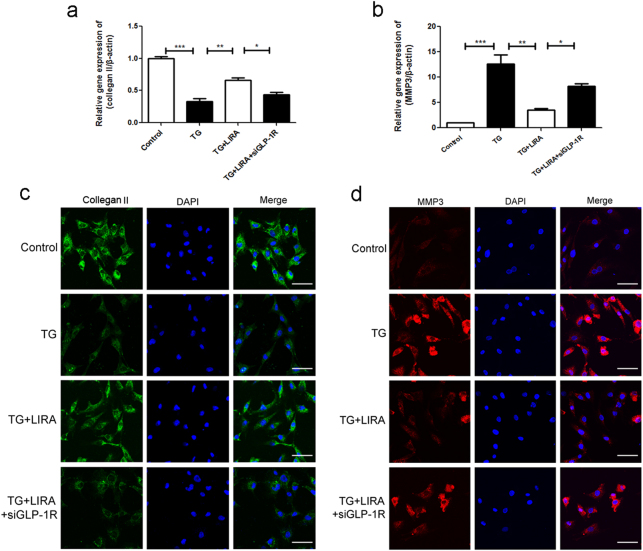
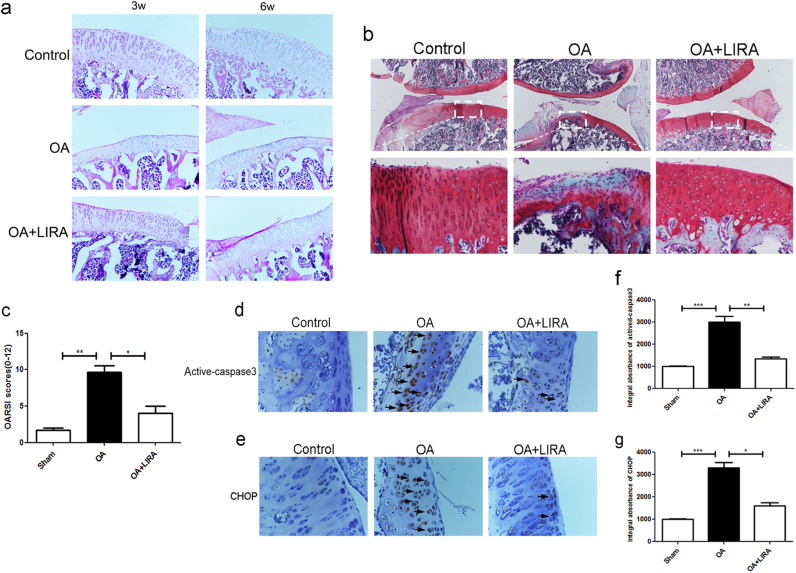
Treatments for osteoarthritis (OA) are designed to restore chondrocyte function and inhibit cell apoptosis. Previous studies have shown that activation of the glucagon-like peptide-1 receptor (GLP-1R) leads to anti-inflammatory and anti-apoptotic effects. However, the role of GLP-1R in the pathological process of OA is unclear. In present work, we aimed to demonstrate the potential effect of GLP-1R on chondrocytes and elucidate its underlying mechanisms. We found that activation of GLP-1R with liraglutide could protect chondrocytes against endoplasmic reticulum stress and apoptosis induced by interleukin (IL)-1β or triglycerides (TGs). These effects were partially attenuated by GLP-1R small interfering RNA treatment. Moreover, inhibiting PI3K/Akt signaling abolished the protective effects of GLP-1R by increase the apoptosis activity and ER stress. Activating GLP-1R suppressed the nuclear factor kappa-B pathway, decreased the release of inflammatory mediators (IL-6, tumor necrosis factor α), and reduced matrix catabolism in TG-treated chondrocytes; these effects were abolished by GLP-1R knockdown. In the end, liraglutide attenuated rat cartilage degeneration in an OA model of knee joints in vivo. Our results indicate that GLP-1R is a therapeutic target for the treatment of OA, and that liraglutide could be a therapeutic candidate for this clinical application.
骨关节炎(OA)的治疗旨在恢复软骨细胞的功能并抑制细胞凋亡。先前的研究表明,胰高血糖素样肽-1 受体(GLP-1R)的激活可产生抗炎和抗凋亡作用。然而,GLP-1R 在 OA 病理过程中的作用尚不清楚。在本研究中,我们旨在证明 GLP-1R 对软骨细胞的潜在作用,并阐明其潜在机制。我们发现,用利拉鲁肽激活 GLP-1R 可以保护软骨细胞免受白细胞介素(IL)-1β或甘油三酯(TGs)诱导的内质网应激和凋亡。用 GLP-1R 小干扰 RNA 处理可部分减弱这些作用。此外,抑制 PI3K/Akt 信号通路通过增加凋亡活性和内质网应激而消除了 GLP-1R 的保护作用。激活 GLP-1R 抑制了核因子 kappa-B 途径,减少了 TG 处理的软骨细胞中炎症介质(IL-6、肿瘤坏死因子 α)的释放,并减少了基质的分解代谢;这些作用被 GLP-1R 敲低所消除。最后,利拉鲁肽可减轻体内膝关节炎 OA 模型大鼠的软骨退变。我们的结果表明,GLP-1R 是治疗 OA 的治疗靶点,利拉鲁肽可能是该临床应用的治疗候选药物。