Liu Huan, Luo Qin, Cui Hengmin, Deng Huidan, Kuang Ping, Lu Yujiao, Fang Jing, Zuo Zhicai, Deng Junliang, Li Yinglun, Wang Xun, Zhao Ling
College of Veterinary Medicine, Sichuan Agricultural University, Wenjiang, Chengdu, China.
Key Laboratory of Animal Diseases and Environmental Hazards of Sichuan Province, Sichuan Agriculture University, Wenjiang, Chengdu, China.
Oncotarget. 2017 Dec 11;9(4):4318-4337. doi: 10.18632/oncotarget.23093. eCollection 2018 Jan 12.
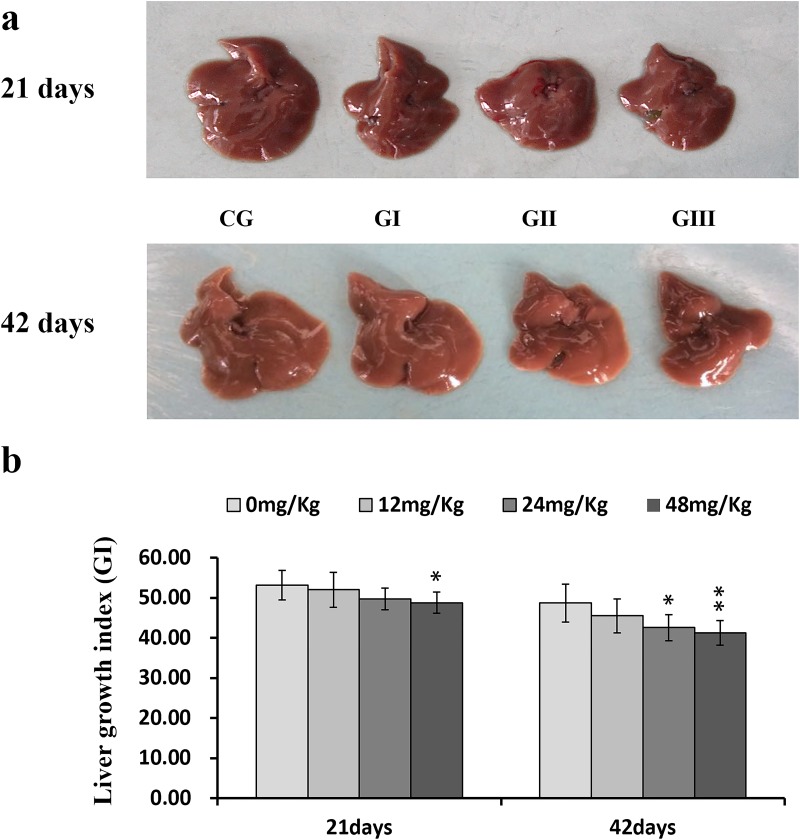
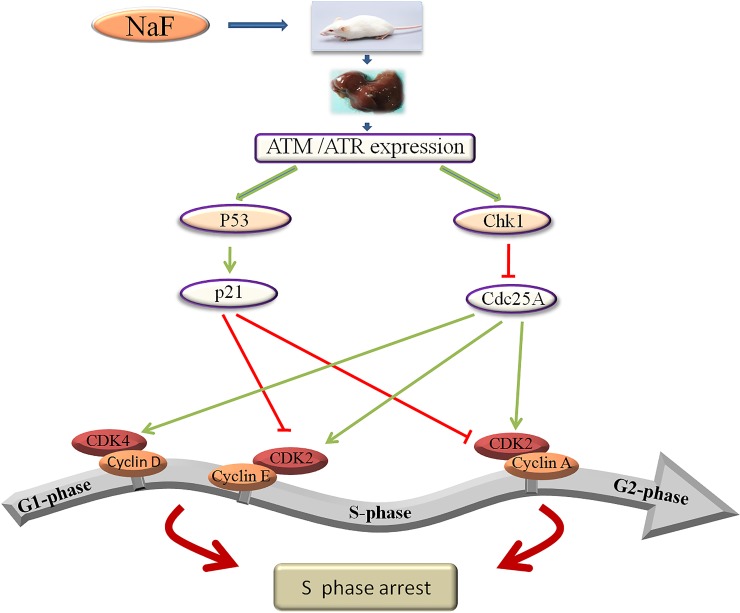
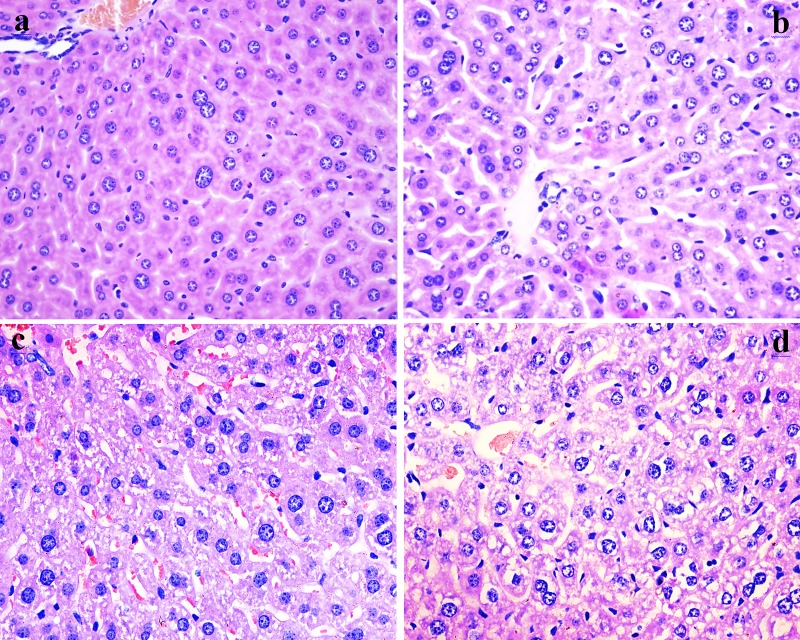
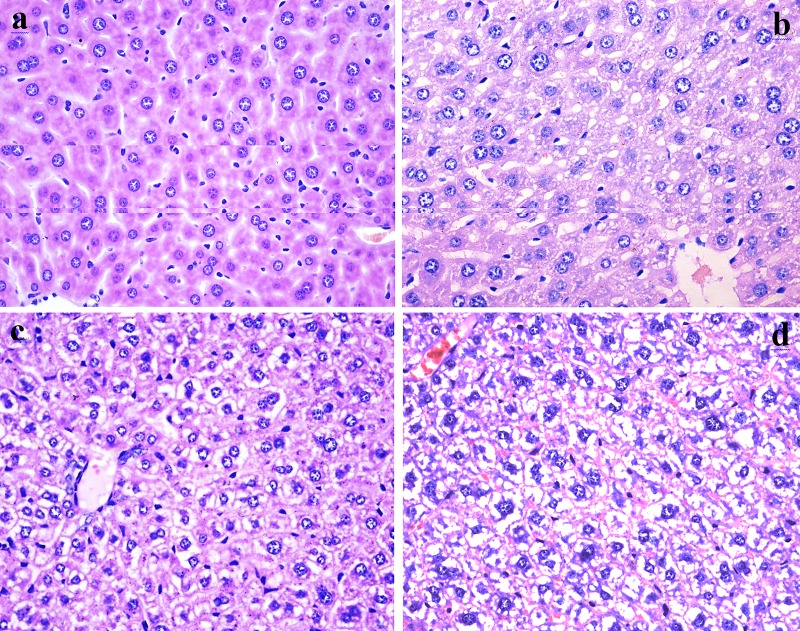
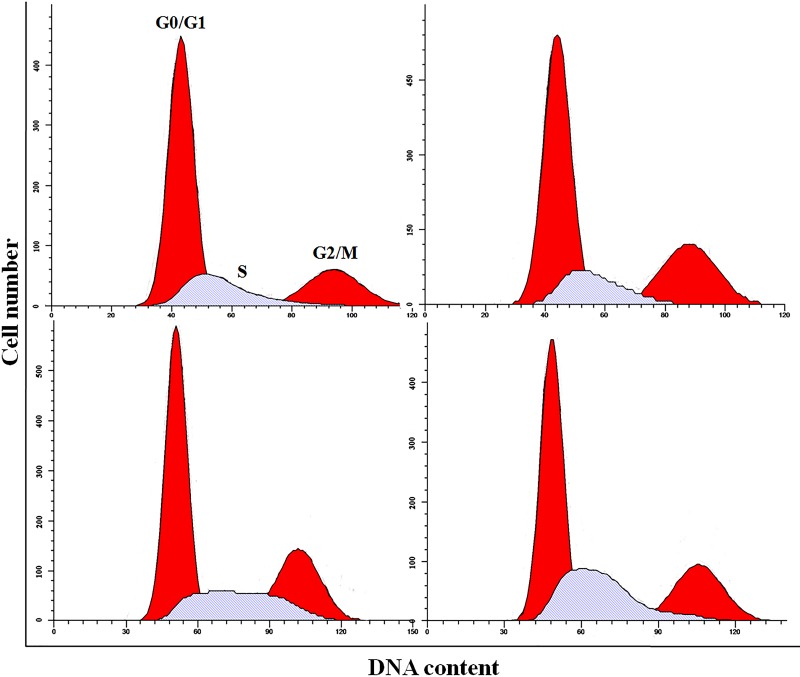
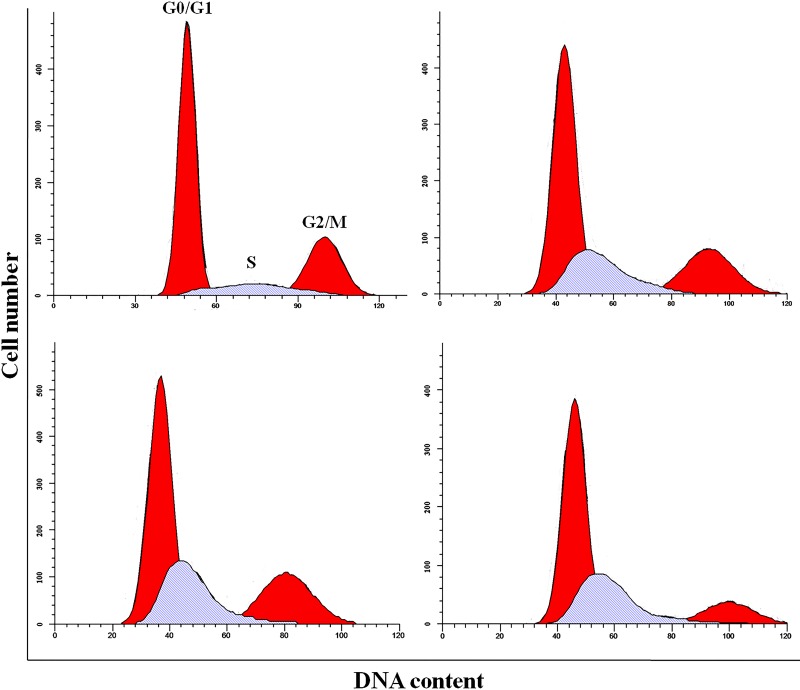
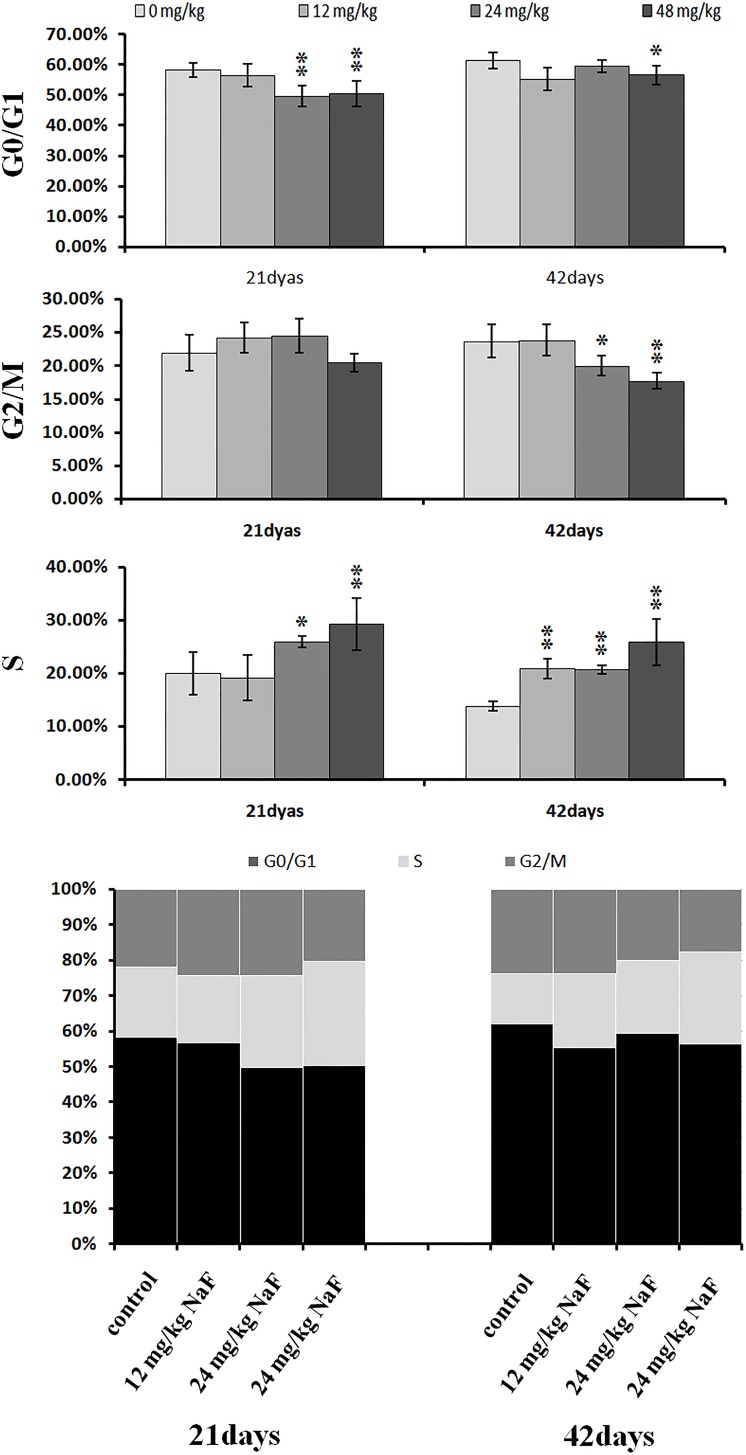
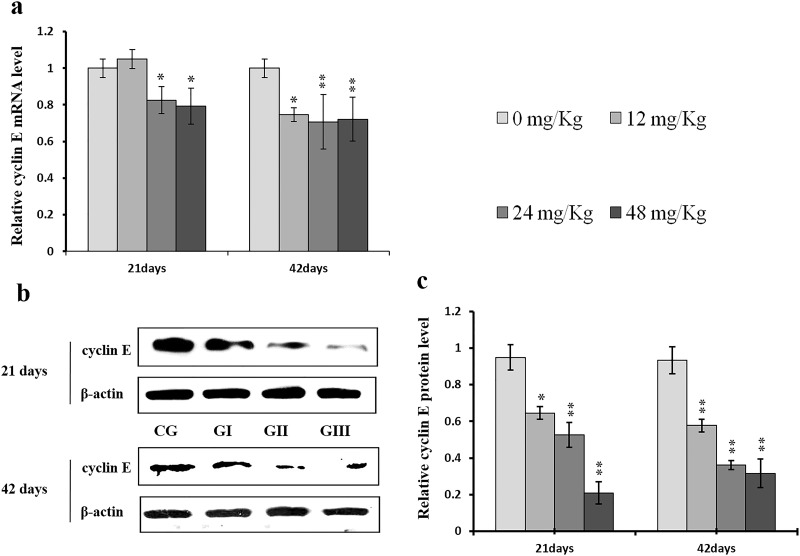
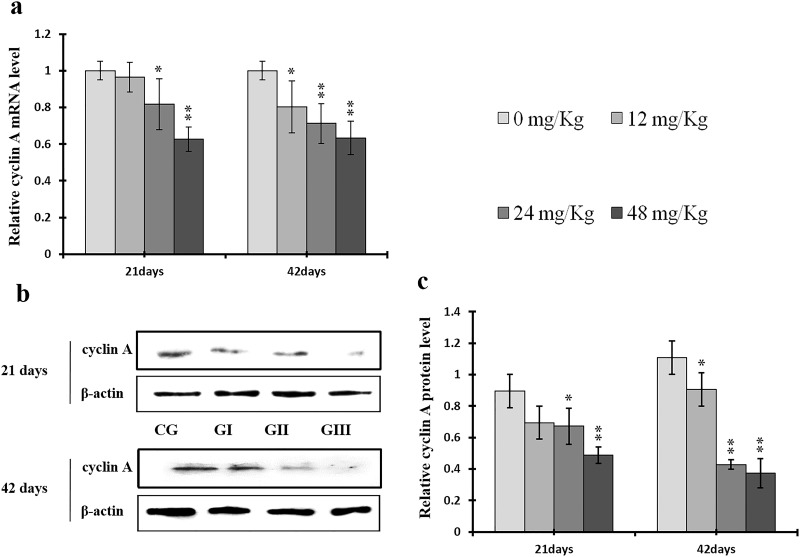
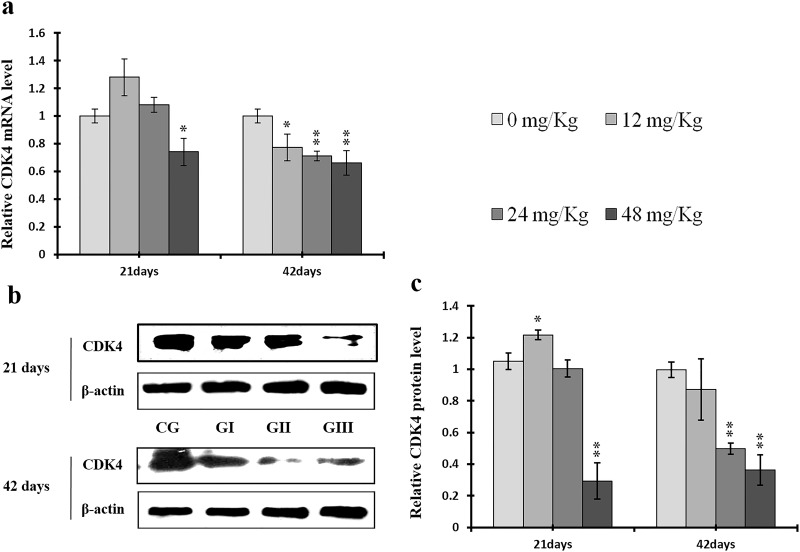
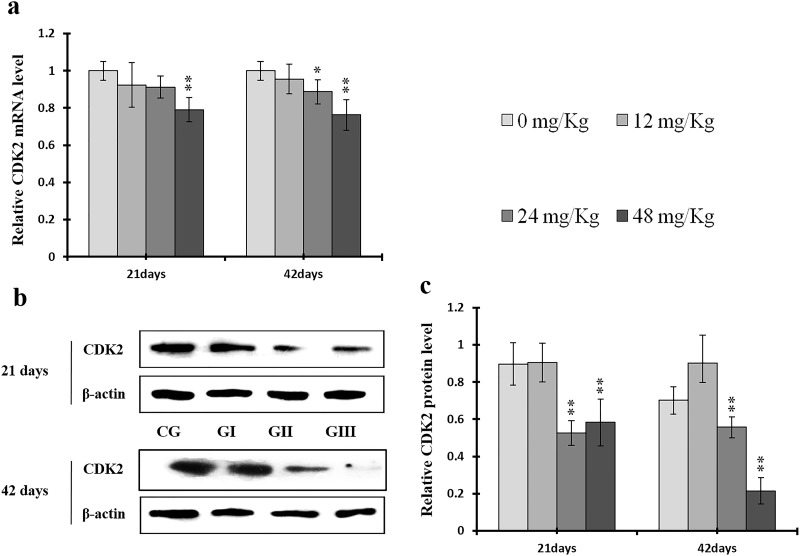
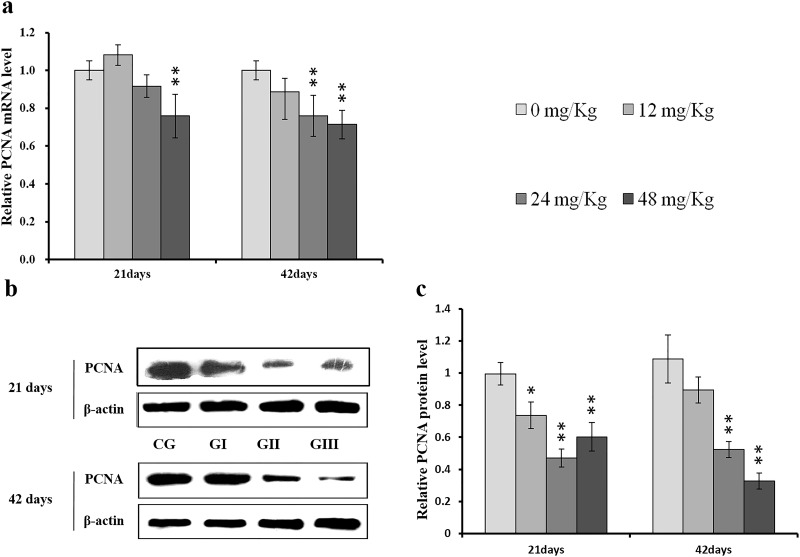
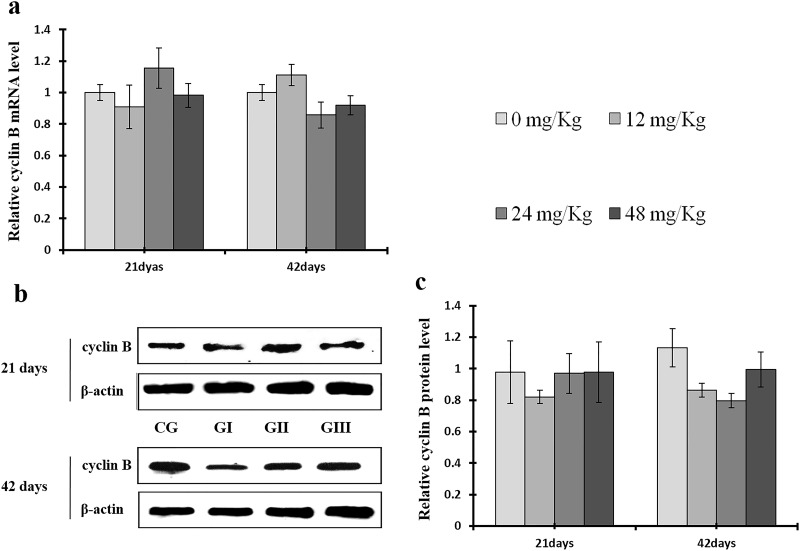
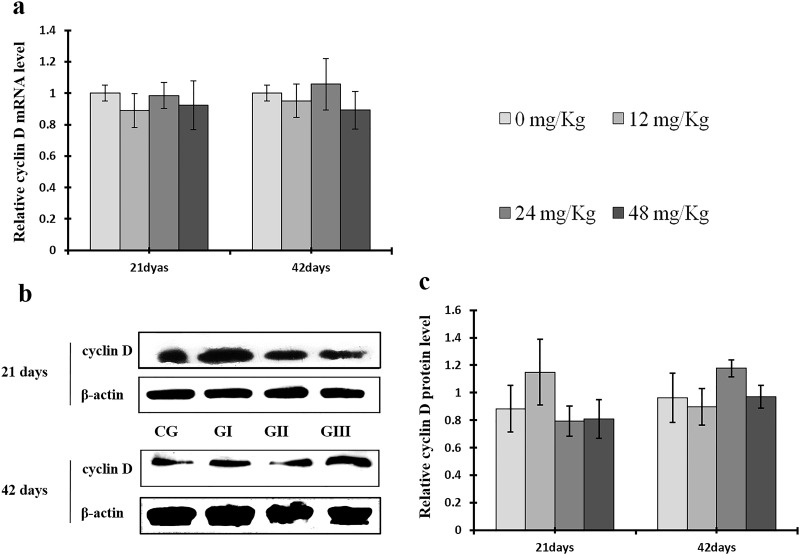
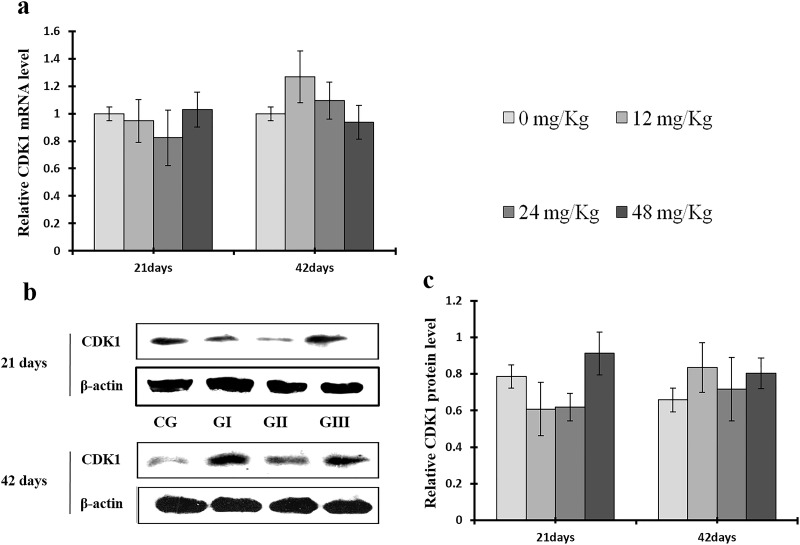
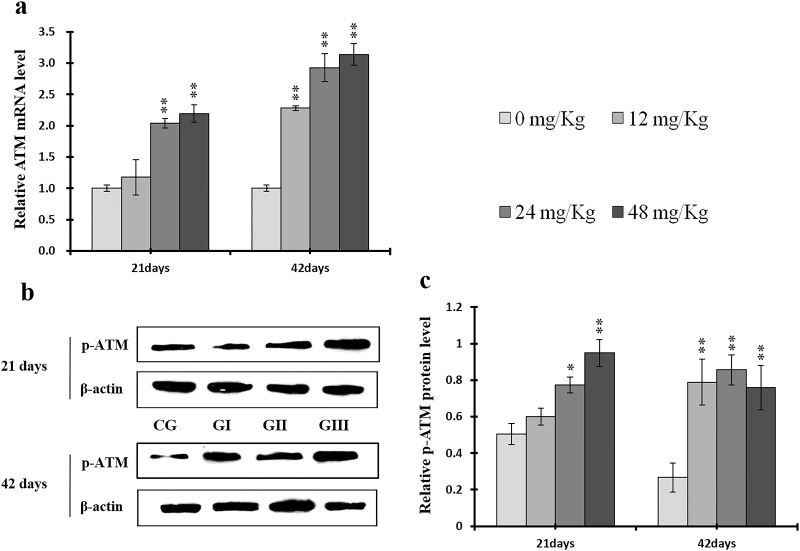
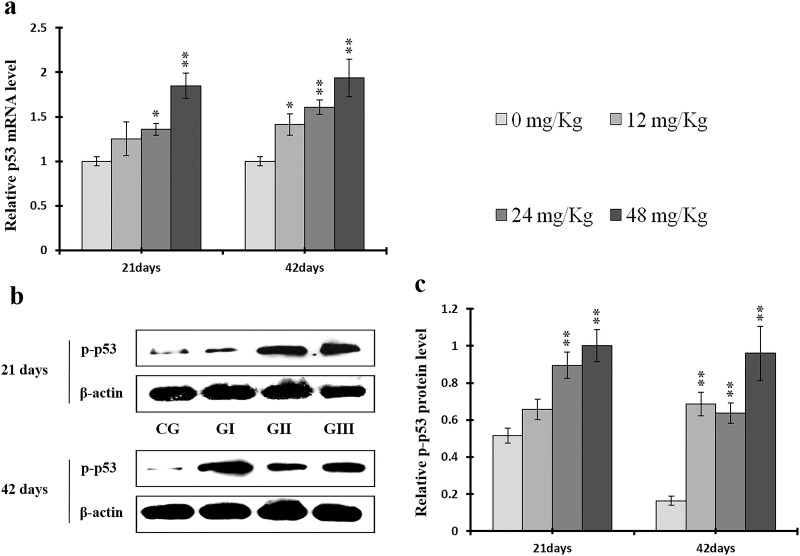
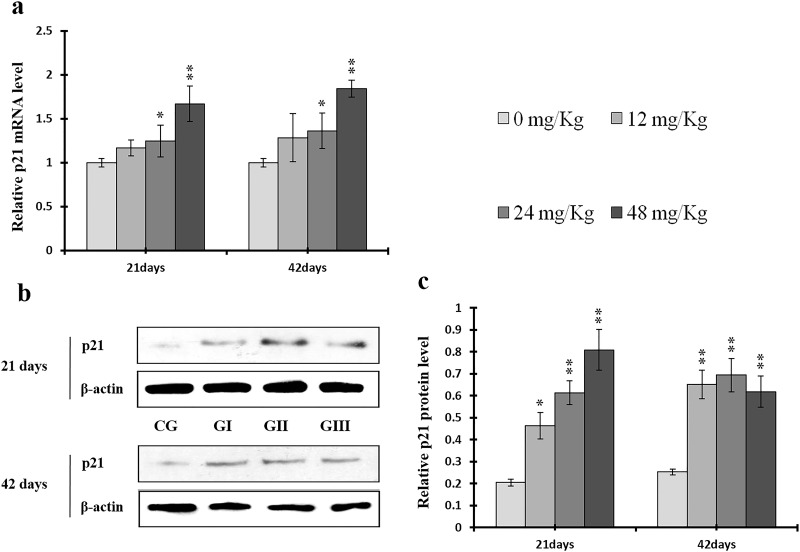
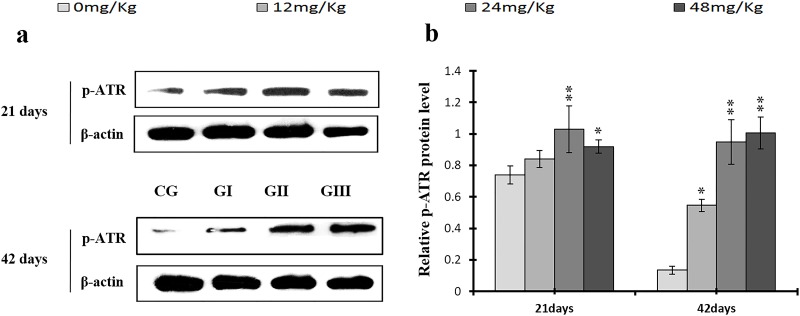
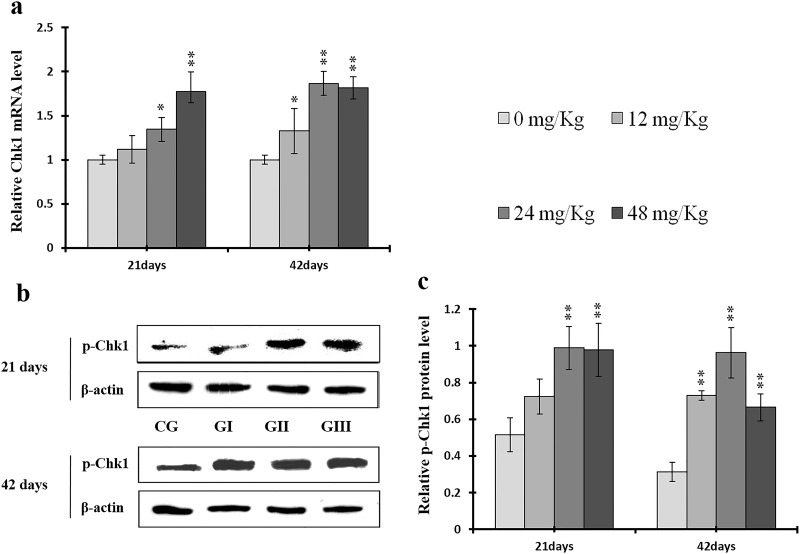
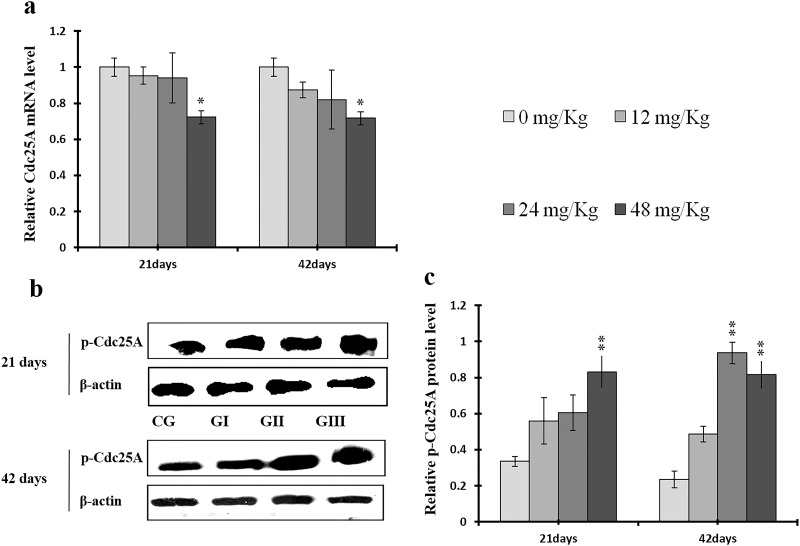
In this study, experimental pathology, flow cytometry (FCM), quantitative real-time polymerase chain reaction (qRT-PCR), and western blot (WB) were used to evaluate the effects of sodium fluoride (NaF) on hepatocellular cell cycle progression in mice. A total of 240 ICR mice were divided equally into four groups; the experimental groups received 12, 24, or 48 mg/kg NaF intragastrically for 42 days, while the control group received distilled water. Doses of NaF above 12 mg/kg increased the percentage of cells in S phase (S-phase arrest), reduced percentages of cells in G0/G1 or G2/M phase, and activated the ATM-p53-p21 and ATR-Chk1-Cdc25A pathways. Activation of these pathways was characterized by up-regulation of ATM, p53, p21, ATR, and Chk1 mRNA and protein expression, and down-regulation of Cdc25A, cyclin E, cyclin A, CDK2, CDK4, and proliferating cell nuclear antigen (PCNA) mRNA and protein expression. These results indicate that NaF caused S-phase arrest by activating the ATM-p53-p21 and ATR-Chk1-Cdc25A pathways.
在本研究中,采用实验病理学、流式细胞术(FCM)、定量实时聚合酶链反应(qRT-PCR)和蛋白质免疫印迹法(WB)来评估氟化钠(NaF)对小鼠肝细胞周期进程的影响。总共240只ICR小鼠被平均分为四组;实验组分别接受12、24或48 mg/kg NaF灌胃42天,而对照组接受蒸馏水。12 mg/kg以上剂量的NaF增加了S期细胞百分比(S期阻滞),降低了G0/G1或G2/M期细胞百分比,并激活了ATM-p53-p21和ATR-Chk1-Cdc25A信号通路。这些信号通路的激活表现为ATM、p53、p21、ATR和Chk1 mRNA及蛋白表达上调,以及Cdc25A、细胞周期蛋白E、细胞周期蛋白A、细胞周期蛋白依赖性激酶2(CDK2)、细胞周期蛋白依赖性激酶4(CDK4)和增殖细胞核抗原(PCNA)mRNA及蛋白表达下调。这些结果表明,NaF通过激活ATM-p53-p21和ATR-Chk1-Cdc25A信号通路导致S期阻滞。