Department of Spine Surgery, Shanghai General Hospital of Nanjing Medical University and the Affiliated Jiangning Hospital of Nanjing Medical University, Nanjing 211100, China.
Department of Orthopedics, Shanghai General Hospital of Nanjing Medical University, Songjiang 201600, Shanghai, China.
Biosci Rep. 2018 Mar 29;38(2). doi: 10.1042/BSR20171214. Print 2018 Apr 27.
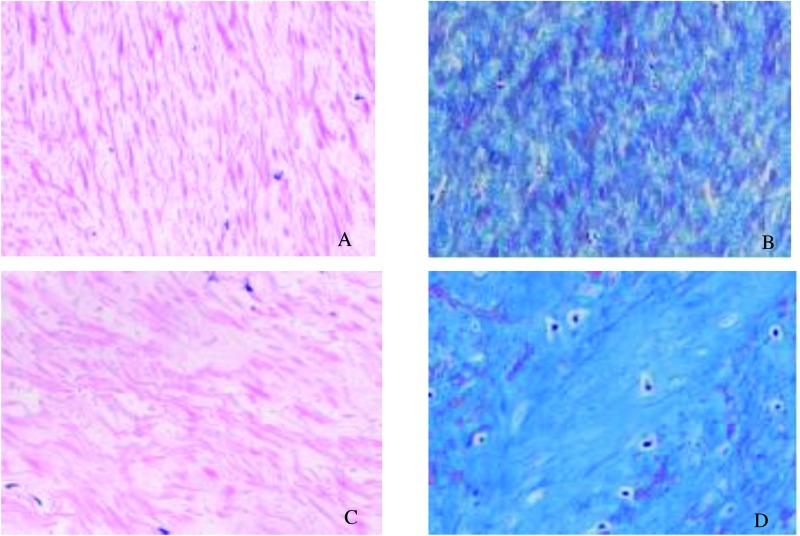
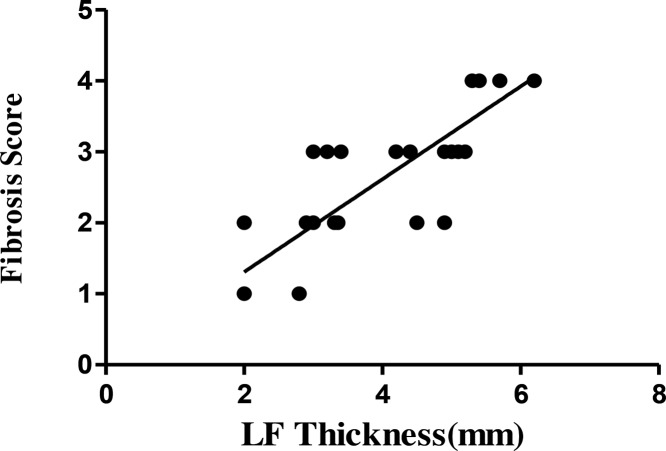
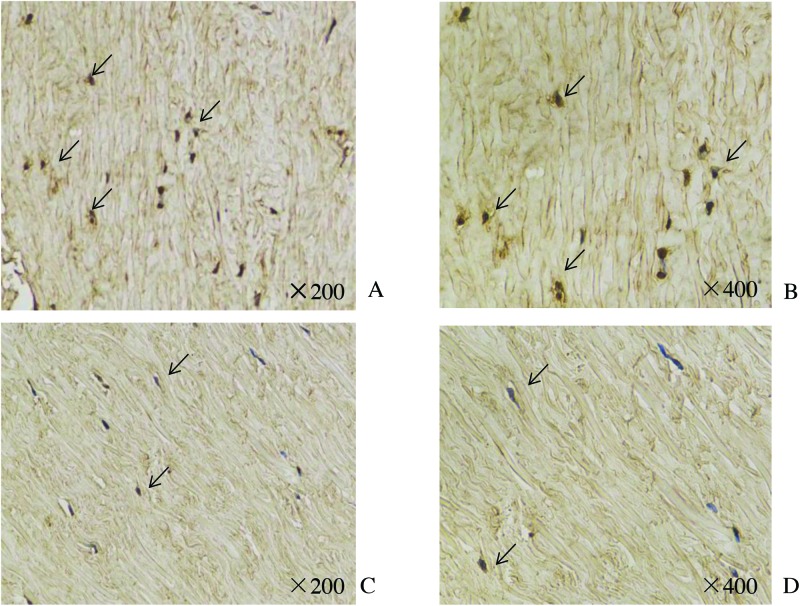
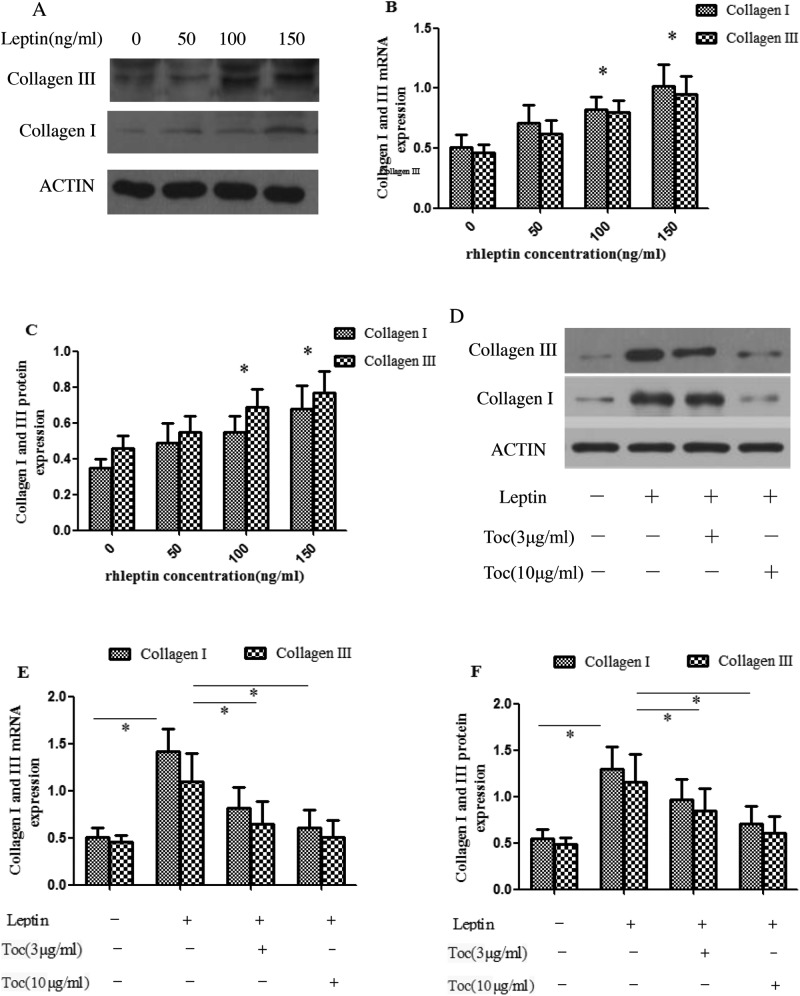
The ongoing chronic inflammation and subsequent fibrosis play an important role in ligamentum flavum (LF) fibrosis and hypertrophy in patients with lumbar spinal canal stenosis (LSCS). Leptin is a chronic inflammatory mediator and involved in the fibrotic process in multiple organ systems. The present study aimed to investigate the role of leptin in LF fibrosis and its related regulatory mechanisms. The LF specimens were obtained during the surgery from 12 patients with LSCS (LSCS group) and 12 control patients with lumbar disc herniation (LDH) group. The morphologic changes and fibrosis score of LF were assessed by Hematoxylin and eosin (H&E) and Masson's trichrome staining respectively. The location and expression of leptin in LF tissues were determined. Then, the LF cells were cultured and exposed to recombinant human leptin (rhleptin). Collagen I and III were used as fibrosis markers and IL-6 was used as the inflammatory factor. As a result, the LF thickness and fibrosis score in the LSCS group were significantly higher than those in the LDH group (<0.05). Leptin was detected in the hypertrophied LF and its expression was substantially increased in the LSCS group and positively correlated with LF thickness and fibrosis score (<0.05). Moreover, our experiments revealed that rhleptin treated LF cells elevated the expression of collagen I and III. Finally, leptin administration induced IL-6 expression via nuclear factor-κB (NF-κB) pathway in LF cell (<0.05). Our study demonstrated novel molecular events for leptin-induced inflammation in LF tissue by promoting IL-6 expression and thus might have potential implications for clarifying the mechanism underlying LF fibrosis and hypertrophy.
持续的慢性炎症和随后的纤维化在腰椎管狭窄症(LSCS)患者的黄韧带(LF)纤维化和肥大中起重要作用。瘦素是一种慢性炎症介质,参与多个器官系统的纤维化过程。本研究旨在探讨瘦素在 LF 纤维化中的作用及其相关调节机制。LF 标本取自 12 例 LSCS 患者(LSCS 组)和 12 例腰椎间盘突出症患者(LDH 组)的手术中。通过苏木精和伊红(H&E)和 Masson 三色染色分别评估 LF 的形态变化和纤维化评分。确定 LF 组织中瘦素的位置和表达。然后,培养 LF 细胞并暴露于重组人瘦素(rhleptin)。胶原 I 和 III 用作纤维化标志物,IL-6 用作炎症因子。结果,LSCS 组 LF 厚度和纤维化评分明显高于 LDH 组(<0.05)。在肥大的 LF 中检测到瘦素,其在 LSCS 组中的表达显著增加,并且与 LF 厚度和纤维化评分呈正相关(<0.05)。此外,我们的实验表明 rhleptin 处理的 LF 细胞增加了胶原 I 和 III 的表达。最后,瘦素给药通过核因子-κB(NF-κB)途径诱导 LF 细胞中 IL-6 的表达(<0.05)。我们的研究表明,瘦素通过促进 IL-6 表达在 LF 组织中引起炎症的新分子事件,这可能对阐明 LF 纤维化和肥大的机制具有潜在意义。