a Linnaeus University Faculty of Health and Life Science , Linnaeus Center of Biomaterials Chemistry, Linnaeus University , Kalmar , Sweden.
b Department of Clinical Neuroscience, Section for Ophthalmology and Vision , St. Erik Eye Hospital, Karolinska Institutet , Stockholm , Sweden.
Ups J Med Sci. 2018 Mar;123(1):28-42. doi: 10.1080/03009734.2018.1431744. Epub 2018 Feb 13.
The complement system (CS) plays a role in the pathogenesis of a number of ocular diseases, including diabetic retinopathy (DR), glaucoma, uveitis, and age-related macular degeneration (AMD). Given that many of the complex eye-related degenerative diseases have limited treatment opportunities, we aimed to mimic the in vivo retinal degenerative process by developing a relevant co-culture system.
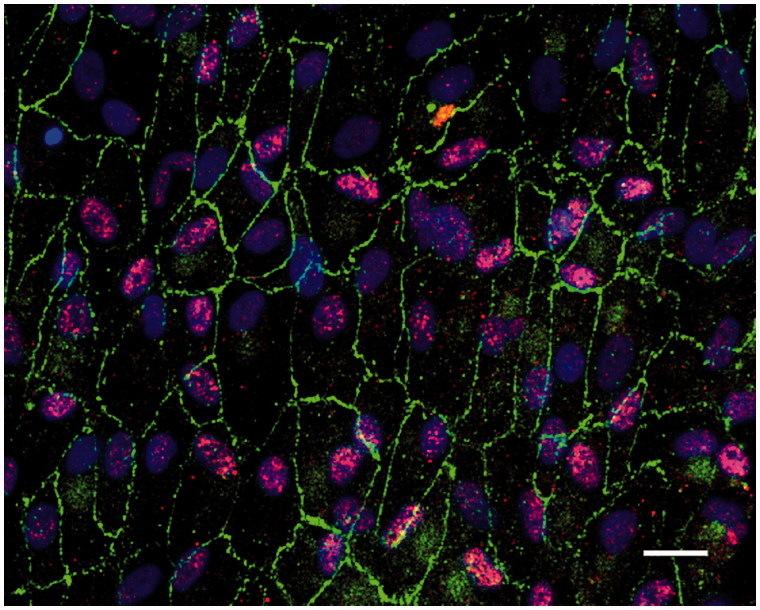
The adult porcine retina was co-cultured with the spontaneously arising human retinal pigment epithelial cells-19 (ARPE-19).
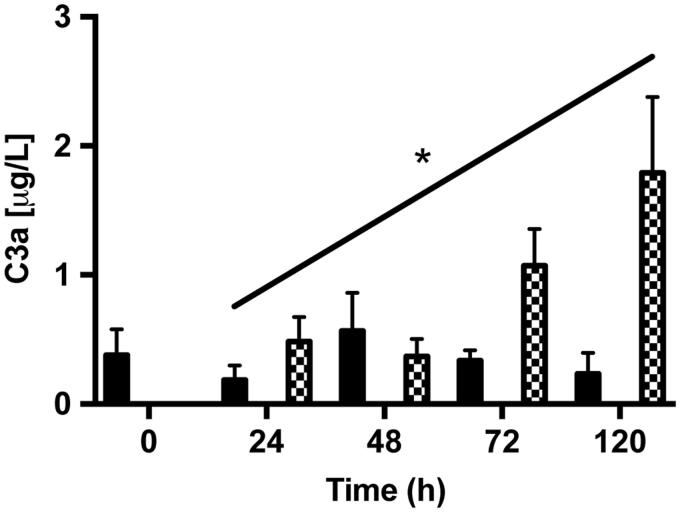
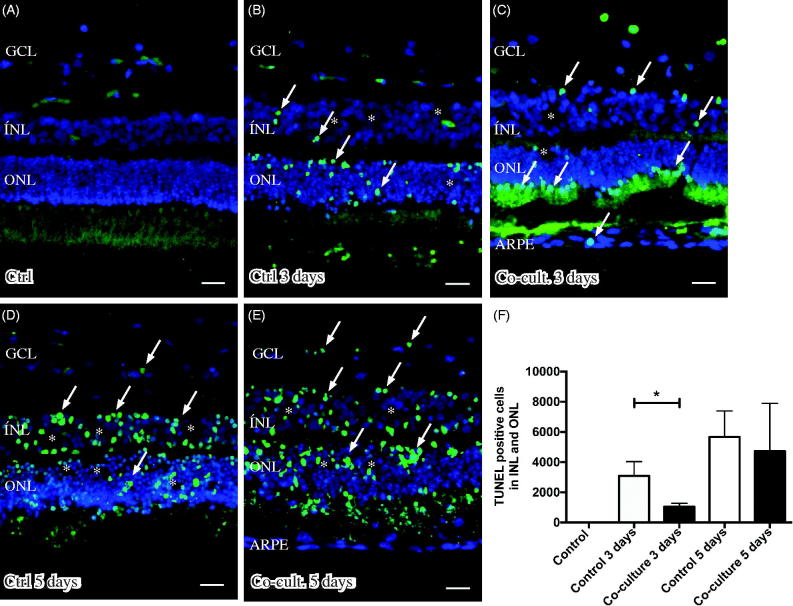
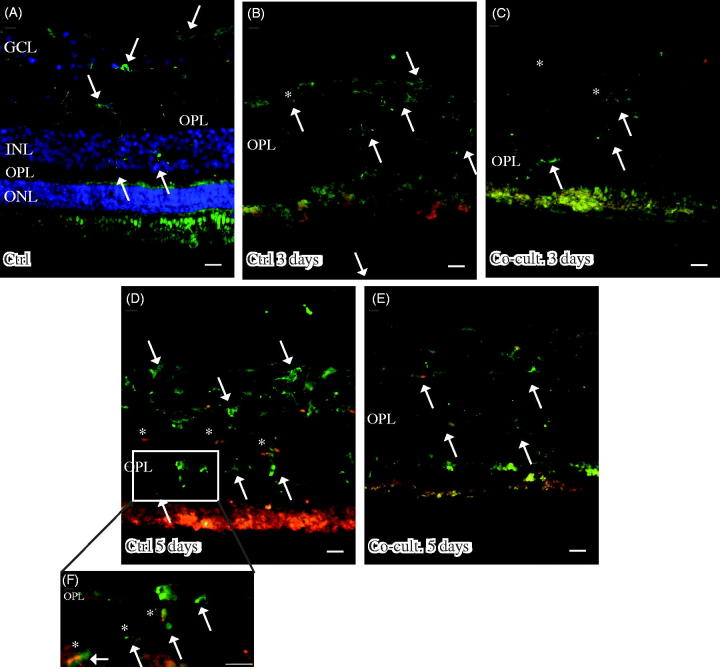
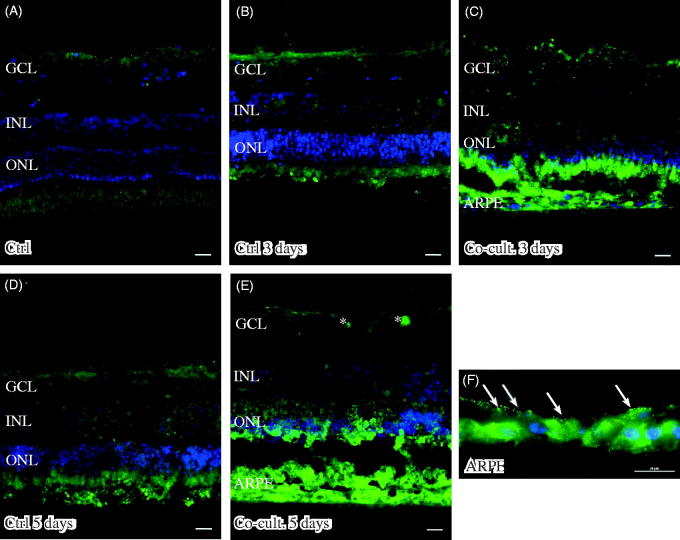
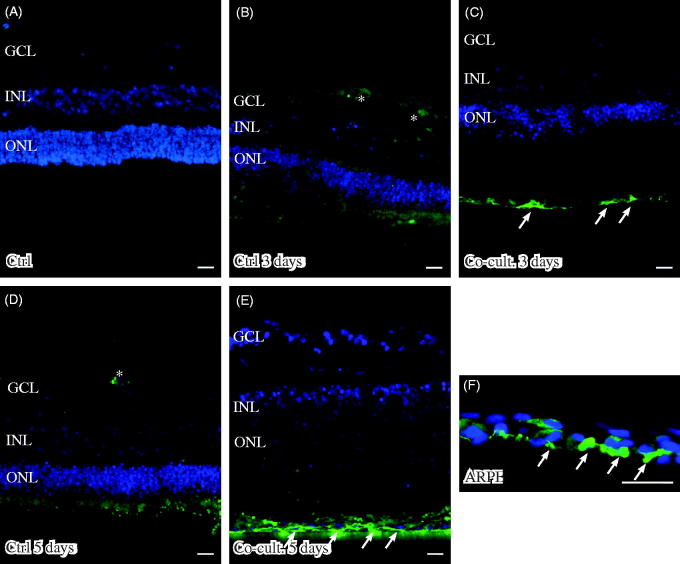
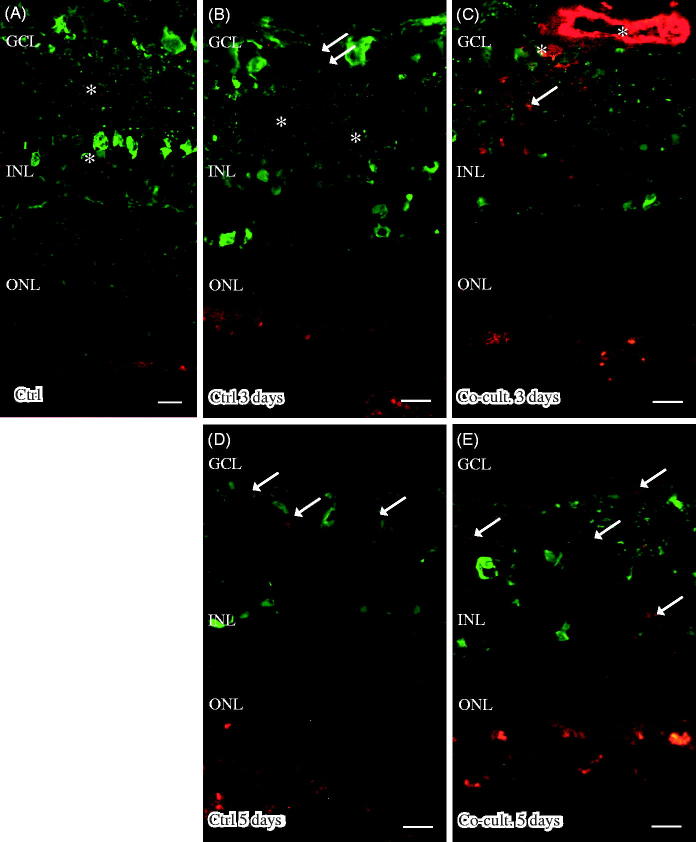
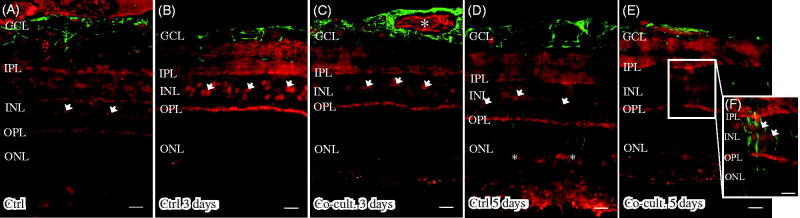
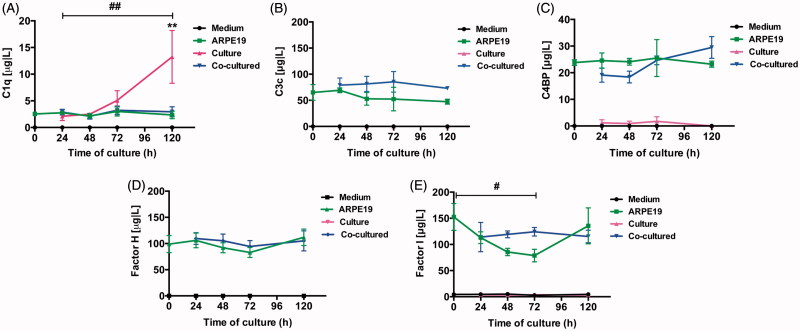
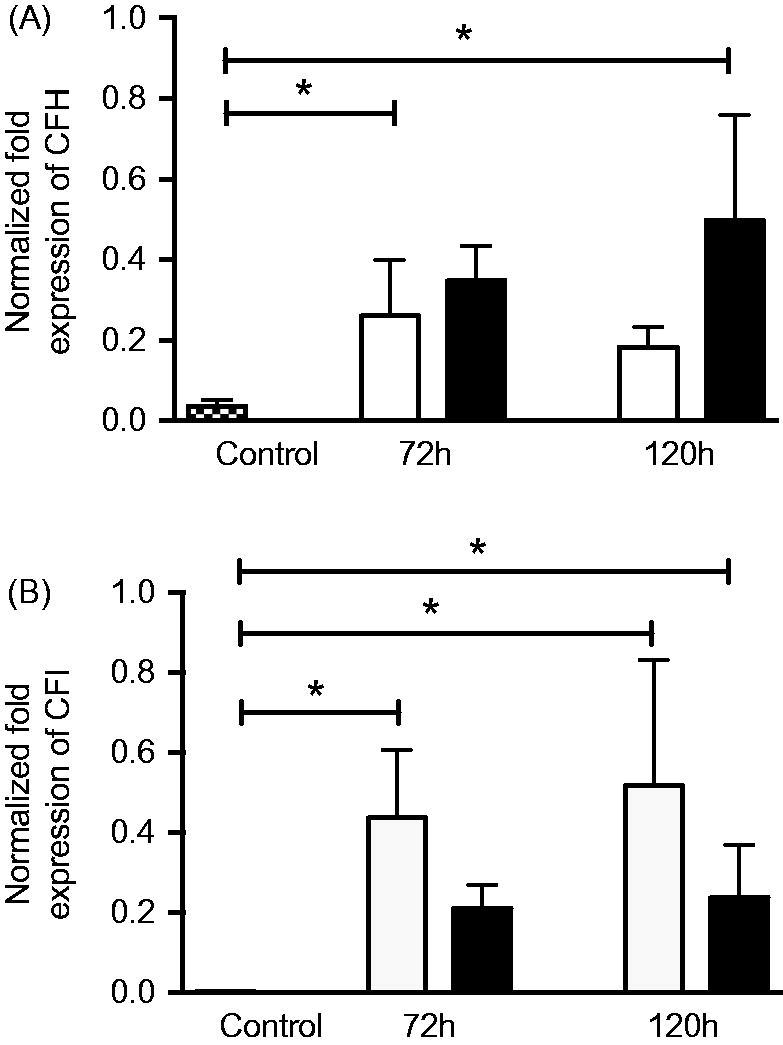
Inflammatory activity was found after culture and included migrating microglial cells, gliosis, cell death, and CS activation (demonstrated by a minor increase in the secreted anaphylotoxin C3a in co-culture). CS components, including C1q, C3, C4, soluble C5b-9, and the C5a receptor, were expressed in the retina and/or ARPE cells after culture. C1q, C3, and CS regulators such as C4 binding protein (C4BP), factor H (CFH), and factor I (CFI) were secreted after culture.
Thus, our research indicates that this co-culturing system may be useful for investigations of the CS and its involvement in experimental neurodegenerative diseases.
补体系统(CS)在许多眼部疾病的发病机制中发挥作用,包括糖尿病视网膜病变(DR)、青光眼、葡萄膜炎和年龄相关性黄斑变性(AMD)。鉴于许多复杂的眼部退行性疾病的治疗机会有限,我们旨在通过开发相关的共培养系统来模拟体内视网膜退行性过程。
成年猪视网膜与自发出现的人视网膜色素上皮细胞-19(ARPE-19)共培养。
培养后发现炎症活性,包括迁移的小胶质细胞、神经胶质增生、细胞死亡和 CS 激活(共培养中分泌的过敏毒素 C3a 略有增加证明)。CS 成分,包括 C1q、C3、C4、可溶性 C5b-9 和 C5a 受体,在培养后在视网膜和/或 ARPE 细胞中表达。培养后分泌 C1q、C3 和 CS 调节剂,如 C4 结合蛋白(C4BP)、因子 H(CFH)和因子 I(CFI)。
因此,我们的研究表明,这种共培养系统可能有助于研究 CS 及其在实验性神经退行性疾病中的作用。